.webp&w=384&q=75)

Loading, please wait...
Loading, please wait...
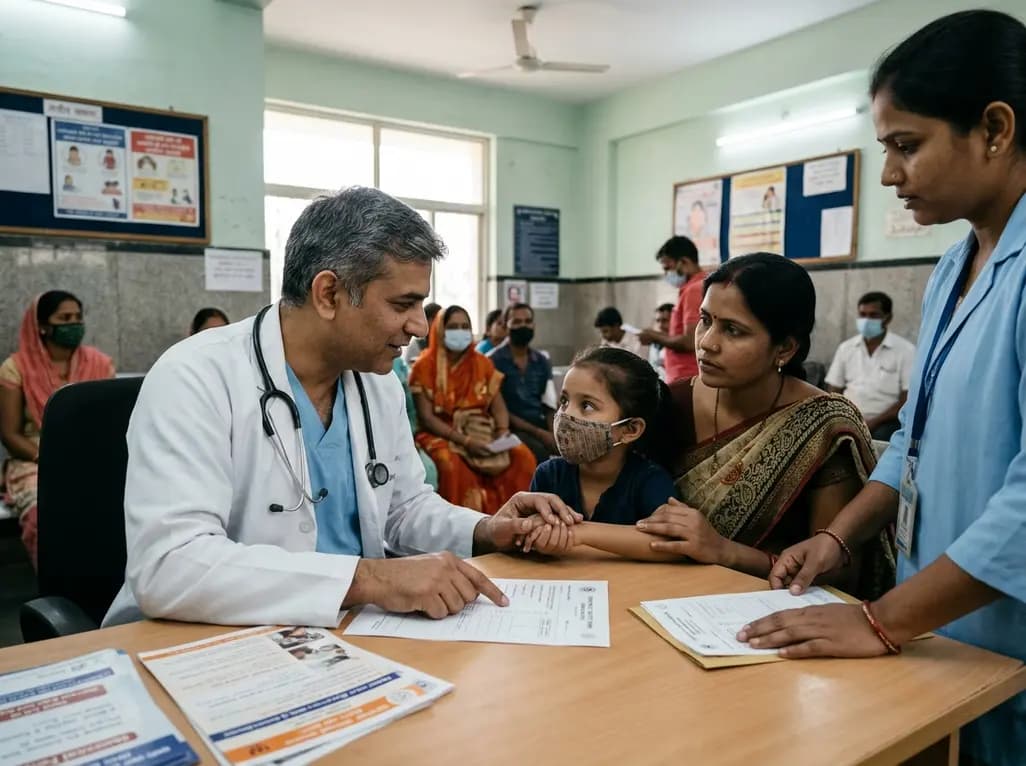
Severe air pollution episodes from peatland fires and biomass combustion present catastrophic health threats across developing regions. While public health advisories successfully alert populations to dangerous air quality, conventional emergency systems frequently fail to connect vulnerable households to timely medical support. To bridge this critical care gap, investigators evaluated a novel haze referral pathway designed to mobilize frontline social workers and community welfare actors. This structured pathway combines community-level risk screening, tailored household safety planning, and coordinated referral navigation. Consequently, the framework transforms passive environmental alerts into active clinical and social interventions. Clinicians and public health authorities must recognize how structured community pathways improve health access during recurrent ecological disasters.
Seasonal landscape fires and peatland blazes release dense concentrations of fine particulate matter, carbon monoxide, and toxic organic compounds. In regions such as South Sumatra, these recurrent haze episodes cause sharp surges in acute respiratory infections, asthma exacerbations, and cardiovascular morbidity. Children, elderly individuals, and individuals with underlying chronic conditions face the greatest health hazards. Nevertheless, standard public health warnings primarily focus on outdoor activity restrictions and general mask usage. These generic advisories rarely evaluate individualized family vulnerabilities or socioeconomic barriers to protective measures.
Furthermore, vulnerable families often encounter severe hurdles when attempting to navigate complex primary care networks during crisis periods. Financial constraints, lack of transportation, and limited health literacy frequently delay timely clinical consultations. Community welfare workers frequently interact with these underserved populations, yet they historically lack standardized tools to triage respiratory risks. Therefore, developing structured interdisciplinary frameworks remains paramount to protect at-risk communities. Establishing formalized community-based links ensures that ecological disaster responses address both biological susceptibility and social determinants of health effectively.
To overcome systemic care bottlenecks, researchers developed the Brief Haze-to-Care Program as an evidence-informed public health social work initiative. The intervention operates through a multi-tiered structure that unites education, proactive family screening, and targeted service coordination. First, trained community welfare actors conduct culturally adapted educational workshops that explain the immediate physiological dangers of peat fire emissions. These sessions empower families to implement practical indoor air mitigation tactics and recognize early red-flag respiratory symptoms.
Subsequently, workers administer a standardized family risk screening tool to evaluate individual clinical vulnerabilities and socioeconomic stressors. When screening identifies high-risk individuals, workers formulate a personalized household safety plan that prioritizes indoor air cleanliness and medication access. Crucially, the protocol activates dedicated referral navigation for families requiring medical or social support. Navigators assist families in scheduling appointments, arranging clinic transport, and accessing specialized social welfare programs. Additionally, structured follow-up contacts ensure that households complete recommended medical evaluations. By clearly defining navigational duties, the haze referral pathway transforms community welfare actors into effective liaisons between vulnerable families and primary health centers.
The pilot feasibility study evaluated the program across three haze-prone communities in South Sumatra, engaging 60 families, 12 community welfare actors, and 6 social service practitioners. The implementation findings demonstrated remarkable community engagement and procedural fidelity. Specifically, 95.0% of enrolled families attended the comprehensive haze education session, while 91.7% completed the formalized risk screening protocol. Moreover, community facilitators executed the intervention with an outstanding mean implementation fidelity score of 91.0%, proving that non-clinical workers can reliably master structured triage protocols.
Most importantly, the pathway demonstrated robust clinical utility in connecting vulnerable patients to formal services. Among families assigned to referral navigation, 75.9% successfully completed at least one documented health or social service referral contact within three months. Qualitative analyses revealed that the structured screening tool illuminated hidden medical vulnerabilities that families previously neglected. Welfare actors reported that clearly bounded navigation roles alleviated role ambiguity and built trust with local households. However, qualitative feedback also highlighted persistence gaps in inter-agency communication, emphasizing that future scaling efforts must streamline cross-sector digital records and strengthen follow-up tracking mechanisms.
Ecological smoke disasters exert disproportionate harm across specific demographic cohorts, necessitating tailored clinical and social triage. Pediatric populations experience amplified toxicity because their developing airways, higher respiratory rates, and immature immune systems increase particulate deposition. Children exposed to sustained biomass smoke suffer elevated risks of persistent reactive airway disease, impaired alveolar growth, and acute lower respiratory tract infections. The haze referral pathway prioritizes early identification of pediatric wheezing and facilitates rapid access to pediatric primary care services.
Similarly, elderly patients and individuals with pre-existing cardiopulmonary disorders experience severe systemic inflammation and ischemic stress following fine particulate exposure. Peatland fire smoke contains ultrafine particles that penetrate deep into lung parenchyma, promoting systemic oxidative stress and endothelial dysfunction. In addition, pregnant women face heightened risks of adverse perinatal outcomes, including low birth weight and preterm delivery. By integrating social work assessments with clinical triage, the referral protocol captures these intersecting biological vulnerabilities. Consequently, healthcare providers receive pre-screened, prioritized referrals, allowing primary care physicians to initiate early anti-inflammatory therapy, bronchodilator optimization, and preventative counseling before severe clinical decompensation occurs.
The success of the South Sumatra pilot study provides valuable strategic lessons for global regions grappling with recurring seasonal air pollution and agricultural burning. For instance, urban and rural regions across South Asia face catastrophic seasonal smog crises caused by agricultural stubble burning and industrial emissions. In these environments, primary care physicians often face overwhelming patient surges without adequate community outreach mechanisms. Adapting an evidence-informed haze referral pathway enables health systems to decentralize risk screening and engage community health workers systematically.
Furthermore, integrating public health social work into ecological disaster management creates resilient community health ecosystems. Physicians benefit when community welfare personnel identify environmental hazards, address social barriers, and reinforce treatment compliance within patient households. Multidisciplinary collaboration also allows primary care clinics to distribute preventive resources, such as high-efficiency filtration units and protective masks, directly to high-risk patients. Ultimately, institutionalizing standardized community referral pathways closes the divide between environmental monitoring and clinical intervention. Healthcare policymakers should incorporate social work navigation into national disaster preparedness strategies to safeguard vulnerable populations against accelerating environmental crises.
The Brief Haze-to-Care Program establishes an evidence-informed public health social work referral pathway for families exposed to peatland fire smoke. It actively integrates community-based health education, systematic risk screening, household safety planning, dedicated referral navigation, and structured follow-up. By reliably identifying vulnerable households, the program ensures timely clinical linkage to primary medical centers and social support systems during acute ecological air pollution emergencies.
Community welfare actors serve as frontline liaisons between vulnerable households and formal healthcare systems. They deliver targeted education on smoke mitigation, administer standardized family vulnerability screenings, and co-create household safety plans. Additionally, these workers provide bounded referral navigation by scheduling clinical appointments, resolving local transportation barriers, and conducting follow-up checks to ensure families successfully complete necessary medical and social care consultations.
Environmental haze crises disproportionately impact socioeconomically disadvantaged families who face severe logistical, financial, and informational barriers to medical care. Social work navigation addresses these underlying social determinants of health directly. Navigators guide at-risk patients through complex healthcare networks, coordinate cross-sector social welfare assistance, and empower families to implement practical indoor protection measures, thereby preventing severe respiratory complications and reducing avoidable hospital admissions.
Disclaimer: This content is for informational and educational purposes only and does not constitute formal medical advice. Healthcare professionals must rely on their clinical judgment and consult official local guidelines when making diagnostic or therapeutic decisions.
References

Read summarized clinical updates, watch expert medical content, and earn CME certifications right from your smartphone.
Open your smartphone camera to scan and install.





A feasibility study in South Sumatra evaluated the Brief Haze-to-Care Program, an evidence-informed public health social work pathway linking education, risk screening, and referral navigation for families exposed to peatland fire haze, achieving high reach, fidelity, and 75.9% referral completion.
last month

India's health ministry has instructed state authorities to confiscate unapproved oral nicotine products and prosecute unauthorized sellers. Although marketed as smokeless harm-reduction tools, these pouches deliver high doses of nicotine, posing significant cardiovascular, mucosal, and addiction hazards for patients.
Today

A multiparametric MRI approach combining quantitative T2 shading, apparent diffusion coefficient (ADC) measurements, and morphological signs provides superior diagnostic accuracy over subjective evaluation to differentiate ovarian endometriomas from benign hemorrhagic cysts.
Yesterday
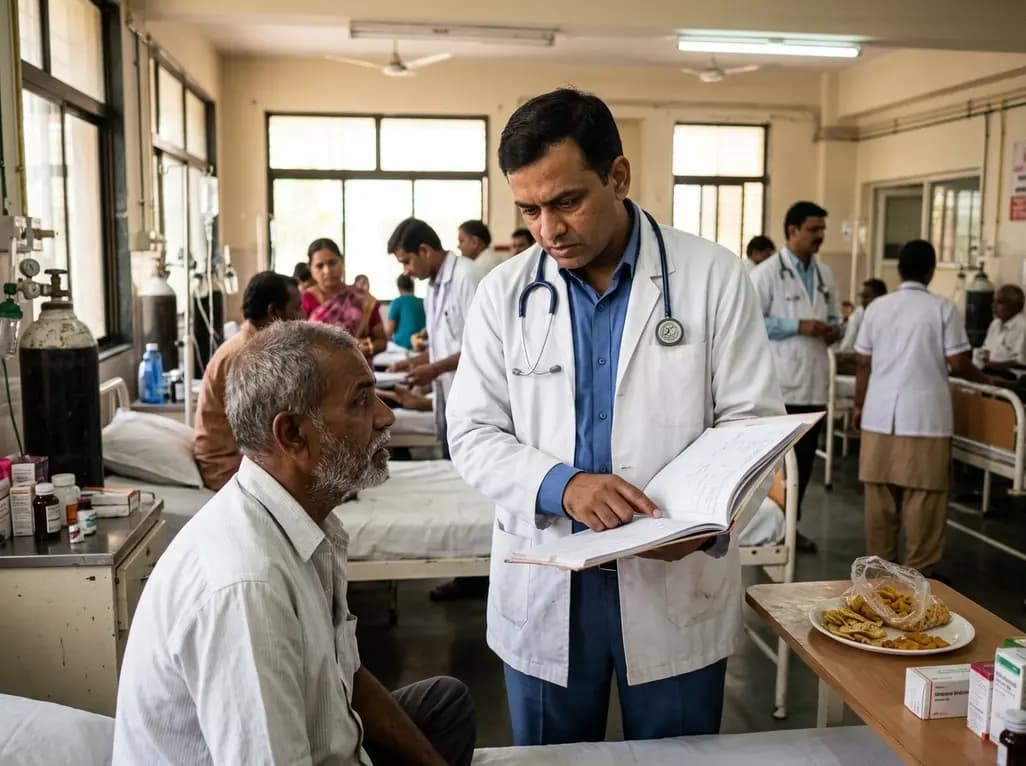
Maharashtra FDA Commissioner Tukaram Mundhe warns that widespread non-compliance with food standards is driving a surge in non-communicable diseases. Healthcare professionals must bridge clinical practice with nutritional vigilance, recognizing dietary quality as a primary driver of premature cardiometabolic conditions.
Today
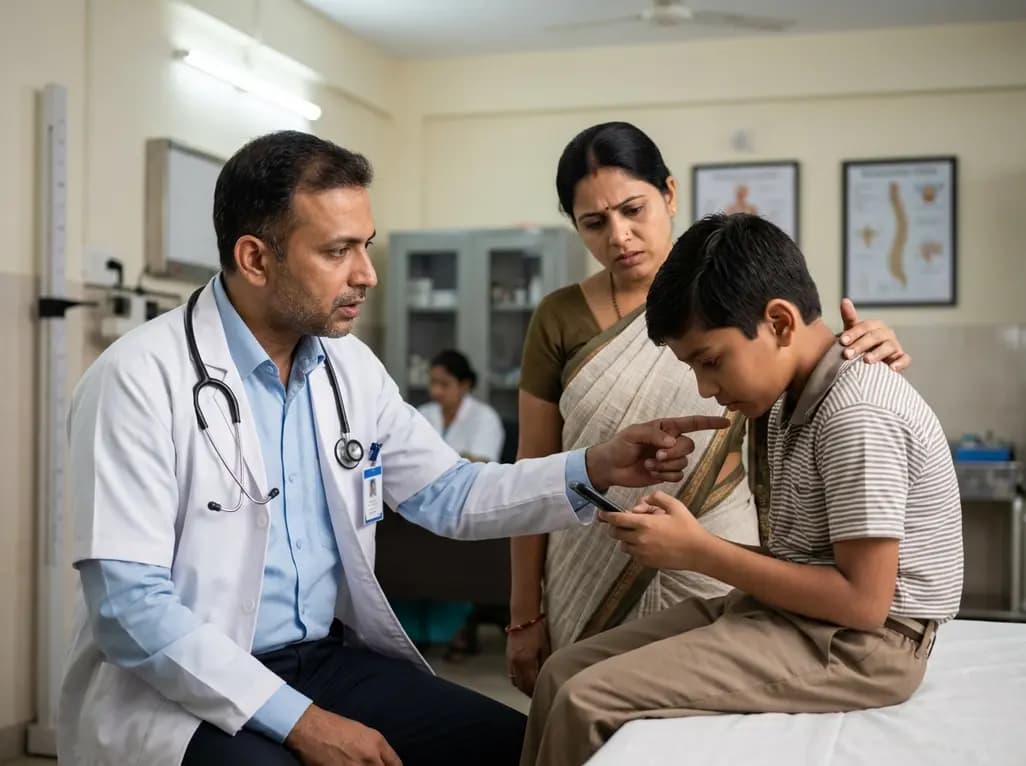
Excessive screen exposure and sedentary routines are driving a silent surge in musculoskeletal pain among young patients. This comprehensive overview examines pediatric cervical strain, biomechanical loads, clinical evidence, and targeted physiotherapy interventions to safeguard growing spinal structures.
Today

A randomized crossover study reveals that exercise-induced glycogen depletion combined with a low-carbohydrate diet significantly enhances peak fat oxidation without impairing skeletal muscle mitochondrial coupling control or efficiency in healthy trained men.
Today
