.webp&w=384&q=75)

Loading, please wait...
Loading, please wait...
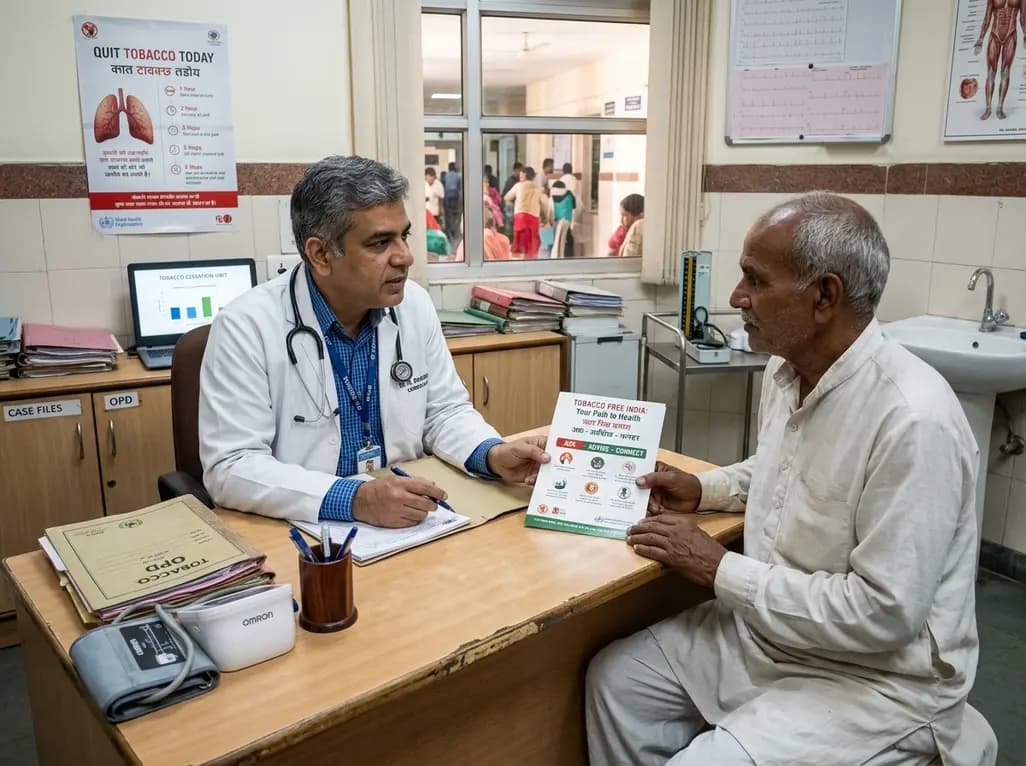
Tobacco addiction remains a leading cause of preventable morbidity and mortality worldwide, accounting for over seven million deaths annually. Alarmingly, more than eighty percent of the world's 1.3 billion tobacco users reside in low- and middle-income countries (LMICs). Addressing this pervasive public health crisis requires robust, evidence-based tobacco cessation strategies tailored to local challenges. The World Health Organization (WHO) outlines six core MPOWER measures, placing special emphasis on offering structured assistance to individuals seeking to quit. However, only thirty-one LMICs currently fulfill the WHO best practice criteria of offering fully covered behavioral support alongside pharmacotherapy. Health systems in resource-limited settings must rapidly bridge this gap to improve health outcomes.
Low- and middle-income countries bear a disproportionate burden of tobacco-attributable illnesses, including cardiovascular diseases, chronic respiratory disorders, and various malignancies. Consequently, healthcare infrastructures in these regions often struggle with the overwhelming financial and clinical strain of managing complex chronic conditions. Implementing evidence-based tobacco cessation strategies is therefore essential for reducing long-term healthcare expenditure and improving clinical outcomes. Although many developing nations have established baseline tobacco control policies, access to standardized treatment remains inadequate. Financial constraints, shortage of trained healthcare personnel, and competing health priorities frequently impede progress. Furthermore, national clinical guidelines often lack actionable pathways for routine screening and referral. To address these systemic hurdles, clinicians must recognize tobacco dependence as a chronic relapsing condition requiring ongoing medical management rather than a simple lifestyle choice. Integrating quit assistance into primary healthcare settings offers a practical approach to reach millions of dependent individuals across rural and urban settings. Moreover, proactive clinician involvement significantly enhances patient engagement and long-term quit success. Healthcare organizations must support clinicians by providing continuous medical education on evidence-based counseling techniques and cessation resources.
Tobacco consumption patterns in low- and middle-income countries differ significantly from those in high-income nations. For instance, in countries like India and Vietnam, smokeless tobacco products, bidis, and water pipes represent a substantial proportion of overall consumption. Socio-cultural norms heavily influence how these products are perceived, often leading to reduced risk perception among consumers. Additionally, aggressive marketing strategies by tobacco companies target vulnerable demographics, compounding addiction rates. The regulatory environment in LMICs frequently struggles to enforce comprehensive anti-tobacco legislation, leaving critical gaps in public protection. Consequently, cessation interventions designed for western populations may not fully address local usage patterns or cultural nuances. Clinicians must adapt their counseling approaches to account for specific tobacco formulations, such as gutka, khaini, or paan masala. Understanding regional usage habits enables healthcare providers to deliver culturally sensitive, empathetic, and targeted clinical advice. Furthermore, cross-country comparative studies show that addressing commercial determinants of health is vital for policy reform. Countering industry influence through stringent price policies and public health messaging reinforces clinical advice provided at the bedside. Therefore, combining clinical counseling with community-level socio-cultural awareness creates a supportive environment that encourages sustainable quitting behaviors across diverse patient populations.
Expanding treatment reach in resource-constrained environments demands population-level, cost-effective strategies. National telephone quitlines provide accessible, free behavioral support to individuals who cannot frequently visit medical facilities. Additionally, digital health technologies, including automated short message service (SMS) programs and mobile phone applications, offer scalable solutions for continuous behavioral reinforcement. These digital platforms deliver personalized motivational messages, coping strategies for cravings, and relapse prevention guidance directly to users. Furthermore, mobile health interventions significantly reduce geographical and financial barriers, allowing rural populations to access specialized guidance easily. Integrating digital tools into national healthcare programs enhances patient adherence and complements routine clinical consultations effectively. Studies demonstrate that combining digital interventions with brief physician advice yields higher abstinence rates than relying on brief advice alone. Moreover, health systems can leverage automated digital reminders to follow up with patients, thereby reducing the administrative workload on busy healthcare personnel. Consequently, digital cessation platforms represent a transformative opportunity for LMICs seeking to maximize reach while maintaining cost-efficiency. Primary care networks should actively promote these digital tools during routine patient encounters to ensure widespread adoption and long-term behavioral change.
Behavioral support combined with pharmacological therapy yields the highest probability of successful long-term tobacco cessation. The WHO Model List of Essential Medicines highlights crucial pharmacotherapeutic agents, including nicotine replacement therapy (NRT) and cytisine. Nicotine replacement therapy, available as patches, gums, and lozenges, helps alleviate withdrawal symptoms and cravings by providing controlled, non-combustible nicotine doses. Cytisine, a plant-derived alkaloid that acts as a partial nicotinic acetylcholine receptor agonist, offers an exceptionally cost-effective alternative to synthetic medications. Clinical trials demonstrate that cytisine possesses high therapeutic efficacy while remaining significantly more affordable for LMIC health budgets. However, supply chain bottlenecks and regulatory hurdles often limit the availability of these essential medicines in primary health centers. Therefore, national health authorities must prioritize the procurement, distribution, and subsidization of these essential cessation drugs. Clinicians should routinely assess nicotine dependence levels and prescribe appropriate pharmacotherapy alongside behavioral counseling. Additionally, educating patients regarding correct medication usage and managing potential side effects improves overall treatment adherence. Ensuring equitable access to essential cessation medications remains a fundamental cornerstone for reducing global tobacco-attributable mortality effectively.
Integrating tobacco cessation services into routine clinical practice requires simple, low-burden workflow models. The Ask-Advise-Connect framework offers a feasible solution for busy primary care settings. In this system model, clinicians ask every patient about tobacco use at every clinical encounter and record the status in health records accurately. Next, providers advise all tobacco users to quit using clear, personalized, and non-judgmental language. Finally, rather than simply offering passive referral information, clinicians directly connect interested patients to cessation support services, such as national quitlines or digital health platforms. Research indicates that actively connecting patients dramatically increases enrollment in cessation programs compared to passive advice alone. Consequently, this system-level protocol minimizes clinical time burden while maximizing patient engagement. Health system administrators must embed these prompt mechanisms into electronic health records or paper charts to standardize care delivery across departments. Furthermore, training non-physician healthcare staff, including nurses and community health workers, to execute early steps expands operational capacity significantly. Implementing the Ask-Advise-Connect model creates a continuous, systemwide pathway that transforms routine healthcare encounters into valuable cessation opportunities across diverse healthcare facilities.
Establishing comprehensive tobacco cessation support as a universal standard of care is critical for achieving health equity. Low- and middle-income countries must align their national health policies with international guidelines to protect vulnerable communities from tobacco harm. Combining population-level policies, such as tobacco taxation and public smoking bans, with accessible clinical services creates a powerful synergistic effect. Moreover, healthcare financing structures must incorporate full or partial coverage for cessation counseling and essential medications to remove out-of-pocket cost barriers completely. Clinicians play a crucial advocacy role in encouraging policy makers to prioritize tobacco control funding within national health insurance schemes. Furthermore, strengthening health systems through continuous clinical training ensures that healthcare workers feel confident offering cessation interventions during routine consultations. As global health governance continues to emphasize non-communicable disease prevention, universal access to cessation assistance must remain at the forefront. By systematically embedding evidence-based strategies into primary, secondary, and tertiary care levels, LMICs can substantially lower tobacco-related morbidity and mortality. Ultimately, sustained commitment from policy makers and healthcare providers will drive meaningful progress toward a tobacco-free future globally.
The Ask-Advise-Connect model is a practical systemwide framework designed to seamlessly integrate cessation support into routine healthcare encounters. Clinicians systematically ask every patient about their tobacco use, strongly advise all users to quit, and directly connect interested individuals to specialized cessation services, such as quitlines or digital health platforms. This active linkage mechanism significantly improves patient enrollment rates compared to traditional passive referral approaches.
Cytisine is a plant-derived partial nicotinic acetylcholine receptor agonist included on the WHO Model List of Essential Medicines. It effectively reduces nicotine cravings and withdrawal symptoms while offering a far more affordable alternative to synthetic cessation medications. Its low production cost makes it an ideal, highly cost-effective pharmacotherapy option for expanding access in low- and middle-income country health systems.
Digital health interventions, including automated mobile text messaging programs and smartphone applications, deliver continuous behavioral reinforcement directly to users. These technologies provide personalized motivational messaging, craving management strategies, and relapse prevention guidance. Digital solutions overcome significant geographical and financial barriers, offering a highly scalable and cost-effective method to complement clinician advice across diverse and remote patient populations.
Disclaimer: This content is for informational and educational purposes only and does not constitute medical advice. Refer to the latest local and national guidelines for clinical practice.
References

Read summarized clinical updates, watch expert medical content, and earn CME certifications right from your smartphone.
Open your smartphone camera to scan and install.





Explore evidence-based tobacco cessation strategies tailored for low- and middle-income countries. Learn about the Ask-Advise-Connect model, WHO EML pharmacotherapy, and digital interventions to improve clinical outcomes.
last month

Groundbreaking research reveals that naive CD8 T cells are not functionally uniform. Over time, prolonged homeostatic tonic TCR signaling primes long-lived naive cells into superior effectors with enhanced survival and memory potential, providing new opportunities for immunotherapy and vaccine design.
Today

Explore the crucial link between dietary protein and immunocompetence. This review examines how low-protein nutrition shifts metabolic resources away from pathogen defense toward early reproduction, compromising host survival and immunity against severe bacterial infections.
Today
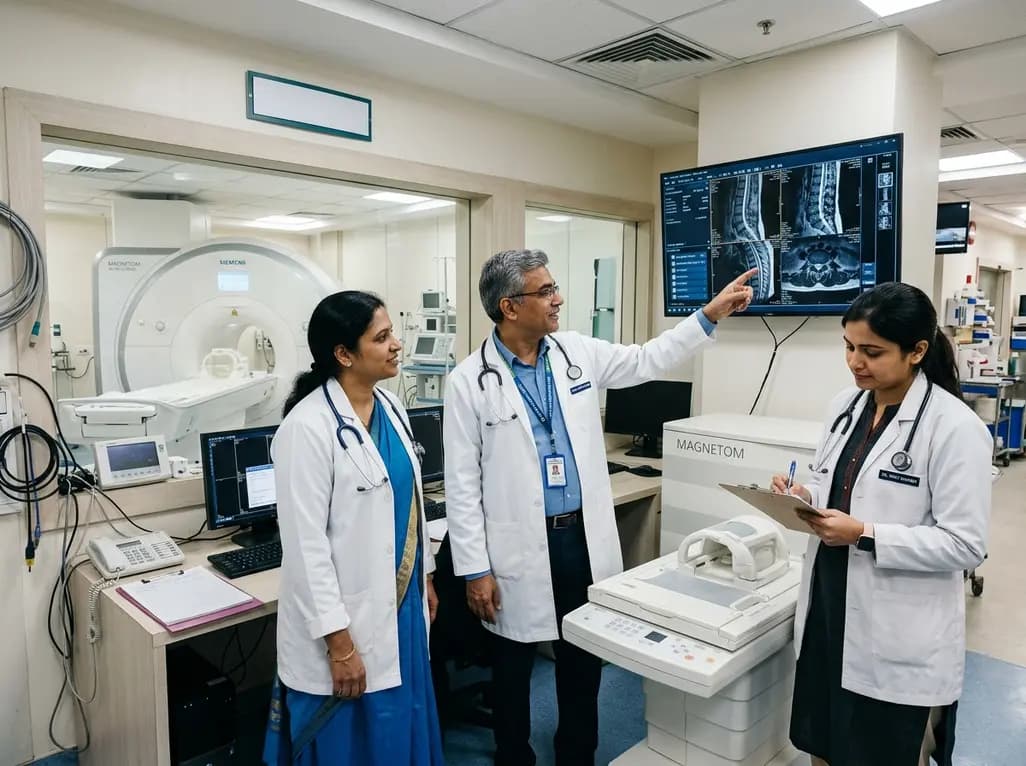
Under India's PLI initiative, domestic production of 57 critical medical devices has commenced, including MRI and CT scanners, cath labs, and heart valves. Global partnerships and local investments are expanding high-end technology, curbing import reliance, and strengthening clinical accessibility nationwide.
Today
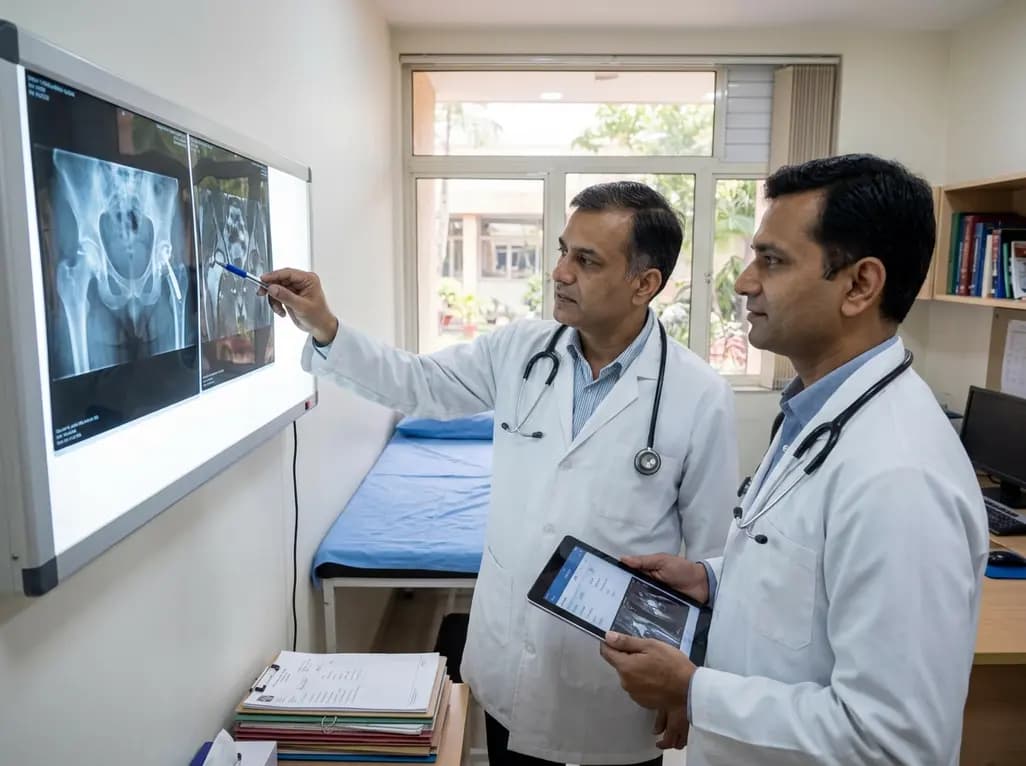
A longitudinal study reveals that patients undergoing staged bilateral hip arthroscopy experience progressive contralateral labral deterioration during surgical intervals. However, structural degradation does not compromise 2-year postoperative clinical outcomes or patient-reported satisfaction scores.
Today

New immunological research reveals how PTPN22 forms a delayed inhibitory signaling complex to restrain T cell activation, explaining how the autoimmune-linked R620W variant disrupts feedback control and promotes persistent inflammation in conditions like rheumatoid arthritis and type 1 diabetes.
Today
