.webp&w=384&q=75)

Loading, please wait...
Loading, please wait...
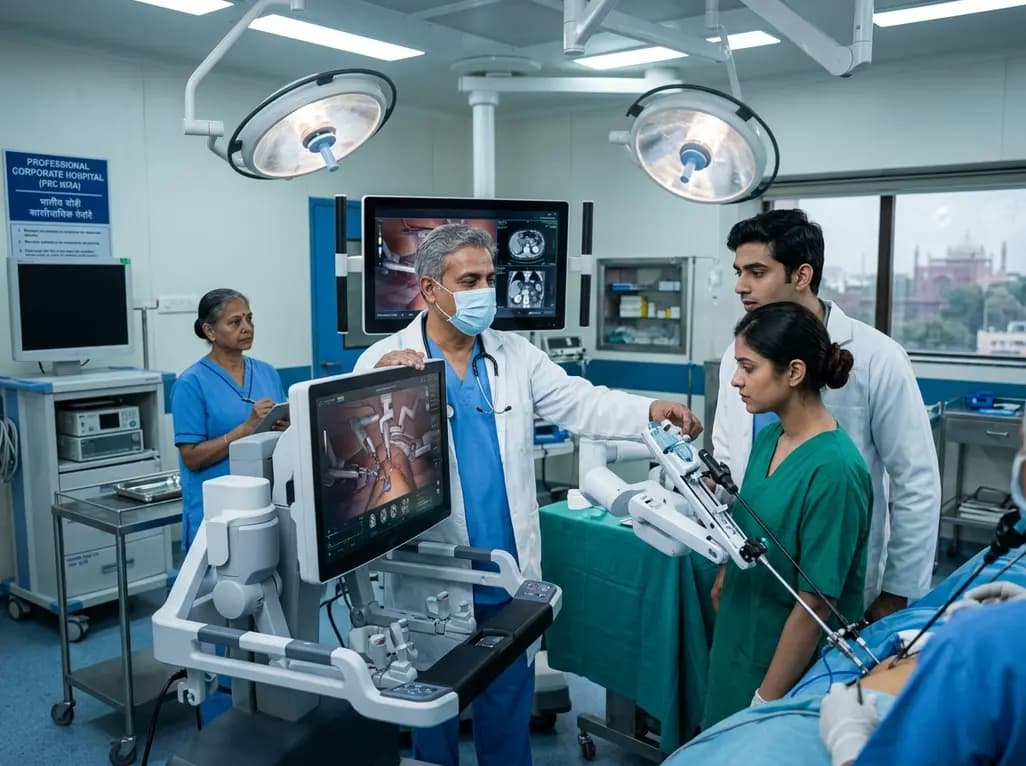
India's healthcare landscape is undergoing a profound transformation across tertiary and quaternary specialties. Today, the integration of evidence-based specialist care is rapidly reshaping clinical workflows in hospitals nationwide. Many medical professionals who completed rigorous overseas fellowships are returning home with cutting-edge expertise. Consequently, these clinicians are introducing robotic-assisted procedures, sophisticated artificial intelligence diagnostic tools, and internationally validated clinical protocols into everyday practice. Rather than relying solely on generalized treatment algorithms or legacy institutional habits, modern specialists now prioritize targeted precision. Furthermore, this transition elevates patient safety and enhances functional longevity after complex interventions. Across diverse medical fields—ranging from orthopaedic surgery to otolaryngology and pulmonary medicine—evidence-led practices are setting a new benchmark. Ultimately, this clinician-driven evolution is modernizing the Indian healthcare ecosystem and improving treatment outcomes.
Orthopaedic surgery represents one of the most visible domains of technological progress in modern Indian hospitals. Today, leading joint replacement surgeons utilize cutting-edge robotic systems to execute sub-millimeter bony resections and achieve ideal component alignment. For example, clinicians with advanced international fellowships in North America and Europe combine robotic-assisted arthroplasty with biological joint preservation techniques. Consequently, surgeons do not merely treat end-stage degenerative joint disease; they actively work to restore damaged cartilage and preserve native tissue whenever possible. Moreover, intraoperative robotic navigation provides real-time biomechanical feedback, allowing surgeons to dynamically adjust ligament tension throughout the entire arc of motion. Therefore, patients experience substantially reduced soft-tissue trauma, minimal intraoperative blood loss, and a markedly lower risk of early implant loosening. In addition, academic orthopaedic surgeons are training global peers while continuously publishing clinical trial data in peer-reviewed journals. This rigorous alignment between empirical clinical research and operative technology ensures that robotic interventions deliver measurable improvements rather than merely serving as novel hospital marketing tools.
Beyond intraoperative robotic execution, the overall philosophy of sports medicine and reconstructive surgery has evolved dramatically. Modern arthroscopy specialists now recognize that surgical precision represents only the initial step in comprehensive patient recovery. Consequently, leading practitioners develop structured, individualized rehabilitation pathways tailored specifically to each patient's physiological baseline and functional goals. Instead of enforcing generic postoperative recovery protocols, clinicians integrate quantitative kinematic tracking and objective muscular assessment metrics. In addition, surgeons employ evidence-based cartilage repair strategies, including autologous chondrocyte implantation and cellular therapies, to delay or eliminate the need for radical arthroplasty in younger athletic populations. Meanwhile, shoulder and knee surgeons increasingly utilize minimally invasive arthroscopic techniques to repair complex labral and ligamentous tears with minimal disruption to periarticular structures. Furthermore, ongoing clinical audits and outcome registries help surgical teams refine their management algorithms continually. By combining meticulous operative techniques with targeted physical therapy, healthcare institutions ensure durable clinical outcomes, rapid return to sports, and superior joint preservation over the patient's lifespan.
Technological innovation extends well beyond the musculoskeletal domain and is actively revolutionizing otorhinolaryngology across Indian clinical centers. Historically, early-stage mucosal pathologies and subtle anatomical abnormalities in the upper aerodigestive tract were difficult to identify through standard white-light endoscopy alone. However, contemporary ENT specialists now integrate artificial intelligence algorithms into everyday diagnostic and surgical endoscopic suites. For instance, internationally certified clinicians deploy machine learning models trained to detect early malignant lesions, vocal fold paresis, and occult sinus disease in real time. In addition, image-guided navigation platforms function as an accurate intraoperative positioning guide during intricate skull base and endoscopic sinus procedures. Consequently, surgeons can dissect complex anatomy near vital neurovascular structures with remarkable confidence and precision. Furthermore, machine learning software assists in primary care audiology and tympanic membrane image evaluation, expediting accurate referrals and preventing permanent hearing impairment. Therefore, the combination of advanced rhinology fellowship training and modern artificial intelligence is transforming ENT from an observational specialty into an exact, data-driven surgical discipline.
In the realm of respiratory medicine, modern pulmonologists are raising clinical standards by aligning local treatment approaches with global benchmarks. Chronic obstructive pulmonary disease, interstitial lung conditions, and persistent asthma present substantial clinical challenges across India's diverse demographic landscape. However, specialists actively involved with international bodies, such as the European Respiratory Society, apply rigorous diagnostic pathways to manage complex thoracic disorders. Consequently, clinicians now rely extensively on high-resolution computed tomography, advanced spirometry, diffusion capacity testing, and biomarker profiling to classify disease phenotypes accurately. Moreover, rather than prescribing broad empiric regimens, respiratory physicians tailor biologic therapies and targeted inhaler combinations to individual inflammatory profiles. In addition, structured pulmonary rehabilitation programmes and standardized antimicrobial stewardship protocols are becoming routine components of chronic disease management. Therefore, evidence-based pulmonary care not only mitigates acute exacerbation risks but also preserves long-term lung function. Ultimately, this unwavering adherence to global clinical guidelines improves patient survival and enhances daily quality of life.
The widespread adoption of evidence-based methodologies signifies a broader maturation across the Indian healthcare system. Importantly, this transformation is driven largely by individual clinicians who actively translate their international fellowships into daily clinical excellence. Furthermore, hospital administrators and medical councils are increasingly recognizing the necessity of structured surgical training, standardized clinical governance, and ethical practice. As a result, healthcare centers are establishing dedicated institutional audit committees to monitor surgical complication rates, implant survival, and overall patient satisfaction. Moreover, the emergence of cost-effective indigenous medical technologies and robotic platforms will likely democratize access to precision care across tier-two and tier-three cities. Consequently, future clinicians must continuously cultivate competencies in digital diagnostics, data analytics, and robotic systems to remain at the forefront of modern medicine. In addition, interdisciplinary collaboration between surgical and medical subspecialties will foster holistic patient management models. Ultimately, benchmarking everyday practice against international scientific standards will solidify India's position as a premier global destination for high-quality medical care.
Q1: What are the primary clinical advantages of robotic-assisted joint replacement?
Robotic-assisted surgery allows orthopaedic surgeons to plan and execute bone resections with exceptional precision. By creating a patient-specific three-dimensional anatomical model, the system facilitates accurate implant positioning and dynamic soft-tissue balancing. Consequently, patients typically experience less perioperative tissue trauma, reduced postoperative pain, faster functional recovery, and enhanced long-term implant survival compared to conventional manual techniques.
Q2: How does artificial intelligence support modern otolaryngology practice?
Artificial intelligence assists ENT specialists by analyzing endoscopic video feeds, cross-sectional imaging, and audiological data in real time. These intelligent algorithms help clinicians identify early mucosal malignancies, micro-perforations of the tympanic membrane, and subtle vocal fold abnormalities. Furthermore, AI-integrated surgical navigation systems enhance spatial orientation during complex endoscopic sinus and anterior skull base surgeries, thereby significantly reducing complication risks.
Q3: Why is adhering to international evidence-based guidelines crucial in respiratory care?
Adhering to international respiratory guidelines ensures that pulmonologists utilize standardized diagnostic criteria and phenotyping for chronic airway diseases. Consequently, clinicians can select targeted biologic therapies and optimal inhaler regimens rather than relying on generalized empiric treatments. Moreover, following evidence-based protocols optimizes antimicrobial stewardship, minimizes disease exacerbations, and measurably improves long-term pulmonary function and overall patient prognosis.
Disclaimer: This content is for informational and educational purposes only. It does not constitute medical advice or replace professional judgment. Refer to the latest local and national guidelines for clinical practice.
References

Read summarized clinical updates, watch expert medical content, and earn CME certifications right from your smartphone.
Open your smartphone camera to scan and install.





Internationally trained Indian clinicians are spearheading a quiet revolution across surgical and medical specialties. By integrating advanced robotics, AI-driven diagnostics, and standardized protocols, modern clinical practice is shifting toward personalized, precision-focused treatment to improve patient outcomes.
last month

A Bayesian multilevel meta-analysis reveals that aerobic training combined with moderate carbohydrate restriction modestly lowers HbA1c in type 2 diabetes. However, sparse data and very low certainty leave incremental benefits over exercise or diet alone unproven, highlighting the need for individualized care.
Today
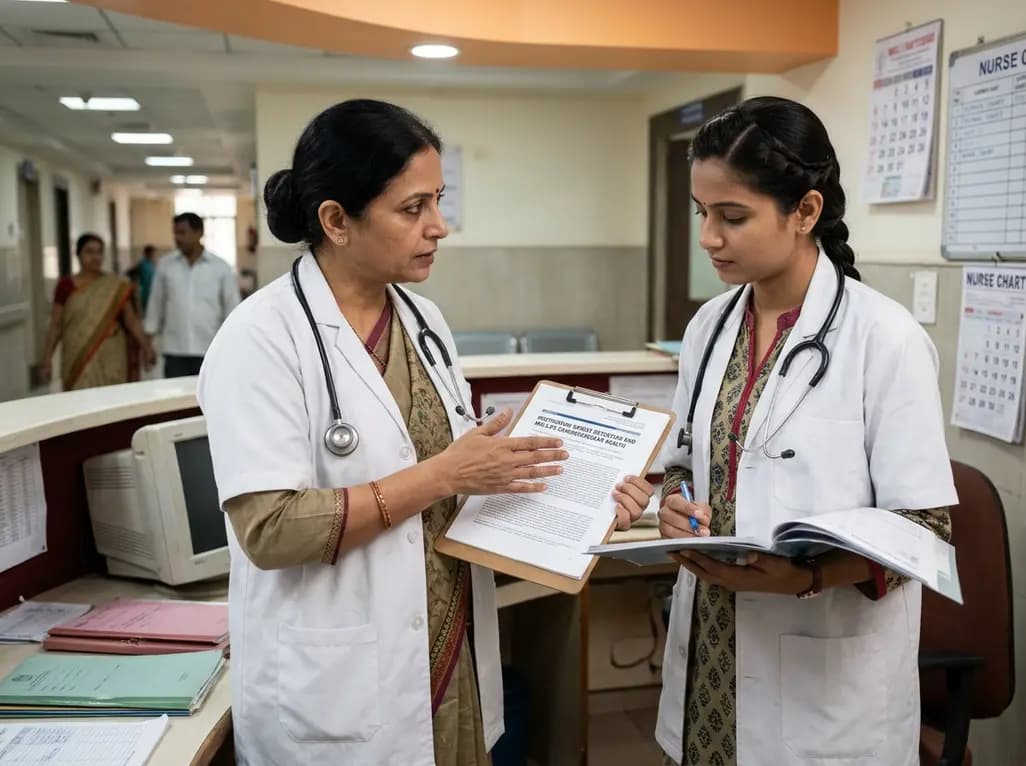
Findings from Project Viva indicate that sustained postpartum weight retention, rather than excessive gestational weight gain alone, directly worsens women's mid-life cardiovascular health, degrading blood pressure and glycemic parameters decades after delivery.
Today
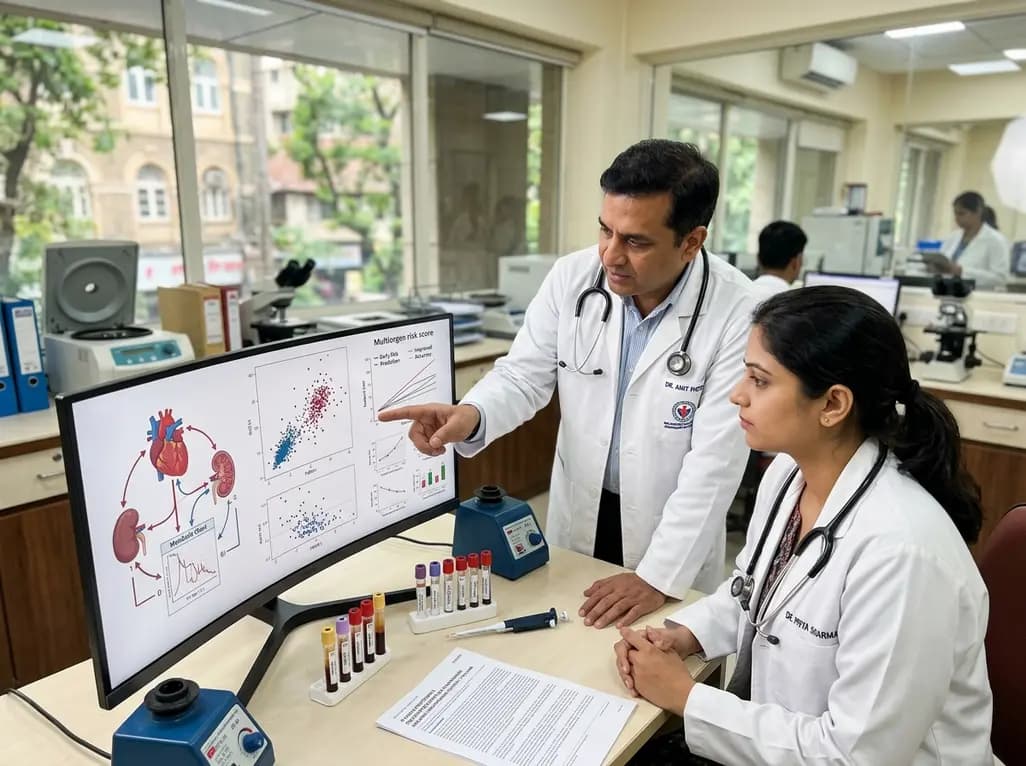
A large UK Biobank study reveals that plasma proteomic signatures capture preclinical organ damage and improve multiorgan risk prediction across early CKM syndrome stages 0 to 2 beyond traditional PREVENT clinical models.
Today
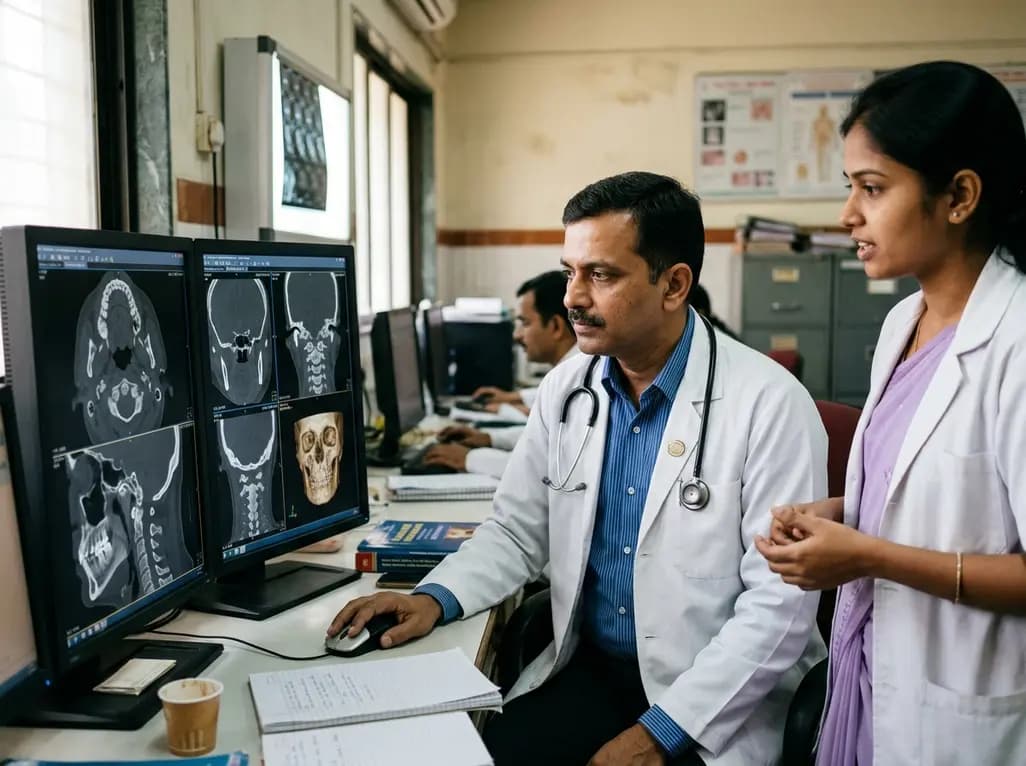
A retrospective CBCT study reveals that superior TMJ space asymmetry correlates moderately with occipital condyle-atlas-axis asymmetry in unilateral TMJ osteoarthritis, highlighting an imaging correlate between jaw biomechanics and upper cervical alignment rather than a standalone diagnostic marker.
Today
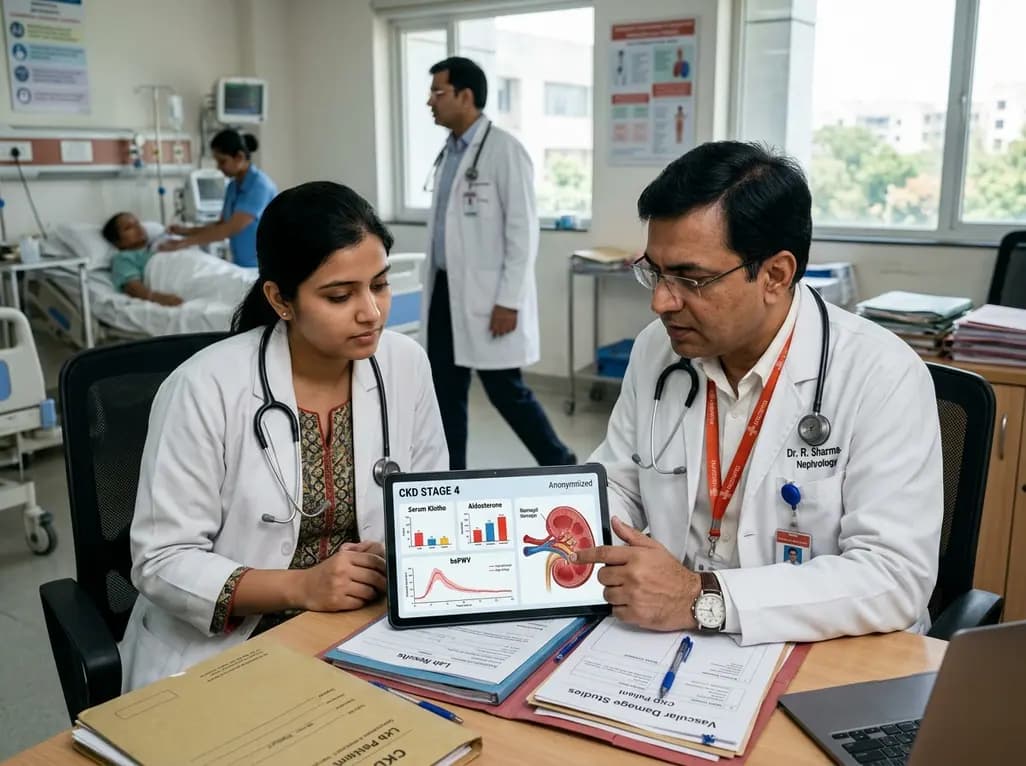
A cross-sectional investigation highlights the complex pathophysiological links between serum Klotho deficiency, secondary hyperaldosteronism, and vascular damage in CKD. Discover key insights into non-invasive vascular stiffness markers and targeted therapeutic pathways for cardiorenal protection.
Today
