.webp&w=384&q=75)

Loading, please wait...
Loading, please wait...

Human circadian typology profoundly dictates daily patterns of physiological alertness, metabolic efficiency, and neurocognitive performance. Modern research demonstrates that having an evening chronotype poses substantial challenges to sustained employment and overall well-being. A landmark 12-year longitudinal study from Finland offers critical evidence regarding how circadian preferences directly impact long-term occupational survival.
Chronotype reflects an individual's innate circadian timing system, which coordinates sleep-wake cycles, hormonal secretions, and core body temperature. While morning chronotypes wake early with peak alertness during daytime hours, an evening chronotype exhibits delayed circadian phases. Consequently, late chronotypes struggle with standard daytime work schedules. Genetic factors heavily determine this endogenous timing mechanism through variations in core circadian clock genes. However, societal demands often enforce an early morning awakening schedule. Therefore, evening chronotypes chronically accumulate significant sleep debt during the working week. Clinicians frequently refer to this pervasive chronic desynchrony as social jetlag.
In addition, circadian misalignment disrupts peripheral molecular clocks across liver, adipose, and cardiovascular tissues. When internal cellular rhythms clash with external behavioral cycles, systemic physiological strain escalates rapidly. As a result, individuals experience compromised daytime alertness, increased inflammatory activity, and metabolic dysregulation. Over successive years, these continuous physiological insults degrade functional capacity, setting the biological foundation for premature functional decline.
The Northern Finland Birth Cohort 1966 provides vital prospective insights into the link between chronotype and registered disability pensions. Researchers evaluated 5,679 working, non-retired participants at age 46 using the validated Morningness-Eveningness Questionnaire. Furthermore, investigators validated subjective self-reports by examining polygenic scores for morningness measured earlier in life. Over a 12-year register-based follow-up extending to age 57, the investigators tracked all incident disability pension grants.
Importantly, the analysis revealed that participants with an evening chronotype faced a 1.7-fold higher risk of receiving a disability pension compared to morning types. This dramatic 70 percent risk increase persisted even after adjusting for socioeconomic background, baseline health, and working arrangements. Specifically, late chronotypes showed higher attrition from the active workforce due to severe psychiatric, musculoskeletal, and cardiovascular morbidities. In contrast, intermediate types demonstrated moderate vulnerability, whereas morning individuals showed superior employment longevity. Hence, the prospective findings confirm that endogenous evening preferences serve as an independent marker for premature occupational disability.
Multiple pathophysiological and behavioral pathways explain why evening chronotypes suffer accelerated health erosion and work disability. First, chronic circadian misalignment triggers persistent hypothalamic-pituitary-adrenal axis activation, which elevates systemic glucocorticoids and inflammatory cytokines. Consequently, affected individuals experience increased insulin resistance, endothelial dysfunction, and accelerated vascular aging. In addition, evening types exhibit higher rates of depressive episodes, severe anxiety, and emotional exhaustion. Because these individuals must force alertness during biological rest phases, cognitive processing speed and sustained attention decline significantly.
Furthermore, behavioral compensation frequently introduces maladaptive coping habits. For example, evening chronotypes consume larger amounts of caffeine, nicotine, and alcohol to modulate their wakefulness and fragmented sleep. Such substances further damage sleep architecture, preventing restorative slow-wave sleep. Over time, these combined insults foster chronic musculoskeletal pain syndromes and recurrent depressive disorders. Ultimately, these overlapping physical and mental conditions erode functional capacity, making regular vocational engagement unsustainable.
The implications of chronotype research are particularly critical for modern Indian clinical practice and occupational health. India possesses an enormous young workforce, including millions employed in information technology, business process outsourcing, and round-the-clock manufacturing sectors. Many of these professionals work rotational or permanent night shifts that directly oppose biological circadian pacemakers. Consequently, clinicians across Indian urban centers report rising rates of early-onset hypertension, dyslipidemia, type 2 diabetes, and severe burnout.
When natural evening types encounter inflexible traditional shift requirements, social jetlag intensifies dramatically. Moreover, cultural factors such as late family dinners and prolonged digital device usage further delay bedtime. Therefore, primary care physicians and psychiatrists in India must actively incorporate circadian screening into routine medical assessments. Rather than simply prescribing hypnotic medications for insomnia, physicians should identify baseline chronotype tendencies. Recognizing these traits allows clinicians to advocate for reasonable workplace adjustments before permanent disability occurs. Thus, addressing circadian strain offers a practical avenue to safeguard workforce health and prevent premature economic withdrawal.
Clinicians can apply several targeted therapeutic strategies to mitigate the hazards associated with an evening chronotype. First, practitioners should recommend timed morning bright-light therapy to advance delayed circadian phases. Specifically, exposure to 10,000 lux for thirty minutes shortly after waking suppresses morning melatonin and shifts circadian phase markers earlier. In addition, low-dose exogenous melatonin administered five to seven hours before habitual sleep onset can successfully advance sleep propensity. Furthermore, physicians must counsel patients on strict sleep hygiene measures to stabilize irregular rest schedules.
Patients should avoid blue-spectrum screen exposure for at least two hours before retiring. Similarly, scheduling daily physical exercise during the late afternoon helps reinforce circadian alignment and promotes deep nocturnal rest. Nutritional guidance is equally imperative; patients should avoid heavy carbohydrate meals late at night to prevent metabolic disruption. Finally, occupational health teams should encourage employers to provide flexible working hours whenever possible. By aligning professional responsibilities with endogenous chronobiological traits, healthcare providers can protect cardiometabolic health and preserve long-term vocational longevity.
An evening chronotype forces individuals to function out of phase with standard societal schedules. Consequently, late types suffer from chronic sleep debt, severe social jetlag, and elevated systemic inflammation. Over years, these persistent physiological stressors accelerate the development of major depressive disorders, musculoskeletal syndromes, and cardiometabolic diseases. Because these cumulative morbidities severely degrade functional work ability by middle age, affected individuals face a substantially heightened risk of early medical disability retirement.
Yes, clinicians can guide patients to advance their circadian rhythm using evidence-based chronotherapeutic interventions. Specifically, daily morning exposure to high-intensity bright light suppresses prolonged melatonin secretion and advances central pacemaker timing. In addition, administering micro-dose exogenous melatonin in the early evening shifts sleep propensity forward. When clinicians combine these methods with consistent wake times and evening blue-light restriction, evening chronotypes experience improved sleep quality, daytime vigilance, and overall metabolic health.
Indian employers can implement flexible scheduling models, core-hour policies, and personalized shift allocations to support late chronotypes effectively. Allowing employees to commence work later in the morning minimizes social jetlag, reduces workplace fatigue, and boosts overall productivity. Furthermore, occupational health departments should optimize workplace illumination, establish ergonomic rest areas, and provide access to circadian health education. These proactive organizational adjustments markedly decrease sickness absenteeism, lower chronic burnout rates, and protect long-term workforce retention.
Disclaimer: This content is for informational and educational purposes only... Refer to the latest local and national guidelines for clinical practice.
References

Read summarized clinical updates, watch expert medical content, and earn CME certifications right from your smartphone.
Open your smartphone camera to scan and install.





A 12-year follow-up of the Northern Finland Birth Cohort 1966 reveals that evening chronotypes face a 1.7-fold elevated risk of disability pensions by midlife. Circadian misalignment and chronic sleep debt significantly erode functional capacity, highlighting the need for targeted clinical and workplace strategies.
Today
A cross-sectional surveillance study highlights the multisystem impact of occupational benzene exposure, including hematologic, hepatic, and cardiovascular abnormalities. The findings emphasize gender-specific vulnerability and the urgent need for stringent workplace health monitoring.
Today

A recent qualitative study evaluates institutional gaps across health, police, and justice sectors in supporting survivors of intimate partner violence. Healthcare providers must bridge procedural fragmentation with empathetic, trauma-informed care and cross-sector coordination to safeguard vulnerable patients.
Today
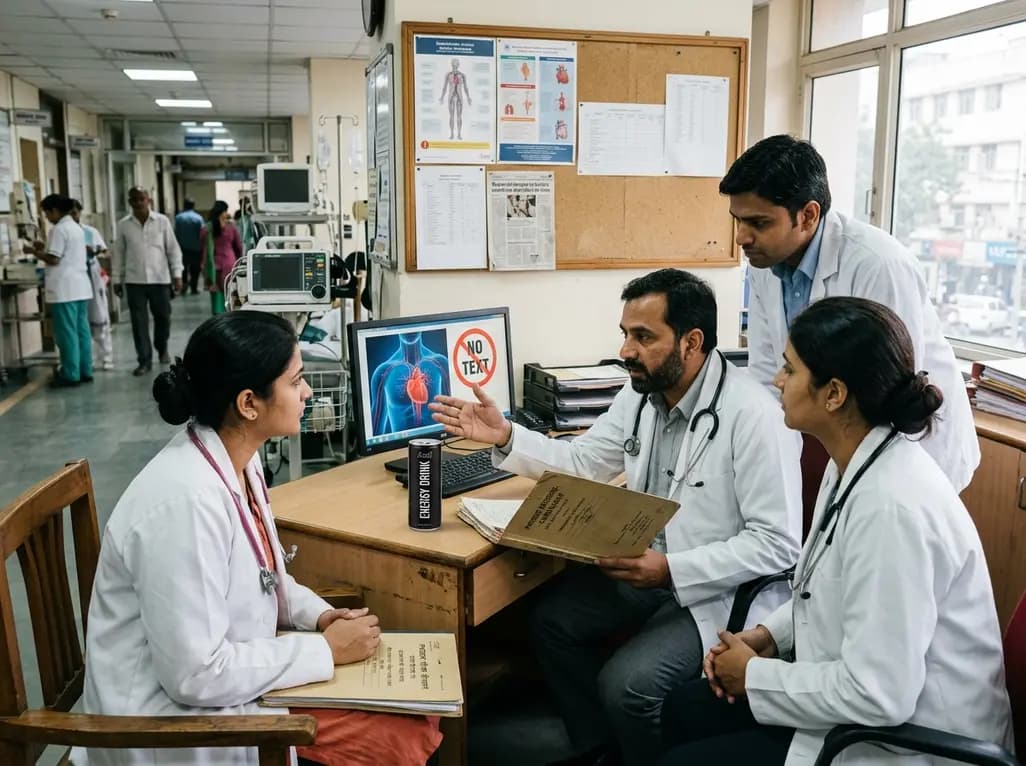
The Delhi High Court recently quashed an FSSAI order requiring beverage manufacturers to remove the term 'energy' from product labels without due process. This development brings renewed clinical focus to beverage terminology, consumer safety limits, cardiovascular strain, and youth dietary habits across India.
Today
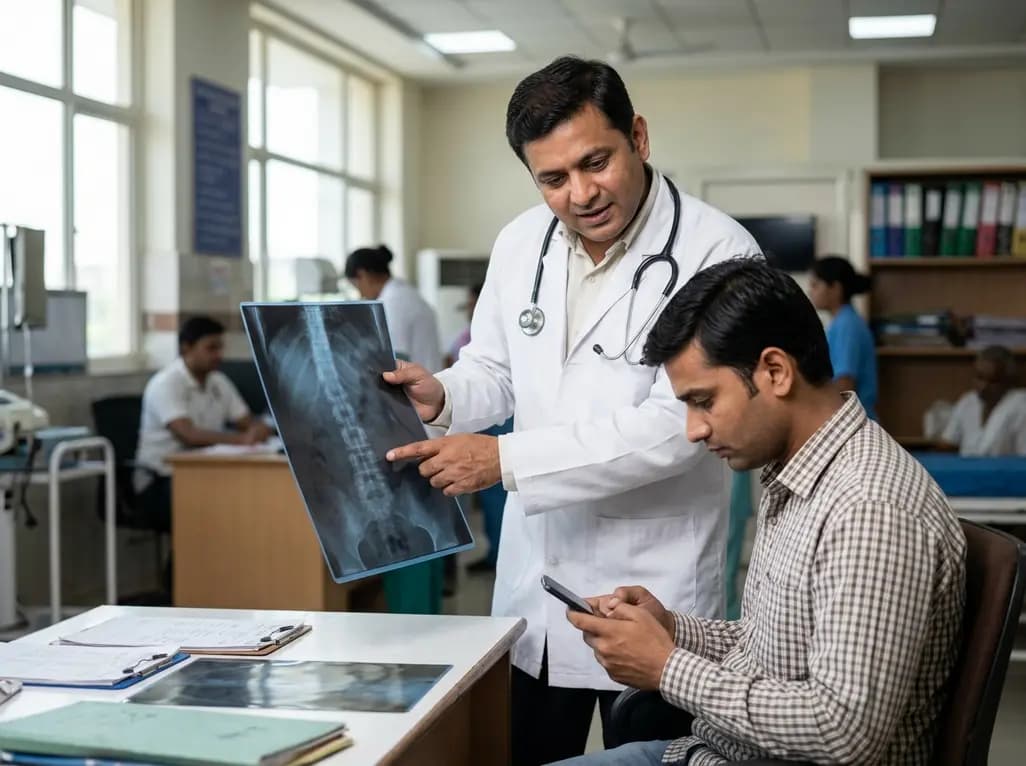
A cross-sectional study reveals a strong positive correlation between problematic internet use and kinesiophobia in adults aged 18-45 with non-specific low back pain, highlighting how digital overuse reinforces movement fear and complicates musculoskeletal recovery.
Today
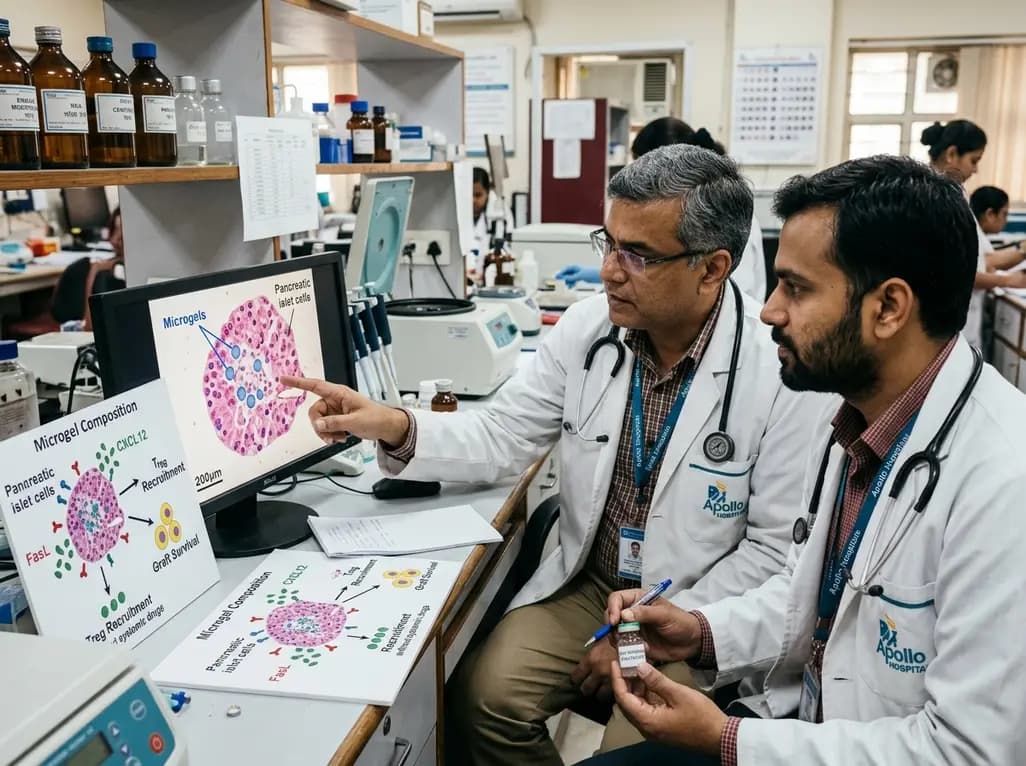
A novel microgel platform presenting FasL and protease-resistant CXCL12 enables sustained allogeneic islet survival and glycemic control without systemic immunosuppression, enhancing local Treg recruitment and graft revascularization.
Today
