.webp&w=384&q=75)

Loading, please wait...
Loading, please wait...

Evaluating older adults presenting with progressive neurological deficits requires systematic clinical reasoning and comprehensive physical examination. A 79-year-old male patient with metastatic Merkel cell carcinoma undergoing active cancer treatment presented with subacute movement abnormalities. Over a two-week period, he developed a prominent subacute intention tremor involving all extremities, accompanying nearly continuous involuntary facial movements. Consequently, his functional status declined rapidly, causing marked gait instability and speech disruption. Physical examination demonstrated tremulous dysarthria, pronounced truncal ataxia, dysdiadochokinesis, and bilateral lower extremity dysmetria on heel-to-shin testing. Furthermore, sensory testing revealed distally diminished vibration perception alongside lower extremity hyporeflexia. Therefore, the clinical presentation pointed toward a diffuse pathological process affecting both cerebellar pathways and peripheral motor circuits. Early recognition of these movement abnormalities is critical, as prompt diagnostic evaluation distinguishes immune phenomena from direct tumor invasion or therapy toxicities.
Constructing a broad differential diagnosis for subacute neurological decline in oncology patients requires structured diagnostic vision. First, clinicians must consider paraneoplastic neurological syndromes triggered by the underlying Merkel cell carcinoma. Paraneoplastic cerebellar degeneration and brainstem encephalitis often cause rapid onset incoordination and cranial nerve involvement. Second, immune checkpoint inhibitor toxicity represents another critical diagnostic possibility if the patient receives immunotherapy agents. Immune-mediated encephalitis or movement disorders can closely mimic classic paraneoplastic syndromes. Third, central nervous system infections must be systematically excluded, especially in immunocompromised cancer patients. Viral encephalitis or opportunistic pathogens can cause subacute rhombencephalitis.
Furthermore, clinicians must evaluate metabolic encephalopathies, toxic neuropathies, and acute vascular events. Ischemic strokes affecting the posterior circulation cause sudden ataxia and dysarthria, though bilateral subacute onset makes acute focal ischemia less probable. Additionally, leptomeningeal carcinomatosis from metastatic spread remains a concerning consideration. Systematic investigation is therefore required to narrow these possibilities efficiently.
The diagnostic workup for subacute neurological symptoms begins with urgent neuroimaging studies. Magnetic resonance imaging of the brain with contrast evaluates structural mass lesions, acute ischemic stroke, and overt leptomeningeal metastases. In this patient, brain MRI showed no acute structural abnormalities or pathological enhancement. Consequently, clinicians performed a diagnostic lumbar puncture to analyze cerebrospinal fluid directly. Cerebrospinal fluid analysis revealed unambiguous evidence of central nervous system inflammation. Specifically, laboratory testing demonstrated lymphocytic pleocytosis alongside significantly elevated total protein levels. These inflammatory markers strongly supported an immune-mediated or inflammatory encephalopathy.
Moreover, clinicians ordered comprehensive autoantibody panels in both serum and cerebrospinal fluid. Laboratory testing targeted classic paraneoplastic antibodies such as anti-Hu, anti-Ri, anti-CRMP5, and autoimmune encephalitis biomarkers. Serum and CSF studies ultimately confirmed the diagnosis of immune-mediated neuro-oncological disease. Consequently, prompt neuro-inflammatory biomarker profiling provided definitive diagnostic clarity without requiring invasive tissue biopsy.
Acute management of autoimmune cerebellar ataxia and paraneoplastic movement disorders requires rapid initiation of immunomodulatory therapy. Once clinicians rule out active central nervous system infection, high-dose intravenous corticosteroid therapy represents the primary initial treatment option. High-dose methylprednisolone rapidly suppresses central nervous system neuro-inflammation and controls autoimmune cascades. Additionally, plasma exchange or intravenous immunoglobulin therapy offers effective adjunctive treatment for severe or treatment-refractory cases. Plasma exchange removes pathogenic circulating autoantibodies, whereas intravenous immunoglobulin modulates cellular immune activity.
Furthermore, optimizing control of the underlying primary malignancy remains essential. Treating the primary tumor reduces the antigenic drive fueling ongoing autoantibody production. However, clinicians must carefully evaluate current cancer regimens. If immune checkpoint inhibitors induced neurotoxicity, clinicians must immediately withhold immunotherapy and administer systemic immunosuppression. Consequently, close multidisciplinary collaboration between neurologists and oncologists ensures safe, synchronized treatment adjustments.
Following acute neuro-inflammatory stabilization, clinicians transition focus toward long-term functional recovery and multidisciplinary rehabilitation. Paraneoplastic and autoimmune movement disorders often leave residual neurological deficits requiring dedicated supportive care. Physical therapy plays a pivotal role in improving truncal stability, enhancing gait safety, and mitigating fall risks associated with persistent ataxia. Additionally, occupational therapy assists patients in adapting to lingering intention tremors during daily self-care activities. Furthermore, speech-language pathologists provide essential rehabilitation for dysarthria, while monitoring swallow safety to prevent aspiration pneumonia.
Moreover, clinicians must establish structured long-term neuro-oncological surveillance schedules. Periodic clinical examinations and repeat neuroimaging help detect tumor recurrence or neurological relapses early. Additionally, gradual tapering of oral immunosuppressive medications requires close clinical monitoring to prevent inflammatory rebound. Ultimately, comprehensive long-term care improves functional outcomes and preserves quality of life for cancer survivors facing complex neurological complications.
This challenging clinical case highlights several vital diagnostic pearls for practicing physicians encountering complex movement disorders. First, subacute onset of intention tremor accompanied by involuntary facial movements should immediately raise clinical suspicion for immune-mediated or paraneoplastic central nervous system disease. Second, normal neuroimaging should never delay diagnostic lumbar puncture, as CSF inflammatory changes often precede visible MRI abnormalities. Third, early initiation of empiric immunomodulatory therapy can prevent irreversible neuronal loss while definitive antibody results remain pending.
Furthermore, clinicians must maintain high clinical awareness for neurotoxicities in patients receiving modern targeted cancer therapies. Integrating neurological evaluations early into oncological care pathways ensures prompt diagnosis and improved overall patient survival. Consequently, recognizing subacute intention tremor as a herald of systemic autoimmune dysregulation empowers clinicians to deliver timely, lifesaving interventions.
A subacute intention tremor in cancer patients usually stems from immune-mediated central nervous system inflammation. Primary causes include paraneoplastic cerebellar degeneration triggered by tumor-associated antigens or immune checkpoint inhibitor neurotoxicity. Diagnostic lumbar puncture and antibody testing help clinicians differentiate these autoimmune conditions from opportunistic infections, brain metastases, or toxic metabolic encephalopathies rapidly.
Clinicians diagnose paraneoplastic syndromes using detailed clinical evaluations, brain neuroimaging, lumbar puncture, and autoantibody testing. Magnetic resonance imaging excludes structural tumors or strokes, while cerebrospinal fluid analysis demonstrates lymphocytic pleocytosis and elevated protein. Definitive diagnosis relies on identifying specific neural autoantibodies in serum and cerebrospinal fluid samples through specialized immunofluorescence assays.
Primary treatments for autoimmune cerebellar ataxia involve immediate high-dose intravenous corticosteroids to suppress acute neuro-inflammation. Additionally, clinicians frequently utilize intravenous immunoglobulin therapy or plasma exchange to clear pathogenic circulating antibodies. Treating the underlying primary malignancy is critical to eliminate antigenic stimulation, alongside structured physical and speech therapy for functional recovery.
Disclaimer: This content is for informational and educational purposes only and does not constitute medical advice, diagnosis, or treatment. Always seek the advice of a qualified healthcare provider with any questions regarding a medical condition. Never disregard professional medical advice or delay in seeking it because of something you have read here. Refer to the latest local and national guidelines for clinical practice.
References

Read summarized clinical updates, watch expert medical content, and earn CME certifications right from your smartphone.
Open your smartphone camera to scan and install.





A 79-year-old man with metastatic Merkel cell carcinoma presented with subacute intention tremor, facial movements, and ataxia. Brain MRI was normal, but CSF analysis revealed pleocytosis and elevated protein. This clinical review outlines diagnosis and immunomodulatory management of autoimmune neuro-oncology.
last month

A retrospective cohort study demonstrates that comprehensive pharmacy transitions of care—including admission medication history, discharge review, and 72-hour telephone follow-up—significantly reduced 30-day readmission rates in acute care patients, highlighting the value of pharmacist-led clinical interventions.
Today

Meghalaya recorded a historic 55% reduction in maternal deaths, dropping from 244 to 107 over five years. Through the MOTHER app, dedicated transit homes, and expanded infrastructure like the 150-bed Tura Maternity Hospital with its first public NICU, the state demonstrates an effective public health model.
Today

Explore modern perioperative management protocols for clinical xenotransplantation. Learn how costimulation blockade, anti-inflammatory perfusion, and coagulopathy rescue overcome interspecies hurdles.
Today

A systematic review explores basivertebral nerve anatomy and its pivotal role in vertebrogenic pain. Learn how endplate inflammation and Modic changes inform targeted radiofrequency ablation.
Today
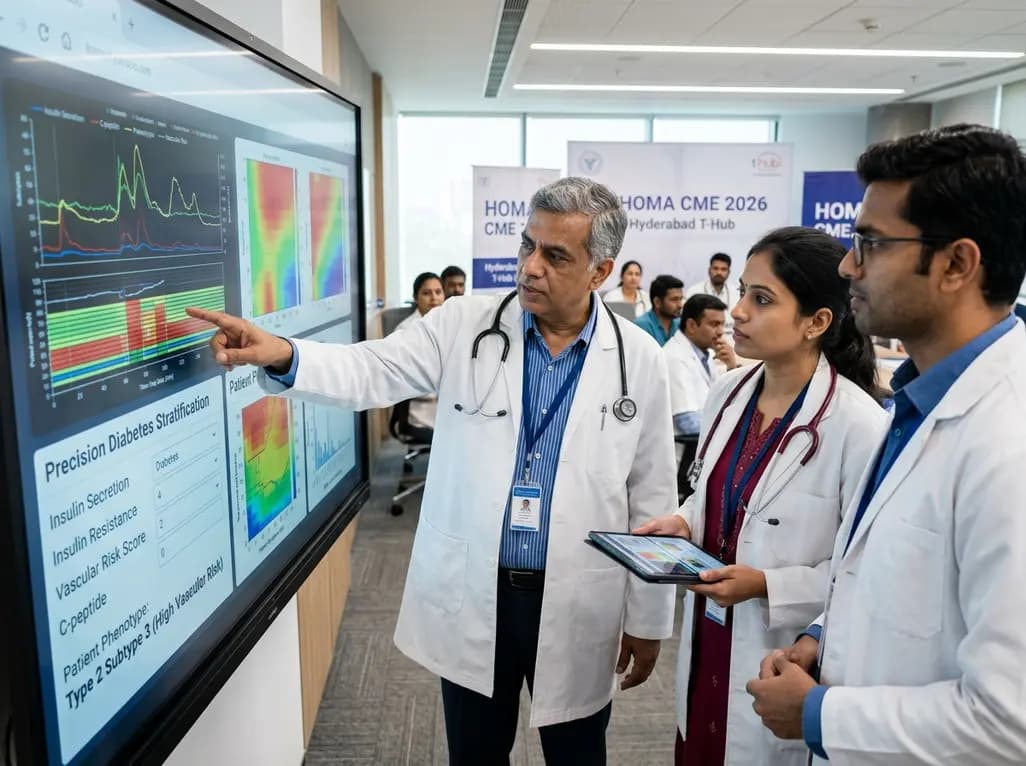
At Homa CME 2026 at Hyderabad's T-Hub, healthcare leaders emphasized moving beyond routine metrics through digital calculators and precision stratification. Discover why characterizing individual insulin secretion, resistance patterns, and vascular risks transforms chronic metabolic care in India.
Today
