.webp&w=384&q=75)

Loading, please wait...
Loading, please wait...

Early weaning often disrupts the delicate balance of the intestinal barrier, leading to inflammation and metabolic stress. A recent study exploring epigallocatechin intestinal repair mechanisms highlights how this polyphenol might mitigate these adverse effects. By focusing on the gut microbiota-driven IL-17/PPAR axis, researchers are uncovering new ways to support intestinal health during stressful physiological transitions.
Epigallocatechin (EGC) is a potent bioactive compound found in tea. In a recent weaning model, supplementation with 12.5 mg/kg EGC significantly improved growth performance and reduced diarrhea incidence. Furthermore, the treatment appeared to repair jejunal morphology by increasing the villus height to crypt depth ratio. These structural improvements demonstrate that epigallocatechin intestinal repair is vital for maintaining nutrient absorption and preventing systemic inflammation. Additionally, the researchers identified significant shifts in the microbial landscape, specifically an increase in Lactobacillus abundance.
The study also highlights the role of the IL-17 and PPAR signaling pathways. Specifically, EGC modulates these axes to reduce oxidative stress and inhibit pro-inflammatory cytokines. Consequently, this leads to the upregulation of tight junction proteins like occludin and claudin-1. Therefore, targeting the IL-17/PPAR axis through nutritional interventions may offer a protective strategy for maintaining mucosal integrity. Moreover, these findings suggest that polyphenols could play a significant role in managing human conditions characterized by gut barrier dysfunction.
Understanding how dietary compounds interact with the gut-microbiota axis is crucial for developing therapeutic strategies. While this research focused on weaning models, the identified pathways are highly relevant to human inflammatory bowel diseases. Further clinical trials are necessary to determine if these results translate effectively to human gastroenterology.
It promotes the growth of beneficial bacteria like Lactobacillus and regulates the IL-17/PPAR axis to reduce inflammation and oxidative stress.
The primary pathways are the IL-17 signaling pathway and the Peroxisome Proliferator-Activated Receptor (PPAR) signaling pathway.
Yes, the study observed a significant reduction in diarrhea incidence following EGC supplementation due to improved intestinal barrier function.
Disclaimer: This content is for informational and educational purposes only. It does not constitute professional medical advice, diagnosis, or treatment. Always seek the advice of your physician or other qualified healthcare provider with any questions you may have regarding a medical condition. Refer to the latest local and national guidelines for clinical practice.
References
Zhao Y et al. Gut microbiota-driven IL-17/PPAR axis mediates epigallocatechin-induced intestinal repair in weaned lambs. J Anim Sci Biotechnol. 2026 Apr 04. doi: undefined. PMID: 41933424.
Wu Z et al. The green tea component (-)-epigallocatechin-3-gallate protects against cytokine-induced epithelial barrier damage in intestinal epithelial cells. Front Immunol. 2025. doi: 10.3389/fimmu.2025.12345.
Zhang L et al. Tea Polyphenol Epigallocatechin Gallate and the Gut-Health Axis: Unraveling Structural Characteristics, Metabolic Pathways, and Systemic Benefits. Nutrients. 2024; 16(5):789.

Read summarized clinical updates, watch expert medical content, and earn CME certifications right from your smartphone.
Open your smartphone camera to scan and install.





Study highlights how epigallocatechin (EGC) repairs the intestinal barrier by modulating gut microbiota and the IL-17/PPAR axis in weaning-stress models....
6 months ago

Recent epidemiological data reveals a dramatic surge in summer heat mortality driven by human-induced climate warming. This analysis explores the pathophysiological impacts on cardiac and renal systems, diagnostic dilemmas in death certification, and essential emergency cooling protocols for acute clinical care.
Today
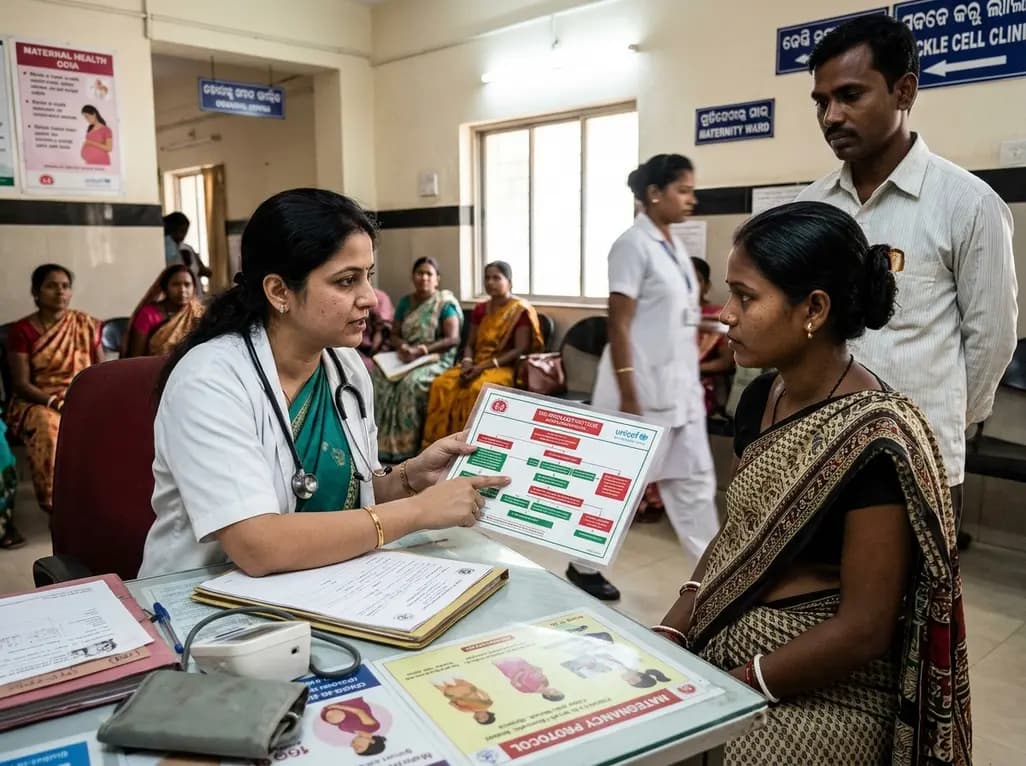
Odisha has established India's first state-level clinical protocol specifically tailored for pregnant women with sickle cell disease. Developed with NHM and UNICEF, the framework provides structured antenatal screening, crisis mitigation, standardized referral pathways, and specialized interdisciplinary care.
Today

India is advancing preventive healthcare by integrating genomics, artificial intelligence, and quantum technologies. With the SANGAM programme sequencing one million Indian genomes, clinicians can unlock personalized therapies, detect cardiometabolic risks early, and curb the burden of diabetes and heart disease.
Today
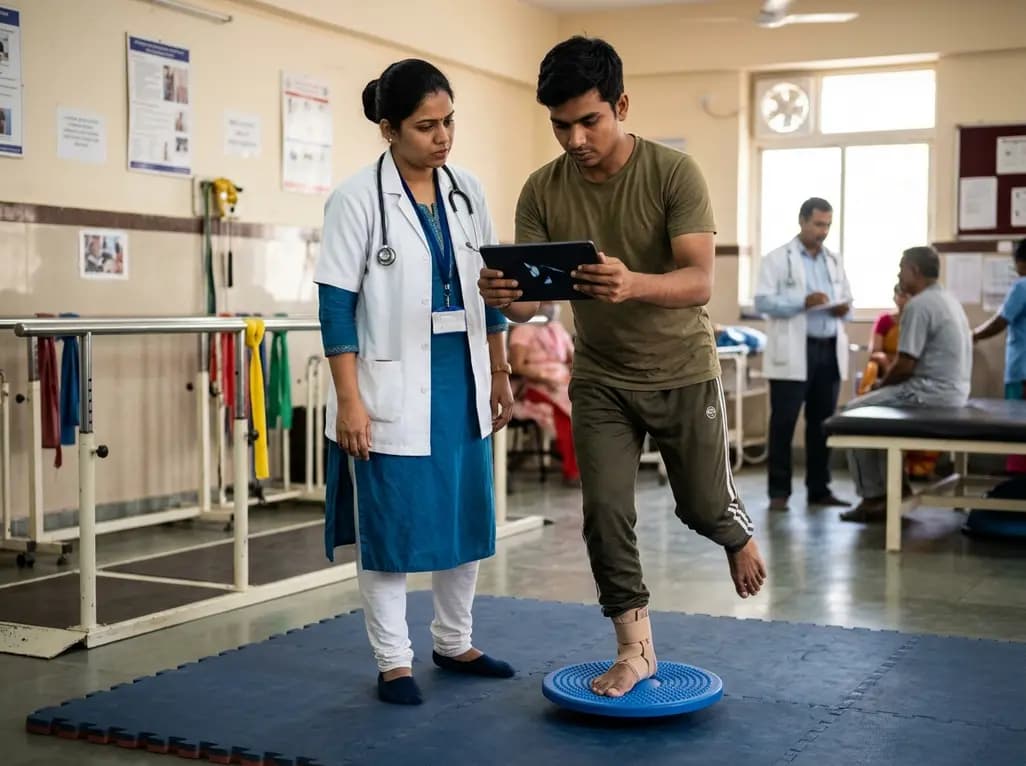
A randomized controlled trial demonstrates that an eight-week dual-task training intervention significantly improves static and dynamic postural control over standard balance exercises in individuals with chronic ankle instability, addressing critical neurocognitive deficits during athletic and daily activities.
Today

A retrospective cohort study of 7,716 ICU patients from the MIMIC-IV database demonstrates that Gradient Boosting Decision Trees significantly outperform traditional SOFA scores in predicting in-hospital mortality among patients with sepsis and diabetes, with SHAP analysis providing clinical interpretability.
Today
