.webp&w=384&q=75)

Loading, please wait...
Loading, please wait...
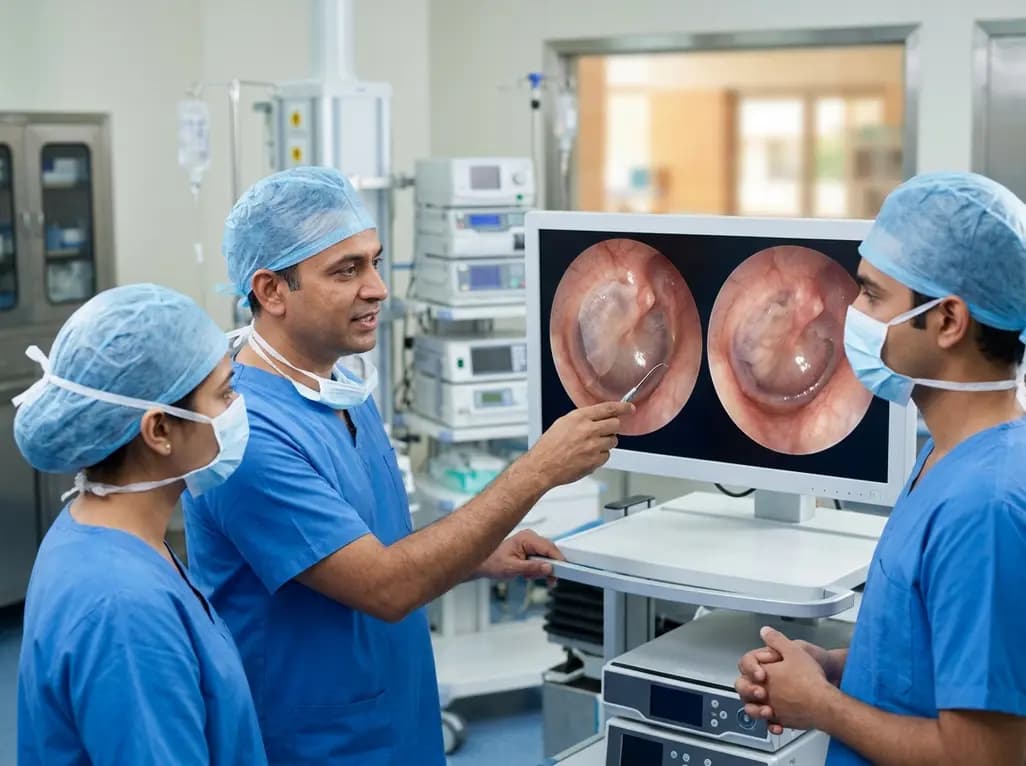
Surgeons frequently utilize various Endoscopic Myringoplasty Techniques to repair chronic tympanic membrane perforations. A recent study analyzed 120 patients with chronic otitis media to determine the effectiveness of underlay versus overlay approaches. Both surgical groups used tragus perichondrium as the graft material. Consequently, the research provides valuable insights into anatomical and functional outcomes for otolaryngologists.
The study results indicated that the overlay group achieved a significantly higher graft uptake rate of 98.4%. In contrast, the underlay group showed a success rate of 89.3%. Furthermore, researchers noted that the overlay method effectively addresses large or anterior perforations. However, this high success rate comes with specific surgical trade-offs that practitioners must consider during clinical decision-making.
While the overlay technique offers superior graft uptake, it requires a higher level of surgical precision. The study found that operative time and mean blood loss were significantly higher in the overlay group. Additionally, two cases in the overlay group developed epithelial cholesteatoma beads postoperatively. Therefore, the complexity of the overlay method might increase the risk of specific iatrogenic complications.
Conversely, the underlay method proved to be less invasive and faster to perform. Surgeons generally find this technique easier to master, which may reduce the overall surgical burden. Interestingly, hearing outcomes showed no significant differences between the two techniques. Both groups experienced comparable improvements in the postoperative air-bone gap. Moreover, CT examinations confirmed the absence of middle ear cholesteatoma in both cohorts.
The overlay technique demonstrated a significantly higher graft success rate of 98.4% compared to 89.3% for the underlay technique in this study involving 120 patients.
The overlay method involves longer operative times and a higher risk of forming epithelial cholesteatoma beads. It also requires greater surgical precision compared to the underlay technique.
No, the study found no significant difference in postoperative hearing outcomes. Both techniques effectively reduced the air-bone gap to approximately 11 dB.
Disclaimer: This content is for informational and educational purposes only and does not constitute medical advice or a substitute for professional healthcare. Always seek the advice of your physician or other qualified health provider with any questions regarding a medical condition. Refer to the latest local and national guidelines for clinical practice.
References

Read summarized clinical updates, watch expert medical content, and earn CME certifications right from your smartphone.
Open your smartphone camera to scan and install.





A study compares endoscopic myringoplasty techniques using tragus perichondrium, finding overlay has higher success while underlay is faster and less invasi...
3 months ago

A new study reveals that lipid-related metabolic dysregulation, marked by elevated TG/HDL-C ratio and glymphatic changes, independently impacts survival in idiopathic normal pressure hydrocephalus.
Today

Explore real-world data showing how private oncogenetics and molecular tumor boards achieve 3-week consult turnaround, high ctDNA actionability, and vital germline variant detection, enhancing individualized cancer care and familial risk assessment.
Today
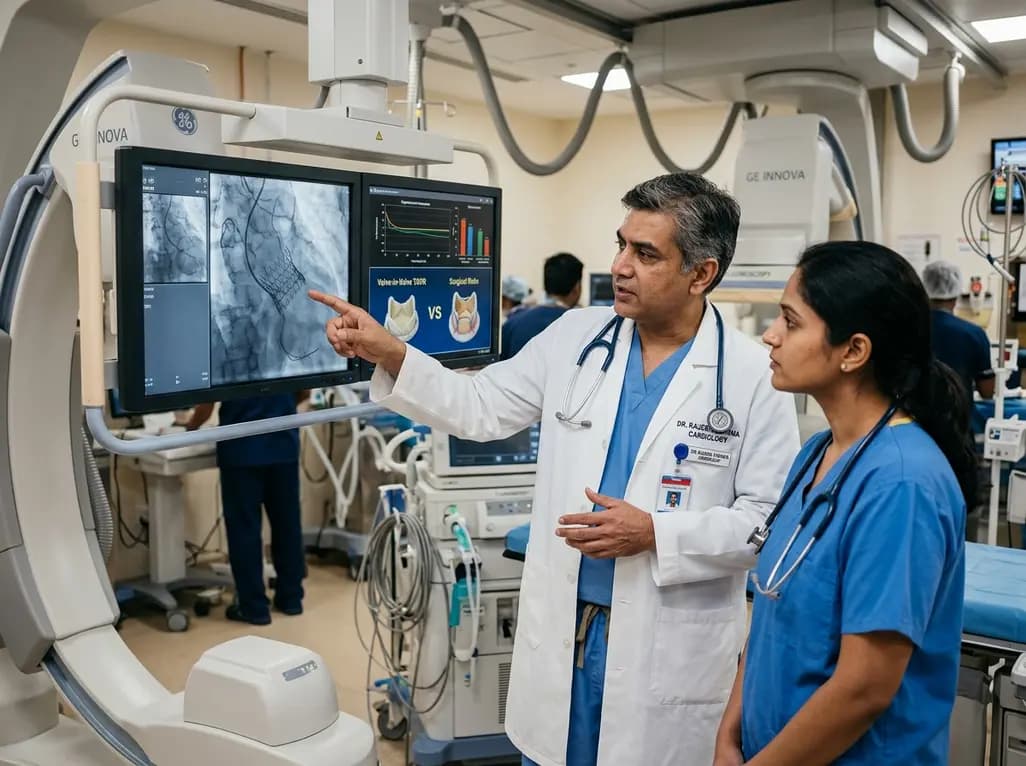
A meta-analysis of 13 propensity score-matched studies shows ViV-TAVR delivers lower early mortality and reduced bleeding compared to redo-SAVR for degenerated bioprosthetic aortic valves, though long-term hemodynamics warrant careful anatomical and patient-centered evaluation.
Today
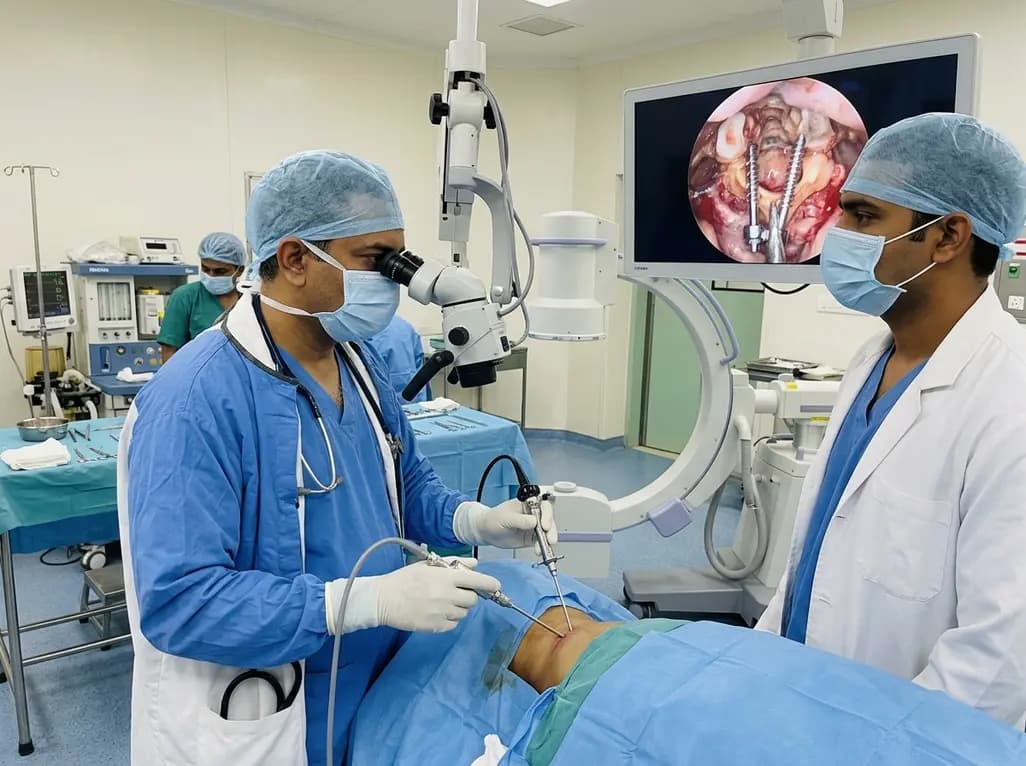
Endoscopic posterior cervical fusion combines minimally invasive decompression, joint preparation, and rigid screw-rod fixation for atlantoaxial pathologies. Early clinical findings demonstrate solid bony union, excellent symptom relief, and minimal soft-tissue morbidity without significant vascular compromise.
Yesterday
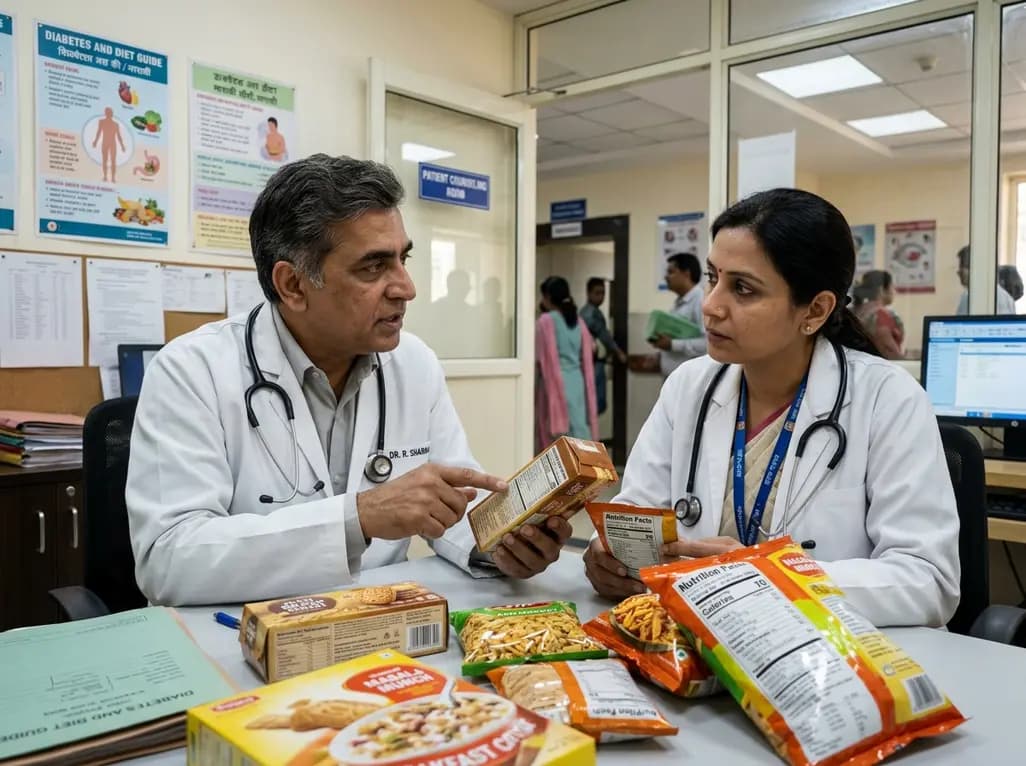
The All-India Food Processors' Association has approached the Supreme Court to oppose FSSAI's proposed per-100g benchmark for front-of-pack warning labels, advocating instead for a per-serving threshold. We explore the regulatory showdown, nutritional evidence, and implications for clinical lifestyle counseling.
Today
