.webp&w=384&q=75)

Loading, please wait...
Loading, please wait...

Hospitalized patients facing the terminal stages of chronic disease frequently endure severe physical and psychological distress. Consequently, clinicians must recognize the complex presentation of end-of-life symptoms to optimize compassionate terminal care. A comprehensive nationwide study examining hospital decedents in South Korea reveals that patients experience an average of nearly five concurrent physical and psychological symptoms during their final month. Although modern acute healthcare facilities provide advanced life-sustaining technologies, they frequently fail to address holistic palliative needs adequately. Therefore, understanding the prevalence and determinants of terminal discomfort remains essential for acute care physicians, intensivists, oncologists, and geriatricians worldwide.
Furthermore, medical teams often prioritize disease-modifying therapies while inadvertently underestimating distressing constitutional symptoms. As a result, patients often endure unmanaged discomfort during their final hospital stay. Clinical evidence demonstrates that prolonged terminal trajectories, persistent pain in the preceding year, and progressive functional dependence strongly drive this symptom burden. Recognizing these clinical indicators allows physicians to initiate timely palliative interventions. In addition, proactive care planning significantly alleviates physiological strain, mitigates caregiver anxiety, and improves the overall quality of dying across diverse acute healthcare environments.
The epidemiological findings demonstrate an extraordinarily high prevalence of multi-symptom distress among terminal hospital admissions. Specifically, anorexia emerged as the single most prevalent issue, affecting approximately 66.5% of decedents in their final weeks. Severe fatigue followed closely at 59.4%, severely diminishing patient interaction, self-care ability, and overall comfort. Additionally, depression affected 54.3% of individuals, illustrating the profound psychological burden that accompanies rapid physical decline. Together, these three clinical manifestations represent a dominant symptom triad in terminal inpatient populations.
Moreover, patients frequently suffered from secondary complications, including dyspnea, confusion, sleep disturbances, chronic nausea, and severe physical discomfort. Because these symptoms rarely occur in isolation, clinicians must anticipate complex symptom clusters rather than isolated complaints. However, conventional ward monitoring tools often overlook neuropsychiatric and constitutional symptoms. Consequently, healthcare providers must incorporate routine, standardized screening scales into daily clinical rounds. By systematically documenting patient-reported and proxy-reported indicators, multidisciplinary hospital teams can deliver timely pharmacological and non-pharmacological interventions, thereby preventing needless suffering before the final hours of life arrive.
Multivariable analyses highlight several primary drivers that consistently amplify terminal symptom severity. First, prolonged duration of illness substantially elevates the probability of developing multiple debilitating complaints. Chronic metabolic dysregulation, systemic inflammation, and muscle wasting compound over months, creating severe physiological fragility. Consequently, patients with extended illness trajectories require intensified surveillance. Furthermore, functional dependence in both basic activities of daily living and instrumental activities of daily living serves as an independent predictor of severe end-of-life symptoms.
Second, a documented history of pain during the year preceding death strongly correlates with pervasive terminal distress. When chronic pain remains inadequately managed during earlier disease stages, central sensitization and psychological distress intensify. As a result, these patients experience heightened vulnerability to acute dyspnea, nausea, and depressive episodes near death. In contrast, patients who maintain functional independence experience significantly fewer concurrent symptoms. Therefore, clinicians must regard declining functional status and persistent chronic pain not merely as chronic deficits, but as definitive warning signs indicating an immediate need for comprehensive palliative assessments.
Despite the profound symptom burden documented among hospital decedents, actual utilization of specialized palliative services remains strikingly low. Indeed, research shows that only 4.51% of hospitalized terminal patients access hospice or palliative care services before death. This dramatic disparity highlights a critical structural gap in modern healthcare systems. Most acute hospital resources remain concentrated on aggressive therapeutic measures, while formal palliative consultations are deferred until the terminal hours. Consequently, terminal patients endure avoidable suffering within high-technology hospital environments.
Furthermore, cultural misconceptions and institutional barriers often obstruct timely palliative integration. Families and clinicians frequently equate palliative referral with abandoning curative hope. However, early palliative consultation improves symptom control, enhances communication, and reduces non-beneficial invasive interventions. Therefore, healthcare leadership must transition from an episodic hospice model to an integrated palliative framework. By embedding palliative specialists directly within oncology, internal medicine, and intensive care units, hospitals can bridge this alarming gap. Ultimately, this approach ensures that symptom relief begins early in the disease course rather than at the absolute precipice of death.
Managing complex terminal symptoms requires a structured, multi-modal clinical protocol. Clinicians should initiate evidence-based pharmacotherapy targeting concurrent physical complaints promptly. For instance, low-dose opioids effectively manage both refractory pain and severe dyspnea, while scheduled antiemetics alleviate persistent nausea. Additionally, non-pharmacological modalities, such as meticulous mouth care, regular repositioning, and calm environmental adjustments, significantly alleviate constitutional fatigue and dry mouth. Pharmacological choices must balance efficacy against adverse effects, particularly cognitive slowing and delirium in vulnerable geriatric patients.
Simultaneously, addressing psychological distress demands equal clinical diligence. Depression and existential anxiety require proactive emotional support, clear prognostic communication, and appropriate psychotropic prescribing when indicated. Collaborative multidisciplinary care—uniting physicians, palliative nurses, clinical psychologists, and social workers—ensures holistic patient evaluation. Moreover, healthcare providers must actively engage family caregivers, offering clear guidance regarding anticipated bodily changes. As a result, transparent communication alleviates surrogate distress and fosters shared decision-making regarding end-of-life goals. Such integrated protocols transform terminal hospital care into a compassionate, highly coordinated clinical process.
Transforming end-of-life care across acute hospital systems requires systemic educational and institutional reform. Medical curricula and continuing medical education must emphasize symptom recognition, communication skills, and advance care planning. Furthermore, hospital administrators should implement automated electronic health record triggers based on functional decline, frequent admissions, and persistent pain. These clinical decision support tools prompt primary care teams to consult palliative services early. Consequently, hospitals can deliver proactive symptom management across all acute wards rather than reserving palliative care for specialized hospices.
In addition, healthcare policymakers must align reimbursement structures to support inpatient palliative consultations, multidisciplinary team meetings, and dedicated symptom management teams. Because a high proportion of individuals continue to die in acute hospitals globally, hospital-based palliative care models represent the most viable pathway to improve quality of dying. Thus, establishing robust institutional palliative pathways protects vulnerable patients from unattended distress, honours patient dignity, and optimizes overall healthcare resource utilization during terminal admissions.
The most common symptoms include severe loss of appetite, profound fatigue, and clinical depression. Decedents also frequently suffer from dyspnea, persistent pain, confusion, and sleep disturbances. These symptoms typically occur together as complex clusters, requiring comprehensive assessment and multi-target therapeutic strategies to achieve meaningful relief.
Early palliative care integration effectively identifies distressing symptoms before they escalate into acute crises. Furthermore, it improves pain control, relieves psychological burden, reduces unnecessary invasive interventions, and clarifies patient preferences. Consequently, early consultation bridges the significant gap between high symptom burden and inadequate terminal hospice utilization.
Loss of independence in activities of daily living reflects advanced physiological exhaustion and widespread organ deterioration. Consequently, functional decline strongly correlates with higher symptom counts, severe fatigue, depression, and poor appetite. Clinicians should recognize rapid functional deterioration as a reliable clinical indicator to initiate proactive palliative symptom management.
Disclaimer: This content is for informational and educational purposes only. It is not intended to substitute for professional medical advice, diagnosis, or treatment. Always seek the advice of your physician or another qualified healthcare provider with any questions you may have regarding a medical condition. Refer to the latest local and national guidelines for clinical practice.
References

Read summarized clinical updates, watch expert medical content, and earn CME certifications right from your smartphone.
Open your smartphone camera to scan and install.





A nationwide analysis reveals high end-of-life symptom burden among hospital decedents, strongly associated with illness duration, pain, and functional decline, underscoring an urgent need to expand inpatient palliative care.
last month

A recent experimental study demonstrates that leonurine attenuates alcoholic hepatitis by suppressing PKM2 and reversing glycolytic reprogramming in hepatic Kupffer cells. This targeted modulation reduces hepatic inflammation and lipid accumulation, offering novel therapeutic avenues for chronic liver injury.
Today

New evidence from Karolinska Institutet shows women vaccinated against HPV prior to conception have significantly lower rates of preterm birth and major perinatal complications. Clinicians in India can leverage these findings to strengthen adolescent immunisation and reproductive health advocacy.
Today

Wearable sensors and remote patient monitoring are shifting cardiovascular care from intermittent clinic visits to continuous physiological surveillance. Artificial intelligence and multimodal biosensors now empower earlier diagnosis and targeted interventions for heart disease.
Today

Stem cell-derived exosomes offer a cell-free therapeutic paradigm in regenerative medicine, providing potent immunomodulatory and trophic benefits with minimal immunological risk. Discover their biological cargo, translational hurdles, and clinical implications across disciplines.
Today
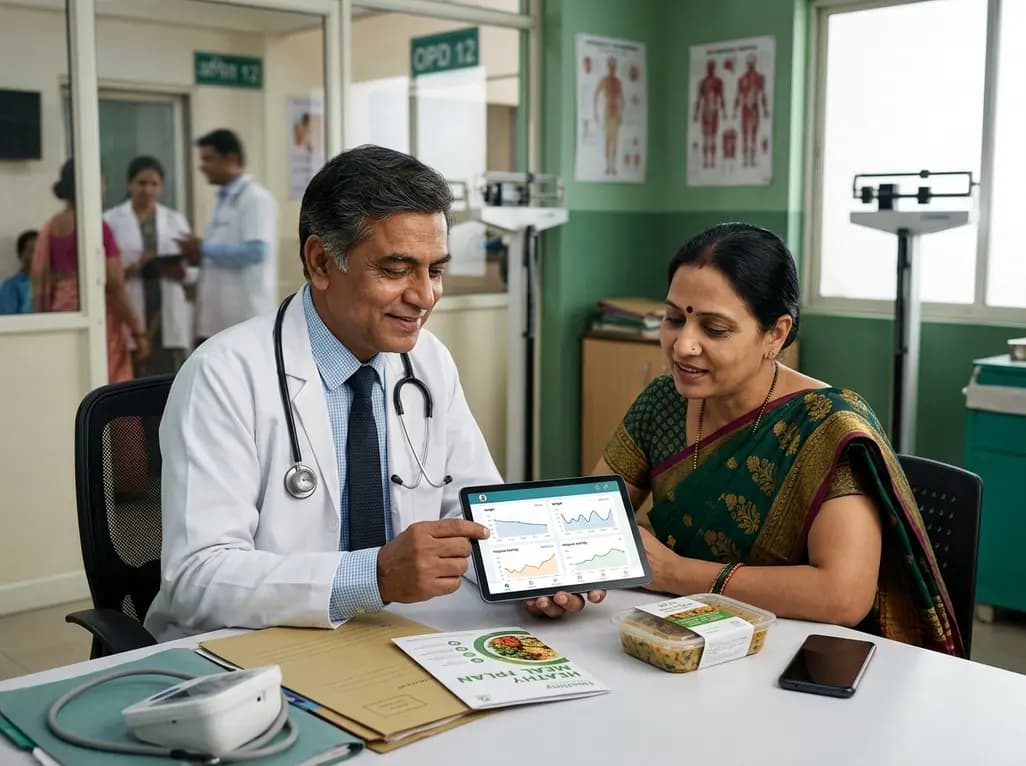
A pilot randomized trial demonstrates that digital wellness applications and medically tailored meals significantly attenuate rapid weight regain following GLP-1 receptor agonist discontinuation, providing valuable transitional support for long-term obesity management.
Today
