.webp&w=384&q=75)

Loading, please wait...
Loading, please wait...
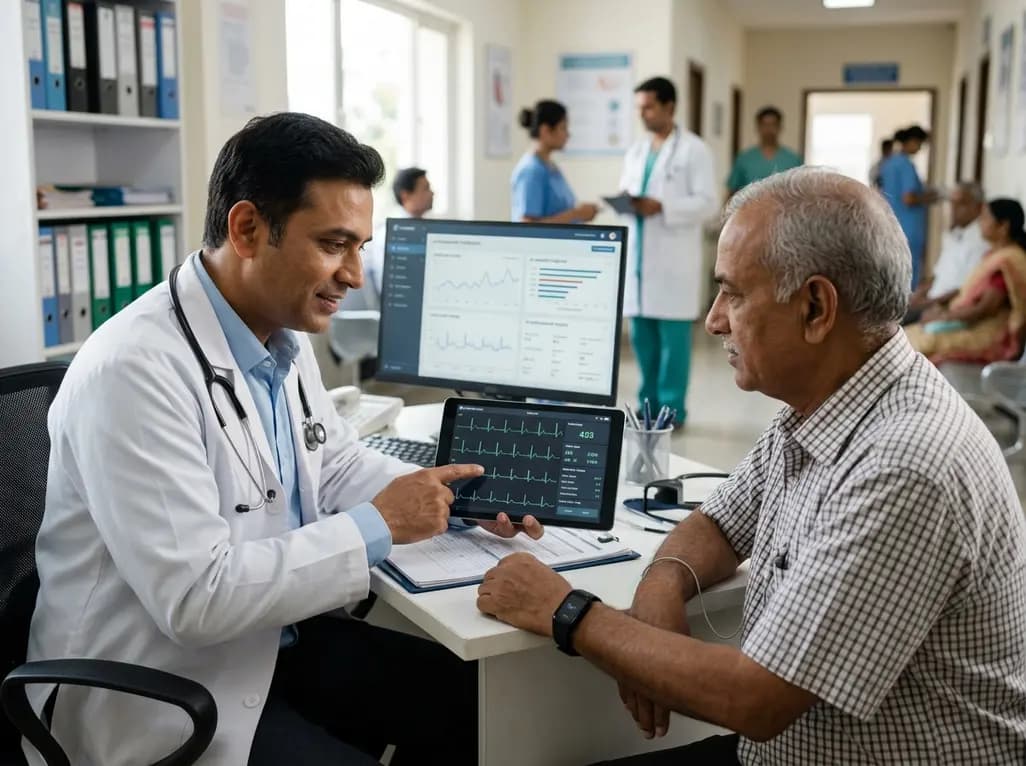
Cardiovascular medicine is undergoing a profound digital transformation as clinician workflows shift from episodic in-clinic visits toward proactive disease prevention. Historically, physicians relied on intermittent snapshots such as routine blood pressure checks and standard twelve-lead electrocardiograms to evaluate cardiovascular health. However, these brief office assessments frequently fail to capture transient abnormalities like paroxysmal arrhythmias or fluctuating hemodynamic instability. Consequently, remote patient monitoring has emerged as an essential tool that extends physiological oversight directly into daily life. Modern sensor technologies enable clinicians to observe longitudinal biological trends rather than isolated metrics. Devices now continuously record heart rate variability, arterial stiffness, peripheral perfusion, and physical activity during regular daily routines. Furthermore, the convergence of miniaturized hardware and high-throughput wireless networks allows these biometrics to reach clinical teams seamlessly. Therefore, physicians gain unprecedented visibility into ambulatory patient trajectories. This continuous surveillance facilitates early clinical decision-making before overt symptomatic deterioration occurs. In addition, patients experience increased engagement when observing their physiological trends in real time. Ultimately, this paradigm shift bridges traditional clinical environments and community-based health maintenance, establishing a durable foundation for personalized, preemptive cardiovascular management.
Modern digital cardiology organizes continuous surveillance within a structured three-stage framework comprising continuous surveillance, diagnostic adjudication, and clinical intervention. During the initial surveillance phase, passive sensors noninvasively collect high-density physiological signals without requiring active patient effort. For example, wristbands and adhesive dermal patches continually record photoplethysmographic pulses and cutaneous temperature. Subsequently, intelligent processing pipelines screen these massive streaming datasets to identify subtle statistical anomalies. In the second stage, diagnostic platforms convert ambiguous raw biometrics into definitive clinical conclusions. Advanced algorithms analyze atypical waveform morphology, distinguishing true paroxysmal atrial fibrillation from motion artifacts and electrical interference. Consequently, medical teams receive actionable diagnostic alerts rather than unmanageable noise. Finally, the intervention stage closes the therapeutic loop by translating verified diagnostic alerts into timely medical actions. For instance, physicians can remotely titrate diuretic dosages when sensors detect early thoracic fluid accumulation in heart failure patients. In severe clinical scenarios, automated systems like wearable cardioverter-defibrillators can autonomously deliver emergency shocks during sustained ventricular tachyarrhythmias. Thus, this three-stage continuum ensures that longitudinal data streams effectively guide decisive, evidence-based therapy.
The technological landscape of remote cardiac monitoring has diversified rapidly beyond conventional single-lead electrocardiography. While adhesive electrocardiographic patches remain invaluable for detecting intermittent conduction abnormalities, optical photoplethysmography sensors now facilitate widespread pulse wave analysis. Furthermore, bioimpedance sensors embedded in textile garments evaluate intrathoracic fluid balance, providing timely warnings of impending decompensated heart failure. In addition, mechanical sensing modalities like seismocardiography and ballistocardiography measure minute chest vibrations caused by cardiac ejection and blood acceleration. These biomechanical metrics offer noninvasive assessments of myocardial contractility and stroke volume. Moreover, researchers have recently engineered wearable ultrasound patches capable of imaging deep tissue structures continuously during daily movement. These flexible acoustic transducers monitor real-time cardiac chamber dimensions and central vascular diameters without requiring stationary hospital ultrasound consoles. Similarly, multimodal sensor fusion combines optical, acoustic, and bioimpedance streams into cohesive hemodynamic profiles. Therefore, medical providers can now evaluate cardiac mechanics, vascular tone, and electrical conduction concurrently. As a result, multi-sensor integration dramatically reduces single-channel diagnostic ambiguity and improves overall clinical specificity.
The massive influx of continuous physiological telemetry requires robust artificial intelligence to extract actionable clinical insights. Because continuous biometric monitoring generates gigabytes of unstructured data per patient weekly, manual review by cardiologists is entirely unfeasible. Fortunately, deep neural networks excel at automated signal denoising, artifact rejection, and complex pattern recognition. Machine learning architectures can process continuous surface electrocardiography to detect subclinical left ventricular dysfunction with high diagnostic precision. Additionally, predictive algorithms evaluate heart rate variability trends and respiratory dynamics to forecast imminent cardiovascular decompensation days before hospital admission. Multimodal artificial intelligence models also integrate continuous wearable biosensor metrics with electronic health records, genomic profiles, and baseline echocardiographic data. Consequently, computational algorithms deliver individualized risk stratifications that reflect comprehensive patient biology. However, algorithmic transparency remains critical for clinical adoption. Physicians must understand how artificial intelligence models derive risk scores to ensure appropriate therapeutic choices. Furthermore, developers must rigorously validate these neural networks across diverse racial and socioeconomic demographics to prevent diagnostic bias. When deployed responsibly, artificial intelligence empowers clinicians to act proactively rather than reactively.
Despite remarkable technological innovation, incorporating wearable sensor data into routine clinical workflows faces substantial logistical obstacles. Primarily, the deluge of raw biometric alerts creates severe cognitive fatigue and administrative strain for practicing cardiologists. Without standardized triage protocols, unvetted consumer notifications can inundate outpatient clinics with false-positive alerts. Therefore, health systems must establish dedicated digital navigation teams and algorithm-driven triage layers before routing notifications to physicians. Moreover, technical interoperability remains a major bottleneck because disparate proprietary platforms rarely communicate smoothly with hospital electronic health records. Regulatory oversight also presents a complex challenge as regulatory authorities distinguish consumer lifestyle gadgets from validated medical-grade devices. Clinicians require robust clinical trial validation confirming that sensor-guided interventions genuinely reduce cardiovascular mortality and readmission rates. Additionally, data security and patient privacy demand stringent protections against unauthorized access to continuous telemetry streams. Finally, health disparities present a critical ethical concern. Unequal access to high-speed internet and expensive smart wearables threatens to widen existing healthcare inequities. Addressing these systemic hurdles is vital to ensure safe, scalable, and equitable implementation.
The global adoption of remote physiological tracking holds immense potential for decentralized cardiovascular care, particularly in high-burden countries like India. In resource-constrained regions, tertiary cardiology centers are often geographically concentrated in urban hubs, leaving rural populations medically underserved. Consequently, wearable diagnostic tools and remote telecardiology networks can bridge these expansive geographic divides effectively. Primary care physicians in community clinics can deploy low-cost biosensors to screen vulnerable populations for undetected hypertension and arrhythmias. Furthermore, local medical teams can transmit equivocal tracings to tertiary electrophysiologists for rapid remote interpretation. This decentralized model facilitates early triage, reduces costly emergency transfers, and optimizes referral pathways for complex coronary revascularization. Additionally, continuous physiological monitoring enhances structured community-based cardiac rehabilitation programs following myocardial infarction. Patients can exercise safely within their domestic environments while cardiologists monitor heart rate reserves and rhythm stability remotely. In conclusion, combining wearable biosensors with intelligent clinical workflows offers an effective pathway to scale equitable cardiovascular prevention worldwide. Healthcare systems should proactively invest in this transformative infrastructure to curb escalating cardiovascular disease mortality.
Continuous biometric tracking detects paroxysmal atrial fibrillation far more effectively than periodic clinic electrocardiograms. Consumer smartwatches and medical-grade patches monitor cardiac rhythms continuously during normal daily living. When photoplethysmography sensors detect pulse irregularities, integrated algorithms promptly prompt the patient to record a single-lead electrocardiogram. This immediate documentation captures asymptomatic, brief arrhythmic episodes that routine Holter monitors frequently miss. Consequently, clinicians can initiate timely oral anticoagulation therapy, significantly reducing the downstream risk of cardioembolic stroke.
Clinicians can mitigate alert fatigue by establishing standardized digital triage protocols and leveraging automated filtering algorithms. Healthcare practices should route incoming sensor data through specialized clinical dashboards rather than direct physician inboxes. Trained nurse navigators or digital health technicians can review flagged notifications, filter out common motion artifacts, and verify true biological anomalies. Consequently, cardiologists receive only verified, clinically urgent abnormalities. This tiered triage framework preserves physician time while ensuring patient safety during ambulatory monitoring.
Medical-grade sensors undergo rigorous clinical trial validation and obtain formal regulatory clearance for diagnostic precision. These devices demonstrate proven analytical accuracy under diverse clinical conditions, including severe movement and skin pigmentation variations. In contrast, commercial fitness trackers primarily focus on general wellness trends and lifestyle tracking without clinical diagnostic guarantees. Therefore, while consumer wearables offer valuable health screening insights, physicians must confirm unexpected diagnostic notifications using calibrated, medical-grade diagnostic equipment before altering clinical therapy.
Disclaimer: This content is for informational and educational purposes only... Refer to the latest local and national guidelines for clinical practice.
References

Read summarized clinical updates, watch expert medical content, and earn CME certifications right from your smartphone.
Open your smartphone camera to scan and install.





Wearable sensors and remote patient monitoring are shifting cardiovascular care from intermittent clinic visits to continuous physiological surveillance. Artificial intelligence and multimodal biosensors now empower earlier diagnosis and targeted interventions for heart disease.
Today
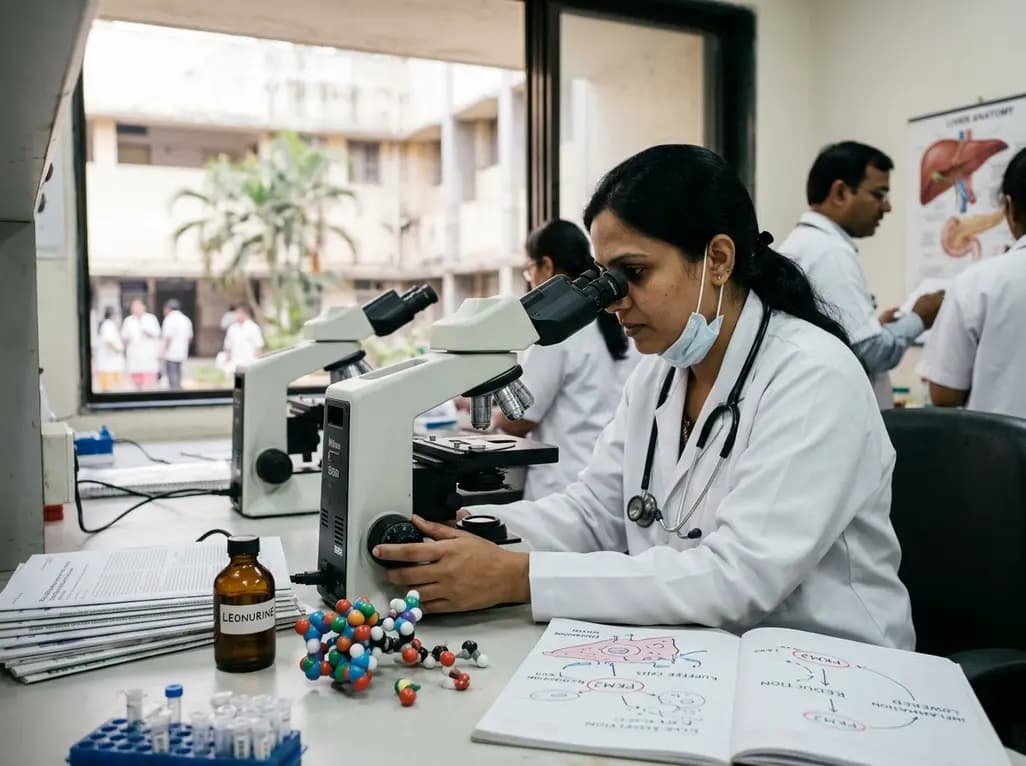
A recent experimental study demonstrates that leonurine attenuates alcoholic hepatitis by suppressing PKM2 and reversing glycolytic reprogramming in hepatic Kupffer cells. This targeted modulation reduces hepatic inflammation and lipid accumulation, offering novel therapeutic avenues for chronic liver injury.
Today

New evidence from Karolinska Institutet shows women vaccinated against HPV prior to conception have significantly lower rates of preterm birth and major perinatal complications. Clinicians in India can leverage these findings to strengthen adolescent immunisation and reproductive health advocacy.
Today
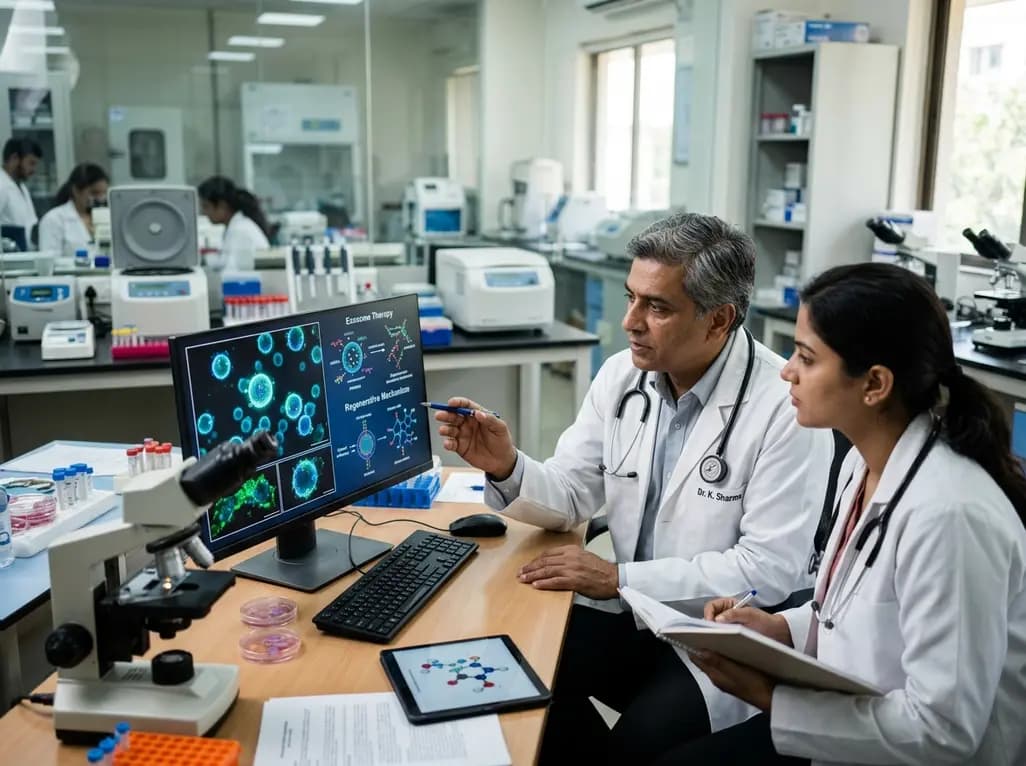
Stem cell-derived exosomes offer a cell-free therapeutic paradigm in regenerative medicine, providing potent immunomodulatory and trophic benefits with minimal immunological risk. Discover their biological cargo, translational hurdles, and clinical implications across disciplines.
Today
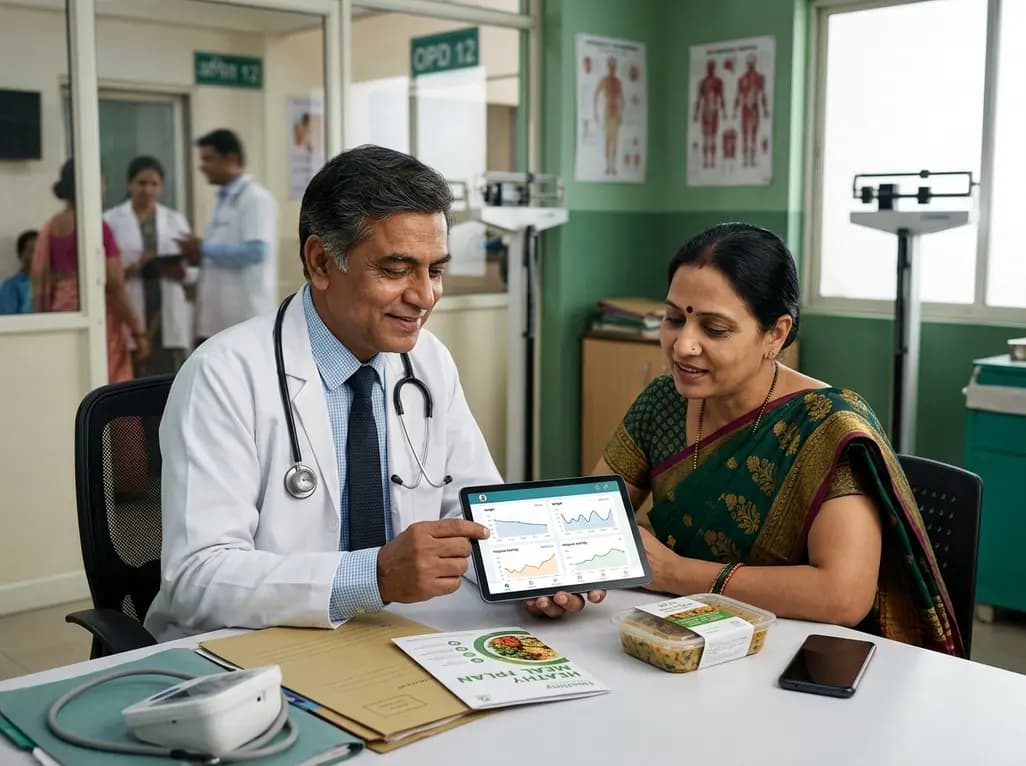
A pilot randomized trial demonstrates that digital wellness applications and medically tailored meals significantly attenuate rapid weight regain following GLP-1 receptor agonist discontinuation, providing valuable transitional support for long-term obesity management.
Today
