.webp&w=384&q=75)

Loading, please wait...
Loading, please wait...
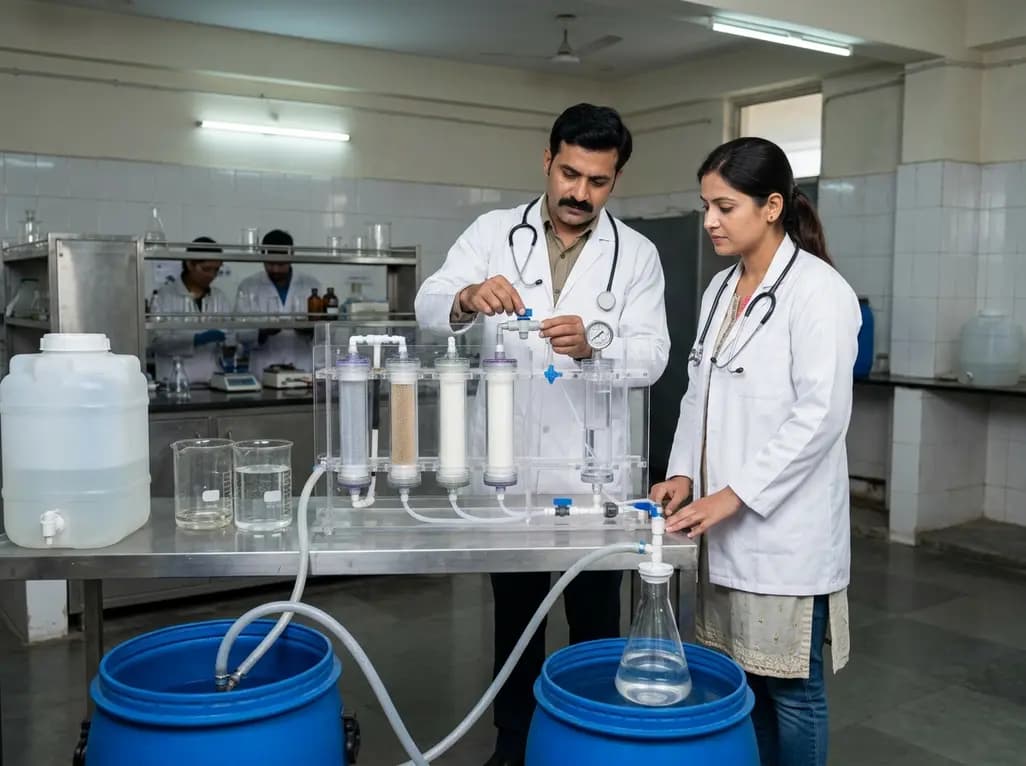
Safe and reliable treated water systems represent the backbone of modern public health infrastructure. However, these systems remain susceptible to various forms of contamination, whether through accidental failures or intentional interference. Rapidly identifying water-transmitted pathogens and biological agents is therefore essential for effective emergency response. Recent research highlights the water processing protocol (WPP) as a critical tool for detecting these threats. This method utilizes large-volume dead-end ultrafiltration to capture biological materials ranging from large parasites to microscopic toxins. Because the approach is pathogen agnostic, it provides a versatile solution for health authorities when the specific nature of a contaminant is initially unknown. By providing a standardized framework for recovery and concentration, the WPP ensures that diagnostic teams have high-quality samples to perform necessary assays during an unfolding crisis.
The core of the water processing protocol involves two distinct workflows designed for different sampling scenarios. In field-based operations, the protocol can process up to 100 liters of water concentrated via specialized ultrafilters. Alternatively, laboratories can use 1-liter grab samples for smaller-scale analysis. The ultrafiltration process relies on size selection, ensuring that even the smallest biological agents are trapped for later elution. This method is particularly valuable because it does not require prior knowledge of the target pathogen, allowing for a comprehensive screening of various biological threats. The adaptability of the WPP makes it suitable for diverse environmental conditions and laboratory capabilities. Consequently, public health entities can maintain a high state of readiness, knowing they possess the technology to isolate virtually any biological agent that might compromise a water supply.
To ensure global reliability, a multi-laboratory validation study was recently conducted involving five state public health laboratories in collaboration with the CDC. This study followed intensive training exercises to ensure all participants could execute the water processing protocol with precision. The performance of the method was evaluated based on the percent recovery of specific seeded targets, including B. anthracis and MS2 coliphage. Results indicated a robust recovery efficiency of approximately 50% across different filter types. This consistency across multiple laboratory environments underscores the reproducibility of the WPP. Furthermore, the inclusion of a bridging study provided insights into the resilience of the supply chain. By testing ultrafilters from various manufacturers, researchers confirmed that the protocol remains effective even when primary equipment sources are disrupted, which is a common occurrence during large-scale public health emergencies.
The choice of hardware significantly influences the outcome of the water processing protocol. During the bridging study phase, researchers compared different ultrafilter manufacturers, including the REXEED-25S, ELISIO-25H, and Xevonta Hi 23 models. Interestingly, the ELISIO-25H demonstrated slightly superior performance regarding the recovery of B. anthracis. Beyond pure metrics, laboratory participants reported a more favorable user experience with the ELISIO-25H compared to the Xevonta Hi 23 filters. Such practical considerations are vital in high-stress emergency scenarios where ease of use can minimize procedural errors. While the WPP is compatible with various filters, identifying those that offer both higher recovery and better usability helps organizations refine their procurement strategies. This technical evaluation ensures that response teams are equipped with the most efficient tools for environmental monitoring and pathogen detection.
Implementing the water processing protocol is more than a technical upgrade; it is a strategic investment in public health resilience. The ability to quickly and accurately concentrate pathogens from large volumes of water allows for faster identification of outbreaks. This speed is critical for initiating prompt remediation efforts and issuing public health advisories. Moreover, the agnostic nature of the protocol ensures that emerging or rare biological threats are not overlooked by traditional, targeted testing methods. As water systems face increasing pressures from urbanization and climate change, having a validated, multi-laboratory supported method like the WPP is indispensable. It provides a bridge between field sampling and high-tech laboratory analysis, ensuring that the transition from a suspected contamination event to a confirmed diagnosis is as seamless and efficient as possible.
In summary, the water processing protocol serves as an essential pillar for safeguarding public water systems. The successful multi-laboratory performance study validates its utility as a reliable, pathogen-agnostic method for agent recovery. By achieving consistent recovery rates across varied hardware and laboratory settings, the WPP offers a dependable roadmap for emergency response teams. The ongoing evaluation of ultrafilter manufacturers further ensures that the method is supported by a robust and diverse supply chain. Ultimately, the adoption of these standardized concentration techniques enhances the capacity of public health laboratories to respond to waterborne threats, thereby protecting communities from the potentially devastating effects of contaminated water supplies. Continuous training and the integration of user-friendly technology will further solidify the effectiveness of these life-saving diagnostic frameworks in the years to come.
The protocol is uniquely pathogen agnostic, meaning it does not require prior identification of the contaminant to be effective. Unlike traditional targeted tests that only look for specific bacteria or viruses, this method uses physical size selection to capture everything from large parasites to small toxins. This allows health officials to cast a wide net during the initial stages of a contamination investigation, ensuring no biological threat is missed due to narrow testing parameters.
Pathogens are often present in very low concentrations in large water systems, making them difficult to find in standard 1-liter samples. By using large-volume dead-end ultrafiltration, the protocol concentrates the biological material from up to 100 liters of water into a much smaller volume. This process significantly increases the density of any present pathogens, which in turn enhances the sensitivity of subsequent diagnostic assays, such as PCR or culture-based methods, leading to more reliable detection.
A bridging study was conducted to evaluate the performance of different ultrafilter brands and ensure the protocol's robustness. In an emergency, supply chains for specific medical or laboratory equipment can often fail or become overwhelmed. By testing and validating multiple filter manufacturers like ELISIO and REXEED, researchers ensured that the protocol remains functional regardless of specific hardware availability. This strategy guarantees that public health laboratories can continue to operate effectively even during severe resource shortages.
Disclaimer: This content is for informational and educational purposes only and does not constitute medical or legal advice. The technologies and protocols described should be implemented by trained professionals according to established institutional safety standards. Refer to the latest local and national guidelines for clinical practice.
References
Kahler A et al. A pathogenic agnostic water processing method using large-volume dead-end ultrafiltration: A multi-laboratory performance study. J Microbiol Methods. 2026 Jul 21. doi: undefined. PMID: 42480166.
Smith MS, Hill VR. Dead-end hollow-fiber ultrafiltration for recovery of diverse microbes from water. Appl Environ Microbiol. 2009;75(16):5284-5289. doi:10.1128/AEM.00456-09.
Mull B, Hill VR. Recovery of diverse microbes in high turbidity surface water samples using dead-end ultrafiltration. J Microbiol Methods. 2012;91(3):429-433. doi:10.1016/j.mimet.2012.09.014.

Read summarized clinical updates, watch expert medical content, and earn CME certifications right from your smartphone.
Open your smartphone camera to scan and install.





A new multi-laboratory study validates a pathogenic agnostic water processing method using dead-end ultrafiltration. Demonstrating 50% recovery for diverse agents, this protocol enhances public health readiness for remediating waterborne outbreaks and intentional contamination events.
3 months ago
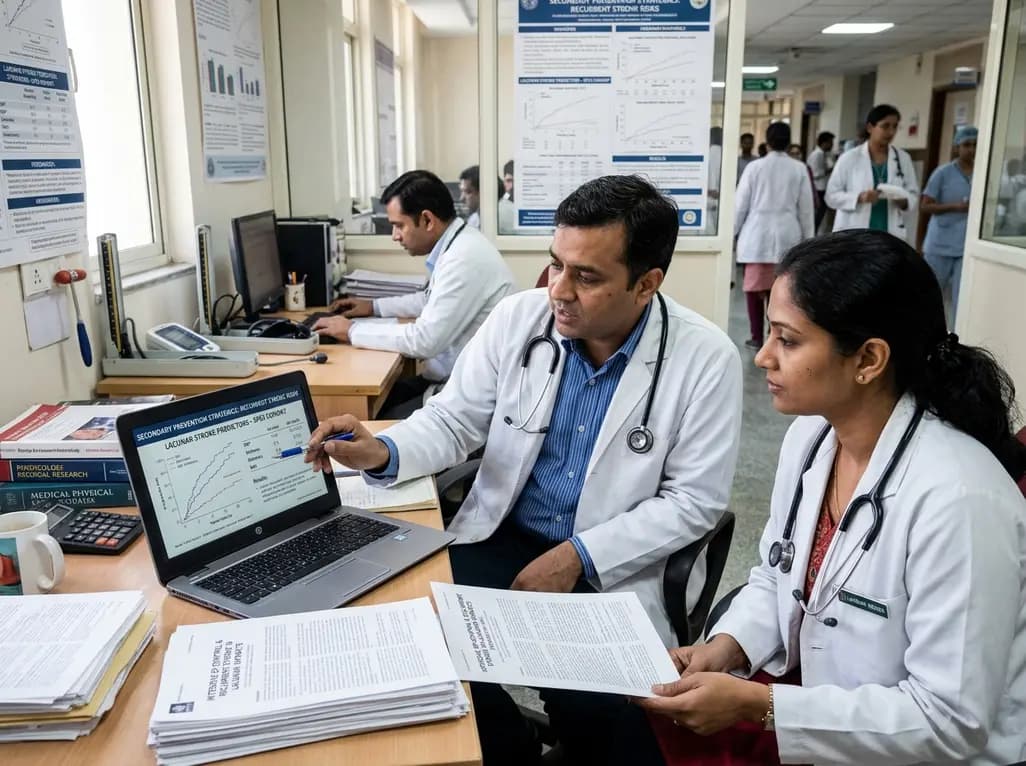
Explore vital recurrent stroke predictors in lacunar stroke patients managed with intensive blood pressure lowering. This analysis examines trial findings from SPS3 to uncover residual vascular risks, metabolic factors, and targeted secondary prevention strategies for high-risk neurological patients.
Today
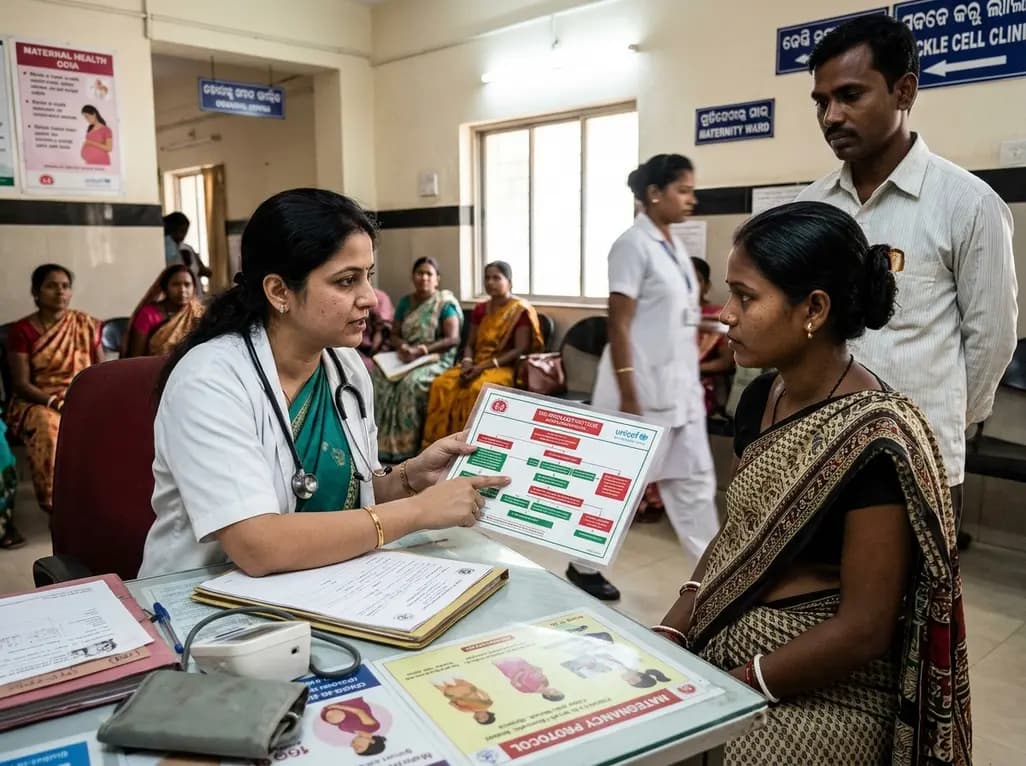
Odisha has established India's first state-level clinical protocol specifically tailored for pregnant women with sickle cell disease. Developed with NHM and UNICEF, the framework provides structured antenatal screening, crisis mitigation, standardized referral pathways, and specialized interdisciplinary care.
Today

The Directorate General of Health Services directs Indian states to halt the hazardous reuse and reprocessing of single-use medical devices. Discover regulatory implications under the Drugs and Cosmetics Act, critical infection risks, legal liabilities, and operational changes required across clinical specialties.
Today

Mitochondria-targeted nanoparticles self-assembled from EGCG and L-glutamic acid effectively restore mitochondrial homeostasis, suppress synovial inflammation, and attenuate chondrocyte senescence in osteoarthritis, offering a promising disease-modifying nanotherapy.
Today

India is advancing preventive healthcare by integrating genomics, artificial intelligence, and quantum technologies. With the SANGAM programme sequencing one million Indian genomes, clinicians can unlock personalized therapies, detect cardiometabolic risks early, and curb the burden of diabetes and heart disease.
Today
