.webp&w=384&q=75)

Loading, please wait...
Loading, please wait...

Modern emergency departments present rapid clinical challenges where clinicians work under intense operational stress. Senior doctors regularly balance diagnostic evaluations, acute resuscitations, bed management, and discharge determinations. Consequently, understanding the exact volume of choices clinicians execute is vital for workforce planning. A landmark observational study from the United Kingdom evaluated the feasibility of prospectively recording senior clinician choices during active shifts. The research investigated real-time emergency physician decision making across varied operational hours to assess cognitive demand and workflow stress.
Historically, administrators estimated clinical workload using patient census figures and triage acuity levels. However, these traditional metrics overlook the hidden mental processing required during clinical triage and operational management. To evaluate these demands directly, investigators conducted a prospective observational feasibility study across two district general hospitals within the Sandwell and West Birmingham NHS Trust. Senior clinicians, including consultants, registrars, and senior associate specialists, recorded their professional choices during everyday shifts.
Remarkably, clinicians tracked 5,180 distinct clinical and managerial determinations across 504 cumulative observation hours. This extensive documentation established an overall baseline rate of 10.3 distinct decisions per hour. Therefore, an active clinician executed an average of one high-stakes determination every six minutes throughout their shift. These choices encompassed diagnostic choices, therapeutic prescriptions, disposition choices, and acute operational assignments. By capturing every discrete clinical event, the investigation successfully demonstrated that prospective tracking provides accurate objective measurements of acute cognitive work.
Tracking rapid clinical reasoning without disrupting acute care requires lightweight, non-intrusive data collection tools. Consequently, researchers supplied senior doctors with compact handheld tally counters. Clinicians clicked the device each time they completed a diagnostic, therapeutic, or disposition choice. Furthermore, participants recorded operational choices, such as bed allocation requests and departmental transfer protocols.
Data collection spanned three standardized hospital working blocks: day shifts from 08:00 to 16:00, evening shifts from 16:00 to 22:00, and night shifts from 22:00 to 08:00. Subsequently, investigators utilized Poisson regression models, implementing observation time as an offset variable to compare hourly activity rates across work shifts. Additionally, the researchers performed extensive sensitivity analyses to confirm data consistency across hospital locations and clinical grades. Most importantly, senior emergency physicians integrated the recording tool smoothly into their clinical routines without compromising patient attention.
The study demonstrated profound variations in workload velocity across different shift periods. While daytime rotas averaged 9.6 decisions per hour and night rotas recorded 9.4 decisions per hour, evening rotas exhibited an intense surge. Specifically, senior physicians recorded 12.6 decisions per hour between 16:00 and 22:00. This increase represents a substantial 30% surge over daytime and nocturnal baselines.
Moreover, sensitivity testing confirmed that this evening acceleration occurred consistently at both hospital sites. Several converging operational factors drive this pronounced peak. Typically, primary care clinics close during late afternoon hours, redirecting undifferentiated patient volume toward emergency facilities. Simultaneously, inpatient hospital discharges slow down during twilight hours, leading to significant boarding in corridors. Consequently, senior emergency physicians must constantly triage incoming ambulances while troubleshooting delayed inpatient admissions and supervising junior medical staff. These simultaneous burdens dramatically accelerate cognitive demands during twilight hours.
The finding that senior emergency physicians render one decision every five minutes during evening shifts carries severe clinical safety implications. High decision velocity rapidly drains executive cognitive reserves. When cognitive load exceeds optimal physiological thresholds, clinicians experience decision fatigue, which heightens the risk of diagnostic oversight, unnecessary prescribing, and defensive investigations.
Furthermore, acute cognitive overload accelerates emotional exhaustion and occupational burnout among senior emergency staff. Chronic stress reduces clinical resilience and impairs diagnostic precision during complex resuscitations. When senior clinicians must divide their mental focus across diagnostic formulation, family communication, and bed management, diagnostic accuracy inevitably falters. Healthcare systems must therefore treat physician cognitive bandwidth as a finite, precious clinical resource that directly influences diagnostic accuracy and healthcare efficiency.
Although this study originated in the United Kingdom, its operational implications are profoundly relevant to emergency medicine in India. Indian emergency departments regularly encounter massive patient volumes, self-referred ambulatory cases, and severe bed shortages. In major Indian public and private hospitals, evening shifts similarly witness extreme patient influxes as daytime outpatient clinics conclude.
Consequently, Indian emergency physicians encounter intense decision fatigue without adequate administrative buffering. Healthcare administrators across India can apply these insights by redesigning clinical rotas around peak decision intervals rather than simple patient headcounts. For example, implementing overlapping twilight shifts and deploying additional senior staff during evening surges can effectively reduce individual decision density. In addition, hospitals can integrate digital decision-support systems and clinical scribes to offload mundane administrative tasks, preserving physician cognition for high-acuity resuscitation.
Evening shifts experience elevated decision rates primarily due to overlapping operational bottlenecks. Primary care clinics close in the late afternoon, sending unscheduled patient surges directly to acute hospital departments. Simultaneously, inpatient ward discharges plateau, creating severe bed boarding. Consequently, senior physicians must manage incoming patient evaluations while simultaneously troubleshooting departmental bed flow, which dramatically increases hourly diagnostic and administrative determinations.
Cognitive overload impairs working memory and diminishes executive processing capacity among treating clinicians. When physicians face unrelenting decision velocity without adequate cognitive rest, decision fatigue quickly ensues. This physiological exhaustion increases diagnostic errors, spurs defensive medical testing, and increases inappropriate antibiotic or sedative prescribing. Therefore, sustained mental strain directly threatens diagnostic precision, timely resuscitation, and overall patient outcomes.
Handheld tally counters offer an unobtrusive, practical method for recording real-time clinical activity in fast-paced emergency settings. Because they require minimal mechanical effort, clinicians can log diagnostic, therapeutic, and disposition determinations without interrupting urgent resuscitations. While tally counters cannot capture the complexity of each individual determination, they provide reliable quantitative data regarding overall cognitive density.
Disclaimer: This content is for informational and educational purposes only and should not be considered medical advice. Always consult a qualified healthcare professional regarding any medical condition or treatment. Refer to the latest local and national guidelines for clinical practice.
References

Read summarized clinical updates, watch expert medical content, and earn CME certifications right from your smartphone.
Open your smartphone camera to scan and install.





A feasibility study in two NHS emergency departments tracked 5,180 real-time decisions made by senior emergency physicians. Results reveal significant variation across shifts, peaking at 12.6 decisions per hour during evening rotas, highlighting critical operational pressures and cognitive demands.
Today
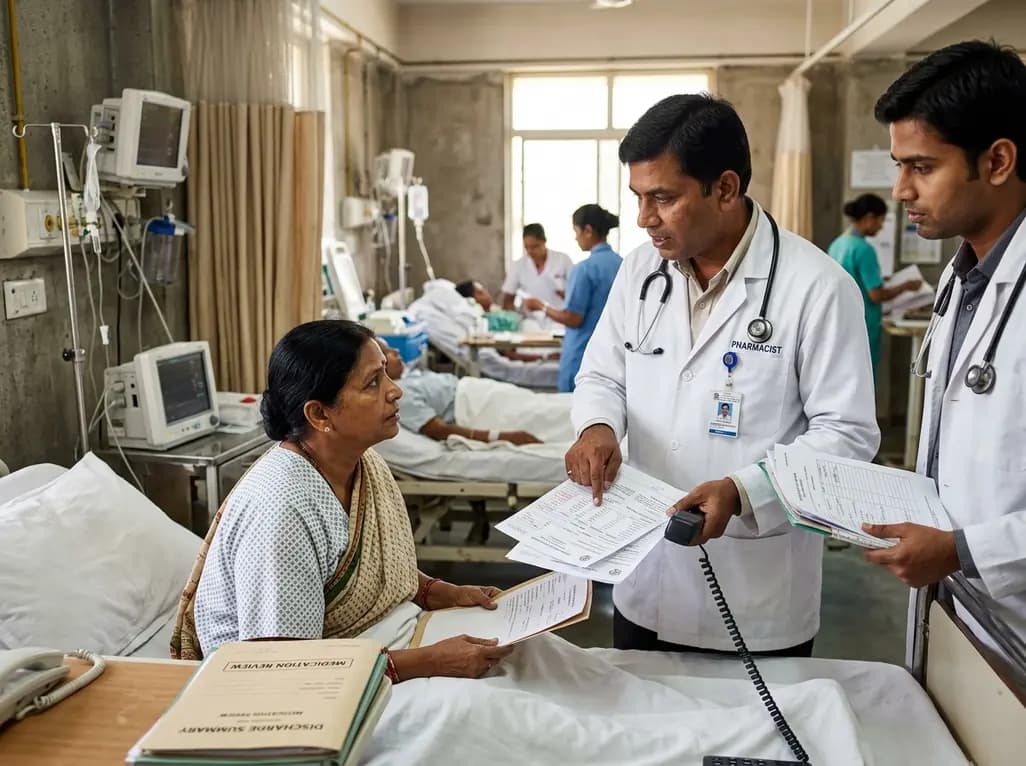
A retrospective cohort study demonstrates that comprehensive pharmacy transitions of care—including admission medication history, discharge review, and 72-hour telephone follow-up—significantly reduced 30-day readmission rates in acute care patients, highlighting the value of pharmacist-led clinical interventions.
Today
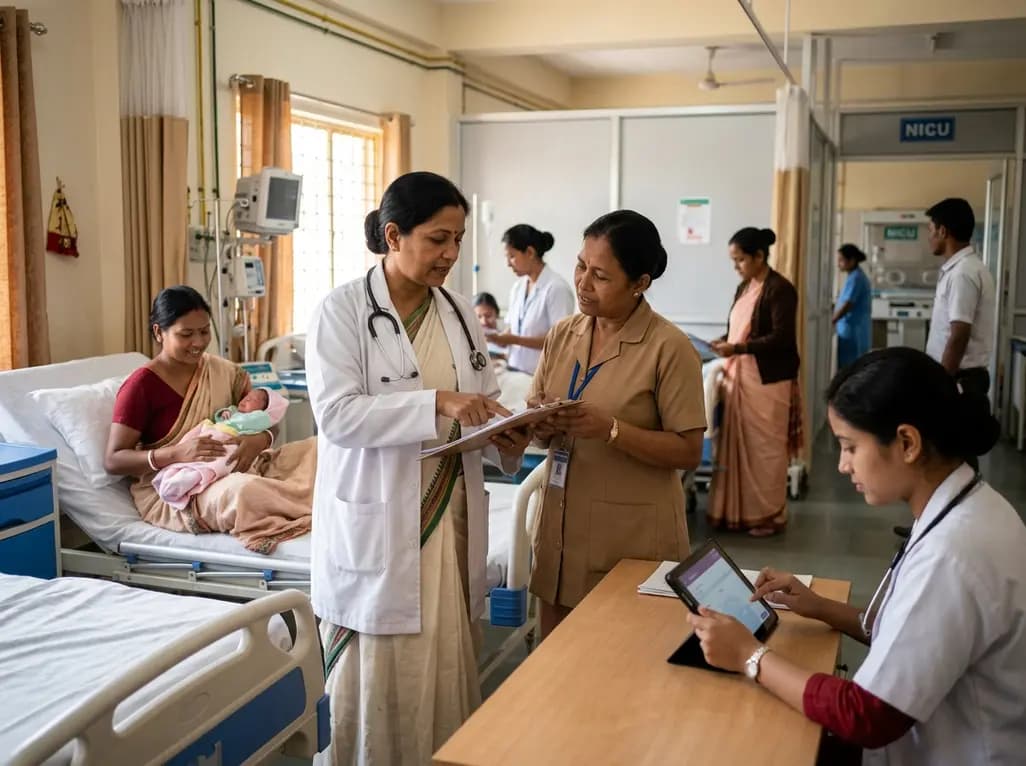
Meghalaya recorded a historic 55% reduction in maternal deaths, dropping from 244 to 107 over five years. Through the MOTHER app, dedicated transit homes, and expanded infrastructure like the 150-bed Tura Maternity Hospital with its first public NICU, the state demonstrates an effective public health model.
Today
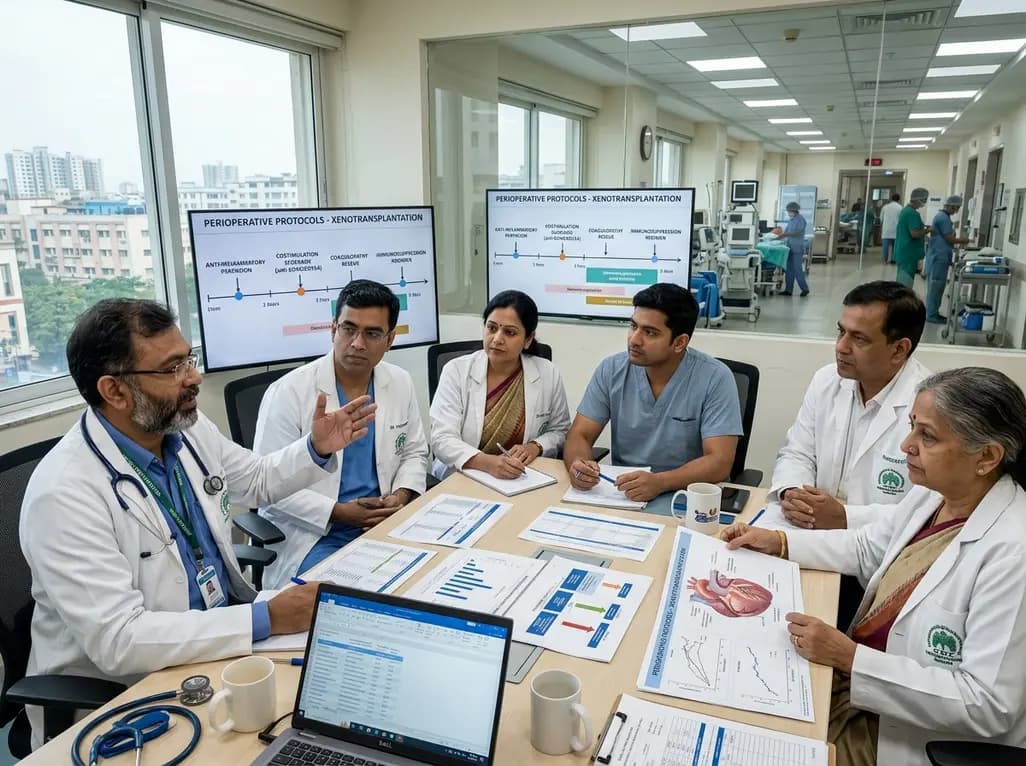
Explore modern perioperative management protocols for clinical xenotransplantation. Learn how costimulation blockade, anti-inflammatory perfusion, and coagulopathy rescue overcome interspecies hurdles.
Today
A systematic review explores basivertebral nerve anatomy and its pivotal role in vertebrogenic pain. Learn how endplate inflammation and Modic changes inform targeted radiofrequency ablation.
Today
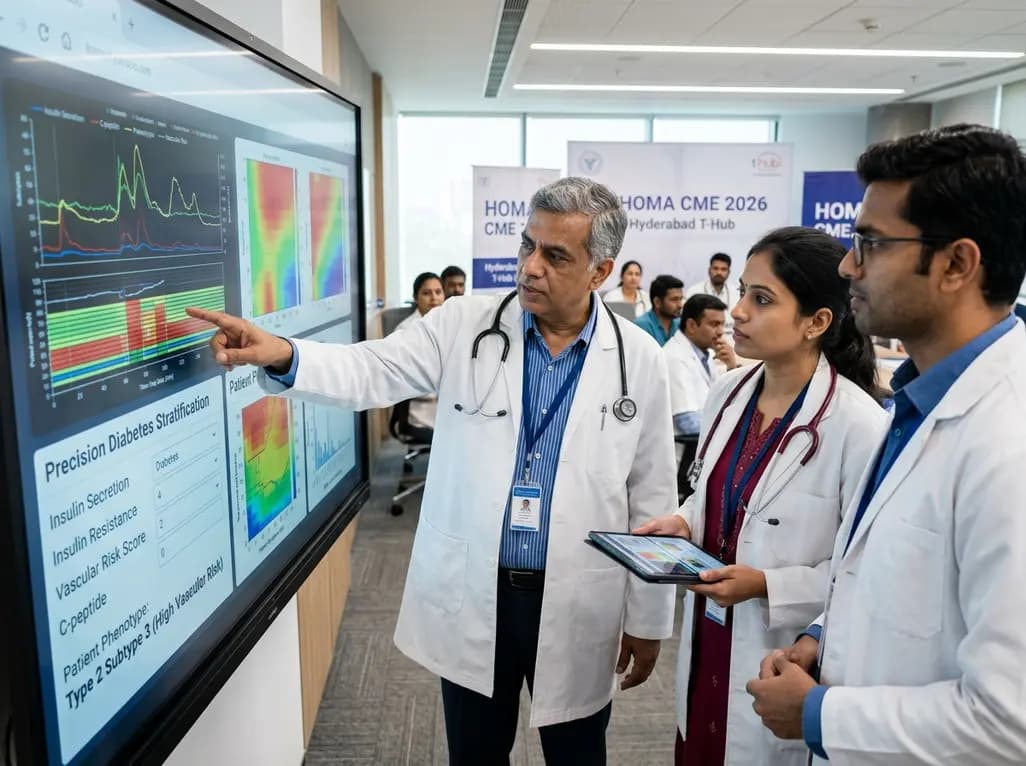
At Homa CME 2026 at Hyderabad's T-Hub, healthcare leaders emphasized moving beyond routine metrics through digital calculators and precision stratification. Discover why characterizing individual insulin secretion, resistance patterns, and vascular risks transforms chronic metabolic care in India.
Today
