.webp&w=384&q=75)

Loading, please wait...
Loading, please wait...
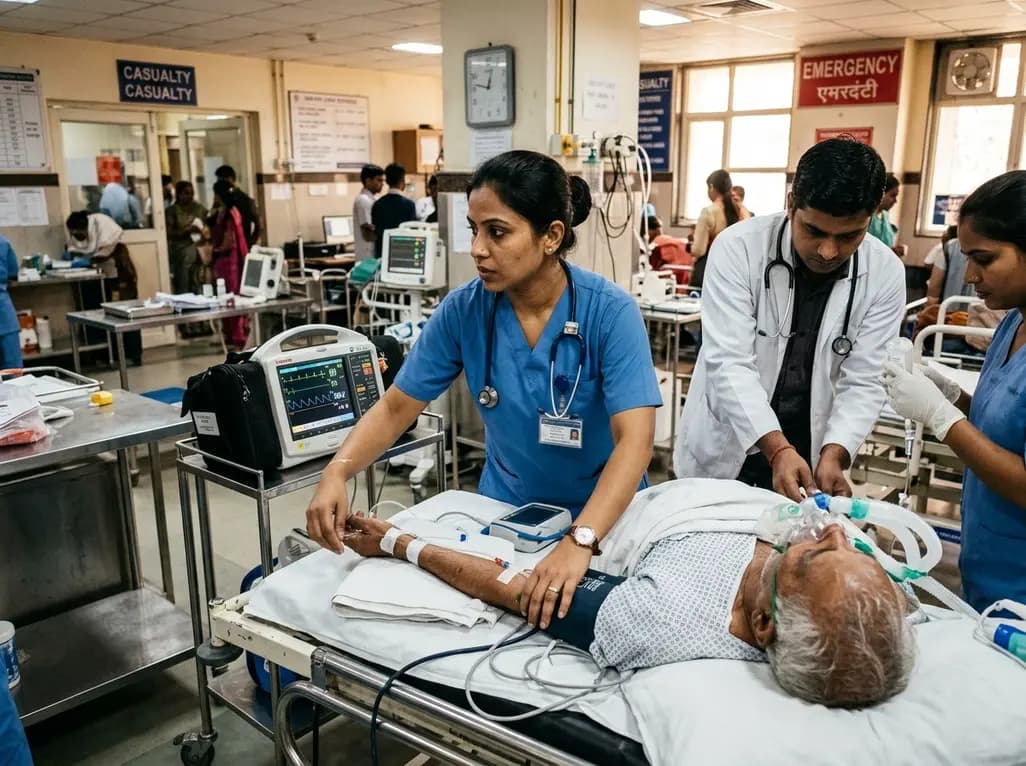
During acute clinical emergencies, the emergency nursing golden hour represents the decisive window that shapes patient survival and long-term recovery. When severe polytrauma, acute coronary syndromes, or catastrophic strokes strike, every minute lost compounds physiological deterioration. Magnet Hospitals recently launched their 'Golden Hour Recognition' initiative in Bengaluru ahead of Emergency Nurses Day. This vital campaign underscores the critical role of frontline nurses during the initial sixty minutes of emergency presentation. In most emergency departments, specialized nursing professionals serve as the initial point of diagnostic contact. Consequently, their rapid evaluation, clinical precision, and immediate interventions establish the trajectory of patient stabilization before tertiary surgical or intensive teams take over.
The concept of the golden hour originates from trauma medicine, where rapid intervention prevents irreversible cellular hypoxia and metabolic collapse. During severe physiological stress, hypoperfusion quickly initiates the lethal triad of hypothermia, severe acidosis, and progressive coagulopathy. If clinicians fail to restore tissue oxygenation rapidly, microvascular failure and multi-organ dysfunction syndrome inevitably follow. Therefore, immediate therapeutic action within the first sixty minutes prevents compensatory circulatory mechanisms from failing entirely.
Furthermore, this time-sensitive imperative applies equally to non-traumatic medical emergencies. For instance, acute myocardial infarction requires immediate coronary reperfusion to prevent permanent transmural muscle necrosis. Similarly, acute ischemic stroke demands prompt thrombolytic therapy or mechanical thrombectomy before penumbral brain tissue dies permanently. In addition, severe sepsis necessitates rapid fluid resuscitation and prompt antimicrobial therapy before septic shock triggers refractory vasoplegia.
As a result, modern emergency clinical teams treat time as a perishable biological resource. Every stage of initial evaluation must deliberately minimize door-to-needle, door-to-balloon, and door-to-operating-room intervals. When hospital departments implement standardized rapid-response pathways, patient morbidity declines significantly across diverse demographic groups. Thus, clinical success hinges upon synchronized initial interventions executed without hesitation.
Within emergency medicine units, the emergency nursing golden hour protocol establishes an organized workflow to manage clinical chaos. When acute casualties arrive at hospital bays, emergency nurses immediately perform rapid triage assessments. They utilize standardized triage algorithms, such as the Emergency Severity Index or the Manchester Triage System, to categorize clinical urgency within seconds. Consequently, these skilled nursing professionals distinguish subtle life threats from stable presentations before diagnostic laboratory tests conclude.
In addition, emergency nurses secure patent airways, establish large-bore intravenous access, and initiate continuous hemodynamic telemetry without delay. They draw essential diagnostic blood samples, record baseline twelve-lead electrocardiograms, and administer urgent pharmacotherapy according to evidence-based standing medical directives. Because physiological instability evolves unpredictably, nurses continuously re-evaluate vital parameters to detect insidious deterioration. For example, a sudden drop in end-tidal carbon dioxide or rising tachypnea signals impending cardiovascular collapse.
Moreover, experienced nurses anticipate critical procedural requirements before attending physicians even vocalize them. They prepare rapid sequence intubation supplies, configure massive transfusion apparatus, and prime arterial line transducers. By orchestrating these complex technological interventions swiftly, emergency nurses convert chaotic crisis moments into highly structured clinical rescues. Their clinical vigilance reliably bridges the crucial gap between initial triage and definitive medical management.
Effective emergency care requires meticulous prioritization of clinical actions during unpredictable mass casualty scenarios or busy shifts. Emergency nurses apply the universal ABCDE assessment framework—evaluating Airway, Breathing, Circulation, Disability, and Exposure. By methodically proceeding through this sequence, clinicians address immediate life-threatening pathologies before investigating secondary anatomical injuries. Therefore, respiratory compromise and active arterial hemorrhage receive immediate corrective therapy upon department entry.
Meanwhile, acute resuscitation demands rapid implementation of targeted volume management. In severe trauma cases, emergency nurses enforce damage-control resuscitation principles, avoiding excessive crystalloid infusions that worsen coagulopathic bleeding. Instead, they facilitate rapid access to balanced blood products and tranexamic acid within early resuscitation protocols. Similarly, in neurotrauma presentations, nursing teams actively prevent secondary brain injury by maintaining cerebral perfusion pressure and avoiding hypoxia.
Furthermore, accurate bedside documentation remains crucial throughout rapid stabilization. Nurses maintain precise records of fluid administration, medication timing, and neurological Glasgow Coma Scale trends. This clear clinical documentation ensures seamless communication when handoffs occur between emergency teams, trauma surgeons, and intensive care specialists. Ultimately, structured stabilization strategies eliminate clinical ambiguity, reduce handoff errors, and guarantee consistent therapeutic momentum during critical intervals.
Beyond executing complex procedural interventions, emergency nurses shoulder substantial emotional and relational responsibilities during clinical crises. When catastrophic illness strikes suddenly, family members often experience severe emotional distress, terror, and confusion. Emergency nurses establish compassionate, clear communication channels with anxious relatives while sustaining relentless clinical vigilance. Therefore, they convey vital diagnostic updates with empathy, demystifying intimidating resuscitation suites and technical medical jargon.
In addition, emergency nurses master crisis resource management within the high-acuity resuscitation bay. They maintain open situational awareness, utilize closed-loop communication techniques, and practice mutual cross-checking with attending physicians. If unexpected physiological changes occur, nurses speak up immediately using standardized safety communication tools. Consequently, this collaborative professional assertiveness prevents adverse medication errors and mitigates human operational failures under severe pressure.
Moreover, emergency nurses cultivate psychological safety for their interdisciplinary teammates during intense clinical encounters. They actively manage high-stress team dynamics, debrief after difficult cardiac arrests, and support junior colleagues. By balancing precise technical execution with humane emotional stabilization, emergency nurses protect both the physiological stability of the patient and the psychological resilience of families. This humanistic dual focus distinguishes professional emergency nursing as an irreplaceable pillar of hospital care.
Modern healthcare institutions increasingly recognize that emergency nurses are not mere passive task implementers, but indispensable healthcare leaders. As highlighted by the Magnet Hospitals initiative, sustainable emergency healthcare models empower nursing professionals as decision-makers and key stakeholders. When clinical hospital leadership grants emergency nurses autonomous triage authority and protocol-driven order capabilities, emergency department throughput times improve drastically.
Furthermore, robust institutional investment in specialized emergency nursing education pays immense clinical dividends. Hospitals that support certifications, such as trauma nursing core courses and advanced cardiovascular life support, demonstrate reduced inpatient complication rates. Moreover, specialized training programs equip nurses to identify rare, life-threatening conditions like aortic dissection, subtle pulmonary embolism, and occult septic shock. Consequently, advanced clinical competencies elevate quality standards across the entire emergency medicine landscape.
In addition, involving frontline nurses in emergency department administrative policymaking creates more efficient clinical workflows. Because nurses directly navigate bedside operational bottlenecks, their practical insights optimize supply chain logistics, reduce medication delivery delays, and streamline admission pathways. Therefore, forward-thinking hospital administrators must continuously cultivate nursing leadership through shared governance models. Investing directly in emergency nurses strengthens institutional resilience and ensures superior clinical outcomes for vulnerable acute patients.
Q1: Why is the golden hour so critical in emergency medicine?
The golden hour represents the crucial first sixty minutes following acute trauma or medical crisis. During this specific timeframe, physiological compensatory mechanisms attempt to prevent systemic decompensation. Rapid medical interventions—such as restoring tissue perfusion, controlling major bleeding, and reopening occluded vessels—effectively halt irreversible cellular hypoxia and multiorgan failure. Consequently, timely clinical management delivered within this critical window drastically improves overall survival rates, mitigates secondary complications, and accelerates recovery outcomes.
Q2: What primary triage roles do emergency nurses perform during the first hour?
Emergency nurses perform comprehensive initial triage assessments by categorizing clinical acuity using standardized triage systems. They rapidly evaluate vital signs, identify occult life threats, secure venous access, and initiate essential continuous monitoring. Additionally, nurses execute standardized protocolized interventions, including baseline electrocardiograms, point-of-care laboratory analyses, and urgent oxygenation therapy. Their rapid clinical decision-making ensures the immediate mobilization of trauma, cardiac, or stroke resuscitation teams before irreversible physiological collapse occurs.
Q3: How does nurse-led protocol implementation enhance emergency care efficiency?
Nurse-led protocols empower emergency nursing professionals to initiate diagnostic investigations and supportive stabilization therapies immediately upon patient arrival. By bypassing bureaucratic delays, these standardized algorithms drastically shorten door-to-treatment intervals for acute conditions like sepsis, stroke, and myocardial infarction. Furthermore, protocolized nursing care standardizes clinical responses, minimizes human error under severe pressure, enhances multidisciplinary communication, and significantly reduces overall emergency department boarding times for critically ill patients.
Disclaimer: This content is for informational and educational purposes only. It does not constitute medical advice or replace professional judgment. Refer to the latest local and national guidelines for clinical practice.
References

Read summarized clinical updates, watch expert medical content, and earn CME certifications right from your smartphone.
Open your smartphone camera to scan and install.





During critical medical emergencies, rapid clinical decisions dictate patient survival. Emergency nurses act as front-line anchors who initiate rapid triage, guide resuscitation, and stabilize acute physiological trauma during the vital first hour of hospital presentation.
Today
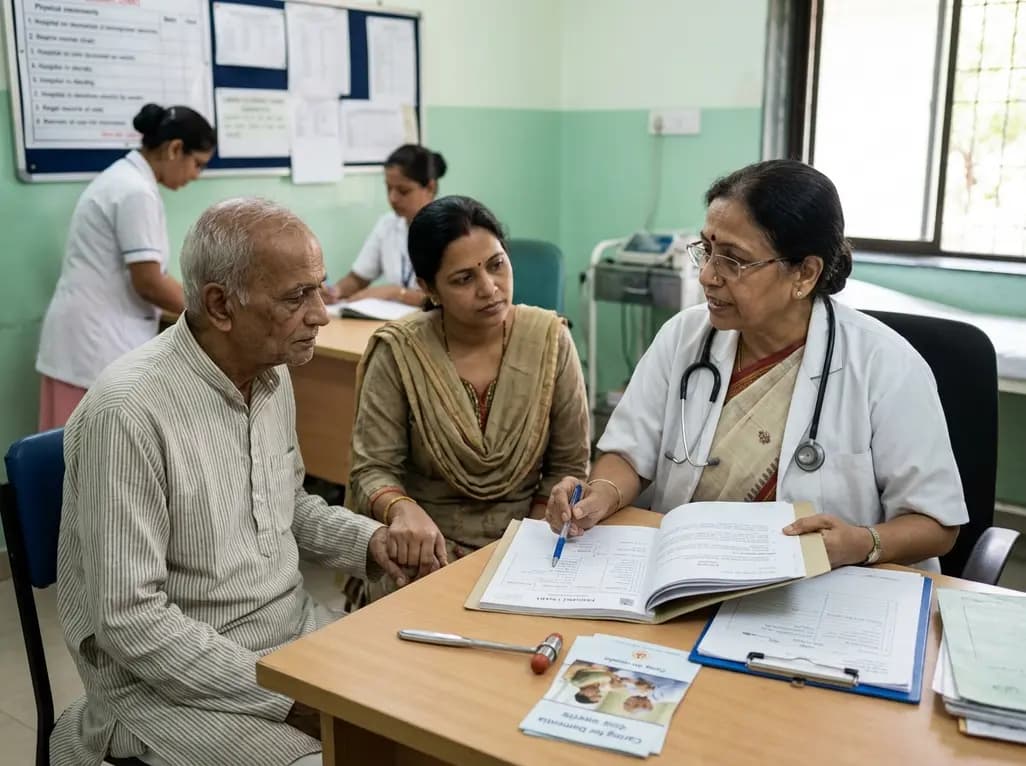
Explore evidence-based recommendations on enteral nutrition in dementia. Understand when tube feeding is appropriate, its risks in advanced neurocognitive disorders, and why individualized oral feeding and caregiver communication remain essential cornerstones of palliative nutritional care.
Today

The government of Maharashtra is establishing a novel state-level Living Lab to elevate clinical outcomes, bridge public-private service gaps, and test real-world health interventions. By integrating digital innovations and frontline feedback, the platform fosters sustainable, equitable care models across communities.
Today
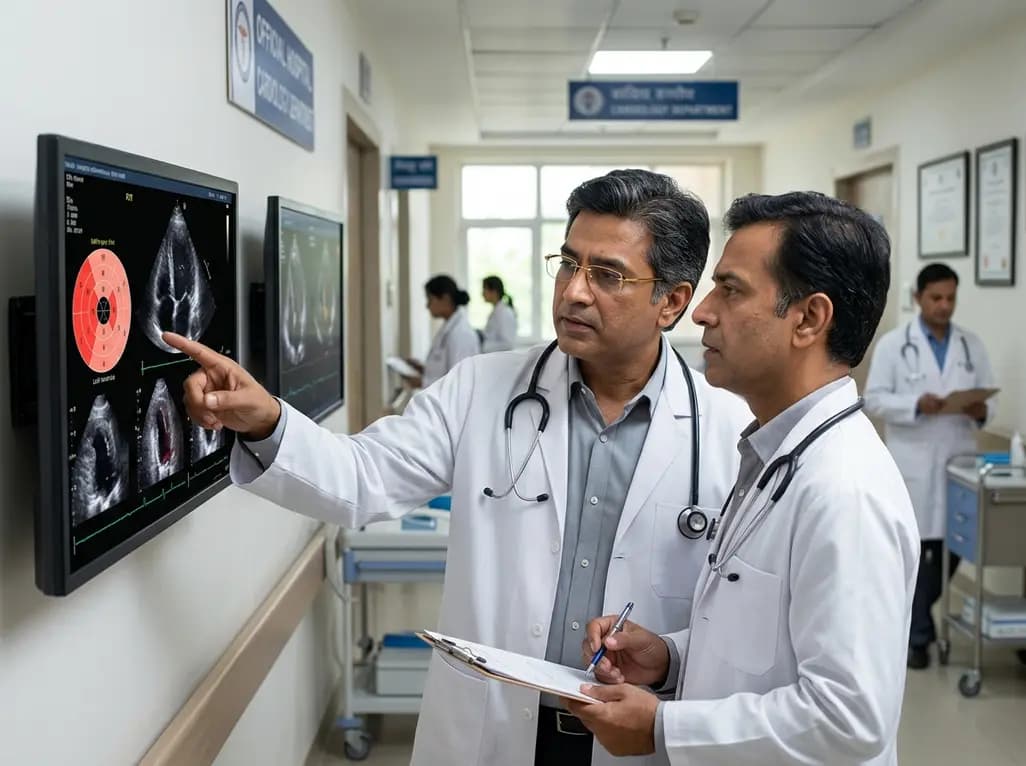
Cardiac involvement is the leading cause of mortality in EGPA. This report highlights an overlap phenotype of lymphocyte-predominant myocardial injury, Takotsubo-like cardiomyopathy, and left ventricular thrombus, emphasizing early multimodality diagnostics and aggressive immunosuppressive biologic therapy.
Today

A landmark biomechanical study demonstrates that sports bra support and running shoe cushioning interact significantly to influence tibial acceleration, breast motion, and comfort in female runners, providing crucial insights for clinical counseling in sports medicine and women's health.
Yesterday

A systematic review and meta-analysis of 5,406 participants reveals that tirzepatide significantly reduces hsCRP by 34.3%, improves cardiorenal biomarkers, and enhances functional capacity and exercise endurance in patients with heart failure.
Today
