.webp&w=384&q=75)

Loading, please wait...
Loading, please wait...

The World Health Organization (WHO) recently warned that the global community is moving too slowly toward eliminating viral hepatitis. Although effective tools exist, the disease continues to kill over one million people every year. Specifically, viral hepatitis B and C account for 95 percent of all hepatitis-related deaths. Current data shows that 1.34 million lives were lost to these infections in 2024 alone. Furthermore, more than 1.8 million new infections are recorded annually.
Progress remains uneven across different regions and countries. Many patients do not receive a diagnosis or treatment because of social stigma. Furthermore, weak health systems and inequitable access to medicine hinder global efforts. WHO chief Tedros Adhanom Ghebreyesus emphasized that an urgent scale-up is required. He noted that while tools are available, they must reach those in need. Consequently, millions of people still live with chronic infections without medical support.
India is among the top six countries for hepatitis-related deaths. Other high-burden nations include China, Indonesia, Nigeria, South Africa, and Vietnam. In Africa, the situation is particularly concerning regarding newborn care. Only 17 percent of babies there received the hepatitis B birth vaccine dose in 2024. Additionally, only 5 percent of people with chronic hepatitis B receive treatment globally. However, some progress has occurred since 2015. For example, new hepatitis B infections dropped by 32 percent.
The tools to eliminate this public health threat are already in our hands. The hepatitis B vaccine provides more than 95 percent protection to recipients. This vaccine prevents both acute and chronic infections effectively. Moreover, long-term antiviral treatments help manage chronic hepatitis B and prevent liver cancer. For hepatitis C, short-course curative therapies are now available. These treatments last only eight to 12 weeks. They can cure more than 95 percent of infections. Therefore, sustaining political commitment is the primary requirement for success.
Q1: Which countries have the highest number of hepatitis-related deaths?
Six countries account for a significant portion of global deaths. These include China, India, Indonesia, Nigeria, South Africa, and Vietnam.
Q2: Is there a cure available for hepatitis C?
Yes, hepatitis C can be cured. Short-course therapies lasting eight to 12 weeks have a cure rate of over 95 percent.
Q3: How effective is the hepatitis B vaccine?
The vaccine is highly effective. It protects more than 95 percent of recipients against developing acute and chronic infections.
Disclaimer: This content is for informational and educational purposes only. It does not constitute medical advice or replace professional judgment. Refer to the latest local and national guidelines for clinical practice.
References

Read summarized clinical updates, watch expert medical content, and earn CME certifications right from your smartphone.
Open your smartphone camera to scan and install.





WHO reports 1.34 million viral hepatitis deaths in 2024. Despite available cures, low treatment rates and limited vaccine access hinder global elimination g...
5 months ago

Explore vital recurrent stroke predictors in lacunar stroke patients managed with intensive blood pressure lowering. This analysis examines trial findings from SPS3 to uncover residual vascular risks, metabolic factors, and targeted secondary prevention strategies for high-risk neurological patients.
Today
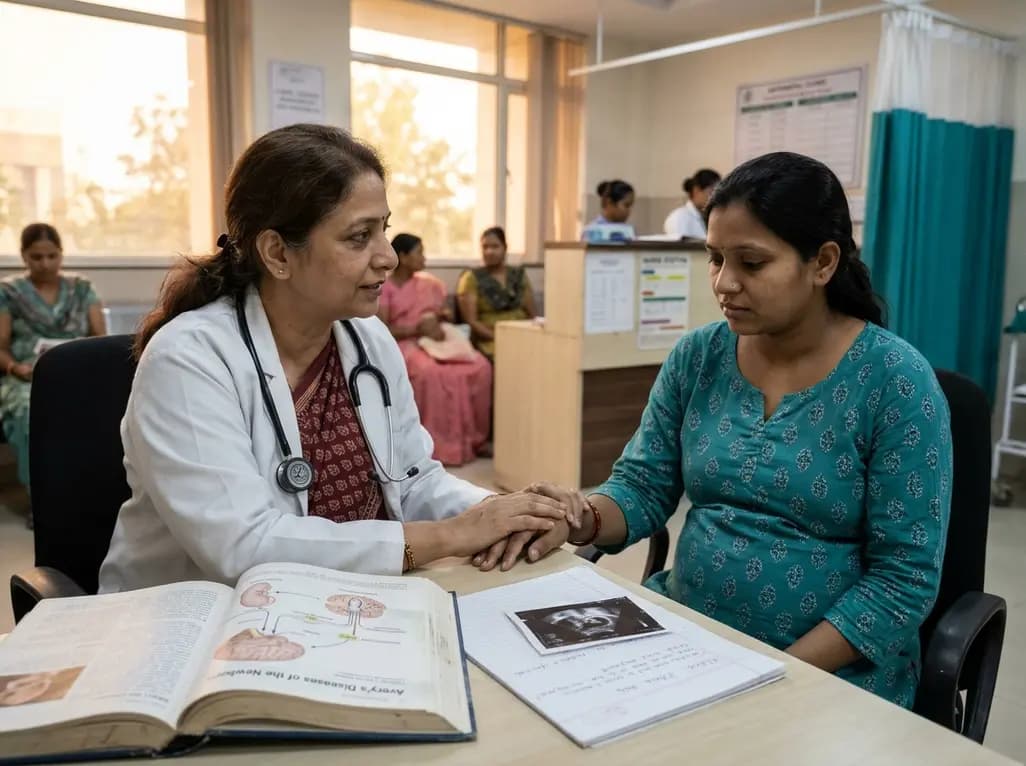
A comprehensive scoping review synthesises evidence linking prenatal maternal mental health to long-term offspring neurodevelopment, evaluating neuroendocrine, inflammatory, and epigenetic pathways while highlighting clinical screening and future research priorities.
Today

The Directorate General of Health Services directs Indian states to halt the hazardous reuse and reprocessing of single-use medical devices. Discover regulatory implications under the Drugs and Cosmetics Act, critical infection risks, legal liabilities, and operational changes required across clinical specialties.
Today
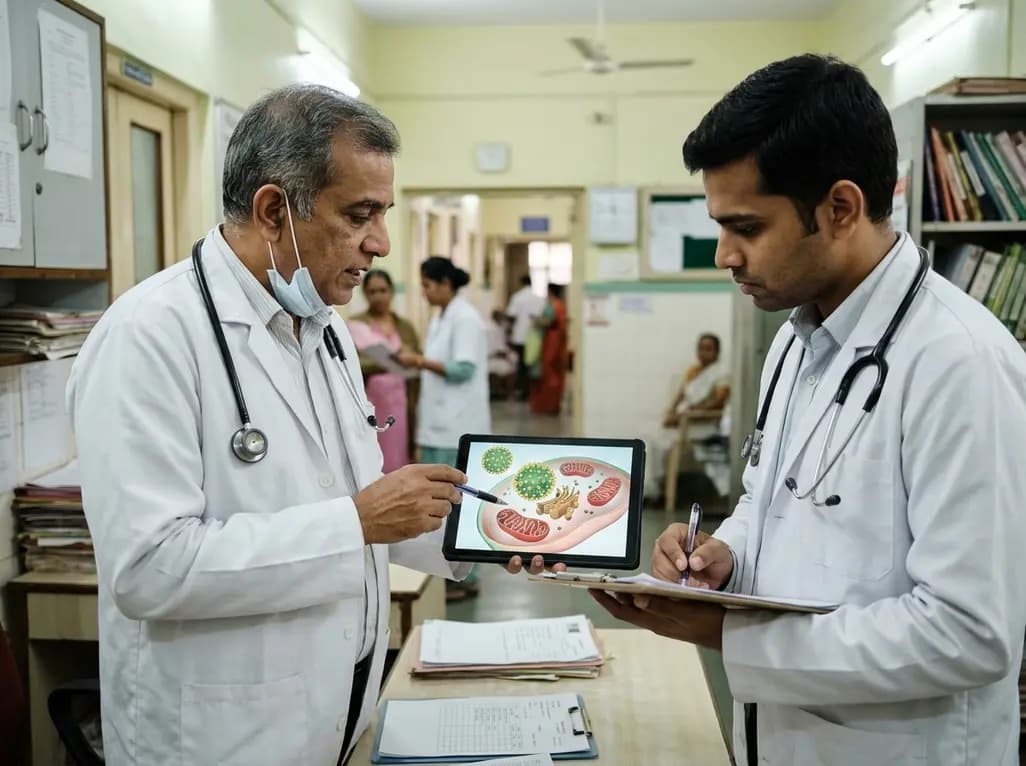
Mitochondria-targeted nanoparticles self-assembled from EGCG and L-glutamic acid effectively restore mitochondrial homeostasis, suppress synovial inflammation, and attenuate chondrocyte senescence in osteoarthritis, offering a promising disease-modifying nanotherapy.
Today

India is advancing preventive healthcare by integrating genomics, artificial intelligence, and quantum technologies. With the SANGAM programme sequencing one million Indian genomes, clinicians can unlock personalized therapies, detect cardiometabolic risks early, and curb the burden of diabetes and heart disease.
Today
