.webp&w=384&q=75)

Loading, please wait...
Loading, please wait...

Self-harm treatment costs impose a significant burden on global healthcare systems. Recently, a national registry study from Ireland investigated the financial impact of emergency department presentations. Researchers analyzed over 25,000 presentations between 2018 and 2019 to estimate these expenses. This study found that the average annual cost reached approximately €26.5 million. Notably, nearly 47.3% of this total expenditure resulted from repeat presentations. Consequently, healthcare providers must focus on effective prevention to manage these rising expenses.
The research took a health service perspective to identify predictors of higher costs. On average, a single presentation costs approximately €2117. This figure includes acute hospital treatment and initial aftercare. Admission to psychiatric or medical units significantly increases the financial load. In fact, these admissions cost three times more than cases resulting in immediate discharge. Factors such as older age and the use of lethal methods further escalate the financial burden on the system.
In India, the economic impact of deliberate self-harm is equally concerning. Studies in South India show a median admission cost of ₹13,690. Furthermore, pesticide-based self-harm cases increase medical expenses by nearly 67% compared to other methods. Therefore, clinicians must implement robust aftercare strategies. Investing in comprehensive emergency services provides a clear path forward. Moreover, community-based mental health services can effectively reduce the frequency of repeat hospital visits.
Psychosocial assessments also play a vital role in patient care. Although these assessments increase initial costs, they help identify high-risk individuals early. Consequently, hospitals can offer tailored interventions like Cognitive Behavioral Therapy (CBT). Evidence suggests that CBT-informed therapies are highly cost-effective for adults. By addressing the root causes of self-harm, healthcare systems can improve patient outcomes and optimize resource allocation simultaneously.
The primary drivers include repeat emergency department presentations and inpatient admissions. Psychiatric and medical stays are particularly expensive, costing significantly more than standard emergency discharges.
The use of highly lethal methods, such as firearms or pesticides, increases the need for intensive care. For instance, pesticide poisoning in India often requires ventilation and specialized critical care, which drastically raises costs.
Yes. Providing comprehensive psychosocial assessments and linking patients to community mental health services reduces the risk of repeat episodes. This proactive approach lowers long-term healthcare spending.
Disclaimer: This content is for informational and educational purposes only. It does not constitute professional medical advice, diagnosis, or treatment. Always seek the advice of your physician or other qualified health providers with any questions you may have regarding a medical condition. Refer to the latest local and national guidelines for clinical practice.
References
Cully G et al. Cost of acute hospital treatment and initial aftercare for hospital-presenting self-harm in Ireland: national registry study. BJPsych Open. 2026 Mar 02. doi: 10.1192/bjo.2026.10978. PMID: 41766629.
Barnabas R, Yadav B, et al. Direct Costs of Healthcare among Patients with Deliberate Self-harm: A Pilot Study from a Tertiary Care Hospital in South India. Indian J Crit Care Med 2022;26(7):836–838.
Aggarwal S, et al. Effectiveness of ATMAN psychological intervention in reducing self-harm in young people in India: a mixed method case series. Cambridge Prisms: Global Mental Health. 2025;12:e41.

Read summarized clinical updates, watch expert medical content, and earn CME certifications right from your smartphone.
Open your smartphone camera to scan and install.





A national study explores the economic burden of self-harm treatment costs, highlighting that repeat presentations drive nearly half of the total healthcare...
7 months ago
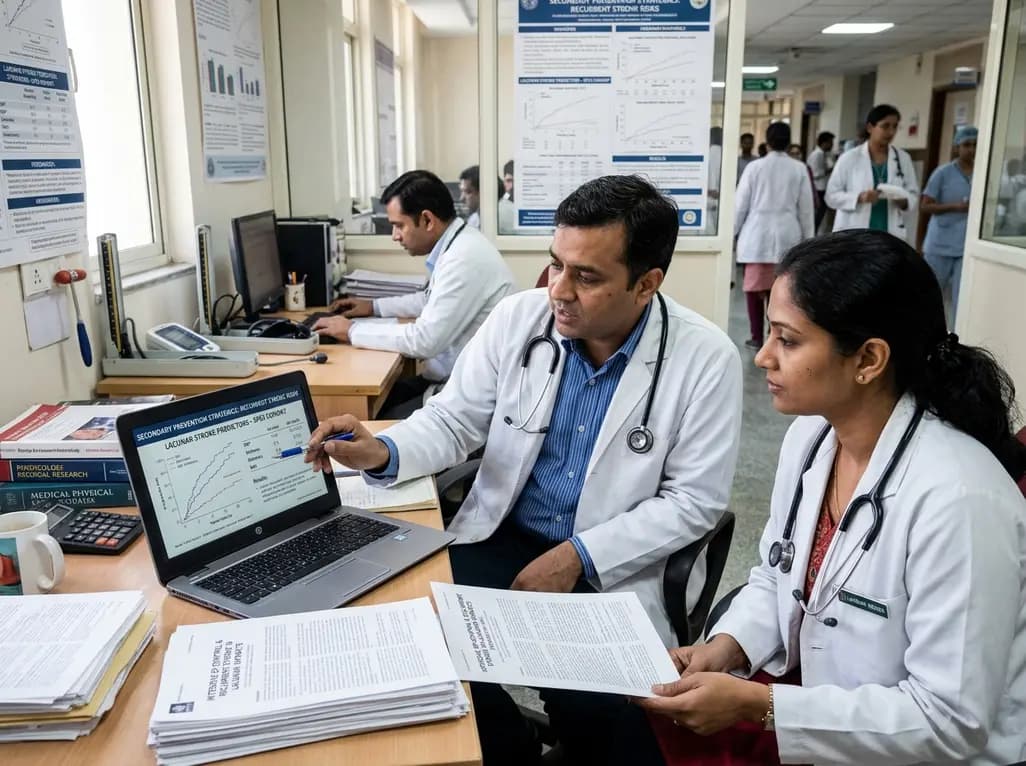
Explore vital recurrent stroke predictors in lacunar stroke patients managed with intensive blood pressure lowering. This analysis examines trial findings from SPS3 to uncover residual vascular risks, metabolic factors, and targeted secondary prevention strategies for high-risk neurological patients.
Today
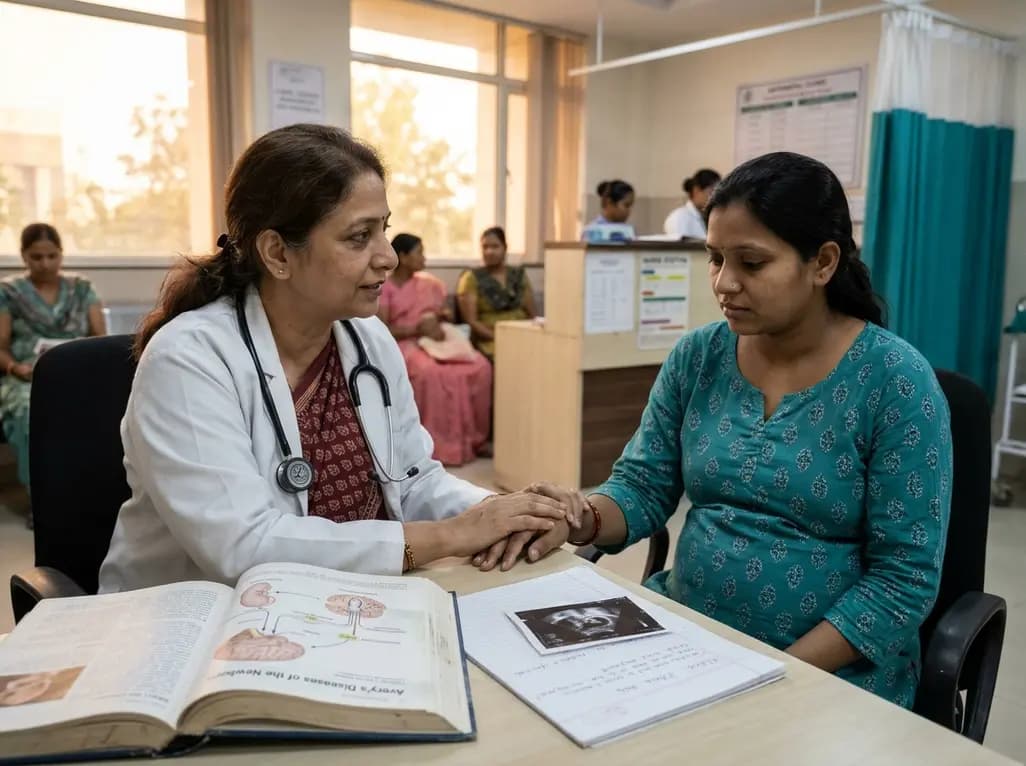
A comprehensive scoping review synthesises evidence linking prenatal maternal mental health to long-term offspring neurodevelopment, evaluating neuroendocrine, inflammatory, and epigenetic pathways while highlighting clinical screening and future research priorities.
Today

The Directorate General of Health Services directs Indian states to halt the hazardous reuse and reprocessing of single-use medical devices. Discover regulatory implications under the Drugs and Cosmetics Act, critical infection risks, legal liabilities, and operational changes required across clinical specialties.
Today
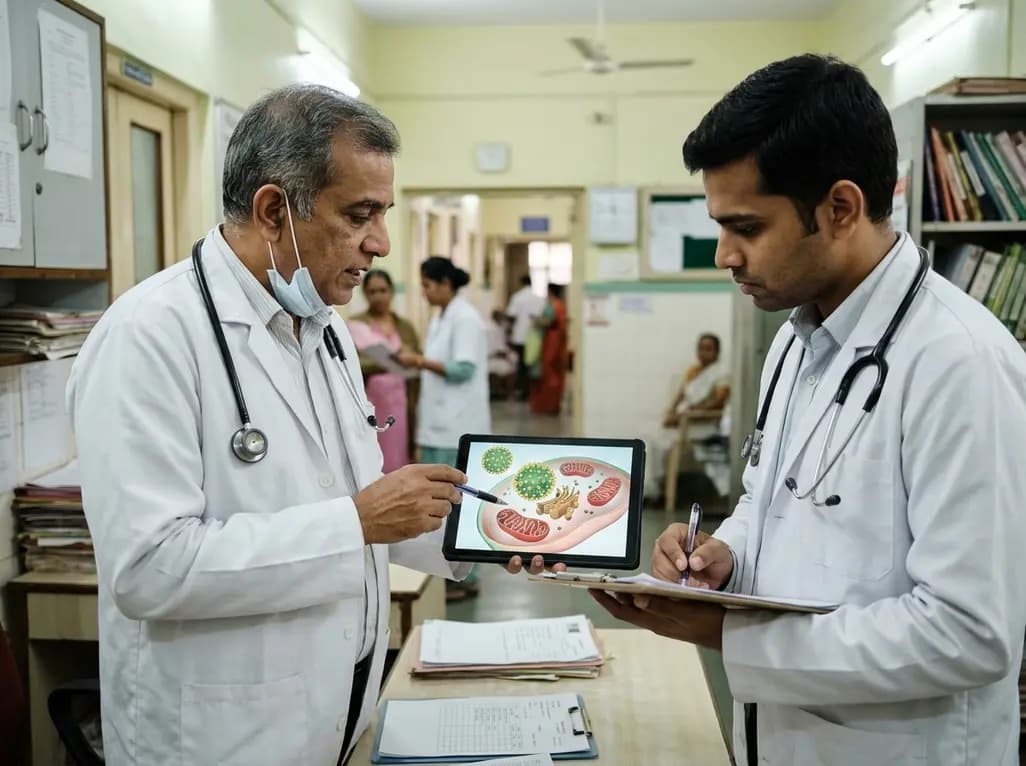
Mitochondria-targeted nanoparticles self-assembled from EGCG and L-glutamic acid effectively restore mitochondrial homeostasis, suppress synovial inflammation, and attenuate chondrocyte senescence in osteoarthritis, offering a promising disease-modifying nanotherapy.
Today

India is advancing preventive healthcare by integrating genomics, artificial intelligence, and quantum technologies. With the SANGAM programme sequencing one million Indian genomes, clinicians can unlock personalized therapies, detect cardiometabolic risks early, and curb the burden of diabetes and heart disease.
Today
