

Loading, please wait...
Loading, please wait...

The clinical management of inflammatory bowel disease requires vigilance regarding opportunistic viral infections. Recent systematic reviews highlight the presence of EBV in IBD as an evolving diagnostic and therapeutic puzzle. While the virus infects most adults globally, mucosal inflammation in colitis alters latent viral behavior. Consequently, gastroenterologists frequently encounter viral reactivation in patients suffering from steroid-refractory disease. Understanding whether this pathogen drives inflammation or merely indicates severe immune dysregulation remains vital for therapeutic decisions.
Systematic evaluations show that intestinal tissue samples from patients with ulcerative colitis and Crohn's disease demonstrate significantly higher rates of Epstein-Barr virus than healthy controls. Specifically, tissue positivity correlates with severe mucosal damage and treatment-refractory clinical courses. However, blood serology and circulating viral DNA loads show much less consistent patterns. Therefore, routine peripheral blood testing often fails to mirror the viral burden present within inflamed gut mucosa. Longitudinal cohorts suggest that prior exposure to the virus might increase subsequent susceptibility to Crohn's disease. Nevertheless, current epidemiological evidence fails to prove a direct causative relationship. Clinicians often detect viral markers in surgical specimens from patients undergoing urgent colectomy for refractory colitis. This localized enrichment suggests that inflamed lymphoid tissue attracts virus-bearing lymphocytes. Furthermore, active inflammation creates an ideal cytokine microenvironment that promotes local viral persistence. Although tissue detection signals aggressive disease biology, doctors cannot immediately assume the virus initiated the intestinal pathology. Thus, mucosal positivity serves primarily as an indicator of marked local immune perturbation and tissue destruction.
Several biological hypotheses explain how Epstein-Barr virus might amplify mucosal inflammation. First, the virus resides primarily within resting memory B cells in the lamina propria. When chronic colitis triggers continuous immune stimulation, these infected lymphocytes can reactivate into lytic replication cycles. Consequently, viral proteins trigger the release of potent proinflammatory cytokines, including interleukin-6 and tumor necrosis factor. In addition, molecular mimicry represents another plausible pathway. Viral antigens closely resemble host intestinal proteins, which may provoke destructive cross-reactive autoimmune responses. Furthermore, viral latent membrane proteins disrupt typical apoptotic pathways, allowing aberrant immune cells to survive longer in the gut wall. Moreover, the pathogen can alter epithelial junctional integrity, facilitating further bacterial translocation and antigenic stimulation. However, despite these compelling cellular models, experimental studies have not yet proven these mechanisms in human clinical trials. Most mucosal findings reflect secondary viral accumulation rather than the initial disease trigger. Therefore, gastroenterologists should interpret mechanistic theories as pathways that modify ongoing colitis rather than fundamental causes.
Immunomodulatory therapy significantly alters viral surveillance in patients with inflammatory bowel disease. Specifically, systemic corticosteroids suppress cytotoxic T lymphocytes, which permits latent virus to reactivate in intestinal mucosa. Furthermore, thiopurine medications such as azathioprine inhibit cellular immunity and impair natural killer cell vigilance. When clinicians combine azathioprine with anti-tumor necrosis factor agents like infliximab, tissue viral loads increase substantially. However, treating physicians must recognize that refractory disease severity independently confounds this relationship. Patients who require intensive dual immunosuppression inherently carry higher degrees of mucosal ulceration and tissue inflammation. Consequently, distinguishing drug-induced viral proliferation from inflammation-driven lymphocyte homing remains exceedingly difficult. In addition, older age during primary seroconversion increases the risk of aberrant cellular proliferation. Clinicians must maintain heightened awareness when older patients receive thiopurines, because impaired viral control increases the danger of systemic lymphoproliferative disorders. Therefore, physicians should regularly reassess the necessity of prolonged dual therapy to minimize long-term viral complications.
Accurate detection of intestinal viral infection poses substantial technical challenges for pathology teams. Pathologists consider in situ hybridization for Epstein-Barr-encoded small RNA, known as EBER, the diagnostic gold standard for tissue biopsy evaluation. This method precisely localizes viral transcripts within individual mucosal lymphocytes. In contrast, quantitative real-time polymerase chain reaction on intestinal tissue homogenates often yields positive results without identifying cellular origin. Therefore, tissue PCR cannot readily distinguish active viral replication from incidental background lymphocytes. Furthermore, peripheral blood quantitative viral DNA testing demonstrates poor correlation with mucosal disease activity. A patient with severe mucosal viral infiltration may present with undetectable peripheral blood DNA. Similarly, high serological antibody titers merely confirm past exposure rather than ongoing mucosal replication. Consequently, international clinical guidelines advise against routine peripheral blood viral monitoring in stable outpatients. Instead, specialists reserve targeted mucosal biopsies with EBER staining for patients who fail conventional biologic therapy or experience rapid clinical deterioration.
Clinicians frequently struggle to differentiate steroid-refractory colitis from viral-driven tissue injury. Both conditions present with relentless bloody diarrhea, deep mucosal ulcerations, high inflammatory markers, and systemic toxicity. However, escalating immunosuppression improves refractory inflammatory bowel disease while it severely accelerates viral replication. In severe cases, uncontrolled viral reactivation induces chronic active enteritis, intestinal perforation, or secondary hemophagocytic lymphohistiocytosis. Furthermore, prolonged viral persistence occasionally sparks Epstein-Barr virus-positive mucocutaneous ulcers or diffuse B-cell lymphomas. When endoscopists observe deep punched-out ulcers that resist aggressive biologic therapy, they must perform prompt histological sampling. In addition, pathologists must carefully search for atypical lymphoplasmacytic infiltrates and viral nuclear transcripts. If substantial viral burden accompanies macroscopic tissue destruction, reducing thiopurine dosing represents an essential clinical maneuver. Moreover, selecting alternative biological agents that spare cellular cytotoxic defenses helps stabilize fragile patients. Therefore, prompt multidisciplinary collaboration between gastroenterologists and histopathologists ensures timely therapeutic adjustments and prevents fatal clinical trajectories.
Clinicians should check baseline IgG and IgM antibodies against viral capsid antigen and nuclear antigens before prescribing thiopurines or biologic agents. Identifying seronegative individuals is crucial because primary infection during immunosuppressive therapy carries a significant risk of severe mononucleosis and lymphoproliferative complications. However, routine peripheral blood viral DNA testing remains unnecessary in asymptomatic outpatients. Physicians should primarily utilize blood screening to establish past immunity rather than predicting immediate mucosal disease flare-ups.
Standard antiviral agents like ganciclovir or acyclovir show limited efficacy against latent viral infection because they only inhibit active lytic DNA replication. Therefore, international gastroenterology societies do not recommend routine antiviral administration for isolated mucosal viral positivity. Instead, specialists focus on reducing immunosuppressive medications, particularly thiopurines and high-dose systemic steroids. Allowing the host cytotoxic immune system to regain viral control represents the most effective primary strategy for stabilizing mucosal disease.
Thiopurine antimetabolites specifically suppress cytotoxic CD8-positive T lymphocytes and natural killer cells, which normally eliminate virus-infected proliferating B lymphocytes. Consequently, impaired immune surveillance permits latently infected B cells to expand unchecked within inflamed intestinal tissue. This biological mechanism significantly increases the long-term risk of developing post-transplant-like lymphoproliferative disorders and non-Hodgkin lymphomas. Therefore, clinicians must carefully weigh benefits against risks when prescribing thiopurine maintenance therapy in older or seronegative individuals.
Disclaimer: This content is for informational and educational purposes only... Refer to the latest local and national guidelines for clinical practice.
References

Read summarized clinical updates, watch expert medical content, and earn CME certifications right from your smartphone.
Open your smartphone camera to scan and install.





A systematic review evaluates the role of Epstein-Barr virus (EBV) in inflammatory bowel disease. While mucosal EBV is enriched in severe and refractory IBD, current evidence highlights diagnostic nuances, immunosuppressive risks, and the distinction between pathogenic drivers and bystander inflammation.
Today
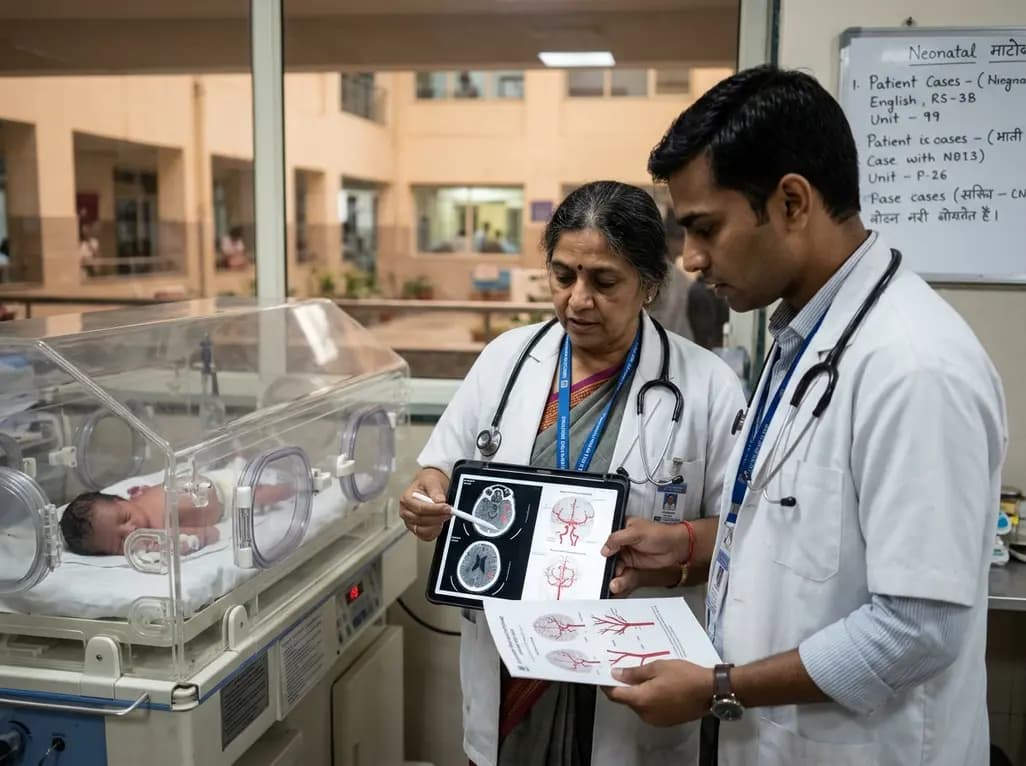
Prenatal exposure to preeclampsia programs permanent cerebrovascular deficits in adult offspring. Males exhibit smaller leptomeningeal anastomoses, impaired collateral flow, and increased stroke infarct volumes via altered VEGF-Notch signaling, while females demonstrate intrinsic neuroprotection.
Today

A recent clinical trial demonstrates that using bedroom HEPA air filtration during sleep significantly reduces nocturnal particulate exposure, curbs glycemic variability, and mitigates postprandial glucose surges in prediabetic patients, underscoring indoor air quality as an actionable cardiometabolic risk factor.
Today

A narrative review assesses orthobiologics—PRP, BMAC, and MFAT—for meniscal tear repair. While preclinical data show regenerative promise, clinical evidence reveals no consistent superiority over standard repair, highlighting persistent heterogeneity in application protocols and surgical outcomes.
Today

A systematic review evaluates psychological interventions for smoking cessation in diabetes, showing short-term success but highlighting challenges in long-term abstinence.
Today
