.webp&w=384&q=75)

Loading, please wait...
Loading, please wait...

The World Health Organization recently declared a Public Health Emergency of International Concern due to Ebola outbreaks in Congo and Uganda. Consequently, Indian health experts are emphasizing that there is no reason for panic within the country. This reassurance comes because health authorities understand the core principles of Ebola transmission and prevention. Since 2014, India has reported no fresh cases, demonstrating a strong track record of containment and monitoring. Furthermore, the National Centre for Disease Control (NCDC) is actively monitoring the global situation to ensure public safety.
Doctors distinguish Ebola from respiratory viruses like Covid-19 based on how the pathogen spreads. Specifically, Ebola requires direct contact with infected body fluids like blood, vomit, or secretions. It does not spread through routine respiratory droplets. Therefore, the risk of a rapid, silent spread is significantly lower in general community settings. Additionally, India possesses the laboratory capacity to perform specialized RT-PCR testing. This capability ensures that health officials can detect any suspected cases quickly at designated centers. Early clinical suspicion remains the cornerstone of effective management for clinicians across the country.
Health ministry officials confirmed that the only recorded case in India involved an international traveler in 2014. Since then, vigilance has remained high across all major ports of entry. Experts suggest that clinicians must stay alert for symptoms in travelers returning from affected regions. Moreover, rapid reporting to the NCDC is vital for maintaining India's status as an Ebola-free nation. Although the situation in Africa is serious, India's diagnostic infrastructure is robust enough to handle potential threats. Health workers should continue to follow standard infection control protocols to mitigate any unforeseen risks.
Q1: How does Ebola transmission differ from Covid-19?
Ebola spreads through direct contact with infected body fluids or contaminated materials, whereas Covid-19 spreads primarily through respiratory droplets in the air.
Q2: When was the last recorded Ebola case in India?
The only case ever reported in India occurred in 2014 and involved an international traveler who tested positive upon arrival.
Disclaimer: This content is for informational and educational purposes only. It does not constitute medical advice or replace professional judgment. Refer to the latest local and national guidelines for clinical practice.
References

Read summarized clinical updates, watch expert medical content, and earn CME certifications right from your smartphone.
Open your smartphone camera to scan and install.





India has had no Ebola cases since 2014. Experts highlight the country's laboratory capacity and explain why current transmission risks remain low....
3 months ago

Explore the emerging role of Brixadi, an extended-release buprenorphine injection, for managing stimulant use disorder through kappa opioid receptor antagonism and steady plasma levels.
Today
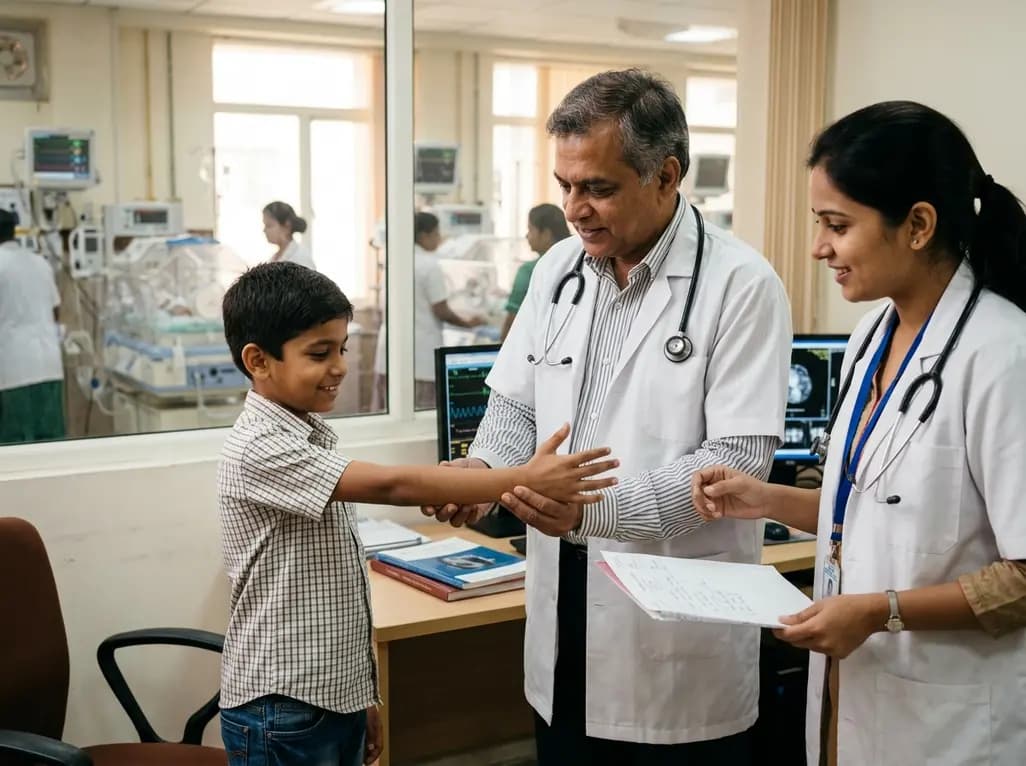
A premature neonate developed upper limb compartment syndrome after uterine rupture extruded the arm through a scar defect. Conservative management with continuous monitoring yielded complete functional recovery and normal limb growth at 10-year follow-up, highlighting non-operative safety in selected cases.
Today
Dendritic cells bridge innate and adaptive immunity in myocardial infarction. This review explores their pathological roles, circulating dynamics, novel tolerogenic interventions, and how standard cardiovascular medications modulate dendritic cells to improve post-infarction myocardial repair and patient outcomes.
Today
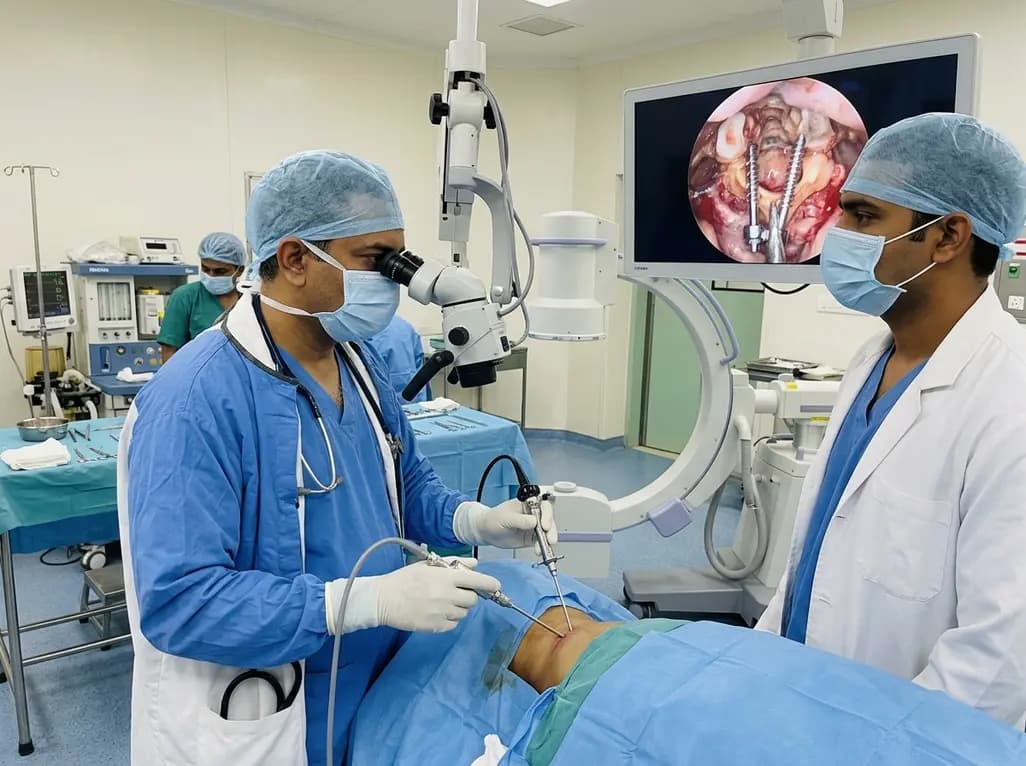
Endoscopic posterior cervical fusion combines minimally invasive decompression, joint preparation, and rigid screw-rod fixation for atlantoaxial pathologies. Early clinical findings demonstrate solid bony union, excellent symptom relief, and minimal soft-tissue morbidity without significant vascular compromise.
Yesterday
Atherosclerosis involves extensive glycometabolic reprogramming across immune and vascular cells. This review examines how glycolysis, the pentose phosphate pathway, and lactate-driven epigenetic shifts fuel plaque vulnerability, while highlighting novel therapeutic targets like PFKFB3 and LDHA.
Today
