.webp&w=384&q=75)

Loading, please wait...
Loading, please wait...

Recently, India sent critical pharmaceutical supplies to support the international Ebola outbreak response in the Democratic Republic of Congo. Consequently, the Africa Centres for Disease Control and Prevention confirmed receipt of the emergency consignment in Uganda. Health workers will immediately deploy these vital supplies in eastern DR Congo. Additionally, India's contribution aims to strengthen the regional healthcare systems during this sudden crisis.
The current emergency involves the rare Bundibugyo Ebola strain. Specifically, this virus has caused periodic outbreaks across Africa since its first identification in 2007. Currently, no approved vaccines or targeted therapies exist for this specific strain. Therefore, prompt clinical management and robust infection prevention remain the only primary defense mechanisms.
To support containment efforts, the Indian consignment delivers essential diagnostics and therapeutics. Furthermore, the cargo includes personal protective equipment and case management support materials. These supplies will assist frontline workers in managing over one thousand suspected infections. Consequently, the World Health Organization declared this outbreak a Public Health Emergency of International Concern on May 17, 2026.
Q1: What is the primary cause of the current outbreak in Congo?
The current outbreak is caused by the rare Bundibugyo strain of the Ebola virus, which leads to severe hemorrhagic fever.
Q2: Are there any approved vaccines for the Bundibugyo Ebola strain?
No, there are currently no approved vaccines or specific antiviral treatments for this particular strain of the virus.
Q3: How does the Ebola virus transmit to humans?
The virus transmits through direct contact with infected bodily fluids, contaminated materials, or direct contact with infected wild animals.
Disclaimer: This content is for informational and educational purposes only. It does not constitute medical advice or replace professional judgment. Refer to the latest local and national guidelines for clinical practice.
References

Read summarized clinical updates, watch expert medical content, and earn CME certifications right from your smartphone.
Open your smartphone camera to scan and install.





The Government of India has sent emergency pharmaceutical supplies to Congo and Uganda to help contain the deadly Bundibugyo Ebola virus outbreak....
4 months ago
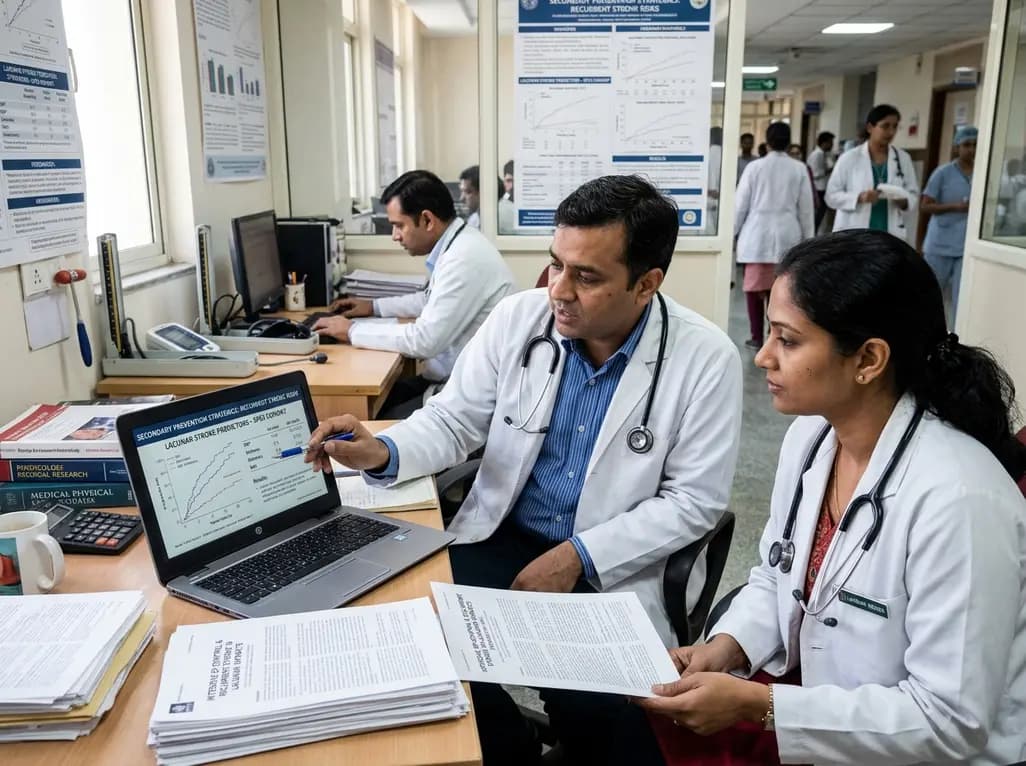
Explore vital recurrent stroke predictors in lacunar stroke patients managed with intensive blood pressure lowering. This analysis examines trial findings from SPS3 to uncover residual vascular risks, metabolic factors, and targeted secondary prevention strategies for high-risk neurological patients.
Today
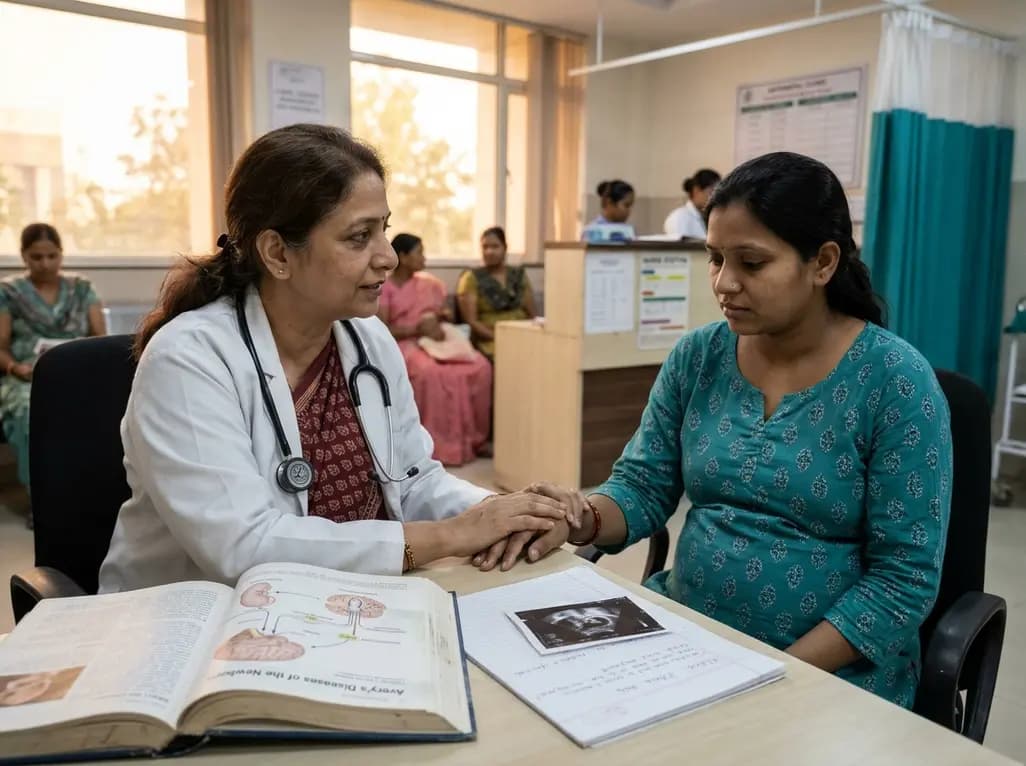
A comprehensive scoping review synthesises evidence linking prenatal maternal mental health to long-term offspring neurodevelopment, evaluating neuroendocrine, inflammatory, and epigenetic pathways while highlighting clinical screening and future research priorities.
Today

The Directorate General of Health Services directs Indian states to halt the hazardous reuse and reprocessing of single-use medical devices. Discover regulatory implications under the Drugs and Cosmetics Act, critical infection risks, legal liabilities, and operational changes required across clinical specialties.
Today
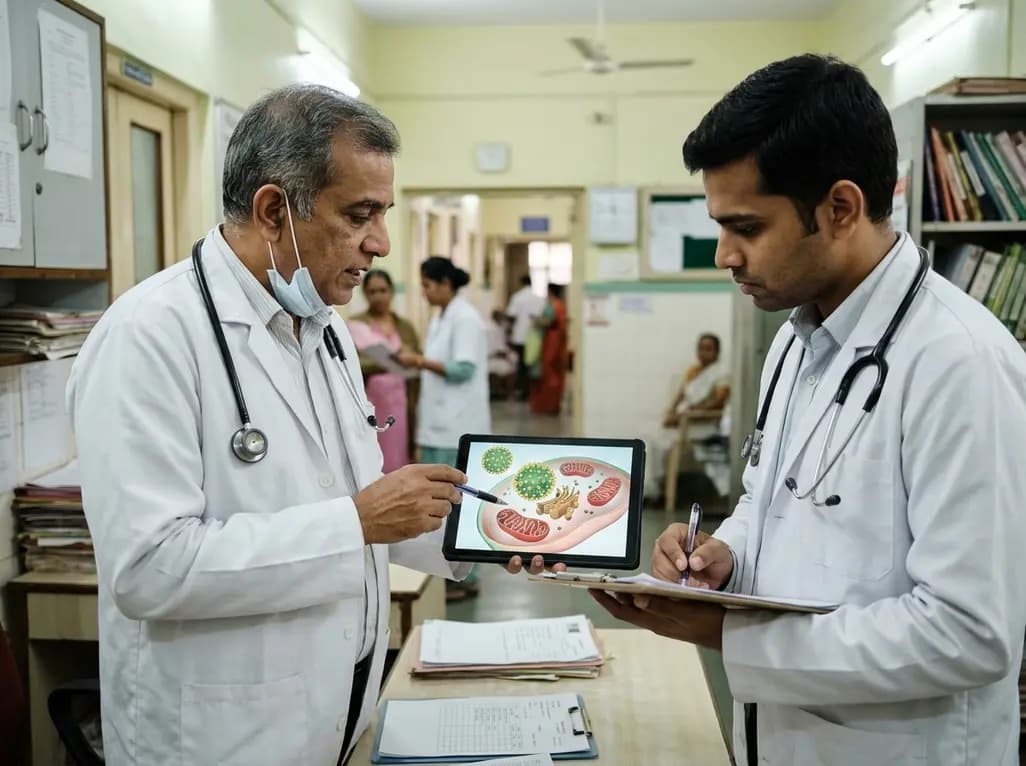
Mitochondria-targeted nanoparticles self-assembled from EGCG and L-glutamic acid effectively restore mitochondrial homeostasis, suppress synovial inflammation, and attenuate chondrocyte senescence in osteoarthritis, offering a promising disease-modifying nanotherapy.
Today

India is advancing preventive healthcare by integrating genomics, artificial intelligence, and quantum technologies. With the SANGAM programme sequencing one million Indian genomes, clinicians can unlock personalized therapies, detect cardiometabolic risks early, and curb the burden of diabetes and heart disease.
Today
