.webp&w=384&q=75)

Loading, please wait...
Loading, please wait...
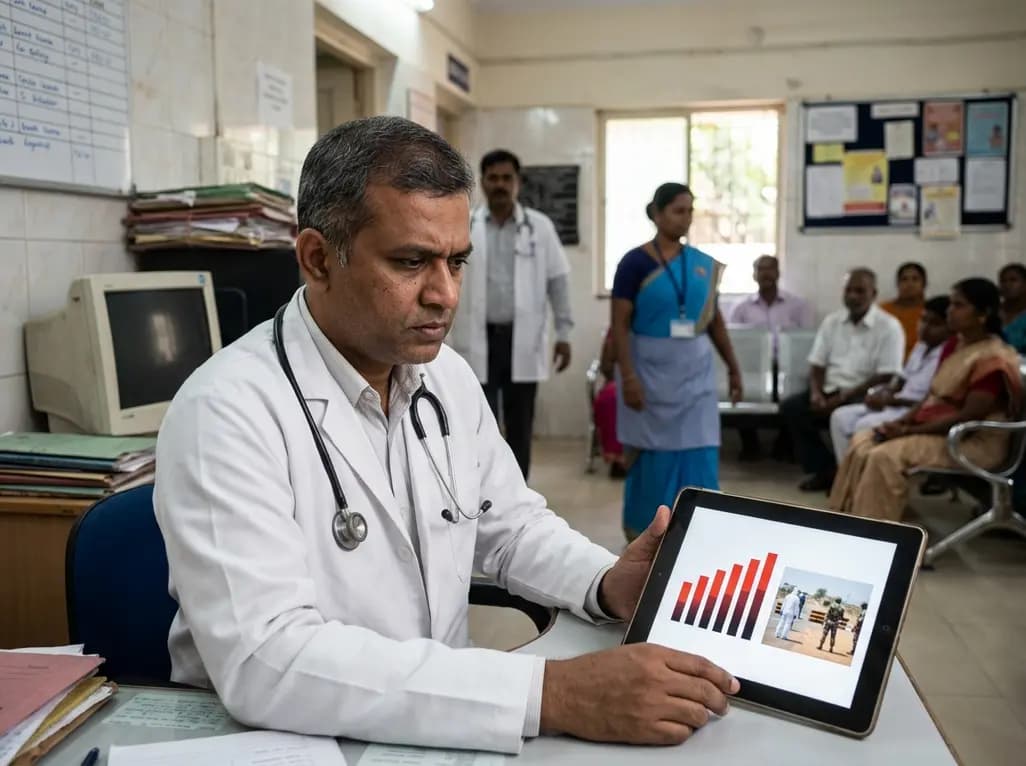
The ongoing Ebola outbreak in Congo has reached a critical milestone, with confirmed deaths now exceeding 100. Specifically, health authorities reported that the rare Bundibugyo strain has claimed 101 lives. Consequently, the rapid spread across several eastern provinces has raised global health alarms. Moreover, regional instability severely complicates containment measures, leaving teams struggling to manage the crisis.
In contrast to the Zaire strain, the Bundibugyo strain lacks approved vaccines or specific treatments. Consequently, clinical management relies heavily on supportive care and infection control. Initially, health officials failed to detect the virus for several weeks in the Ituri province. As a result of this delay, the pathogen silently spread across Ituri, North Kivu, and South Kivu. Furthermore, health authorities must now rely on rapid diagnostic testing and strict isolation protocols to prevent further transmission. Additionally, active epidemiological surveillance remains crucial to mapping the disease's movement.
Active armed conflict represents the most significant barrier to the humanitarian response. For instance, rebel groups operating in Djugu, Irumu, and Mambasa limit access to high-risk zones. Additionally, deep-seated community mistrust has triggered violent attacks on medical staff and burial teams. Recently, an aggressive crowd targeted a burial team in Bunia, injuring two workers and damaging transport vehicles. Therefore, securing humanitarian corridors and rebuilding local trust are essential steps to control the outbreak.
Q1: What makes the Bundibugyo strain of Ebola particularly dangerous?
In contrast to other strains, the Bundibugyo virus has no approved vaccines or targeted antiviral therapies. Therefore, clinical teams must rely entirely on early supportive care, such as fluid management and symptom control, to reduce patient mortality.
Q2: How are armed conflicts impacting the containment efforts?
Active insecurity prevents health workers from reaching high-risk areas. Consequently, these challenges disrupt critical contact tracing, public health surveillance, and safe burial operations, which allows the virus to propagate further.
Disclaimer: This content is for informational and educational purposes only. It does not constitute medical advice or replace professional judgment. Refer to the latest local and national guidelines for clinical practice.
References

Read summarized clinical updates, watch expert medical content, and earn CME certifications right from your smartphone.
Open your smartphone camera to scan and install.





Health officials in the DRC report over 100 confirmed Ebola deaths, with armed groups and community resistance hindering response efforts in eastern provinc...
4 months ago

Discover the crucial role of glymphatic dysfunction in stroke, where perivascular clearance failure and neuroinflammation exacerbate cerebral edema and post-stroke brain injury.
Today

A prenatal case highlights severe glutaric acidemia type II presenting as bilateral hyperechoic cystic kidneys at 18 weeks. Whole-exome sequencing revealed a novel homozygous ETFDH frameshift variant, demonstrating the power of rapid genetic testing in fetal renal anomalies.
Today

Review how tailored exercise programs benefit frail older patients with heart failure. Explore pathophysiological mechanisms, individualized training prescriptions, and strategies to overcome adherence barriers in clinical practice.
Yesterday

This comparative study evaluates posterior labral tears with and without glenohumeral instability, highlighting distinct demographic patterns, MRI underestimation in stable shoulders, and successful arthroscopic repair outcomes.
Yesterday

A clinical study demonstrates that early intervention with tocilizumab, either as monotherapy or bridged with corticosteroids, achieves significant proptosis reduction and resolves active inflammation in treatment-naive thyroid eye disease.
Yesterday
