.webp&w=384&q=75)

Loading, please wait...
Loading, please wait...

The health ministry recently reported new Ebola cases in Uganda, bringing the total to seven since May 15, 2026. Specifically, the government identified two new infections in local healthcare providers in Kampala. These professionals currently receive intensive care in a designated isolation unit. Meanwhile, public health teams are actively tracing all potential contacts to halt further transmission in the capital city.
To manage the cross-border risk, Uganda quickly suspended all public transport linking it to the DRC. Furthermore, the World Health Organization declared this Bundibugyo virus outbreak a Public Health Emergency of International Concern. This decision highlights the rapid spread and high risk associated with the rare strain. Consequently, global agencies are coordinating emergency resources to support local clinicians. However, the lack of an approved vaccine for this specific strain complicates containment efforts.
Clinicians face significant hurdles when managing the Bundibugyo strain of Ebola. For instance, the highly effective vaccines used for the Zaire strain do not protect against this variant. Therefore, healthcare providers must rely heavily on meticulous supportive care. This strategy involves aggressive fluid replenishment, electrolyte monitoring, and targeted symptom management. Additionally, early diagnosis remains critical to improving survival rates. Consequently, medical facilities worldwide must maintain high vigilance and strict infection control protocols. Moreover, Indian manufacturers like the Serum Institute of India are already preparing candidate vaccine doses for upcoming clinical trials.
Q1: What strain of Ebola is causing the current outbreak in Uganda?
The rare Bundibugyo strain of Ebola is causing the current outbreak. Consequently, existing licensed vaccines do not offer protection against this variant.
Q2: How does the Ebola virus transmit between humans?
The virus transmits through direct contact with infected bodily fluids, including blood, vomit, and secretions. Therefore, healthcare workers must consistently wear appropriate personal protective equipment during patient care.
Q3: What are the primary symptoms associated with this virus?
The infection begins with sudden fever, headache, and severe malaise. Additionally, patients often develop severe vomiting, diarrhea, and organ failure.
Disclaimer: This content is for informational and educational purposes only. It does not constitute medical advice or replace professional judgment. Refer to the latest local and national guidelines for clinical practice.
References

Read summarized clinical updates, watch expert medical content, and earn CME certifications right from your smartphone.
Open your smartphone camera to scan and install.





Uganda confirms two new Ebola cases in Kampala health workers, bringing the total to seven as WHO warns of a Bundibugyo virus outbreak in Central Africa....
4 months ago

Novel diimide and hydrazone scaffolds, particularly compound #C4, synergistically reactivate latent HIV-1 when combined with JQ1 or PKC activators. Demonstrating donor-matched proviral transcription ex vivo and non-canonical signaling, these findings advance shock and kill strategies toward reservoir eradication.
Today
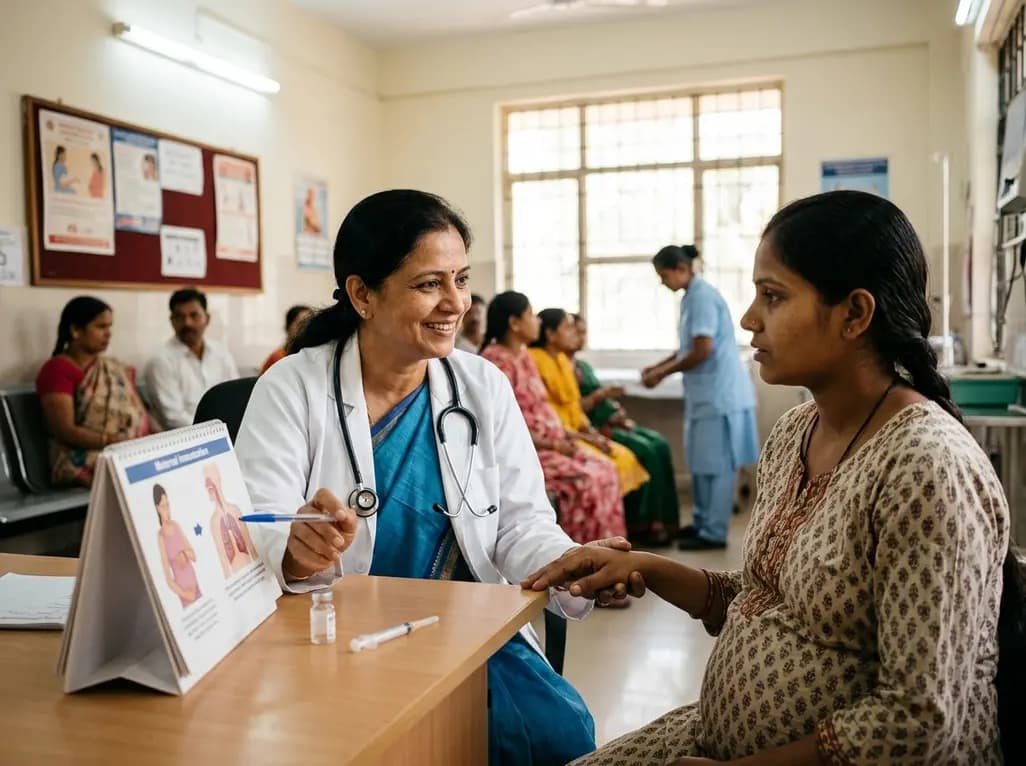
A cross-sectional study reveals that maternal RSV vaccination coverage reached only 43.7% in Argentina, with maternal vaccine knowledge being the sole independent predictor of uptake. Clinicians play a crucial role in eliminating informational and structural barriers to optimize infant health.
Today

Review how tailored exercise programs benefit frail older patients with heart failure. Explore pathophysiological mechanisms, individualized training prescriptions, and strategies to overcome adherence barriers in clinical practice.
Yesterday

This comparative study evaluates posterior labral tears with and without glenohumeral instability, highlighting distinct demographic patterns, MRI underestimation in stable shoulders, and successful arthroscopic repair outcomes.
Yesterday

A clinical study demonstrates that early intervention with tocilizumab, either as monotherapy or bridged with corticosteroids, achieves significant proptosis reduction and resolves active inflammation in treatment-naive thyroid eye disease.
Yesterday
