.webp&w=384&q=75)

Loading, please wait...
Loading, please wait...

The recent Ebola Bundibugyo strain outbreak in the Democratic Republic of Congo (DRC) has escalated rapidly. Authorities reported twenty-six more suspected deaths within just 24 hours. Consequently, the total death toll now stands at 131. Health officials have identified over 500 suspected cases across the region. Furthermore, the virus has reached neighbouring Uganda. Therefore, the World Health Organization (WHO) declared a public health emergency of international concern last Saturday.
Experts are particularly worried about this specific strain because it spread undetected for several weeks. It has moved through densely populated areas, including the city of Butembo. Ebola spreads through direct contact with infected bodily fluids. Symptoms typically include high fever, vomiting, and internal bleeding. Historically, Ebola maintains an average fatality rate of approximately 50%. However, this rate can reach 90% in some outbreaks. Specifically, the Bundibugyo strain remains rare and difficult to manage.
Managing the Ebola Bundibugyo strain outbreak presents unique challenges for global healthcare systems. Unlike the more common Zaire strain, no approved vaccines or therapeutics exist for Bundibugyo. Additionally, the U.S. Centers for Disease Control and Prevention (CDC) reported an infection in an American doctor. This individual and six exposed colleagues are currently moving to Germany for specialized care. Meanwhile, the U.S. State Department has mobilized $13 million for immediate response efforts. Healthcare workers remain at high risk in urban settings like Butembo and Goma.
Scientists are racing to develop new treatment options. For example, the CDC is working on a monoclonal antibody therapy. Moreover, a panel of WHO experts met recently to discuss potential vaccine candidates. The ongoing armed violence in eastern Congo significantly complicates these international response efforts. Nevertheless, teams continue to monitor cases in North Kivu and Ituri provinces. Clinicians worldwide must remain vigilant regarding patients with relevant travel histories. Prompt isolation and strict infection control are essential to prevent further transmission.
Q1: What makes the Bundibugyo strain different from the Zaire strain?
The Bundibugyo strain is rarer than the Zaire strain and currently lacks approved vaccines or specific antiviral treatments. However, both cause severe hemorrhagic fever.
Q2: How does Ebola primarily spread between humans?
Ebola spreads through direct contact with the blood, secretions, or other bodily fluids of infected people or contaminated surfaces.
Q3: What is the current fatality rate in the DRC outbreak?
Current reports indicate 131 deaths out of over 500 suspected cases, though the average historical fatality rate for Ebola is roughly 50%.
Disclaimer: This content is for informational and educational purposes only. It does not constitute medical advice or replace professional judgment. Refer to the latest local and national guidelines for clinical practice.
References

Read summarized clinical updates, watch expert medical content, and earn CME certifications right from your smartphone.
Open your smartphone camera to scan and install.





Health authorities in the DRC report 131 deaths as the Ebola Bundibugyo strain spreads. The WHO has declared a global health emergency due to the rising cas...
5 months ago

An observational study from the NIH All of Us Research Program reveals that adding a multi-ancestry polygenic risk score to machine learning models provides only modest improvements in predicting adult weight gain, underscoring the enduring significance of routine clinical and lifestyle factors.
Today

A study in JAMIA Open shows lightweight open-source reasoning LLMs achieve up to 95% sensitivity and accelerate evidence synthesis screening by nearly twentyfold, presenting a cost-effective, scalable AI solution for biomedical research and systematic reviews.
Today
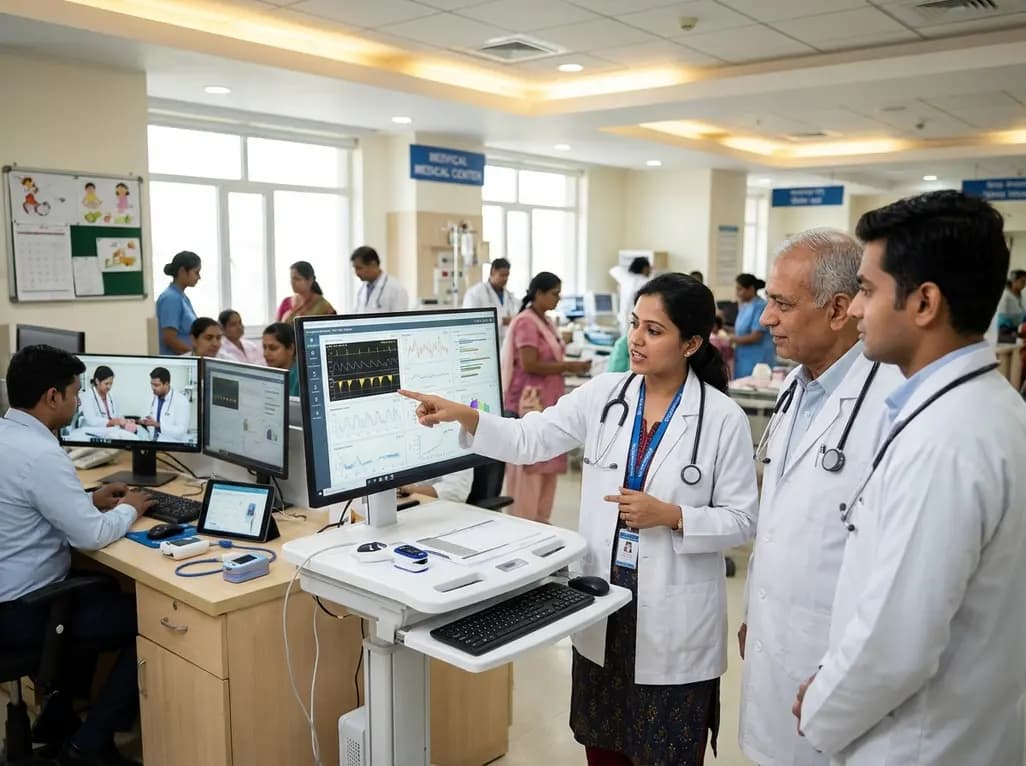
A landmark study details how an enterprise pediatric remote patient management model expanded from a single cardiology pilot to 16 diverse specialty programs by combining centralized digital operations with specialty clinical leadership.
Today

A comparative review of tension band wiring and intramedullary screw fixation in thumb metacarpophalangeal arthrodesis, evaluating union rates, hardware complications, and clinical outcomes.
Yesterday
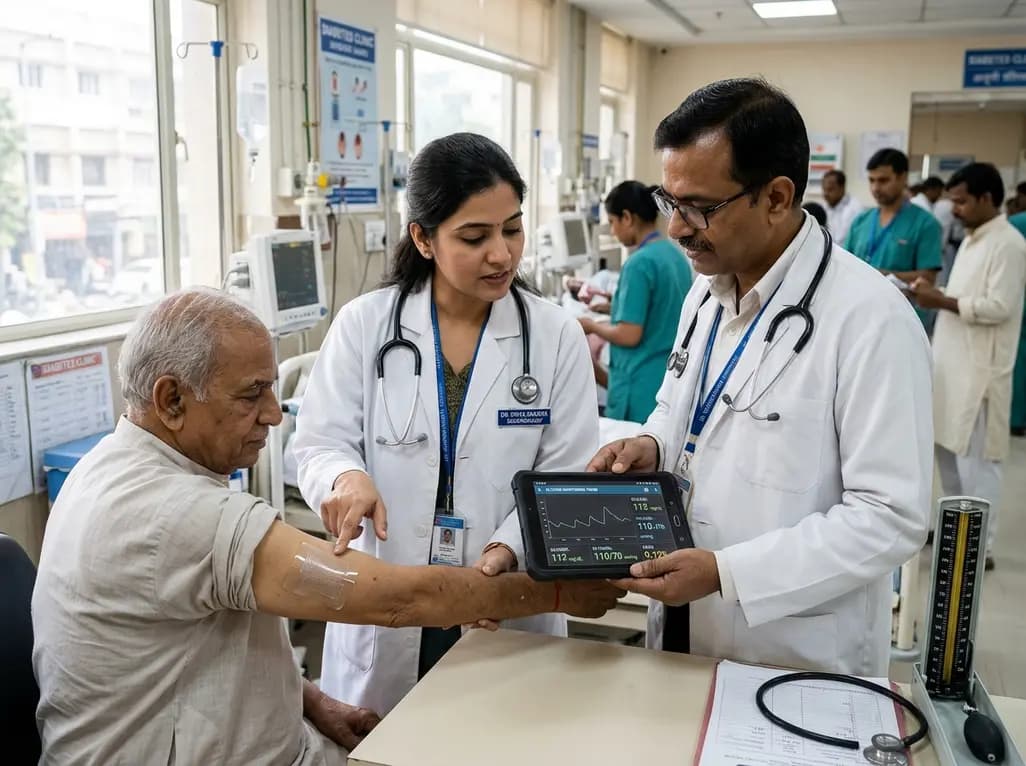
A breakthrough ultrathin multimodal sensor decouples physical hemodynamic monitoring from disposable electrochemical calibration, achieving long-term wearable glucose prediction with 81.36% accuracy and a 9.12% MARD. This offers a robust, drift-free solution for outpatient metabolic surveillance.
Yesterday
