The recent and sudden escalation of the
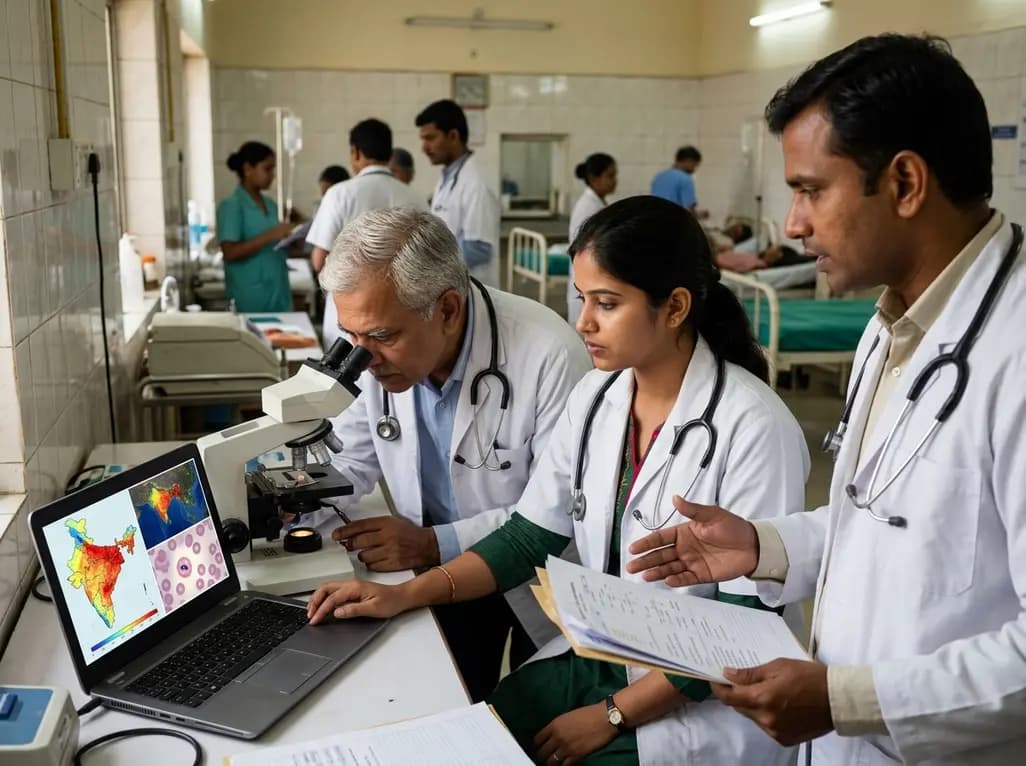
East Singhbhum malaria outbreak in Jharkhand has sent shockwaves through the local healthcare infrastructure. Initially concentrated in the Potka block, the vector-borne disease has rapidly spread to neighbouring regions, including Ghatsila, Dumaria, and Musaboni. Healthcare workers are conducting massive diagnostic drives to identify patients who require immediate intervention. However, the unexpected spike in cases, particularly severe pediatric cerebral malaria, continues to present immense challenges. Consequently, state officials have mobilized rapid-response units to contain the crisis before it escalates further. Clinicians across Jharkhand must now familiarize themselves with the clinical presentation and management protocols to safeguard vulnerable populations.
The Rapid Expansion of the East Singhbhum Malaria Outbreak
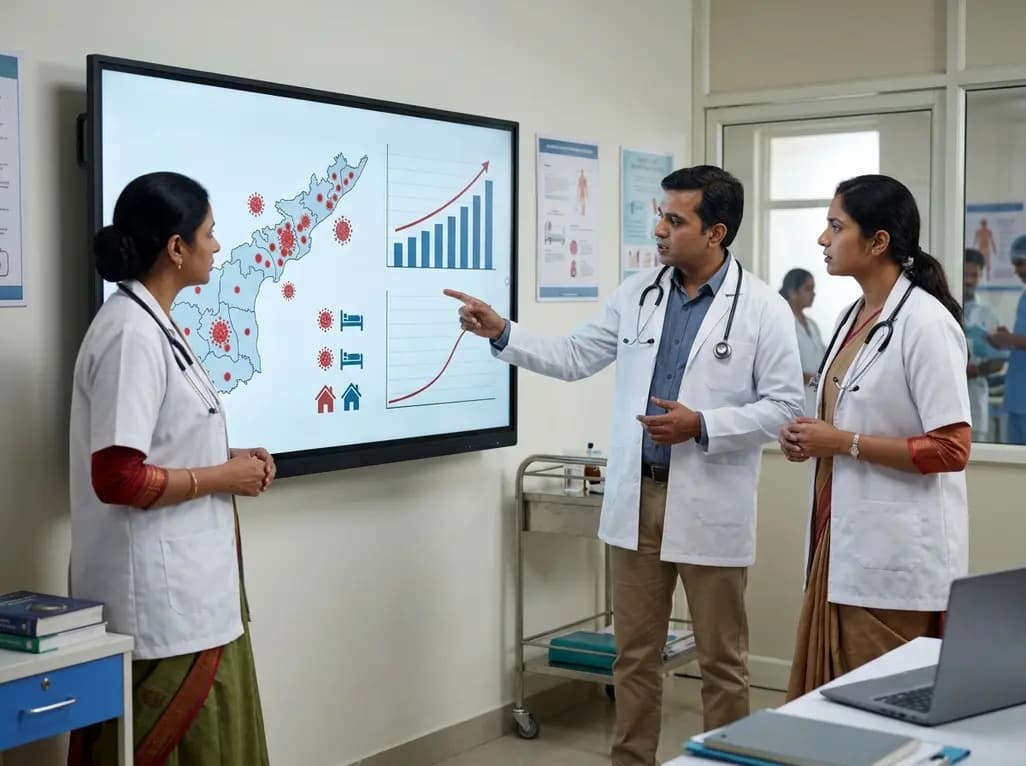
The geographic footprint of this public health emergency has widened drastically over the last few days. Specifically, the district administration of East Singhbhum recently confirmed hundreds of positive cases following extensive mass screenings. While the Potka block previously served as the epicenter, Dumaria has suddenly recorded the highest single-day positivity rate. In addition, health teams in Ghatsila and Musaboni are working relentlessly to test thousands of symptomatic individuals. Despite these extensive efforts, the rapid speed of transmission is placing a heavy burden on primary health centers. Furthermore, the arrival of the monsoon has created perfect conditions for vector breeding, which accelerates the spread of infection. Notably, local civil groups and medical colleges are collaborating to manage patient volumes. Therefore, establishing temporary healthcare camps has become a primary operational focus in remote villages. By deploying portable diagnostic kits, medical teams can promptly isolate infected patients and prevent the healthcare system from becoming completely overwhelmed.
Understanding Cerebral Malaria and Its Pathophysiology
A major concern during this epidemic is the rising incidence of cerebral malaria, which is a life-threatening complication of Plasmodium falciparum. This severe form of malaria occurs when sequestered, parasite-infected red blood cells obstruct the microvasculature of the brain. Consequently, this microvascular blockage restricts blood flow and induces localized tissue hypoxia and inflammation. Pediatric patients are especially vulnerable to this pathology, often exhibiting rapid clinical deterioration within hours. In addition to high fever and chills, affected children frequently present with altered consciousness, seizures, and deep coma. Furthermore, if left untreated, the disease is almost universally fatal. Even with timely intervention, survivors may suffer from permanent neurological deficits, including cognitive impairment or motor dysfunction. Therefore, healthcare providers must maintain a very high index of suspicion in endemic areas during the monsoon. Ultimately, a swift diagnosis of falciparum infection using rapid diagnostic test kits is the first step in saving vulnerable lives.
Clinical Management Protocols and Urgent Medical Interventions
To effectively manage severe malaria and its cerebral complications, clinicians must adhere strictly to established therapeutic guidelines. Specifically, the immediate administration of intravenous artesunate is the gold standard for treating severe Plasmodium falciparum malaria. Healthcare providers should administer this medication immediately upon diagnosing or suspecting severe disease. Furthermore, maintaining proper fluid and electrolyte balance is critical to preventing cerebral edema and organ failure. Because pediatric patients can deteriorate with extreme rapidity, continuous monitoring in intensive care units is strongly advised. Additionally, supportive care must include the prompt management of secondary complications, such as hypoglycemia, severe anemia, and recurrent seizures. If clinicians suspect bacterial co-infection, they should administer broad-spectrum antibiotics alongside antimalarials. Moreover, healthcare teams must ensure that blood transfusion facilities are readily accessible. Ultimately, rapid diagnosis coupled with early, aggressive therapy remains the cornerstone of successful clinical management and reducing regional mortality rates.
State-Level Surveillance and Three-Tier Health Alerts
In response to the growing casualties, the Jharkhand government has officially issued a statewide health alert to coordinate preventive actions. Consequently, the state health department has ordered all deputy commissioners to implement localized containment plans on a war footing. To ensure structured monitoring, authorities have introduced a robust three-tier review mechanism to oversee local health operations. Additionally, the administration is deploying specialist teams, including pediatricians and vector-borne disease experts, to the worst-hit zones. Meanwhile, medical professionals from regional medical colleges are reinforcing rural clinics to handle the surge in critically ill patients. Furthermore, state officials have ordered an immediate supply of rapid diagnostic test kits and intravenous artesunate to all remote pharmacies. The government is strictly enforcing accountability at every administrative level to prevent gaps in healthcare delivery. Notably, district surveillance officers are tracking daily test positivity rates to predict future hotspots and establish a resilient barrier.
Community Preventive Strategies and Mass Awareness Campaigns
Besides clinical treatment, controlling the vector remains a fundamental pillar in halting the
East Singhbhum malaria outbreak. Therefore, municipal authorities have launched aggressive sanitation and vector-control campaigns in the affected villages. These measures include intensive fogging operations and the spraying of synthetic pyrethroids to destroy adult mosquito populations. Additionally, health workers are distributing insecticide-treated bed nets to vulnerable households, particularly in tribal regions. To complement these efforts, the health department has initiated a massive public awareness campaign in rural areas. Notably, teams of artists are performing street plays, or nukkad nataks, to educate villagers about mosquito breeding sites. Health workers urge villagers to eliminate stagnant water near their homes and seek immediate medical attention for any febrile illness. Ultimately, fostering community ownership of preventive measures is the most sustainable way to reduce vector density and achieve long-term epidemic control.
Frequently Asked Questions
Q1: What are the primary warning signs of cerebral malaria in pediatric patients?
The primary warning signs of cerebral malaria include high fever accompanied by altered consciousness, extreme lethargy, and persistent vomiting. Additionally, pediatric patients may experience recurrent seizures, severe confusion, or a complete inability to stand or speak. Because these symptoms indicate acute brain involvement, immediate hospitalization and the administration of intravenous artesunate are critical to preventing permanent neurological damage or death.
Q2: Why is intravenous artesunate preferred over other antimalarials for severe malaria?
Clinicians prefer intravenous artesunate because it rapidly clears parasitemia and significantly reduces mortality compared to older drugs like quinine. Furthermore, artesunate has a superior safety profile and is easier to administer in emergency settings. Consequently, global and national guidelines recommend it as the first-line treatment for both adult and pediatric patients suffering from severe or complicated falciparum malaria.
Q3: How does the monsoon season contribute to the rapid spread of malaria outbreaks?
The monsoon season contributes to malaria outbreaks because heavy rainfall creates numerous pools of stagnant water, which serve as ideal breeding grounds for female Anopheles mosquitoes. Additionally, high humidity levels during this period extend the lifespan of these vectors, enabling them to transmit the Plasmodium parasite more effectively. Consequently, vector populations surge, leading to a rapid spike in transmission rates across affected communities.
Disclaimer: This content is for informational and educational purposes only. It does not constitute medical advice or replace professional judgment. Refer to the latest local and national guidelines for clinical practice.
References
- 243 malaria cases detected in East Singhbhum as outbreak spreads to Ghatsila,Dumaria and Musaboni - ETHealthworld
- Nine more cerebral malaria cases detected in Jharkhand, count rises to 150 - The Hindu
- Jharkhand Govt Issues Statewide Alert After 4 Malaria Deaths near Jamshedpur - Avenue Mail
- Three Children Die Of Cerebral Malaria Amid Jharkhand Outbreak - NDTV
.webp&w=384&q=75)