.webp&w=384&q=75)

Loading, please wait...
Loading, please wait...
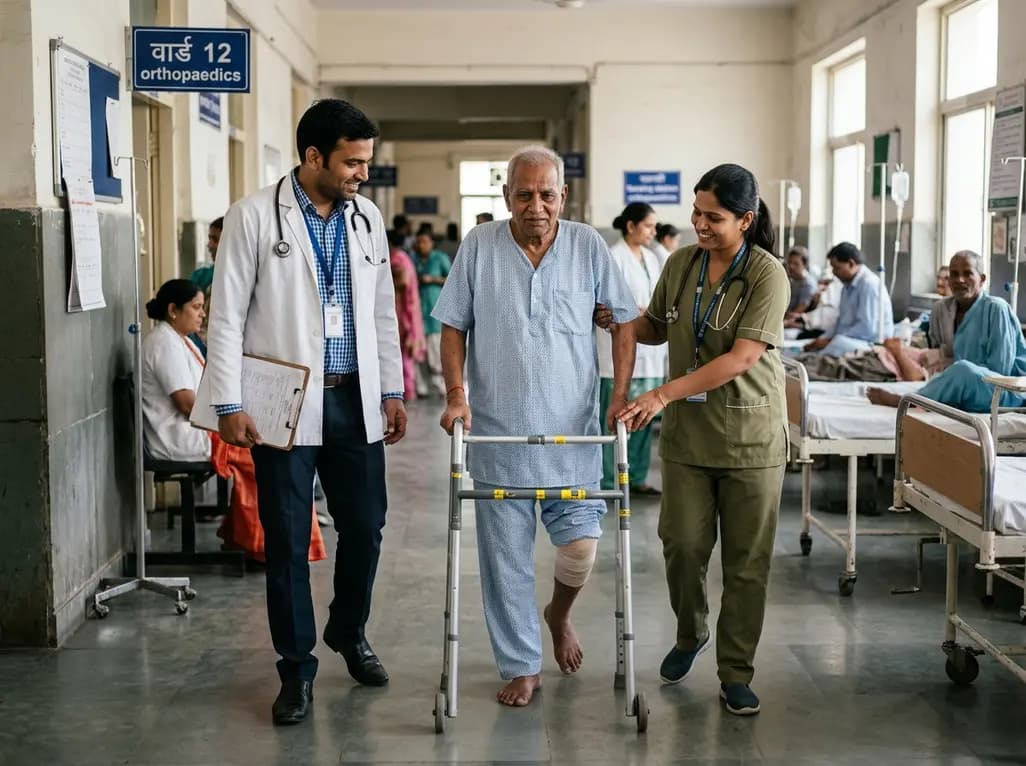
Hip fracture surgery in elderly patients represents a major surgical challenge, where delayed recovery increases mortality risks. Recent research highlights the impact of early mobilization hip fracture protocols within fast-track perioperative frameworks. Although surgeons focus on anatomical stabilization, long-term survival depends on rapid functional restoration after operation. Consequently, initiating ambulation within 24 hours post-surgery is gaining clinical momentum across surgical centers. This retrospective cohort study evaluates whether prompt mobilization directly translates into sustained long-term survival benefits for older adults. Furthermore, the investigators examine how structured multidisciplinary care minimizes complications and preserves autonomy over extended follow-up.
Fast-track surgical pathways have modernized perioperative care for geriatric patients with fragile hip fractures. Specifically, these protocols integrate optimized regional anesthesia, aggressive pain management, and immediate physical therapy. By addressing surgical trauma rapidly, clinicians aim to reduce bed-rest complications such as deep vein thrombosis and pneumonia. Early mobilization hip fracture interventions require patients to sit, stand, or walk within 24 hours of surgery. However, implementation often encounters obstacles, including post-surgical pain and orthostatic hypotension. In traditional care settings, clinicians frequently delayed physical therapy until full pain control occurred. Consequently, patients suffered from prolonged immobility, leading to rapid muscle deconditioning. Modern enhanced recovery protocols eliminate these delays through early multidisciplinary intervention. Therefore, fast-track pathways shift the focus from passive bed rest toward immediate physical rehabilitation.
To evaluate long-term outcomes, researchers conducted a retrospective cohort study analyzing elderly patients undergoing fast-track hip fracture surgery. The study enrolled 680 participants aged 60 years and older treated between 2018 and 2024. Among these individuals, 214 patients achieved early mobilization within 24 hours postoperatively, whereas 466 patients experienced delayed mobilization beyond 24 hours. Additionally, investigators utilized stabilized inverse probability of treatment weighting to adjust for baseline differences. This statistical methodology controlled for age, pre-existing comorbidities, baseline physical function, and acute complications. Consequently, the research team minimized residual confounding between early and late mobilization cohorts. Investigators determined patient survival over a median follow-up of 2.41 years using national civil registry records. Furthermore, researchers applied Kaplan-Meier survival curves and Cox proportional hazards models. Overall, this robust design provided clear insights into whether early activity independently reduces long-term mortality.
The statistical analysis revealed clear differences in survival outcomes between the two cohorts over follow-up. Patients in the early mobilization group demonstrated significantly higher cumulative survival compared to those whose ambulation was delayed. Specifically, Kaplan-Meier log-rank testing confirmed a statistically significant survival advantage for patients walking within 24 hours. Moreover, after applying stabilized inverse probability weighting, the Cox proportional hazards model demonstrated a robust reduction in all-cause mortality risk. Consequently, the protective effect of early physical activity persisted long after the acute perioperative period. Additionally, patients undergoing delayed mobilization experienced higher rates of secondary medical complications. In contrast, those mobilized early maintained higher functional independence and required fewer long-term care resources. Therefore, findings confirm that early post-surgical movement provides continuous survival protection well beyond hospital discharge.
Understanding the mechanisms linking early mobilization to decreased mortality is essential for clinical practice. Prolonged bed rest after orthogeriatric surgery triggers rapid catabolic breakdown, leading to severe loss of muscle mass. Furthermore, immobility impairs pulmonary ventilation, increasing the risk of hypostatic pneumonia and atelectasis. In addition, immobility promotes venous stasis, elevating the risk of deep vein thrombosis and pulmonary embolism. By initiating physical movement within 24 hours, clinicians suppress systemic inflammatory cascades and preserve cardiovascular conditioning. Early ambulation also preserves neuromuscular coordination, reducing post-discharge falls and secondary fractures. Additionally, regaining functional mobility early decreases the risk of postoperative delirium. Consequently, early movement prevents a catastrophic cascade of physiological decline in vulnerable older adults. Therefore, early mobilization serves as a critical therapeutic intervention.
Despite evidence supporting prompt ambulation, implementing uniform mobilization protocols presents clinical challenges in real-world settings. Geriatric surgical patients frequently present with multimorbidity, cognitive impairment, and severe preoperative frailty. Consequently, fear of falls or surgical wound dehiscence often causes care teams to hesitate. Furthermore, inadequate postoperative pain management remains a primary barrier preventing timely physical therapy. To overcome these obstacles, healthcare institutions must establish multidisciplinary fast-track teams comprising orthopedic surgeons, geriatricians, anesthesiologists, and physiotherapists. Specifically, dedicated nerve blocks and multimodal analgesia protocols control pain effectively without excessive sedation. Additionally, adequate nursing staff allocation is vital to assist frail patients safely during initial standing and walking attempts. Therefore, successful protocol implementation requires institutional commitment, interdisciplinary coordination, and staff education.
Translating these observational findings into everyday practice requires a structured shift in perioperative geriatric orthopedics. Healthcare systems should establish standardized fast-track care pathways that integrate early mobility metrics directly into quality indicators. Furthermore, clinical teams must conduct comprehensive preoperative risk assessments to identify patients at risk for delayed ambulation. By tailoring perioperative pain management and physical therapy to individual needs, clinicians can maximize mobilization rates safely. Additionally, continuous monitoring and feedback loops help clinical units maintain adherence to ambulation guidelines. As a result, hospitals can achieve substantial reductions in long-term mortality while simultaneously shortening hospital stays. In conclusion, early mobilization must be viewed as an essential component of high-quality surgical care for older adults.
Clinical guidelines and research strongly recommend mobilizing patients within 24 hours of surgical fixation. Early ambulation reduces severe postoperative complications, including venous thromboembolism and hospital-acquired pneumonia. Furthermore, standing or walking within the first day post-surgery preserves muscle strength, enhances functional independence, and significantly lowers long-term mortality risk in elderly individuals undergoing fast-track orthopedic procedures.
The primary obstacles preventing prompt mobilization include unmanaged postoperative pain, orthostatic hypotension, cognitive delirium, and fear of falling. Additionally, surgical concerns regarding wound stability or implant security can lead care providers to delay physical therapy. Overcoming these barriers requires multimodal opioid-sparing analgesia, structured multidisciplinary care teams, and adequate physiotherapy staffing to support frail patients safely during early movement.
Yes, robust clinical evidence demonstrates that early mobilization within 24 hours significantly reduces long-term all-cause mortality. By preventing acute medical complications and avoiding functional deconditioning, early physical activity preserves long-term vital organ function and mobility. Consequently, patients who walk early after fast-track hip fracture surgery maintain higher survival rates and superior quality of life over extended follow-up periods.
Disclaimer: This content is for informational and educational purposes only and does not constitute medical advice, diagnosis, or treatment. Always seek the advice of your physician or other qualified health provider with any questions you may have regarding a medical condition. Refer to the latest local and national guidelines for clinical practice.
References

Read summarized clinical updates, watch expert medical content, and earn CME certifications right from your smartphone.
Open your smartphone camera to scan and install.





A retrospective cohort study demonstrates that early mobilization within 24 hours post-hip fracture surgery significantly lowers long-term mortality in older adults undergoing fast-track pathways.
4 weeks back
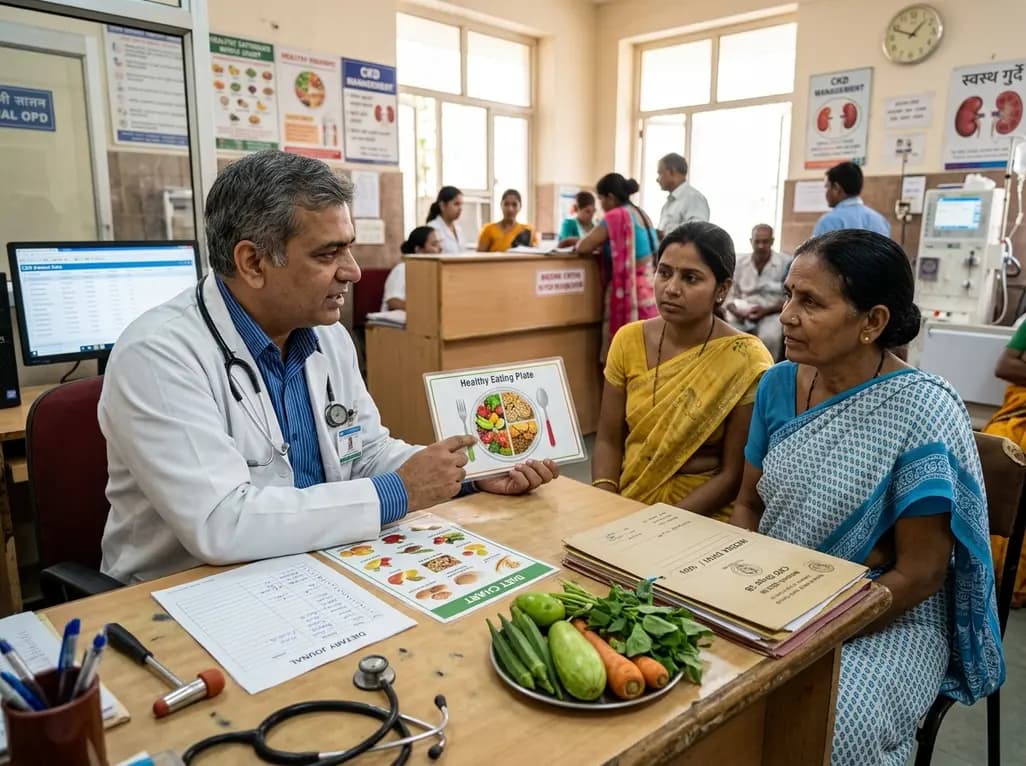
A large NHANES cohort study reveals that higher Healthy Eating Index scores significantly reduce all-cause mortality risk in CKD patients by 45%. This analysis highlights the importance of comprehensive diet quality and medical nutrition therapy in renal care to optimize long-term clinical survival.
Today

A prospective cohort study demonstrates that poor adolescent sleep quality, especially long sleep latency and reduced efficiency, increases dysmenorrhea severity in young adulthood. Addressing adolescent rest patterns offers a critical preventive avenue for clinicians.
Today
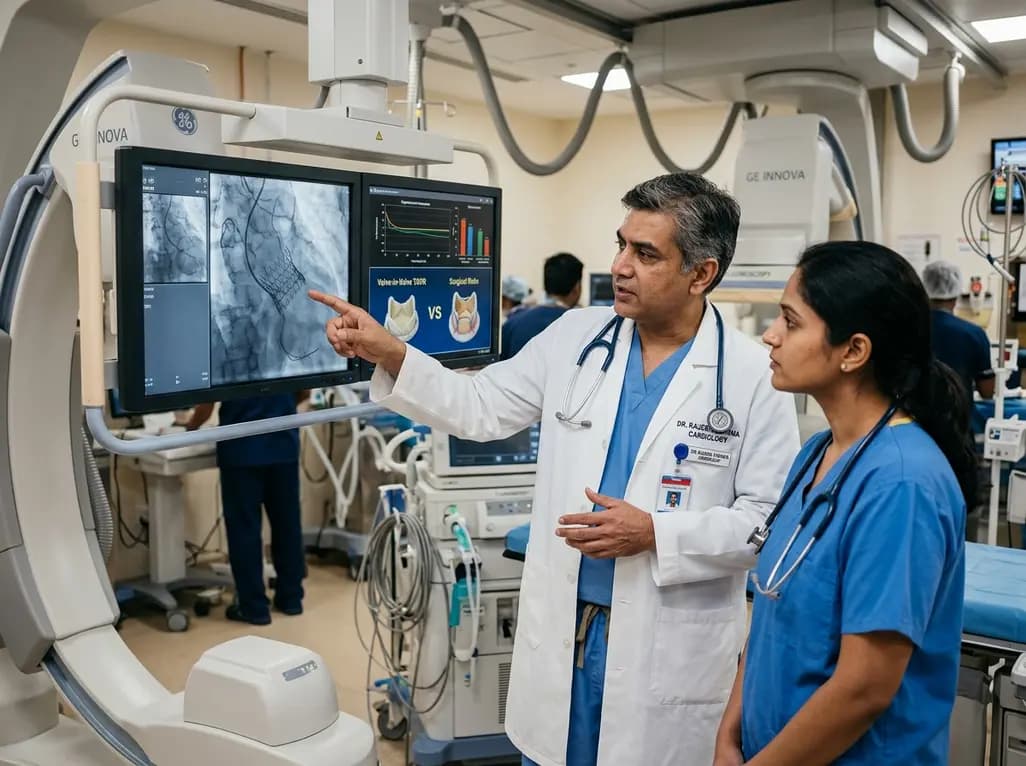
A meta-analysis of 13 propensity score-matched studies shows ViV-TAVR delivers lower early mortality and reduced bleeding compared to redo-SAVR for degenerated bioprosthetic aortic valves, though long-term hemodynamics warrant careful anatomical and patient-centered evaluation.
Today
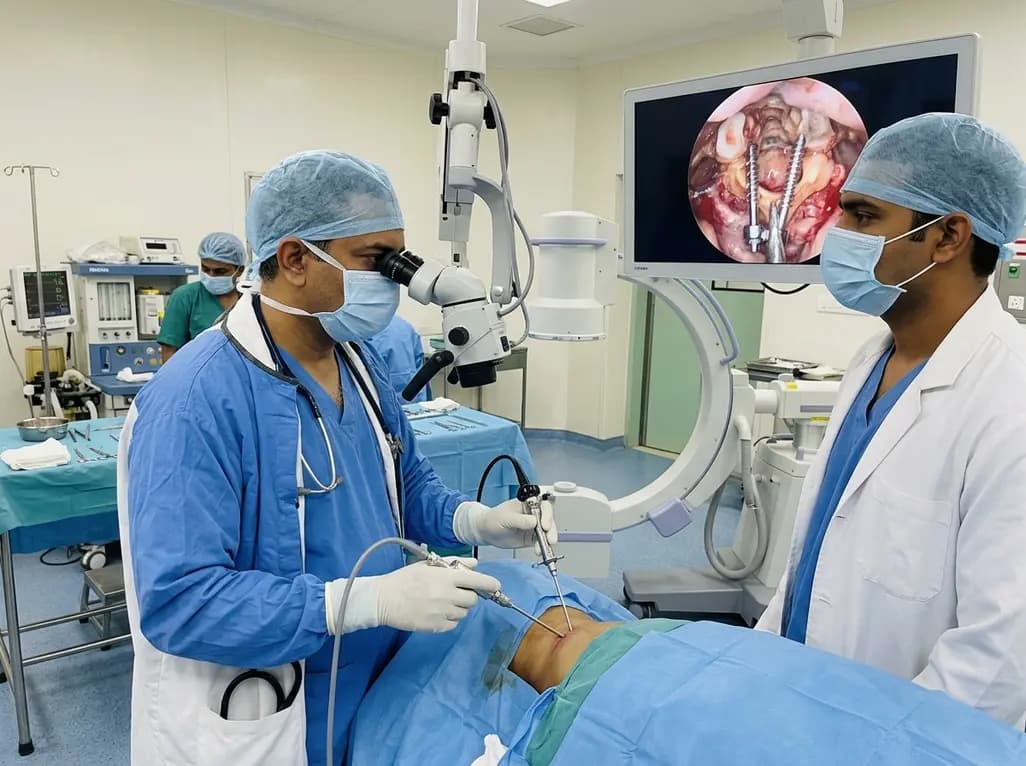
Endoscopic posterior cervical fusion combines minimally invasive decompression, joint preparation, and rigid screw-rod fixation for atlantoaxial pathologies. Early clinical findings demonstrate solid bony union, excellent symptom relief, and minimal soft-tissue morbidity without significant vascular compromise.
Today
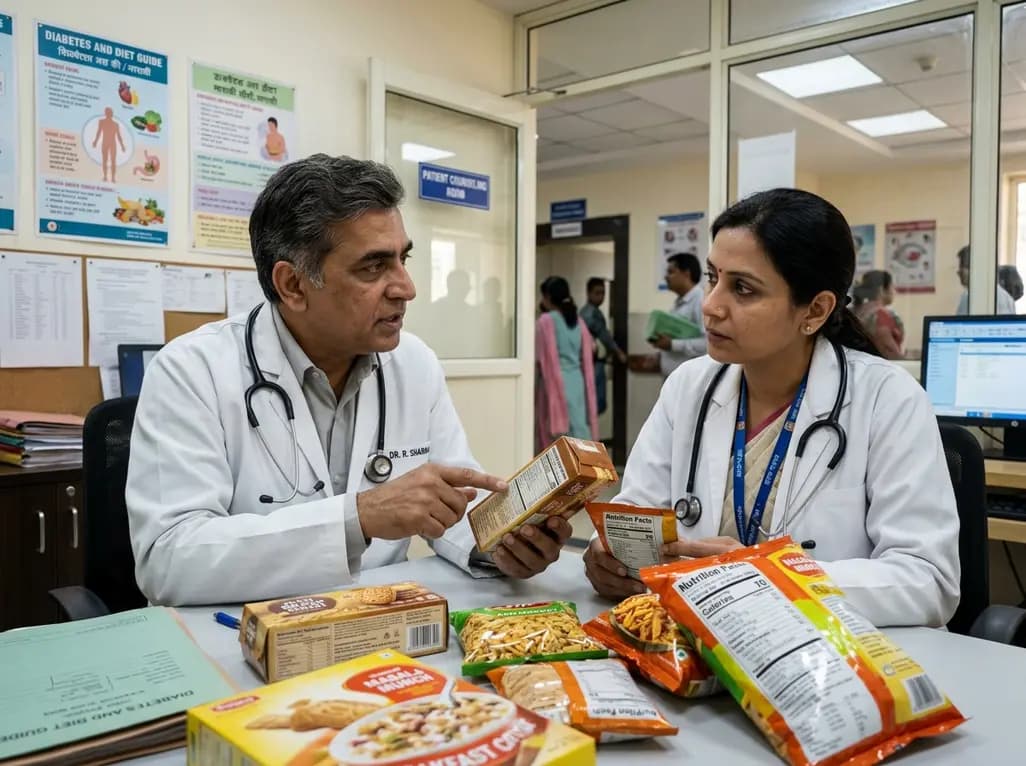
The All-India Food Processors' Association has approached the Supreme Court to oppose FSSAI's proposed per-100g benchmark for front-of-pack warning labels, advocating instead for a per-serving threshold. We explore the regulatory showdown, nutritional evidence, and implications for clinical lifestyle counseling.
Today
