.webp&w=384&q=75)

Loading, please wait...
Loading, please wait...
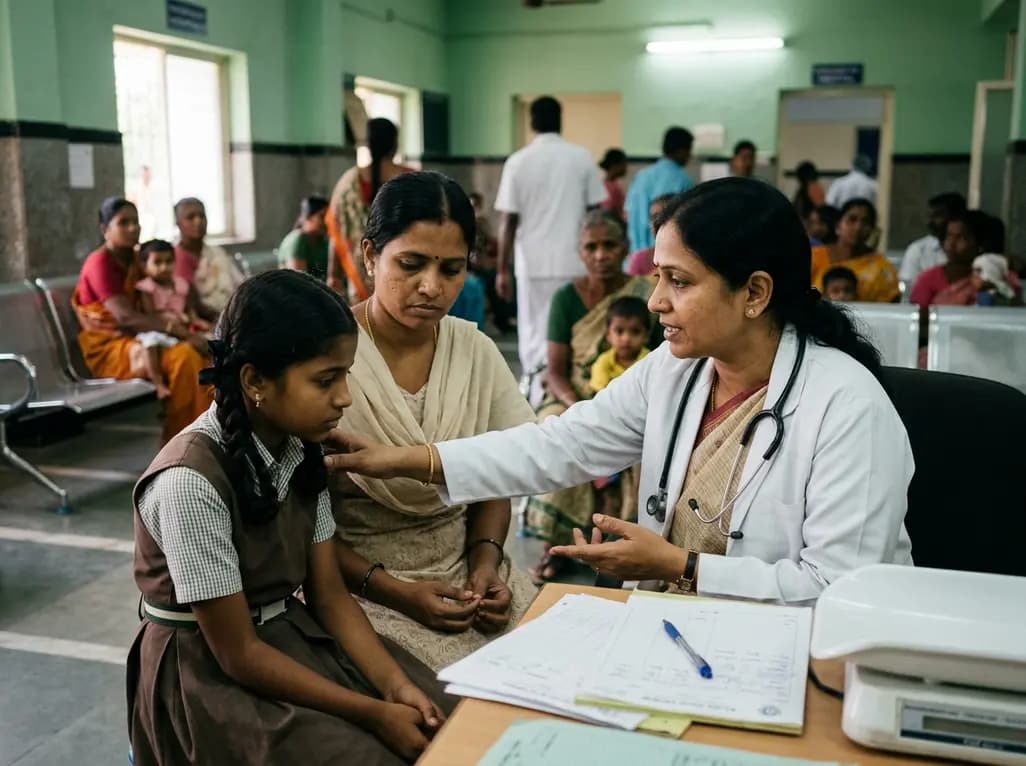
Early life health adversity significantly influences psychological development during the transition from adolescence to young adulthood. While traditional studies often evaluate environmental trauma or chronic medical conditions in isolation, health-related challenges during early childhood create distinct developmental risks. Researchers defined early life health adversity as physiological complications, neonatal hospitalizations, and severe childhood physical health conditions occurring from birth through five years of age. Understanding this distinction allows pediatricians and primary care clinicians to identify vulnerable youth long before clinical symptoms emerge.
Longitudinal research demonstrates that physical health challenges during early childhood leave long-lasting marks on psychological well-being. Early medical stressors can disrupt neurobiological development, alter physiological stress response systems, and increase overall emotional vulnerability. Consequently, children experiencing early physiological adversity face elevated risks of developing internalizing disorders such as generalized anxiety and major depressive disorder. Moreover, early health disruptions often alter family dynamics, increasing parental stress and influencing early caregiving relationships. By evaluating health adversity alongside social stressors, clinicians gain a comprehensive understanding of a child's psychological trajectory. Early recognition enables healthcare providers to implement targeted monitoring strategies during key developmental transitions.
Longitudinal evidence confirms a direct relationship between early health challenges and internalizing symptoms from ages 15 to 20. Importantly, early life health adversity demonstrates a persistent and robust association with anxiety disorders throughout late adolescence and early adulthood. When researchers controlled for current physical health status and traditional environmental trauma, the link between early health adversity and youth anxiety remained statistically significant. This finding demonstrates that early somatic stress independently increases long-term anxiety risk regardless of ongoing physical health problems or social hardship.
This persistent risk highlights the unique vulnerability of pediatric stress pathways. Early medical interventions, hospital admissions, or chronic infant illnesses may calibrate stress response mechanisms towards heightened threat perception. Consequently, affected individuals frequently report elevated worry, panic symptoms, and social anxiety during young adulthood. Furthermore, persistent somatic anxiety can complicate management of routine physical illnesses later in life. Primary care clinicians must recognize that a patient's historical medical burden continues to shape emotional resilience years after initial resolution. Establishing routine anxiety screening protocols for youth with significant early medical histories provides an effective pathway for timely therapeutic intervention and preventive care.
The developmental trajectory connecting early health challenges to youth depressive disorders reveals a more complex relationship. Unlike anxiety, the association between early life health adversity and youth depression depends significantly on maternal mental health status. Prospective longitudinal data indicate that early health adversity predicts youth depressive disorders primarily when mothers have a history of depression. When maternal depression is absent, early physical health challenges do not independently elevate youth depression risk in early adulthood.
This interactive effect underscores the profound influence of maternal psychological resilience on child developmental outcomes. A mother suffering from depression may face increased difficulty buffering a chronically ill infant or young child against physiological stress. Consequently, the combination of maternal affective distress and early medical adversity creates a cumulative vulnerability for the developing child. In addition, caring for a vulnerable infant can intensify maternal depressive symptoms, creating a reciprocal risk environment. Recognizing this mother-youth dyadic risk is crucial for primary care clinicians and pediatricians. Family-centered assessment strategies must evaluate both maternal emotional well-being and early child health status to accurately identify families requiring specialized psychological support.
Pediatric primary care clinics serve as the front line for identifying youth at risk for internalizing disorders. Because pediatricians maintain longitudinal relationships with families from birth through adolescence, they are uniquely positioned to track early life health adversity. Incorporating systematic health history reviews during routine wellness visits helps clinicians identify children who experienced early physiological stress. Primary care teams can then implement targeted developmental and emotional surveillance throughout childhood and adolescence.
Routine mental health screenings represent a vital component of proactive pediatric practice. Screening tools should specifically evaluate anxiety and depressive symptoms in youth with documented early medical hardship. Additionally, screening protocols must extend to maternal emotional health, given the strong interactive effect between maternal depression and youth mood disorders. Healthcare systems should adopt integrated care models that co-locate mental health specialists within pediatric clinics. This structural integration facilitates immediate warm handoffs, reduces stigma, and enhances patient engagement. By intervening during early primary care contacts, clinicians can mitigate long-term psychiatric morbidity and support healthier developmental transitions into adulthood.
Implementing comprehensive screening protocols requires practical strategies adapted for busy clinical workflows. Primary care providers should utilize standardized, validated instruments such as the Generalized Anxiety Disorder scale and the Patient Health Questionnaire. Administering these tools during adolescent health maintenance examinations allows clinicians to detect subtle internalizing symptoms before severe functional impairment occurs. Furthermore, electronic health record systems can automate prompts for maternal depression screening during early well-child visits.
In addition to formal screening, clinicians should foster open communication regarding early physical health struggles. Educating parents and youth about the connection between early medical stress and emotional health empowers families to seek support early. When screenings indicate elevated distress, primary care teams should provide psychoeducation, brief supportive counseling, or direct referrals to specialized behavioral health services. Collaborative care management, where nurses or care coordinators follow up with at-risk dyads, significantly improves treatment adherence. Ultimately, integrating mental health vigilance into routine pediatric care establishes a protective safety net for vulnerable youth transitioning into adulthood.
Understanding the longitudinal mechanisms of psychopathology requires continued research into early physiological stressors. Future studies must examine specific biological pathways, such as inflammatory markers and neuroendocrine function, that mediate early health adversity and anxiety. Investigating protective factors, such as positive parenting and strong social support, will also clarify how resilient youth successfully navigate early physical challenges. Furthermore, researchers should evaluate whether early interventions aimed at maternal depression can alter the mental health trajectories of children with health adversity. Expanding longitudinal research across diverse socio-demographic populations will ensure broader clinical applicability and improve preventive mental health paradigms worldwide.
Early life health adversity refers to physical health complications, neonatal intensive care admissions, chronic physical conditions, and severe childhood illnesses occurring between birth and five years of age. Unlike general adversity, it specifically focuses on physiological health stressors that impact early neurobiological development and emotional resilience in children.
Maternal depression interacts with early life health adversity to significantly increase a youth's risk for depressive disorders in adulthood. While early health adversity independently predicts anxiety disorders, it predicts depressive disorders primarily when mothers have experienced depression, highlighting the critical role of maternal psychological support and dyadic health.
Pediatric primary care provides continuous longitudinal contact with children and mothers from infancy through adolescence. Pediatricians can systematically track early health stressors, conduct routine mental health screenings for both mothers and youth, and deliver early interventions before internalizing disorders become chronic or functionally disabling in young adulthood.
Disclaimer: This content is for informational and educational purposes only. It is not intended as a substitute for professional medical advice, diagnosis, or treatment. Refer to the latest local and national guidelines for clinical practice.
References
Engel ML et al. Early life health adversity and internalizing disorders in the transition from adolescence to adulthood. Dev Psychopathol. 2025 Oct. doi: 10.1017/S0954579424001421. PMID: 39410755.
Brennan PA et al. Maternal depression and offspring psychopathology: Longitudinal perspectives and clinical implications. J Child Psychol Psychiatry. 2022;63(4):412-425.

Read summarized clinical updates, watch expert medical content, and earn CME certifications right from your smartphone.
Open your smartphone camera to scan and install.





A prospective longitudinal study reveals that early life health adversity independently increases anxiety risk from adolescence to young adulthood. Depressive risk is heightened when combined with maternal depression, emphasizing the need for dyadic mental health screening in pediatric primary care.
2 months ago

Novel diimide and hydrazone scaffolds, particularly compound #C4, synergistically reactivate latent HIV-1 when combined with JQ1 or PKC activators. Demonstrating donor-matched proviral transcription ex vivo and non-canonical signaling, these findings advance shock and kill strategies toward reservoir eradication.
Today

A cross-sectional study reveals that maternal RSV vaccination coverage reached only 43.7% in Argentina, with maternal vaccine knowledge being the sole independent predictor of uptake. Clinicians play a crucial role in eliminating informational and structural barriers to optimize infant health.
Today

Review how tailored exercise programs benefit frail older patients with heart failure. Explore pathophysiological mechanisms, individualized training prescriptions, and strategies to overcome adherence barriers in clinical practice.
Yesterday

This comparative study evaluates posterior labral tears with and without glenohumeral instability, highlighting distinct demographic patterns, MRI underestimation in stable shoulders, and successful arthroscopic repair outcomes.
Yesterday

A clinical study demonstrates that early intervention with tocilizumab, either as monotherapy or bridged with corticosteroids, achieves significant proptosis reduction and resolves active inflammation in treatment-naive thyroid eye disease.
Yesterday
