.webp&w=384&q=75)

Loading, please wait...
Loading, please wait...
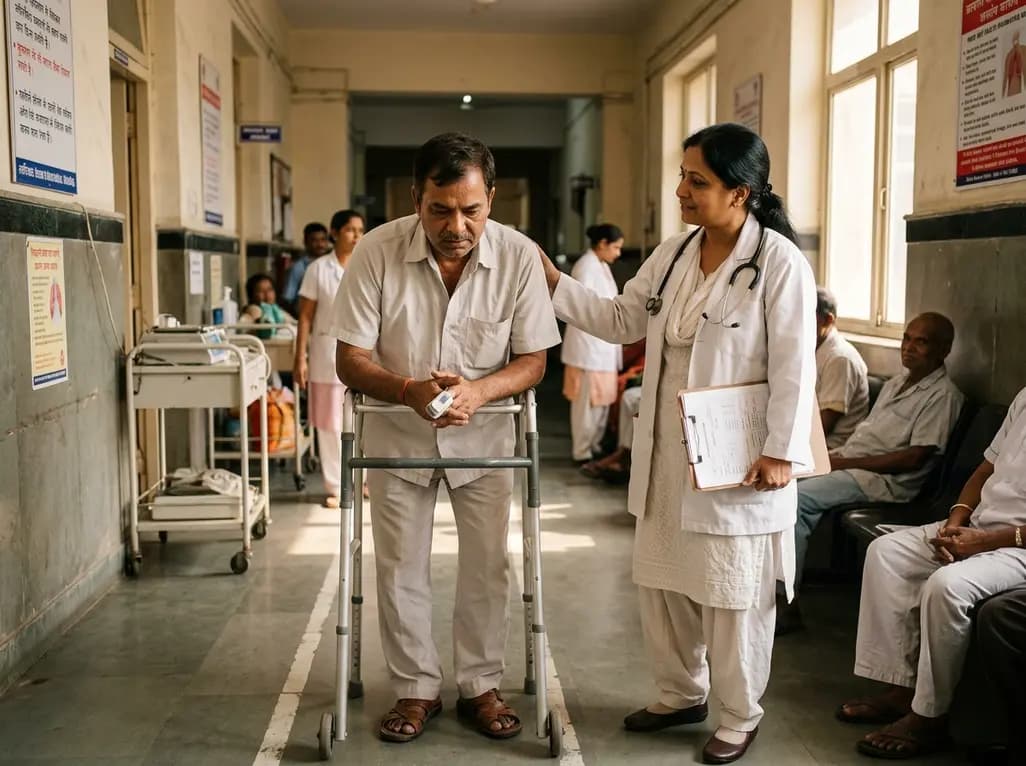
Chronic obstructive pulmonary disease frequently causes severe exercise intolerance and progressive physical deconditioning. However, psychological factors often amplify these functional limitations. Recent clinical investigations highlight dyspnea-related fear of movement as a major contributor to poor physical performance. When patients develop an overwhelming fear of breathlessness, they actively avoid physical exertion. Consequently, this behavioral avoidance initiates a self-reinforcing downward spiral of deconditioning and social withdrawal. Clinicians must recognize that breathlessness beliefs significantly influence long-term respiratory outcomes.
Patients with chronic obstructive pulmonary disease frequently experience significant anxiety during daily physical exertion. Consequently, many individuals develop dyspnea-related fear of movement, also described in clinical literature as dyspnea-induced kinesiophobia. This maladaptive behavioral pattern creates a debilitating cycle of symptom anticipation and self-imposed mobility restriction. When patients perceive acute breathlessness as a dangerous physical threat, they intentionally restrict routine activities. As a result, sedentary behaviors become deeply entrenched over time.
Furthermore, this sustained physical inactivity accelerates neuromuscular and cardiovascular deconditioning across multiple physiological systems. As skeletal muscles lose mass and oxidative capacity, minor physical activities trigger severe breathlessness at lower metabolic workloads. Therefore, patients assume their underlying lung pathology is worsening rapidly, which reinforces their fear-avoidance beliefs. Clinicians frequently evaluate this psychological construct using validated tools such as the Breathlessness Beliefs Questionnaire. This instrument quantifies catastrophic thinking regarding exertion and functional avoidance behaviors. Recognizing these specific psychological patterns allows physicians to distinguish physiological ventilatory impairment from psychogenic movement restriction. Thus, addressing breathlessness beliefs provides a vital therapeutic target within modern pulmonary rehabilitation frameworks.
Recent cross-sectional clinical evaluations demonstrate clear correlations between fear-avoidance beliefs and standardized respiratory metrics. Specifically, subjective perception of dyspnea, measured via the Modified Medical Research Council scale, strongly predicts fear levels. Patients with higher baseline dyspnea scores demonstrate greater activity avoidance because past episodes of severe air hunger provoke psychological distress. Moreover, advanced Global Initiative for Chronic Obstructive Lung Disease stages correlate directly with elevated breathlessness fear.
In addition, objective physiological parameters reflect this psychological burden in routine clinical evaluations. Spirometric reductions in forced expiratory volume in one second mirror heightened fear scores across patient cohorts. However, subjective symptom perception frequently correlates more strongly with movement fear than airflow limitation alone. Furthermore, maximal inspiratory and expiratory pressures demonstrate measurable decline in fearful individuals. Impaired respiratory muscle strength significantly reduces ventilatory reserve during exertion. Consequently, affected individuals experience dynamic hyperinflation and respiratory discomfort much earlier in the exercise cycle. When clinicians evaluate these multifaceted clinical parameters together, they obtain clear insights into how physiological deficits drive behavioral avoidance. Therefore, comprehensive pulmonary testing must systematically combine objective spirometry with validated symptom perception scales.
Beyond ventilatory limitations, peripheral musculoskeletal adaptations and neuromuscular impairments strongly influence fear-avoidance behaviors. Specifically, quadriceps muscle strength, measured using digital dynamometry, demonstrates an inverse relationship with movement fear. As patients restrict their ambulation, peripheral lower extremity weakness progresses rapidly. Consequently, weakened leg muscles increase the relative metabolic demand of simple locomotor tasks, triggering premature exertional dyspnea.
Furthermore, balance impairments and postural instability correlate significantly with fear of movement. When clinicians assess balance using the Mini-Balance Evaluation Systems Test, patients with higher fear scores consistently exhibit impaired postural control. Postural instability increases the subjective risk of falling, compounding the patient's existing reluctance to mobilize. Additionally, functional exercise capacity, assessed via the standard six-minute walk test, declines markedly in fearful patients. Reduced walking distance directly reflects the dual impact of skeletal muscle deconditioning and psychological restriction. Therefore, clinicians must recognize that peripheral weakness and postural deficits do not merely reflect physical disease progression. Instead, they represent both causes and consequences of chronic kinesiophobia. Addressing peripheral physical capacity is therefore essential for breaking this self-perpetuating cycle.
Integrating psychological and functional assessments into routine pulmonary consultations substantially enhances clinical decision-making. Clinicians should not rely solely on resting spirometry to estimate patient functional capacity. Instead, practitioners must incorporate structured questionnaires like the Breathlessness Beliefs Questionnaire alongside traditional dyspnea scales. Evaluating activity avoidance allows multidisciplinary care teams to identify individuals at elevated risk of rapid physical decline.
Moreover, clinicians should regularly measure peripheral muscle strength and balance performance during standard outpatient evaluations. Digital dynamometry offers an accessible, objective method for monitoring quadriceps weakness in clinical settings. Similarly, short balance screening tools provide rapid insights into fall vulnerability and dynamic postural stability. When healthcare teams identify concomitant respiratory muscle weakness, measuring maximal inspiratory pressure provides actionable data for targeted training. Furthermore, tracking functional exercise capacity with the six-minute walk test offers a reliable baseline for monitoring therapeutic progress. Combining these objective physical metrics with subjective fear-avoidance scores generates a comprehensive biopsychosocial profile. Consequently, clinicians can tailor individualized treatment plans that target both physiological deficits and psychological barriers simultaneously.
Pulmonary rehabilitation serves as the cornerstone for breaking the cycle of dyspnea-related fear. Structured exercise programs combine aerobic conditioning, peripheral resistance training, and specific respiratory muscle exercises. By engaging in supervised physical exertion, patients gradually learn that exertional breathlessness does not indicate impending physiological harm. This controlled desensitization recalibrates cognitive perceptions of dyspnea and reduces movement anxiety.
Additionally, healthcare providers should incorporate cognitive behavioral techniques into exercise regimens. Educating patients about breathing mechanics, pacing strategies, and relaxation methods empowers them during physical activities. Pursed-lip breathing and diaphragmatic control techniques help manage acute dynamic hyperinflation, thereby reducing panic during exertion. Furthermore, targeted balance training and lower-limb resistance exercises restore postural confidence and peripheral strength. As quadriceps endurance improves, everyday functional tasks require lower relative cardiopulmonary effort. Consequently, patients experience fewer dyspneic episodes during routine daily living. Ultimately, an integrated approach combining physical rehabilitation with psychological support delivers superior functional outcomes. Clinicians can thus empower patients with chronic obstructive pulmonary disease to maintain independence, mobility, and long-term quality of life.
Sustaining long-term mobility in chronic respiratory disease requires continuous multidisciplinary collaboration. Pulmonologists, physical therapists, clinical psychologists, and primary care physicians must align their clinical strategies. Regular follow-up evaluations should monitor changes in dyspnea perception, walking capacity, and fear-avoidance behaviors. When clinicians identify recurring avoidance tendencies, early intervention prevents secondary physical deterioration and hospital readmissions.
Furthermore, home-based maintenance programs and digital health interventions help patients sustain rehabilitation gains. Wearable activity monitors and tele-rehabilitation platforms provide positive feedback, encouraging consistent daily physical activity. Peer support groups and structured patient education sessions also reduce catastrophic health beliefs. When patients understand that mild exertional breathlessness is safe, their self-efficacy improves significantly. Consequently, individuals maintain higher levels of physical independence and social engagement over the disease trajectory. In conclusion, managing chronic lung disease requires addressing both pulmonary pathophysiology and behavioral barriers. By systematically identifying and treating fear-avoidance beliefs, clinicians optimize therapeutic outcomes and enhance overall patient well-being.
Dyspnea-related fear of movement causes patients to intentionally avoid daily physical exertion. Consequently, prolonged sedentary behavior accelerates peripheral muscle atrophy, reduces cardiovascular endurance, and worsens postural balance. As physical deconditioning progresses, even minimal physical activities trigger severe breathlessness at lower exertion thresholds. This dynamic reinforces avoidance beliefs, leading to social isolation, frequent exacerbations, diminished independence, and reduced overall quality of life.
Clinicians evaluate fear of movement primarily using the Breathlessness Beliefs Questionnaire and the Tampa Scale for Kinesiophobia. Additionally, practitioners combine these subjective psychometric tools with objective functional measures. These clinical evaluations include the Modified Medical Research Council dyspnea scale, the six-minute walk test, quadriceps digital dynamometry, and the Mini-Balance Evaluation Systems Test. Together, these tools provide a complete assessment of physical and psychological limitations.
Comprehensive pulmonary rehabilitation effectively reduces movement fear by combining supervised exercise training with cognitive behavioral education. Graded aerobic and resistance exercises gradually desensitize patients to exertional breathlessness in a safe clinical environment. Furthermore, teaching controlled breathing techniques, such as pursed-lip breathing, helps patients manage acute dyspnea symptoms. Progressive quadriceps strengthening and balance training restore physical confidence, breaking the cycle of chronic physical avoidance.
Disclaimer: This content is for informational and educational purposes only and should not be considered medical advice. Always consult a qualified healthcare professional regarding any medical condition or treatment. Refer to the latest local and national guidelines for clinical practice.
References

Read summarized clinical updates, watch expert medical content, and earn CME certifications right from your smartphone.
Open your smartphone camera to scan and install.





A cross-sectional study demonstrates that dyspnea-related fear of movement in COPD significantly correlates with mMRC dyspnea score, GOLD stage, spirometry, quadriceps strength, balance, and 6-minute walk distance, underscoring the need for targeted rehabilitation.
last month

With post-monsoon dengue surges threatening South Asian health systems, physicians must refine triage and management. This guide covers vital warning signs, plasma leakage detection, crystalloid titration, and vector containment strategies to prevent mortality during seasonal arboviral epidemics.
Today

Findings from Project Viva indicate that sustained postpartum weight retention, rather than excessive gestational weight gain alone, directly worsens women's mid-life cardiovascular health, degrading blood pressure and glycemic parameters decades after delivery.
Today
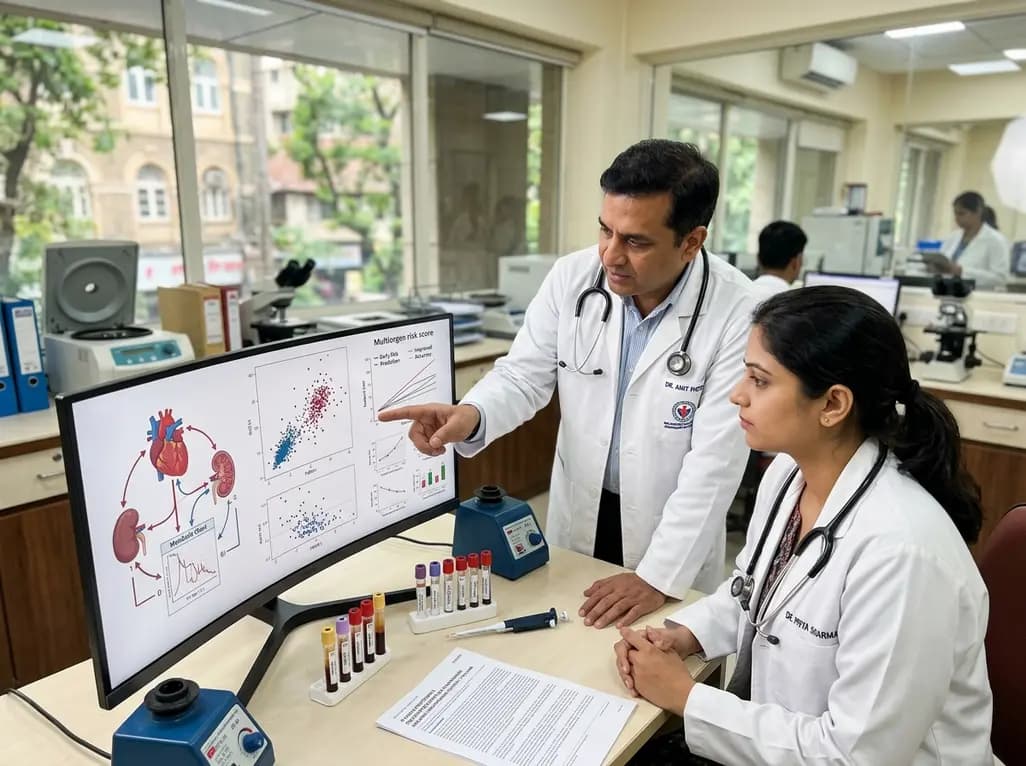
A large UK Biobank study reveals that plasma proteomic signatures capture preclinical organ damage and improve multiorgan risk prediction across early CKM syndrome stages 0 to 2 beyond traditional PREVENT clinical models.
Today

A retrospective CBCT study reveals that superior TMJ space asymmetry correlates moderately with occipital condyle-atlas-axis asymmetry in unilateral TMJ osteoarthritis, highlighting an imaging correlate between jaw biomechanics and upper cervical alignment rather than a standalone diagnostic marker.
Today

A Bayesian multilevel meta-analysis reveals that aerobic training combined with moderate carbohydrate restriction modestly lowers HbA1c in type 2 diabetes. However, sparse data and very low certainty leave incremental benefits over exercise or diet alone unproven, highlighting the need for individualized care.
Today
