.webp&w=384&q=75)

Loading, please wait...
Loading, please wait...
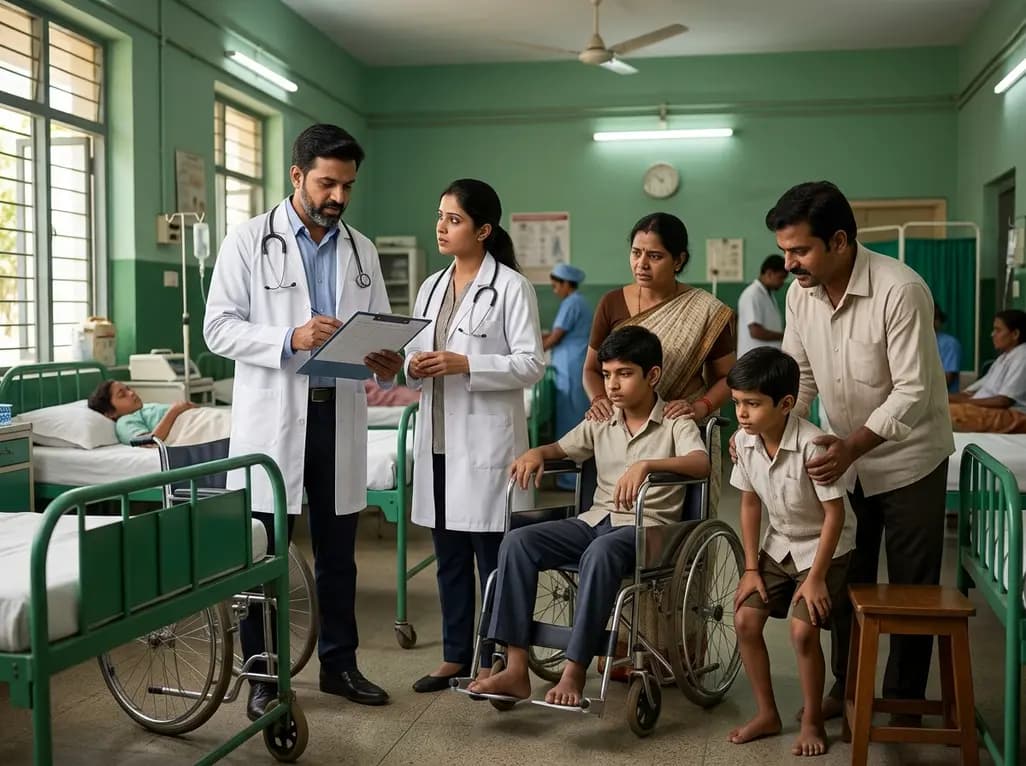
Duchenne Muscular Dystrophy (DMD) remains one of the most challenging X-linked neuromuscular disorders, primarily affecting young males. Characterized by the absence of functional dystrophin protein, the disease leads to relentless muscle degeneration, loss of mobility, and eventually, life-threatening respiratory and cardiac failure. Recent research highlights that tracking Duchenne Muscular Dystrophy progression is essential for both clinical management and economic planning. A landmark retrospective study in Sweden recently examined the natural history and economic impact of DMD, providing a roadmap for clinicians worldwide. By utilizing data from national health and social registers, researchers have quantified the time spent in various stages of the disease. This data is vital for Indian clinicians, where the prevalence of DMD is high, yet structured economic data remains sparse. Understanding the transition from ambulatory to non-ambulatory phases allows healthcare providers to anticipate complications and optimize supportive care. Furthermore, documenting the escalating costs associated with each clinical stage underscores the urgent need for therapeutic interventions that can effectively delay the decline in muscle function. Consequently, this study serves as a critical baseline for assessing the value of novel gene therapies and corticosteroids in real-world settings.
The progression of DMD is often categorized using specialized frameworks like the HERCULES model. This model divides the disease course into four distinct stages based on functional capacity and the need for assistance. In the Swedish study, patients diagnosed with DMD (mean age of 4.9 years) spent an average of 3.8 years in Stage 1 and 4.8 years in both Stages 2 and 3. The longest duration was observed in Stage 4, where patients spent an average of 7.4 years. Stage 1 typically involves early symptoms such as gait abnormalities and the Gowers' sign, while Stage 2 marks the transition toward increasing difficulty in walking. By Stage 3, patients usually require significant assistance for mobility, eventually losing ambulation entirely by Stage 4. Notably, the time spent in later stages has increased over the decades due to improved supportive care, including the widespread use of glucocorticoids. However, this extended survival also means patients spend more years in states of high dependency. Clinicians must recognize that Duchenne Muscular Dystrophy progression is not just a clinical metric but a period of profound psychosocial and financial change for the entire family unit. Accurate staging helps in predicting the onset of scoliosis, cardiomyopathy, and respiratory insufficiency, allowing for preemptive management strategies.
Pharmacological management remains the cornerstone of delaying DMD symptoms. Glucocorticoids, specifically prednisolone and deflazacort, are utilized by approximately 84% of the DMD population in the Swedish registry. These medications are instrumental in prolonging ambulation and maintaining respiratory function. From a financial perspective, the annual direct medical costs for DMD patients were significantly higher than those of matched controls, totaling approximately €14,590 compared to just €660 for healthy individuals. These medical costs include frequent hospital visits, specialized consultations with neurologists and cardiologists, and necessary diagnostic imaging. In the Indian context, the medical cost landscape is often dominated by out-of-pocket expenses for medications and rehabilitation services. Furthermore, the availability of newer steroid alternatives and exon-skipping therapies is beginning to shift the medical expenditure paradigm. While direct medical costs are substantial, they often represent only a fraction of the total economic impact of the disease. Consequently, analyzing medical resource utilization is essential for hospital administrators and policymakers to allocate appropriate funding for rare disease centers. Effective medical management at early stages can potentially reduce the frequency of acute hospitalizations related to respiratory crises later in life.
The most striking finding of recent economic analyses is the dominance of non-medical costs over direct clinical expenses. In the Swedish study, direct non-medical costs accounted for a staggering 89% of the total economic burden, amounting to approximately €135,671 annually. The primary driver of these costs is personal assistance, which becomes indispensable as muscle function declines. As patients move into the later stages of DMD, the need for round-the-clock care, home modifications, and specialized transport increases exponentially. Additionally, the burden on caregivers, who often have to reduce their working hours or leave the workforce entirely, adds a significant indirect economic cost that is difficult to fully capture. This societal burden reflects the intensive level of support required to maintain a reasonable quality of life for non-ambulatory patients. In resource-limited settings, these non-medical costs are often borne entirely by the family, leading to severe financial distress. Therefore, healthcare systems must look beyond the hospital walls to understand the true cost of the disease. Providing better social support and assistive technologies can alleviate some of the pressure on families. Ultimately, the high cost of later-stage care emphasizes the economic value of early-stage treatments that can maintain independence for as long as possible.
The findings from European registries offer significant insights for the management of DMD in India. While India faces unique challenges such as late diagnosis and limited access to multidisciplinary care, the underlying disease trajectory remains consistent. Recent Indian studies have identified that the national economic burden of DMD is immense, with a significant portion of family income spent on unscientific or unapproved therapies. Moreover, the lack of a robust insurance framework for rare diseases means that many patients do not receive optimal corticosteroid therapy or standardized physical rehabilitation. The Indian Association of Physical Medicine and Rehabilitation (IAPMR) has developed guidelines to standardize care, emphasizing the importance of early diagnosis and supportive interventions. However, the high cost of emerging gene therapies, often cited in the range of several crores, remains a barrier to access. Clinicians in India must focus on aggressive early management using affordable, evidence-based treatments like prednisolone to delay the onset of severe disability. By understanding the Swedish data on Duchenne Muscular Dystrophy progression, Indian practitioners can better counsel families on the long-term requirements for personal assistance and specialized equipment. Strengthening national rare disease registries is also a vital step toward quantifying the local burden and advocating for better health policy.
The progression of DMD imposes a profound economic and clinical weight on patients, their families, and the broader healthcare system. The Swedish data clearly illustrates that as the disease advances, the reliance on non-medical support and personal assistance drives the majority of the financial burden. This highlights a critical window for intervention during the early ambulatory stages. Effective clinical management that delays the loss of ambulation by even a few years can significantly reduce the cumulative cost of care and improve the patient's quality of life. Furthermore, a multidisciplinary approach involving neurologists, physiotherapists, and social workers is essential for navigating the complex needs of these patients. While medical advancements like gene therapy offer hope for the future, the current focus must remain on optimizing the standard of care. This includes consistent steroid use, cardiac monitoring, and proactive respiratory support. By recognizing the high societal costs associated with late-stage disease, policymakers can better appreciate the cost-effectiveness of investing in early diagnostic programs and accessible treatments. Ultimately, the goal is to shift the narrative from managing a terminal illness to supporting a chronic condition with dignity and adequate social resources. Early, aggressive, and well-coordinated care remains the most effective tool for mitigating the impact of this devastating disorder.
The HERCULES model categorizes Duchenne Muscular Dystrophy into four stages based on mobility and dependency. Stage 1 involves early symptomatic patients who are ambulatory. Stage 2 includes those with declining ambulatory function. Stage 3 represents the transfer phase where walking becomes difficult, requiring assistive devices. Finally, Stage 4 defines the non-ambulatory phase, where patients are wheelchair-dependent and require extensive personal assistance for activities of daily living and respiratory support.
Non-medical costs dominate the economic burden because patients with advanced DMD require intensive, 24-hour personal assistance and specialized equipment. As muscle loss progresses, families must invest in home modifications, power wheelchairs, and specialized transport. In many healthcare systems, the cost of professional caregiving and the loss of productivity for family members who provide informal care far outweigh the expenses related to hospital visits, diagnostic tests, and pharmacological treatments.
Early medical intervention, particularly the use of corticosteroids and multidisciplinary rehabilitation, aims to delay disease progression. By extending the period during which a patient is ambulatory and independent, the high costs associated with late-stage disability are deferred. This reduces the immediate need for home modifications and full-time personal assistance. Additionally, delaying complications like cardiomyopathy and respiratory failure prevents expensive emergency hospitalizations and intensive care stays, ultimately lowering the total societal cost of care.
Disclaimer: This content is for informational and educational purposes only and does not constitute medical advice or professional services. The information provided should not be used for diagnosing or treating a health problem or disease. Patients and their families should always seek the advice of their physician or other qualified health provider regarding a medical condition. Never disregard professional medical advice or delay in seeking it because of something you have read here. Refer to the latest local and national guidelines for clinical practice.
References
Sejersen T et al. Disease progression and economic burden of duchenne muscular dystrophy: A retrospective study using Swedish register data. J Neuromuscul Dis. 2026 Jul 04. doi: 10.1177/22143602261458431. PMID: 42400353.
Pandya S et al. Economic burden of Duchenne muscular dystrophy from a societal perspective in Mumbai, India. J Postgrad Med. 2026 Mar 16. doi: 10.4103/jpgm.jpgm_123_25. PMID: 38456123.
Indian Association of Physical Medicine & Rehabilitation. Clinical Practice Guidelines for Duchenne Muscular Dystrophy (DMD) Management in the Indian Context. IAPMR. 2025.
Status of Clinical Care of Duchenne Muscular Dystrophy: Global Perspective and Situation in India. ResearchGate. 2026 Apr 04.

Read summarized clinical updates, watch expert medical content, and earn CME certifications right from your smartphone.
Open your smartphone camera to scan and install.





A comprehensive analysis of Duchenne Muscular Dystrophy (DMD) disease progression and its significant economic burden. Using the HERCULES model, researchers quantify medical and non-medical costs, emphasizing the critical role of personal assistance and the urgent need for early, effective clinical interventions.
3 months ago
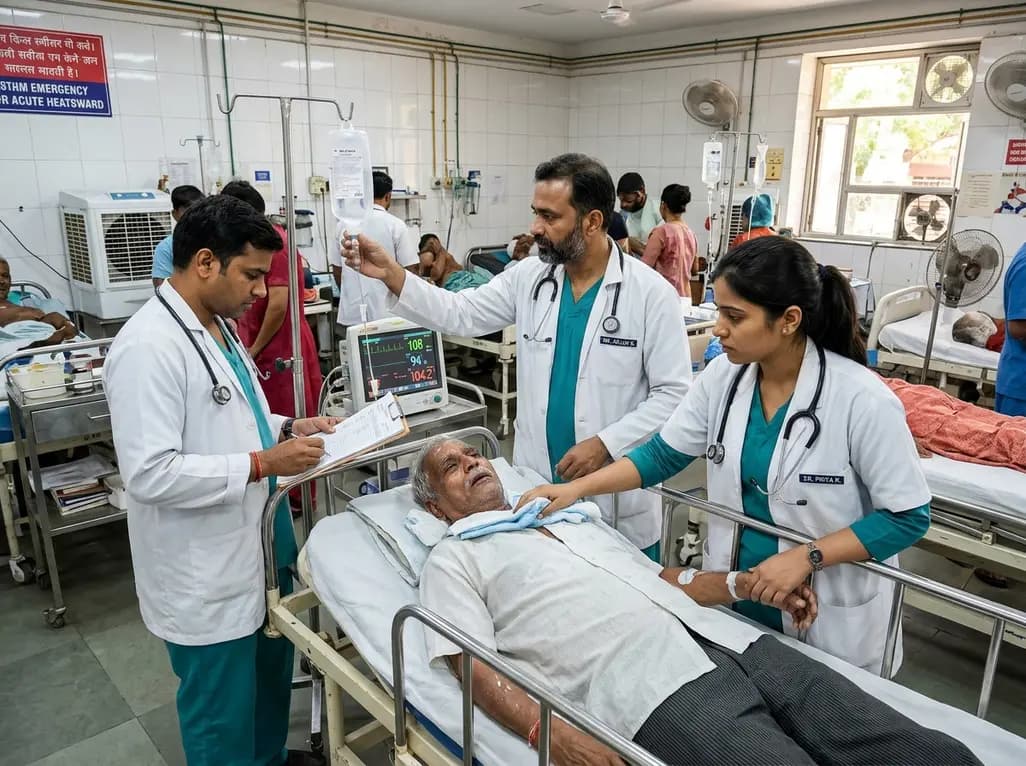
Recent epidemiological data reveals a dramatic surge in summer heat mortality driven by human-induced climate warming. This analysis explores the pathophysiological impacts on cardiac and renal systems, diagnostic dilemmas in death certification, and essential emergency cooling protocols for acute clinical care.
Today

Odisha has established India's first state-level clinical protocol specifically tailored for pregnant women with sickle cell disease. Developed with NHM and UNICEF, the framework provides structured antenatal screening, crisis mitigation, standardized referral pathways, and specialized interdisciplinary care.
Today

India is advancing preventive healthcare by integrating genomics, artificial intelligence, and quantum technologies. With the SANGAM programme sequencing one million Indian genomes, clinicians can unlock personalized therapies, detect cardiometabolic risks early, and curb the burden of diabetes and heart disease.
Today
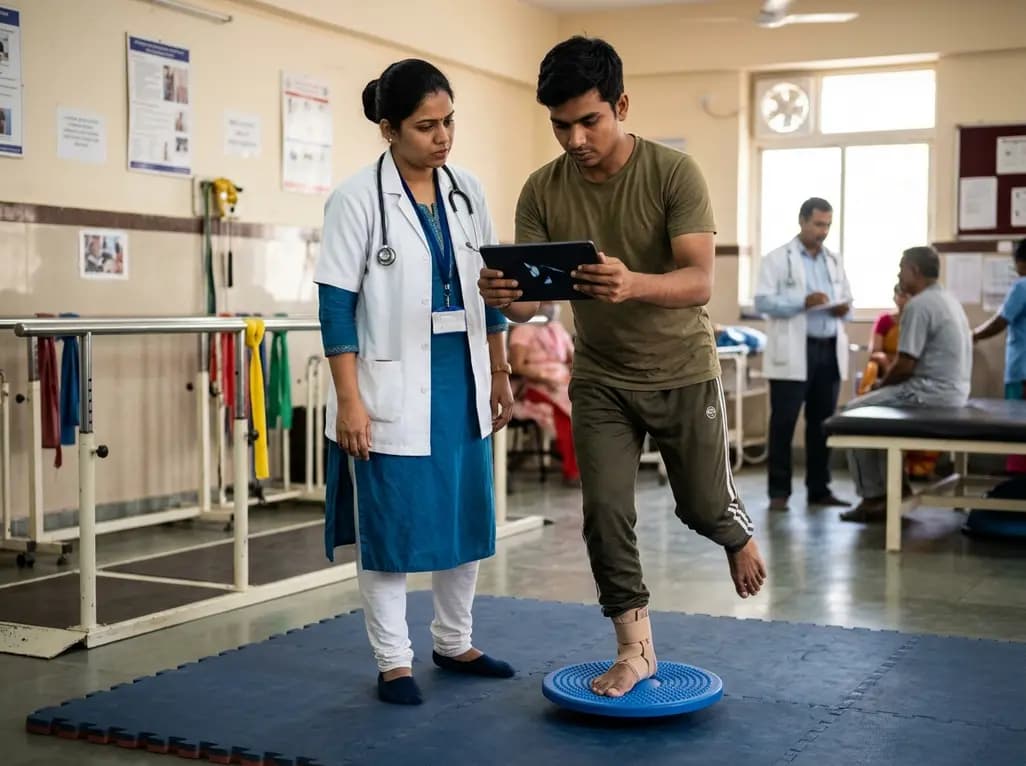
A randomized controlled trial demonstrates that an eight-week dual-task training intervention significantly improves static and dynamic postural control over standard balance exercises in individuals with chronic ankle instability, addressing critical neurocognitive deficits during athletic and daily activities.
Today

A retrospective cohort study of 7,716 ICU patients from the MIMIC-IV database demonstrates that Gradient Boosting Decision Trees significantly outperform traditional SOFA scores in predicting in-hospital mortality among patients with sepsis and diabetes, with SHAP analysis providing clinical interpretability.
Today
