.webp&w=384&q=75)

Loading, please wait...
Loading, please wait...
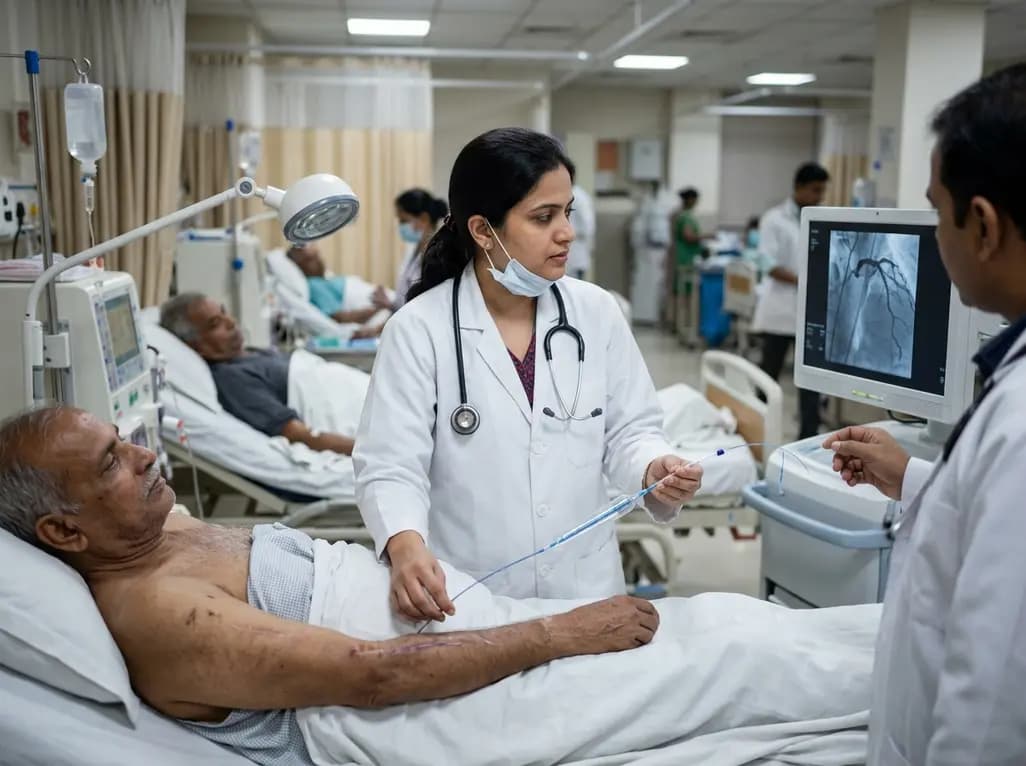
Maintenance hemodialysis remains the cornerstone of life-sustaining renal replacement therapy for millions of patients worldwide. A dependable vascular lifeline, particularly an autogenous arteriovenous fistula (AVF), represents the gold standard for reliable vascular access. However, access dysfunction secondary to neointimal hyperplasia frequently impairs circuit longevity and triggers repeated vascular interventions. When stenosis recurs rapidly within six months of prior angioplasty, clinicians encounter significant clinical hurdles. In this high-risk scenario, drug-coated balloon therapy provides a promising therapeutic alternative compared to conventional high-pressure balloon dilation. This emerging endovascular strategy delivers local antiproliferative agents directly to the injured vascular endothelium during mechanical balloon expansion. Consequently, it suppresses cellular proliferation and stabilizes luminal diameter. Understanding the clinical efficacy of this technique is essential for vascular access specialists, interventional nephrologists, and vascular surgeons. In this article, we examine the comparative clinical outcomes between drug-eluting balloons and traditional high-pressure balloons. Furthermore, we outline the physiological mechanisms governing rapid vascular restenosis in failing hemodialysis circuits. By analyzing modern clinical data, clinicians can identify which patients derive the greatest therapeutic advantage from paclitaxel-coated technologies. Ultimately, refining access preservation protocols helps reduce cumulative intervention burdens, protects valuable vascular reserves, and enhances long-term hemodialysis delivery.
Vascular access dysfunction remains one of the primary causes of morbidity and hospitalization among end-stage kidney disease patients. Following the creation of an arteriovenous fistula, turbulent blood flow and high wall shear stress trigger chronic vascular inflammation. Consequently, vascular smooth muscle cells migrate from the media into the intima, initiating vigorous neointimal hyperplasia. Standard percutaneous transluminal angioplasty effectively resolves luminal narrowing by mechanically stretching the vessel wall. However, this high-pressure mechanical trauma inadvertently creates endothelial tears and deeper medial injuries. As a result, the vessel responds with an accelerated inflammatory cascade that accelerates luminal loss. When stenosis recurs within six months of index intervention, standard repeat balloon dilation often yields progressively shorter patency intervals. Clinicians frequently describe this phenomenon as recalcitrant or accelerated restenosis. Furthermore, repeated endovascular dilatations risk vessel wall weakening, localized pseudoaneurysms, and eventual access abandonment. Therefore, vascular specialists need advanced therapeutic strategies that inhibit cellular proliferation rather than relying purely on mechanical radial force. Local delivery of antiproliferative agents addresses the underlying biological drivers of recurrent stenosis. Consequently, identifying effective interventions for rapid restenosis is vital to sustain lifelong hemodialysis access.
Recent clinical evidence provides clear insights into the clinical utility of drug-coated balloon therapy for early recurrent AVF stenosis. A robust multi-year clinical investigation analyzed 164 maintenance hemodialysis patients presenting with recurrent stenosis within six months of prior angioplasty. To eliminate baseline selection bias, investigators utilized propensity score matching, generating 60 perfectly balanced patient pairs. Researchers evaluated the primary endpoint of target lesion primary patency at 180 days between matched cohorts. The matched analysis revealed striking differences between therapeutic arms. Patients treated with drug-coated balloons demonstrated a restenosis rate of only 15.00% at 180 days, whereas the high-pressure balloon group experienced a 38.33% restenosis rate. Furthermore, the patency advantage persisted throughout extended clinical follow-up. At one year post-intervention, the restenosis rate was 33.33% in the drug-coated group compared to 58.33% in the conventional balloon cohort. Statistical analysis demonstrated highly significant differences in long-term patency curves. Consequently, these findings confirm that antiproliferative balloon angioplasty substantially prolongs target lesion patency in recalcitrant vascular segments. In addition, the marked reduction in reintervention frequency minimizes procedural discomfort and preserves vascular anatomy for ongoing hemodialysis access.
The fundamental benefit of drug-coated balloons stems from their targeted pharmacologic delivery system. Most commercially available devices utilize paclitaxel, a lipophilic antineoplastic agent that binds to beta-tubulin subunits. By stabilizing microtubules, the drug arrests the cell cycle in the G2/M phase and potently inhibits smooth muscle cell proliferation and migration. During balloon inflation, the specialized hydrophilic or lipophilic excipient rapidly transfers paclitaxel into the adjacent vascular wall within minutes. Furthermore, the drug exhibits high tissue retention, maintaining therapeutic antiproliferative levels in the adventitia and media for several weeks. However, achieving optimal clinical results requires meticulous vessel preparation. Vascular operators must perform pre-dilation with standard non-compliant or high-pressure balloons to achieve acceptable baseline luminal gain. If significant elastic recoil or residual stenosis exceeding 30% remains, the drug coating cannot achieve homogeneous contact with the vascular surface. Therefore, clinicians must ensure adequate luminal preparation before deploying the drug-eluting device. Additionally, operators maintain balloon inflation for at least two minutes to facilitate sufficient tissue absorption. By combining precise mechanical vessel expansion with localized pharmacotherapy, clinicians effectively mitigate post-angioplasty intimal hyperplasia and prolong functional circuit patency.
Not every patient with arteriovenous fistula dysfunction requires immediate drug-eluting technology. Given economic considerations and resource allocation, clinicians must accurately identify which patient subsets gain the greatest clinical benefit. Patients experiencing rapid restenosis within three to six months of initial angioplasty represent the primary target population. In these aggressive cases, standard mechanical angioplasty fails to provide durable patency due to heightened biological reactivity. Furthermore, anatomical characteristics influence therapeutic success. Lesions located at the juxta-anastomotic segment or cephalic arch frequently exhibit aggressive neointimal growth, making them excellent candidates for local antiproliferative treatment. In contrast, immature fistulas with poor arterial inflow or untreated central venous occlusions require alternative surgical or endovascular solutions. Additionally, patients with severe circumferential calcification may demonstrate impaired drug penetration, necessitating specialized scoring or cutting balloons prior to pharmacologic delivery. Therefore, multidisciplinary teams must integrate clinical history, ultrasound surveillance data, and angiographic findings to formulate individualized treatment plans. Consequently, selective deployment of drug-coated technology maximizes clinical efficiency while controlling overall healthcare expenditure.
Preserving vascular access represents a lifelong commitment for patients undergoing chronic hemodialysis. When access circuits fail, patients face emergency catheter placements, which carry substantial risks of bacteremia, central venous stenosis, and systemic sepsis. Therefore, maintaining native fistula patency remains a top priority in interventional nephrology and vascular surgery. Incorporating antiproliferative balloon technology into structured surveillance programs significantly reduces emergency access thrombosis. Furthermore, regular duplex ultrasound monitoring enables early detection of hemodynamic flow reductions before total circuit occlusion occurs. When interventionalists detect early recurrent narrowing, prompt treatment with drug-coated balloons restores normal flow dynamics without creating excessive vascular scar tissue. In addition, reducing reintervention frequency significantly improves patient quality of life and lowers annual treatment costs. Clinicians should also emphasize routine physical examination of the access site during every hemodialysis session. Checking for changes in thrill, bruit, or abnormal cannulation pressures allows rapid referral for endovascular evaluation. Ultimately, combining proactive clinical surveillance with advanced antiproliferative technologies ensures sustainable, reliable vascular access for end-stage kidney disease patients.
High-pressure balloon angioplasty relies exclusively on mechanical radial force to dilate stenotic vascular segments, which often triggers aggressive rebound intimal hyperplasia. In contrast, drug-coated balloon therapy delivers an antiproliferative agent, such as paclitaxel, directly into the vessel wall during inflation. This localized medication inhibits smooth muscle cell replication and migration, significantly reducing the likelihood of early recurrent restenosis.
Maintenance hemodialysis patients experiencing early recurrent arteriovenous fistula stenosis within six months of prior angioplasty benefit most from this therapy. Additionally, individuals with rapidly recurring lesions in high-shear segments, such as juxta-anastomotic outflow veins, gain substantial patency advantages. In contrast, de novo simple lesions or immature fistulas may not require upfront antiproliferative balloon therapy.
Yes, thorough vessel preparation is essential before deploying a drug-coated balloon. Interventionalists typically perform pre-dilation with a standard high-pressure or cutting balloon to resolve luminal narrowing and confirm vessel compliance. Achieving less than 30% residual stenosis ensures optimal balloon-to-wall apposition, which maximizes uniform drug delivery and prevents wasting expensive drug-coated devices on resistant lesions.
Disclaimer: This content is for informational and educational purposes only. It is not intended as medical advice, diagnosis, or treatment. Always seek the advice of a qualified healthcare provider with any questions you may have regarding a medical condition. Refer to the latest local and national guidelines for clinical practice.
References

Read summarized clinical updates, watch expert medical content, and earn CME certifications right from your smartphone.
Open your smartphone camera to scan and install.





A retrospective matched study demonstrates that drug-coated balloon therapy significantly lowers 6-month and 1-year restenosis rates compared to high-pressure balloons in hemodialysis patients with early recurrent AVF stenosis.
last month

With post-monsoon dengue surges threatening South Asian health systems, physicians must refine triage and management. This guide covers vital warning signs, plasma leakage detection, crystalloid titration, and vector containment strategies to prevent mortality during seasonal arboviral epidemics.
Today

Findings from Project Viva indicate that sustained postpartum weight retention, rather than excessive gestational weight gain alone, directly worsens women's mid-life cardiovascular health, degrading blood pressure and glycemic parameters decades after delivery.
Today
A large UK Biobank study reveals that plasma proteomic signatures capture preclinical organ damage and improve multiorgan risk prediction across early CKM syndrome stages 0 to 2 beyond traditional PREVENT clinical models.
Today

A retrospective CBCT study reveals that superior TMJ space asymmetry correlates moderately with occipital condyle-atlas-axis asymmetry in unilateral TMJ osteoarthritis, highlighting an imaging correlate between jaw biomechanics and upper cervical alignment rather than a standalone diagnostic marker.
Today

A Bayesian multilevel meta-analysis reveals that aerobic training combined with moderate carbohydrate restriction modestly lowers HbA1c in type 2 diabetes. However, sparse data and very low certainty leave incremental benefits over exercise or diet alone unproven, highlighting the need for individualized care.
Today
