.webp&w=384&q=75)

Loading, please wait...
Loading, please wait...

The process of DNA replication is inherently asymmetric and complex. While the leading strand synthesizes continuously, the lagging strand copies in small sections called Okazaki fragments. This intricate mechanism requires repeated priming by the DNA polymerase alpha/Primase complex. Recent evidence highlights a critical DNA replication stress response that monitors these events during the S phase to ensure cellular health.
Current research suggests a semi-distributive model for priming in the lagging strand. The DNA polymerase alpha/Primase complex acts both as a free complex and as part of the replisome. Furthermore, there is a strong link between lagging strand dynamics and the basal activation of the DNA replication stress response. Scientists hypothesize that the cell uses a specific mechanism called the DNA replication control (DRC) mode. Therefore, the RSR effectively monitors the generation of Okazaki fragments to regulate overall DNA synthesis.
The DRC mode enforces a gradual progression of DNA replication by restricting origin firing. This restriction is necessary to establish a proper replication program within the cell. Consequently, it prevents the exhaustion of cellular resources that could lead to mutations. By modulating replication speed, the RSR prevents the appearance of genomic instability. Thus, this coordination is vital for protecting the genome from damages that often drive cancer progression.
Understanding these replication dynamics provides essential insights into cancer biology. Many oncogenic transformations involve defects in the replication stress response. Specifically, the exhaustion of nucleotides or replication factors can trigger fork collapse. Therefore, targeting the DRC mode may offer new therapeutic avenues. Doctors in oncology can use this knowledge to better understand how certain chemotherapy agents exploit replication vulnerabilities.
Okazaki fragments are short sequences of DNA nucleotides synthesized discontinuously on the lagging strand during DNA replication. They are later linked by DNA ligase to form a continuous strand.
The RSR prevents cancer by restricting origin firing and managing replication speed. This ensures that the cell does not run out of resources, thereby preventing DNA breaks and genomic instability.
The DRC mode is a hypothesized function of the RSR that monitors Okazaki fragment synthesis. It coordinates the timing and progression of replication to maintain the stability of the genome.
Disclaimer: This content is for informational and educational purposes only. It does not constitute professional medical advice, diagnosis, or treatment. Always seek the advice of your physician or other qualified healthcare provider with any questions you may have regarding a medical condition. Refer to the latest local and national guidelines for clinical practice.
References
Martín-Rufo R et al. An updated view on lagging strand DNA replication: implications for the replication stress response. Cell Cycle. 2026 Dec undefined. doi: 10.1080/15384101.2026.2646889. PMID: 41865289.
Zeman MK, Cimprich KA. Causes and consequences of replication stress. Nat Cell Biol. 2014;16(1):2-9. doi:10.1038/ncb2897.
Gaillard H, García-Muse T, Aguilera A. Replication stress and cancer. Nat Rev Cancer. 2015;15(5):276-289. doi:10.1038/nrc3916.
"
Read summarized clinical updates, watch expert medical content, and earn CME certifications right from your smartphone.
Open your smartphone camera to scan and install.





A study explores the DNA replication control mode of the stress response, highlighting its role in regulating Okazaki fragments and preventing genomic insta...
5 months ago
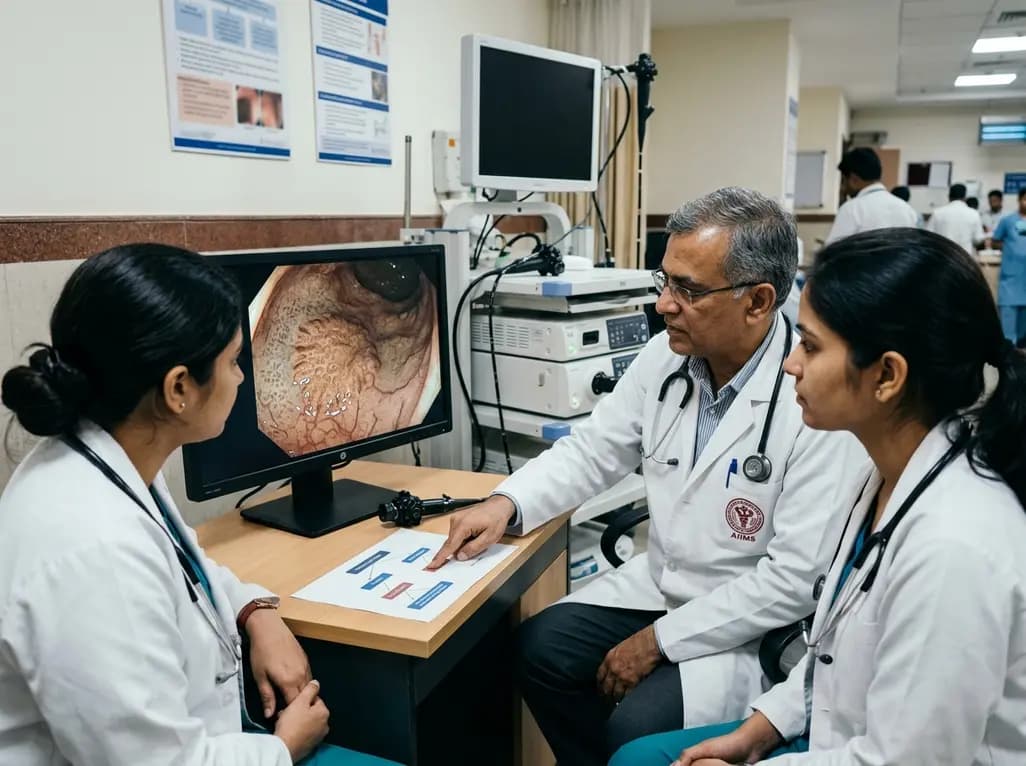
A post hoc decision tree analysis examined JNET Type 1 classification of serrated colorectal lesions. Experts prioritized ruling out anti-Type 1 features with low diagnostic entropy, whereas non-experts relied on mucosal spot patterns, highlighting key training targets for magnifying narrow-band imaging.
Today
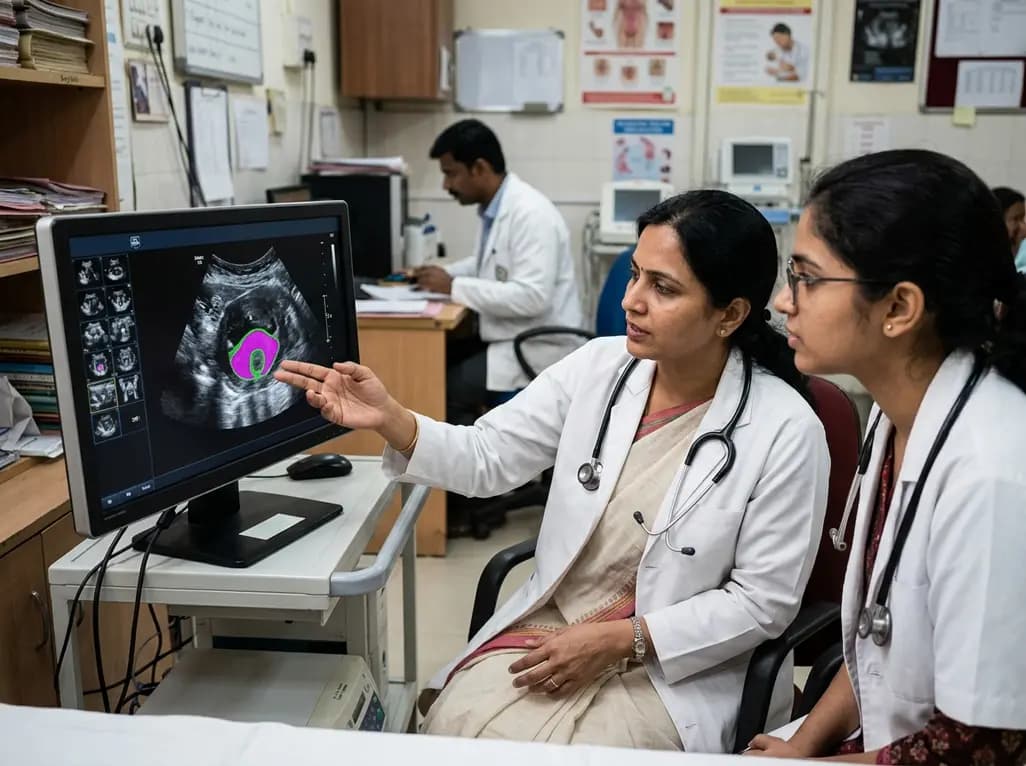
New evidence evaluates MoUNets, a static-weighted ensemble of UNet experts for automated levator hiatus segmentation in pelvic floor ultrasound. Learn how deep learning architectures perform in pelvic organ prolapse diagnostics and clinical practice.
Today

Mitochondrial deubiquitinases regulate organelle turnover by editing ubiquitin tags on damaged mitochondria. Discover how targeting these enzymes, notably USP30, offers therapeutic strategies for neurodegenerative, cardiovascular, and metabolic disorders.
Today

Investigating the influence of walking speed on mechanosensitive joint biomarkers reveals how gait velocity modulates COMP, MMP-3, IL-6, and lubricin kinetics. These findings provide vital physiological insights for orthopedics and sports medicine to personalize exercise prescriptions and preserve joint health.
Today

A cross-sectional study reveals that elevated METS-IR is independently associated with higher myopia odds in adolescents, showing biological synergy with obesity and highlighting the need for metabolic screening in pediatric eye care.
Today
