.webp&w=384&q=75)

Loading, please wait...
Loading, please wait...
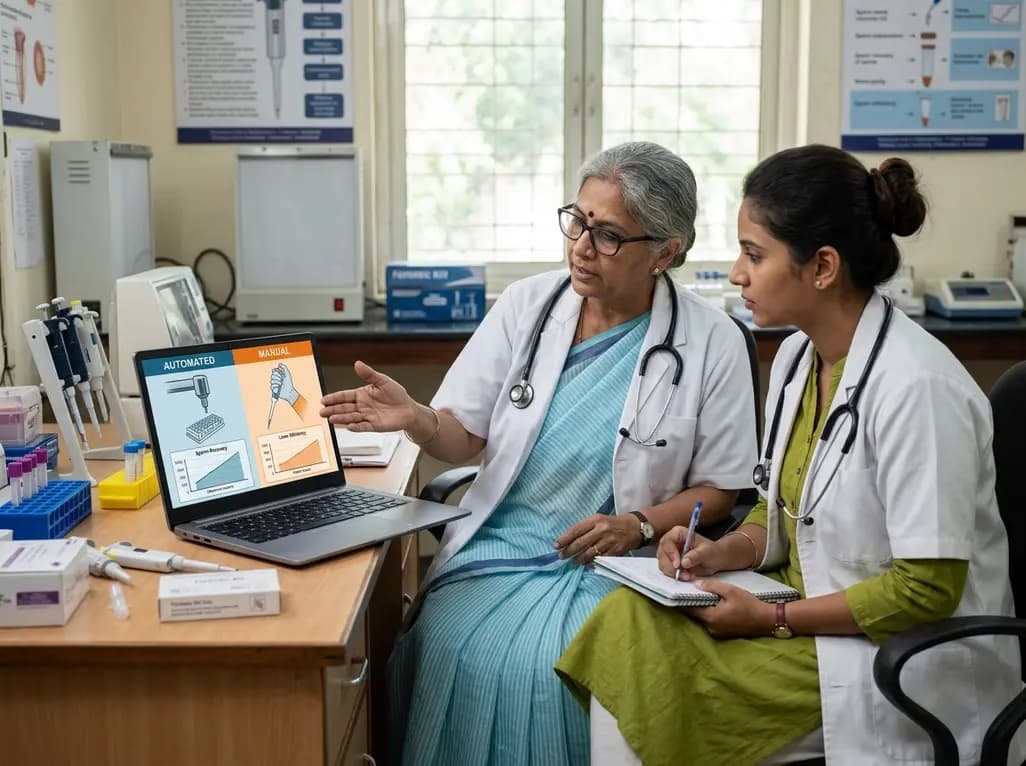
Forensic medical examinations of sexual assault cases demand rigorous precision and meticulous evidence handling. In clinical forensic medicine and pathology, identifying the perpetrator hinges heavily on isolating viable male genetic material from complex biological samples. Healthcare providers and forensic pathologists frequently recover vaginal swabs that contain overwhelming amounts of victim epithelial cells mixed with minute quantities of male spermatozoa. Consequently, standard isolation methods often fail because the victim DNA drowns out the suspect profile. To overcome this critical analytical challenge, laboratories utilize DNA differential extraction to physically separate sperm cells from non-sperm cellular fractions. This vital separation optimizes the recovery of single-source male short tandem repeat profiles, which substantially strengthens medico-legal evidence presented in judicial proceedings.
Differential extraction relies fundamentally on the distinct biochemical properties of human cell membranes. Epithelial cells possess fragile lipid bilayers that lyse easily under mild detergent exposure and moderate proteinase digestion. In contrast, spermatozoa exhibit resilient cellular membranes reinforced by cross-linked disulfide bonds within their outer dense fibers and perinuclear theca. Consequently, forensic scientists apply a two-step sequential lysis protocol. During the first phase, mild lysis buffers dissolve only the epithelial cells, releasing female DNA into the primary supernatant fraction. Technicians then centrifuge the mixture to pellet the intact sperm heads at the bottom of the vessel. After removing the epithelial lysate, technicians wash the sperm pellet thoroughly to eliminate lingering non-sperm contaminants. Subsequently, the second phase utilizes a stronger digestion buffer containing dithiothreitol alongside proteinase K to cleave the sperm disulfide bridges. This controlled reaction lyses the sperm heads and releases pure male DNA for amplification. Therefore, this targeted biochemical approach provides a clean separation of contributor fractions from complex mixtures.
Historically, forensic laboratories have depended on manual tube-based separation protocols to process sexual assault evidence kits. Analysts carefully perform repetitive centrifugation, manual supernatant aspiration, and multiple pellet wash cycles using handheld pipettes. Although skilled analysts achieve excellent recovery with manual methods, the protocol remains labor-intensive and tedious. Furthermore, manual aspiration introduces notable risks of operator error, sample loss, and cross-contamination across forensic batches. When sample sperm counts drop to minimal levels, manual pipette tips can easily dislodge or accidentally aspirate the microscopic sperm pellet. As a result, technicians can permanently lose critical probative male DNA during routine wash steps. In addition, the prolonged hands-on time required for manual tube manipulation creates massive analytical backlogs in forensic crime laboratories worldwide. These processing delays directly impede timely criminal investigations and delay justice for survivors. Therefore, modern forensic pathology departments and clinical laboratories actively seek robust technological solutions that eliminate manual bottlenecks while preserving diagnostic sensitivity.
To resolve the limitations of manual techniques, forensic biotechnology has introduced automated liquid handling workstations. These sophisticated robotic platforms utilize programmable micro-pipetting heads, integrated magnetic bead purification, and automated centrifugation modules to execute cellular isolation. Moreover, several modern platforms incorporate specialized enzymes such as deoxyribonuclease I directly into the automated workflow. The robotic liquid handler applies deoxyribonuclease I following epithelial lysis to systematically digest residual free female DNA floating in the mixture. Subsequently, the system inactivates the endonuclease before performing chemical sperm lysis, preventing degradation of the intact male DNA. Consequently, automated platforms effectively eliminate epithelial carryover into the male fraction without requiring excessive manual wash steps. Robotic automation also maintains rigid standardization across batches, significantly reducing inter-operator variability and pipetting errors. Furthermore, automated systems feature closed-chamber HEPA filtration units, which dramatically diminish sample cross-contamination risks during multi-well high-throughput extractions.
Recent empirical research rigorously evaluates the performance parity between automated robotic systems and traditional manual extraction workflows. Investigators designed comparative studies utilizing mock vaginal sexual assault swabs with microscopic sperm ratings ranging from abundant to trace quantities. The experimental data reveal that automated platforms achieve male DNA yields and short tandem repeat profile quality comparable to experienced manual operators. Importantly, automated systems demonstrated remarkable consistency across variable sperm cell concentrations, including challenging low-sperm samples. In addition, robotic liquid handling generated clean autosomal and Y-chromosomal profiles with minimal female allelic drop-in. Automated workflows also reduced total technician hands-on processing time by more than seventy percent compared to manual manipulation. Consequently, laboratories can process large cohorts of evidentiary swabs simultaneously without sacrificing forensic analytical rigor. These validated findings reassure forensic clinicians and legal stakeholders that automated extraction provides dependable genetic data for forensic reporting.
Healthcare professionals conducting clinical forensic examinations play an indispensable role at the frontline of sexual assault management. Examining physicians, gynecologists, and emergency clinicians collect the physical swabs that downstream forensic geneticists must ultimately process. Therefore, understanding extraction dynamics directly influences clinical sample collection techniques and documentation protocols. Clinicians must recognize that proper swab drying, appropriate sterile packaging, and prompt cold-chain maintenance preserve cellular integrity on collected swabs. If epithelial cells degrade prematurely due to improper storage, female cellular lysis releases free DNA that compromises differential separation efficiency. Moreover, physicians must document accurate clinical timelines, because post-coital interval directly affects the survival and abundance of recoverable spermatozoa. By ensuring optimal evidentiary handling during the initial medico-legal examination, healthcare providers safeguard the molecular integrity of critical specimens. Consequently, robust clinical practices empower forensic laboratories to achieve definitive genetic identification, reinforcing survivor care and judicial accountability.
The field of forensic molecular pathology continues to evolve rapidly with the introduction of advanced microfluidic and cell-sorting technologies. Emerging platforms now explore acoustic differential extraction, microfluidic laminar flow sorting, and fluorescent cell-sorting mechanisms to isolate single sperm cells. In addition, integrating automated differential workflows directly with probabilistic genotyping software streamlines complex mixture deconvolution. These advanced analytical algorithms calculate statistical likelihood ratios even when minor female DNA carryover persists within the sperm fraction. Furthermore, resource-limited healthcare and forensic centers are establishing standardized direct-to-DNA testing algorithms. This approach bypasses labor-heavy microscopic screening by moving directly to automated differential extraction on confirmed intimate swabs. As forensic automation becomes more cost-effective and accessible, crime laboratories and forensic institutes will substantially reduce turnaround times. Ultimately, these technological innovations ensure that forensic evidence translates swiftly into dependable investigative leads, strengthening the criminal justice ecosystem.
DNA differential extraction is essential because sexual assault swabs typically contain overwhelming amounts of victim epithelial cells mixed with minimal male spermatozoa. Without physical separation, the female DNA masks the minor male genetic profile during amplification. Differential extraction selectively lyses epithelial cells before breaking down resilient sperm membranes. Consequently, forensic analysts can isolate an uncontaminated male DNA fraction, generating a clear single-source genetic profile for suspect identification in judicial proceedings.
Automated extraction provides analytical sensitivity and male DNA recovery comparable to skilled manual methods while dramatically reducing hands-on processing time. Robotic liquid handling systems standardize reagent dispensing, centrifugation, and washing cycles across multiple samples simultaneously. Furthermore, automation minimizes human pipetting errors and cross-contamination risks. This technological transition allows forensic laboratories to process sexual assault kits more efficiently, thereby helping eliminate extensive evidence backlogs without compromising evidentiary quality.
Examining physicians preserve DNA sample quality by adhering strictly to standardized clinical forensic collection protocols. Clinicians must collect intimate swabs using sterile technique, allow the swabs to air dry completely before packaging, and avoid synthetic containers that trap moisture. Furthermore, maintaining an uninterrupted cold chain and documenting accurate post-coital intervals prevent premature cellular degradation. These meticulous clinical steps ensure that spermatozoa and epithelial membranes remain intact for subsequent differential separation.
Disclaimer: This content is for informational and educational purposes only and should not be considered medical or legal advice. Refer to the latest local and national guidelines for clinical practice.
References

Read summarized clinical updates, watch expert medical content, and earn CME certifications right from your smartphone.
Open your smartphone camera to scan and install.





A comparative analysis of automated versus manual DNA differential extraction in sexual assault swabs, highlighting sperm recovery, purity, and clinical forensic value.
last month
High-dose anakinra provides rapid, life-saving remission in refractory SLE-associated haemophagocytic lymphohistiocytosis. Escalating interleukin-1 blockade halts hyperinflammation without cytotoxic marrow suppression, marking a key paradigm shift in managing secondary macrophage activation.
Today
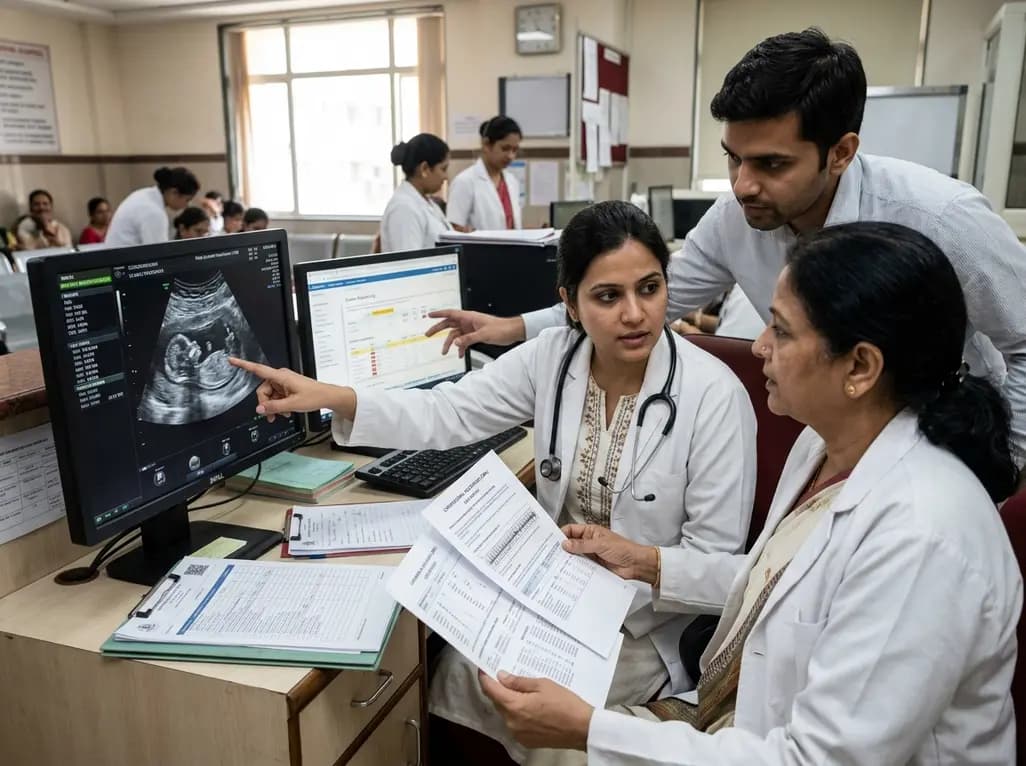
Prenatal evaluation of fetal growth restriction requires an integrated diagnostic approach. While chromosomal microarray remains fundamental, exome sequencing offers significant diagnostic yield in isolated and syndromic cases, especially when ultrasound shows skeletal anomalies or normal placental function.
Today

Discover a novel laparoscopic approach for iatrogenic diaphragmatic hernia repair following pedicled omentoplasty. This modified Sugarbaker technique integrates dorsal pedicle lateralization and round ligament reinforcement to secure the diaphragmatic defect while preserving vital omental vascularity.
Today
High-grade trochlear dysplasia disrupts patellofemoral stability. Although the patellotrochlear index measures cartilage overlap on MRI, cartilage contact does not ensure osseous containment. Relying solely on two-dimensional metrics may lead surgeons to overlook necessary tibial tubercle osteotomy procedures.
Today
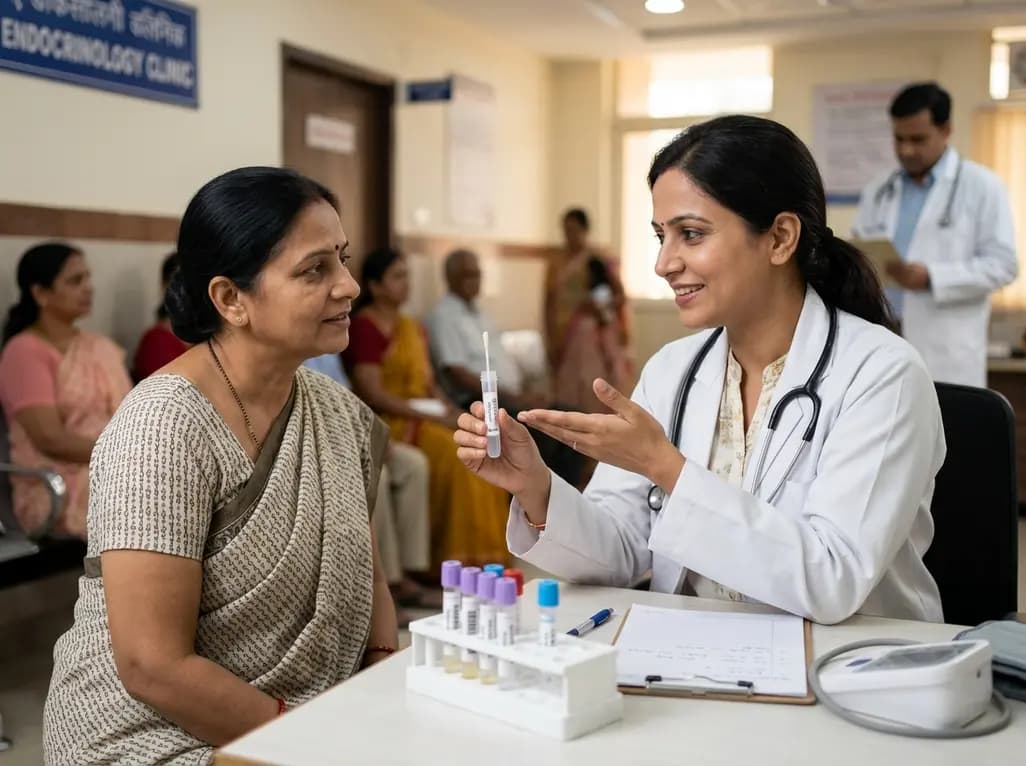
A study reveals that salivary cortisone correlates more strongly with serum cortisol than salivary cortisol during dynamic adrenal testing, while salivary dexamethasone accurately confirms compliance. This provides a non-invasive, precise alternative to venipuncture for diagnosing adrenal disorders.
Today
