.webp&w=384&q=75)

Loading, please wait...
Loading, please wait...

For many years, clinical focus regarding Duchenne Muscular Dystrophy (DMD) remained primarily on pediatric survival and motor function preservation. However, significant advancements in cardiorespiratory care and the standardized use of corticosteroids have fundamentally shifted the patient landscape. Today, many individuals with DMD are living well into their third and fourth decades. This shift necessitates a broader perspective on Duchenne muscular dystrophy wellness, moving beyond physical survival to encompass holistic quality of life. Specifically, clinicians must now address the nuanced areas of sexual health, intimacy, and reproductive choices. These topics were previously ignored because of lower life expectancies. Consequently, there is an urgent need for healthcare providers to develop comfort and expertise in discussing these adult-oriented topics. By integrating these discussions into routine multidisciplinary care, we can empower patients to navigate the complexities of adulthood with dignity and informed support. This proactive approach not only improves patient satisfaction but also fosters a sense of normalcy during the transition from pediatric to adult systems.
Steroid therapy remains the cornerstone of DMD management, effectively slowing muscle degeneration and preserving lung function. Nevertheless, the prolonged use of glucocorticoids introduces significant endocrine complications that directly impact adult wellness. One of the most prominent side effects is the suppression of the hypothalamic-pituitary-gonadal axis, which frequently leads to delayed or incomplete puberty. Furthermore, chronic steroid use is associated with a high prevalence of hypogonadotropic hypogonadism. This condition results in low testosterone levels, which can diminish libido and contribute to erectile dysfunction. Clinicians should therefore monitor pubertal progress and hormonal profiles regularly. In many cases, pubertal induction with testosterone supplementation becomes necessary to ensure that patients achieve adult levels of sex hormones. Moreover, adequate hormonal replacement supports bone mineral density and psychological well-being. Despite these benefits, many providers hesitate to initiate these conversations. Therefore, a standardized endocrine follow-up should be a core component of Duchenne muscular dystrophy wellness. Such monitoring helps mitigate the long-term metabolic and reproductive consequences of life-saving steroid treatments while enhancing the overall transition into adulthood.
Individuals with DMD face unique physical and social obstacles when seeking romantic relationships and sexual expression. Physical limitations, such as the use of ventilators or power wheelchairs, can make traditional forms of intimacy challenging. Additionally, many patients experience profound social isolation as they transition out of the school environment. Consequently, the fear of rejection and the social stigma associated with disability often prevent young adults from pursuing dating opportunities. Healthcare providers must recognize that these psychosocial barriers are just as significant as physical ones. Transitioning into the digital age, dating apps often lack accessibility features, further complicating the search for connection. Moreover, the lack of private clinical time to discuss these issues often leaves patients without a safe space to ask questions. Therefore, clinicians must proactively initiate discussions about intimacy and body image. Providing resources on adaptive devices and safe sexual practices can significantly boost a patient’s confidence. By addressing these needs, the medical team supports the emotional and social components of Duchenne muscular dystrophy wellness, ensuring patients do not feel sidelined from typical adult experiences.
Fertility and reproductive health are critical considerations for young men with DMD who envision becoming parents. While the disease itself does not inherently prevent spermatogenesis, the medications used to manage it might interfere with reproductive capacity. Furthermore, the genetic implications of DMD require careful navigation through expert genetic counseling. Prospective parents must understand the X-linked inheritance pattern and the 50% chance of passing a variant to their offspring. Fortunately, modern reproductive technology offers several pathways for individuals with DMD. Specifically, options such as preimplantation genetic testing (PGT) and prenatal diagnosis allow couples to make informed decisions. Moreover, healthcare teams should discuss the possibility of sperm banking early in the disease course, especially before starting certain intensive therapies. In India, where family structures are often central to one’s identity, these discussions carry immense cultural weight. Consequently, providing clear, disability-informed guidance on fertility ensures that Duchenne muscular dystrophy wellness includes the right to family planning. This specialized support helps patients reconcile their long-term health management with their personal goals for the future.
The move from pediatric to adult medicine is often a precarious period for patients with neuromuscular disorders. In many regions, adult clinics are not as well-equipped as pediatric centers to handle the multisystemic complexities of DMD. Consequently, patients may experience gaps in care that negatively affect their health outcomes. A robust transition plan must include a coordinated team of neurologists, cardiologists, pulmonologists, and mental health professionals. Moreover, the inclusion of a sexologist or a dedicated social worker can help bridge the gap in psychosocial support. Effective transition care requires starting the process early, typically in the mid-teens, to foster independence and self-advocacy. This approach ensures that Duchenne muscular dystrophy wellness is maintained across all life stages. Furthermore, nurse coordinators play a vital role in synchronizing appointments and ensuring that sexual and reproductive health remains on the agenda. By formalizing these transition protocols, healthcare systems can prevent the loss of follow-up care. Ultimately, a seamless transition process empowers the individual to take ownership of their health while receiving comprehensive, specialized support tailored to their evolving needs as an adult.
While we have made strides in extending life, research regarding sexual health in the DMD population remains remarkably sparse. Current literature often fails to capture the diverse lived experiences of these individuals, particularly regarding non-heteronormative identities. Therefore, future research must prioritize qualitative studies that allow patients to voice their specific needs and concerns. Additionally, clinical guidelines should be updated to include specific protocols for sexual health screening and intervention. Moreover, there is a critical need for provider education to reduce the discomfort often associated with these topics. In the Indian context, advocacy for better accessibility and affordable multidisciplinary care is essential to improving Duchenne muscular dystrophy wellness on a national scale. Consequently, clinicians and patient advocacy groups must collaborate to influence policy and research priorities. By addressing these gaps, we can ensure that future generations of DMD patients receive the holistic care they deserve. This evolution in care will transform DMD from a condition of limitations into one where individuals can pursue full, multifaceted lives, including healthy relationships and reproductive autonomy.
Clinicians should initiate these conversations proactively and with sensitivity, preferably starting in early adolescence. It is essential to provide a private, confidential space where the patient feels comfortable discussing intimacy without the presence of parents. Using open-ended questions about relationships and body image can help normalize the topic. Moreover, providing written resources or referring to specialized counselors ensures that patients receive accurate, disability-informed information without feeling stigmatized or embarrassed during the consultation.
The primary concerns involve the potential impact of long-term medications, like corticosteroids, on hormonal balance and sperm quality. While many men with DMD remain fertile, they must understand the X-linked inheritance pattern of the condition. Genetic counseling is vital to discuss the risk of passing the gene to daughters, who will be carriers. Options such as sperm cryopreservation, preimplantation genetic testing, and assisted reproductive technologies should be discussed early to support the patient’s future family goals.
A multidisciplinary approach is necessary because DMD affects multiple organ systems, including the heart, lungs, and endocrine system. As patients reach adulthood, the interplay between these systems becomes more complex, requiring specialized coordination between various medical experts. Furthermore, mental health professionals and social workers are crucial for addressing the psychosocial aspects of Duchenne muscular dystrophy wellness, such as social isolation and transition anxiety. This holistic care model ensures that all physical and emotional needs are met simultaneously for better outcomes.
Disclaimer: This content is for informational and educational purposes only. It does not constitute medical advice or establish a doctor-patient relationship. Always seek the advice of a qualified healthcare provider regarding a medical condition or treatment. Refer to the latest local and national guidelines for clinical practice.
References
Nasomyont N et al. Navigating sexual health, fertility, and adult wellness in individuals with Duchenne muscular dystrophy: Current standards of care and future directions. J Neuromuscul Dis. 2026 Jul 13. doi: 10.1177/22143602261454423. PMID: 42439098.
Birnkrant DJ et al. Diagnosis and management of Duchenne muscular dystrophy, part 1: diagnosis, and neuromuscular, rehabilitation, endocrine, and gastrointestinal and nutritional management. Lancet Neurol. 2018;17(3):251-267.
Hoskin J et al. Sexual health and fertility in Duchenne muscular dystrophy—An exploratory study. Muscle Nerve. 2024 Jul 11. doi: 10.1002/mus.28201.
"
Read summarized clinical updates, watch expert medical content, and earn CME certifications right from your smartphone.
Open your smartphone camera to scan and install.





As survival rates for Duchenne Muscular Dystrophy (DMD) increase, clinicians must address overlooked aspects of adult wellness, including sexual health and fertility. This guide outlines current standards of care, psychosocial challenges, and multidisciplinary strategies to improve quality of life.
3 months ago
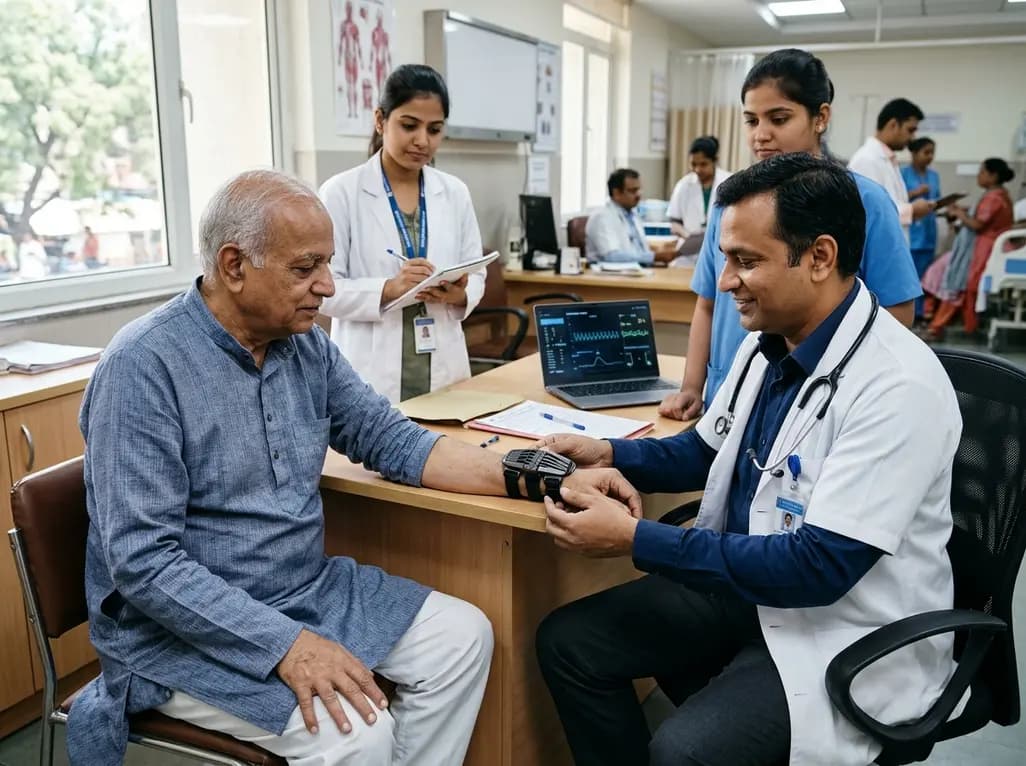
The TREM-AB open-label pilot study evaluated a wearable passive nonlinear vibration absorber for essential tremor. The Nonlinear Energy Sink bracelet reduced clinical Fahn-Tolosa-Marin tremor scores by 32.1% and electrophysiological tremor power by 49.2% with no adverse effects reported.
Today

A population-based study of 20,928 children reveals that small vulnerable newborns face sex-divergent mental capital outcomes at ages 6-7: term SGA girls show higher behavioral difficulties and lower resilience, while preterm non-SGA boys experience increased behavioral problems.
Today
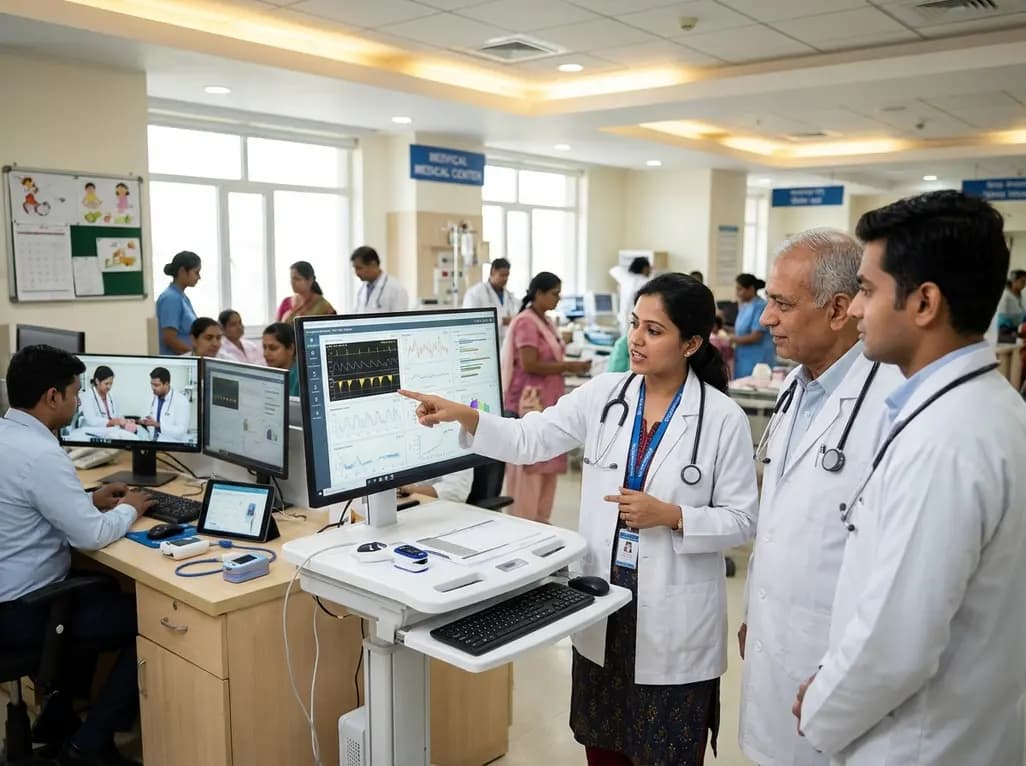
A landmark study details how an enterprise pediatric remote patient management model expanded from a single cardiology pilot to 16 diverse specialty programs by combining centralized digital operations with specialty clinical leadership.
Today

A comparative review of tension band wiring and intramedullary screw fixation in thumb metacarpophalangeal arthrodesis, evaluating union rates, hardware complications, and clinical outcomes.
Today

A breakthrough ultrathin multimodal sensor decouples physical hemodynamic monitoring from disposable electrochemical calibration, achieving long-term wearable glucose prediction with 81.36% accuracy and a 9.12% MARD. This offers a robust, drift-free solution for outpatient metabolic surveillance.
Today
