

Loading, please wait...
Loading, please wait...

Medical science historically viewed eosinophils strictly as end-stage cytotoxic effectors of allergic flares and parasitic defense. However, modern transcriptomic and spatial mapping tools reveal a dynamic immunologic paradigm. In healthy organs, these granulocytes serve as essential homeostatic regulators that sustain tissue metabolism, barrier integrity, and cellular repair. When pathological triggers disrupt these protective networks, distinct disease-associated eosinophil states emerge to drive progressive organ inflammation and fibrosis. Consequently, clinicians must appreciate this functional plasticity to guide precise diagnosis and targeted biological therapies across diverse systemic conditions.
Traditionally, clinicians regarded circulating and tissue-infiltrating eosinophils as a uniform cell type with unvarying effector functions. Nevertheless, contemporary single-cell profiling proves that tissue-resident eosinophils exhibit remarkable transcriptional and functional diversity. In healthy tissues, eosinophils adapt continuously to their local microenvironment. For instance, resident eosinophils in the intestinal lamina propria or adipose depots release regulatory cytokines that sustain metabolic balance and epithelial homeostasis. Furthermore, these cells display distinct surface markers and basal activation thresholds compared to circulating blood eosinophils. However, sustained tissue injury or chronic antigenic stimulation alters these adaptive responses. Therefore, inflammatory signals disrupt steady-state programs, prompting eosinophils to undergo rapid functional reprogramming. Instead of facilitating repair, dysregulated cells secrete damaging granule proteins, reactive oxygen species, and pro-fibrotic factors. In addition, these altered phenotypes display extended survival kinetics, which exacerbates local tissue damage. Thus, understanding this fundamental transition from protective adaptation to chronic inflammation represents a crucial clinical breakthrough. Eosinophils are not merely uniform destructive invaders; rather, they are plastic immune architects responding to contextual tissue cues.
Four interconnected biological determinants govern the transition toward disease-associated eosinophil states. First, abnormal hematopoiesis alters bone marrow progenitor commitment before cells ever reach peripheral circulation. Second, the destination tissue microenvironment imposes unique metabolic, mechanical, and cellular cues that reshape eosinophil behavior. Third, residency time inside specific organ compartments dictates whether eosinophils complete physiological clearance or accumulate excessive activation signals. Fourth, the overarching inflammatory milieu overrides protective programs and locks cells into aggressive, tissue-damaging configurations. Consequently, perturbation in any single determinant ripples through the entire maturation cascade. For example, persistent exposure to inflammatory cytokines impairs regular homeostatic differentiation. Moreover, altered stromal interactions within inflamed tissues prevent normal resolution pathways. As a result, eosinophils sustain chronic activation states rather than undergoing programmed apoptosis. Furthermore, these pathological subsets display elevated degranulation rates and enhanced tissue invasiveness. In summary, disease phenotypes do not arise from a single isolated defect. Instead, multifaceted interactions among lineage programming, local stromal niches, residency duration, and inflammatory mediators drive aberrant cell specialization.
Pathological adaptation often begins long before mature granulocytes extravasate into target tissues. Specifically, systemic inflammatory mediators modulate lineage commitment within the bone marrow niche. Under steady-state conditions, interleukin-5, interleukin-3, and granulocyte-macrophage colony-stimulating factor tightly regulate basal eosinophilopoiesis. However, severe allergic, autoimmune, or malignant disorders flood the circulation with potent upstream alarmins such as interleukin-33, interleukin-25, and thymic stromal lymphopoietin. Consequently, these signaling molecules reprogram common myeloid progenitors and eosinophil lineage-committed progenitors. This early pre-activation phenomenon, termed central priming, equips nascent eosinophils with altered functional capabilities prior to egress. For instance, pre-primed eosinophils express elevated levels of adhesion molecules and chemokine receptors, facilitating hyper-responsiveness to inflammatory signals. Additionally, epigenetic modifications initiated during lineage maturation lock these cells into hyper-reactive transcriptional programs. Therefore, when these pre-conditioned cells enter peripheral tissues, they respond with exaggerated degranulation rather than homeostatic adaptation. Clinicians must recognize that remote organ inflammation directly dictates bone marrow output. Thus, disease processes reshape granulocyte functionality across systemic axes rather than acting solely at the local tissue interface.
Once circulating eosinophils migrate into peripheral organs, local microenvironments dictate their functional lifespan and activation trajectory. For example, mucosal barriers expose infiltrating cells to commensal microbes, dietary antigens, and extracellular matrix forces. In healthy settings, these tissue-specific factors guide granulocytes toward a regulatory phenotype that restrains excessive immune activation. Furthermore, resident stromal cells and tissue macrophages produce survival factors that carefully balance cell turnover. However, in diseased tissues, dense cellular infiltrates, hypoxia, and fibrotic stiffness disrupt this delicate communication network. Additionally, tissue residence time plays a pivotal role in governing functional specialization. Prolonged tissue dwelling allows eosinophils to undergo progressive phenotypic shifts, acquiring novel surface receptors and metabolic adaptations. Consequently, long-term resident cells in inflamed tissues often produce massive amounts of transforming growth factor-beta and matrix metalloproteinases. These factors accelerate chronic remodeling and structural distortion in sensitive organs. Moreover, impaired macrophage-mediated efferocytosis allows dying eosinophils to undergo secondary necrosis, releasing toxic granule proteins into the surrounding parenchyma. Hence, temporal progression within an unsupportive niche directly fuels disease escalation.
The emergence of pathogenic eosinophil subsets drives a diverse spectrum of human diseases encountered in daily medical practice. In severe asthma and chronic rhinosinusitis with nasal polyps, airway eosinophils promote epithelial shedding, mucus hypersecretion, and airway remodeling. Similarly, in eosinophilic gastrointestinal disorders and systemic vasculitis, dysfunctional granulocytes infiltrate tissues to trigger end-organ injury, fibrosis, and thrombosis. Modern biologic therapies have transformed management by targeting key regulatory cascades. Specifically, monoclonal antibodies against interleukin-5, such as mepolizumab and reslizumab, neutralize circulating ligands to suppress recruitment. In contrast, benralizumab targets the interleukin-5 receptor alpha subunit to achieve rapid, antibody-dependent cellular cytotoxicity. Furthermore, dual interleukin-4 and interleukin-13 blockade with dupilumab inhibits upstream type 2 inflammation. However, blanket depletion of eosinophils may inadvertently disrupt their beneficial, homeostatic functions in tissue repair and metabolic balance. Consequently, future research aims to develop next-generation therapies that selectively target pathogenic subsets while preserving tissue-resident cells. Ultimately, moving beyond broad depletion toward phenotype-specific modulation represents the future of precision therapeutics in allergy and clinical immunology.
Resident eosinophils primarily inhabit healthy barrier tissues and adipose depots to promote metabolic homeostasis, tissue healing, and baseline immune surveillance. In contrast, disease-associated eosinophil states emerge during persistent inflammation. These pathogenic cells display altered cell-surface markers, prolonged survival, and heightened degranulation potential. Consequently, they release cytotoxic granule proteins, reactive oxygen species, and pro-fibrotic cytokines that induce extensive epithelial destruction, microvascular thrombosis, and organ remodeling.
Bone marrow priming occurs when systemic inflammatory alarmins reprogram myeloid progenitor cells before mature eosinophils enter the bloodstream. Consequently, these newly differentiated cells express increased adhesion receptors, heightened chemokine sensitivity, and hyper-reactive transcriptional networks prior to tissue migration. When these pre-conditioned cells extravasate into target tissues, they immediately mount aggressive inflammatory responses rather than adapting to physiological regulatory signals, accelerating chronic tissue injury and disease progression.
Current biologics targeting the interleukin-5 pathway deplete circulating and tissue-infiltrating eosinophils to control severe inflammation. However, pan-depleting agents can eliminate protective resident eosinophils alongside pathological cells, potentially compromising homeostatic functions such as tissue repair and metabolic regulation. Consequently, ongoing clinical research focuses on selective therapies that neutralize disease-associated subsets or inhibit specific microenvironmental recruitment signals, allowing physicians to suppress damaging inflammatory states while preserving beneficial tissue-resident populations.
Disclaimer: This content is for informational and educational purposes only... Refer to the latest local and national guidelines for clinical practice.
References

Read summarized clinical updates, watch expert medical content, and earn CME certifications right from your smartphone.
Open your smartphone camera to scan and install.





Eosinophils undergo profound functional reprogramming across tissue niches. Perturbations in development, microenvironment, residence time, and inflammation generate disease-associated eosinophil states, shaping pathology in allergic, autoimmune, and fibrotic disorders.
Today
New phase I data evaluate the impact of food and beverages on enlicitide, the first oral PCSK9 inhibitor. While food reduces peak absorption, model simulations demonstrate robust LDL-C lowering of approximately 60%, confirming meaningful pharmacokinetic forgiveness and flexible real-world administration.
Today
New female sexual health guidelines provide evidence-based recommendations for women aged 21–45. Covering screening, differential assessment, sexual literacy, and multidisciplinary care, this framework equips clinicians to identify intimate dysfunction early and deliver holistic, patient-centred management.
Today
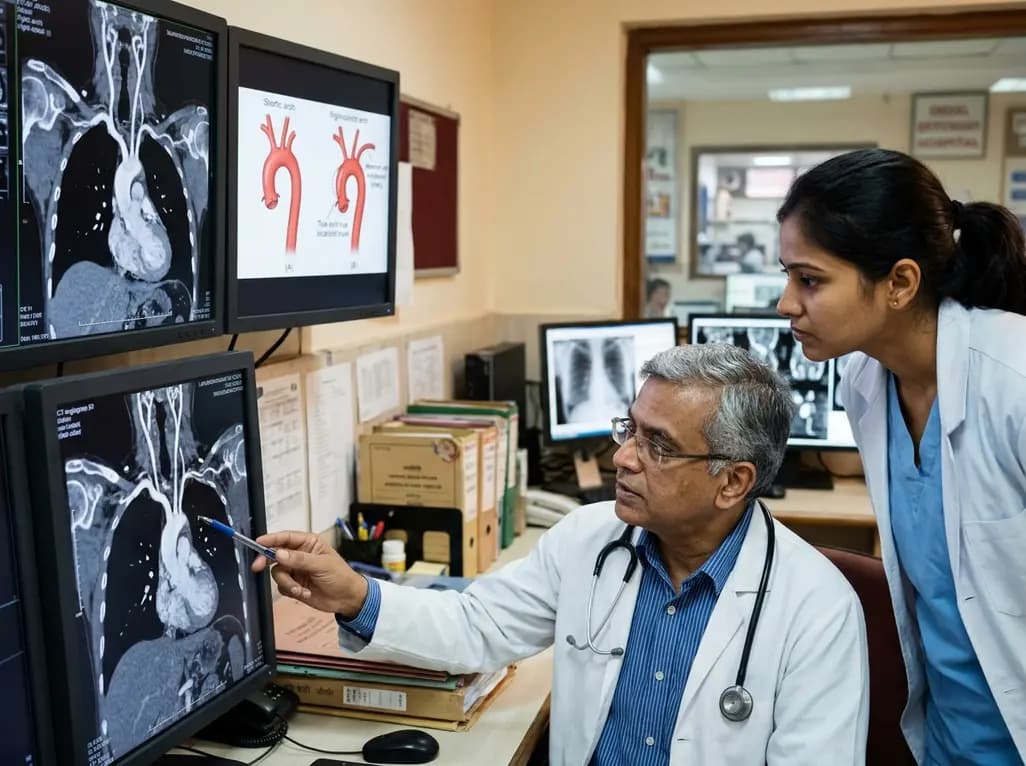
Arch-to-vertex CT angiography revealed a rare right aortic arch variant with a true bicarotid trunk and aberrant left subclavian artery in an adult with stroke and chronic dysphagia. The case highlights crucial diagnostic and procedural implications for vascular, surgical, and neurointerventional teams.
Today
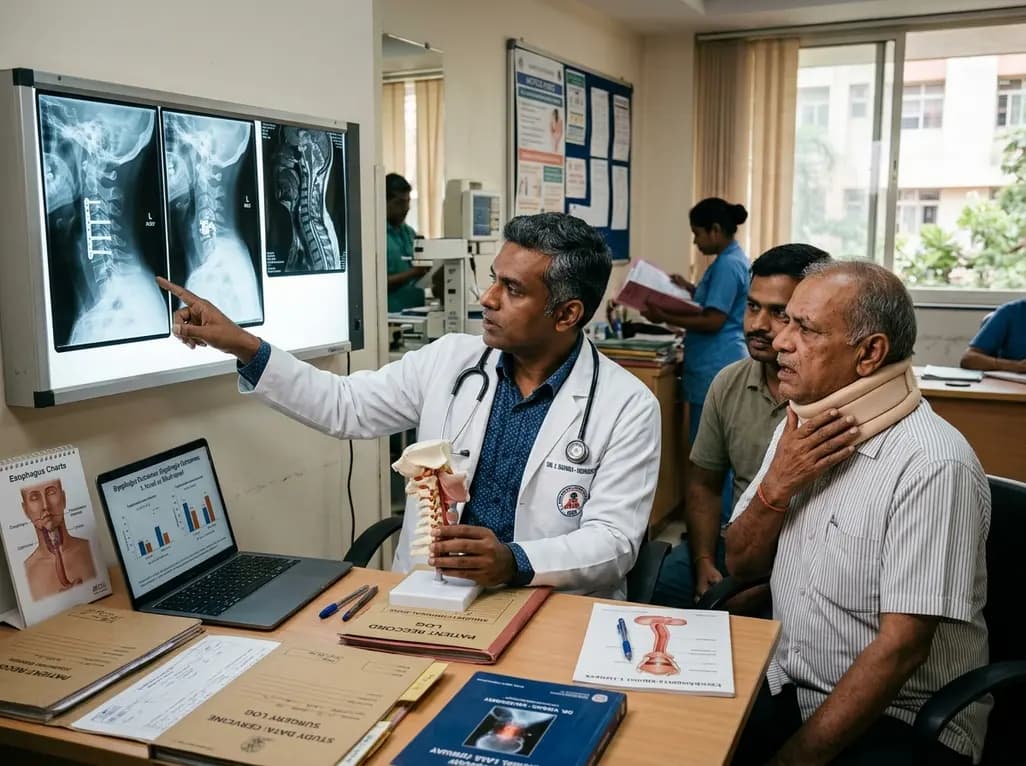
A large registry study reveals that postoperative dysphagia occurs more frequently and persists longer after multilevel anterior cervical spine surgery than single-level procedures. Key risk factors include baseline dysphagia, diabetes, upper cervical segment involvement, and medical comorbidities.
Today

A landmark UK Biobank study by Karolinska Institutet researchers reveals that optimal rest mitigates neurodegeneration in cardiometabolic illness. Patients maintaining high sleep quality demonstrated superior cognitive scores and larger brain volumes, highlighting sleep optimization as an actionable clinical strategy.
Today
