

Loading, please wait...
Loading, please wait...

Female sexual well-being represents an essential dimension of overall health, yet clinicians frequently overlook intimate complaints during routine outpatient consultations. The latest female sexual health guidelines provide an evidence-based roadmap to bridge this diagnostic gap in reproductive-aged women. Historically, social taboos, cultural hesitation, and limited consultation time have prevented candid discussions regarding sexual dysfunction. Fortunately, structured clinical recommendations now encourage proactive inquiry and early assessment. By integrating validated screening protocols into daily practice, physicians can validate patient concerns, eliminate stigma, and optimize long-term health outcomes.
Developing standardized clinical guidance requires rigorous methodology to ensure safety and clinical applicability. The workgroup formulated these female sexual health guidelines using the GRADE-ADOLOPMENT framework, systematically appraising existing international recommendations with the AGREE II instrument. In addition, two comprehensive systematic reviews evaluated screening tools and therapeutic interventions in women aged 21 to 45 years. Through iterative evaluations and formal voting across two rounds, the twenty-member multidisciplinary workgroup achieved unanimous agreement. Consequently, these guidelines merge global evidence with practical clinical priorities.
Furthermore, embedding sexual health into routine clinical workflows overcomes widespread under-recognition. Clinicians frequently encounter women presenting with nonspecific fatigue or mood disturbances that mask distressing sexual dysfunction. When primary care physicians and gynecologists proactively introduce standardized sexual health evaluations during cervical screening, contraceptive counseling, or wellness visits, they dismantle pervasive communication barriers. Therefore, establishing supportive clinical environments empowers women to share sensitive symptoms early, preventing protracted emotional and relational distress.
Proactive inquiry remains the most effective strategy to identify hidden sexual difficulties. Women rarely volunteer intimate complaints unless their healthcare provider explicitly initiates the conversation. Consequently, clinicians should incorporate gentle, normalizing questions into routine reviews of systems. For example, doctors can frame inquiries around general well-being before asking about comfort, pleasure, or pain during sexual activity. This open communication style signals clinical openness and reassures patients that sexual concerns represent legitimate medical topics.
Additionally, utilizing validated screening questionnaires substantially enhances diagnostic consistency. Assessment instruments such as the Female Sexual Function Index (FSFI) and the Decreased Sexual Desire Screener (DSDS) evaluate multiple domains, including arousal, desire, lubrication, orgasm, and coital discomfort. Integrating these self-administered tools into waiting room digital tablets preserves patient privacy while generating actionable data before the consultation. Moreover, routine screening distinguishes isolated physical symptoms from broader psychosocial difficulties, guiding appropriate diagnostic investigations.
Comprehensive assessment requires clinicians to differentiate transient sexual concerns from persistent sexual dysfunction. Acute life stressors, career fatigue, interpersonal conflict, and hormonal shifts during the menstrual cycle frequently cause temporary fluctuations in sexual response. Therefore, clinical guidelines define true sexual dysfunction as persistent symptoms lasting at least six months that produce marked subjective distress. Practitioners must carefully investigate whether symptoms occur in all sexual contexts or solely in specific relational situations.
Furthermore, medical providers should evaluate underlying biological and pharmacological contributors. Endocrine conditions such as subclinical hypothyroidism, hyperprolactinemia, and polycystic ovary syndrome directly impair sexual desire and arousal pathways. Similarly, widespread medications, particularly selective serotonin reuptake inhibitors, oral contraceptives, and antihistamines, frequently blunt libido and inhibit orgasm. Physical examinations should identify vulvovaginal atrophy, contact dermatitis, and pelvic floor muscle tenderness. Thus, conducting holistic assessments protects patients from misdiagnosis and inappropriate therapies.
Sexual health literacy serves as both a preventive safeguard and an effective therapeutic intervention. Many women experience distressing self-doubt simply because they misunderstand normal sexual physiology. For instance, popular culture frequently exaggerates the frequency of simultaneous coital orgasms, creating unrealistic performance expectations. Consequently, healthcare providers must clarify that responsive desire represents a healthy biological variation. Providing precise anatomical education and explaining clitoral anatomy dismantles misconceptions, validating each woman's individual sexual response pattern.
In addition, clinicians should proactively discuss safer sex practices, barrier contraception, and personal lubricants. Water-based and silicone-based lubricants substantially reduce friction, alleviating minor dyspareunia and protecting delicate vulvovaginal tissues. Furthermore, education must normalise the physiological impact of chronic fatigue, family responsibilities, and stress on intimacy. When doctors explain how psychological burdens naturally suppress arousal, women experience profound emotional relief. Therefore, improving health literacy empowers patients to communicate personal needs effectively and engage actively in shared therapeutic decision-making.
Achieving optimal sexual health outcomes requires an integrated, multidisciplinary care model. Medical optimisation begins with treating systemic diseases such as poorly controlled diabetes, chronic pelvic pain, and endometriosis, which frequently impair intimate functioning. When primary conditions achieve clinical stability, sexual responsiveness often rebounds. Moreover, reviewing offending drugs remains essential; clinicians can switch offending antidepressants to agents with lower sexual side-effect profiles, such as bupropion. In addition, addressing hormonal deficiencies with localized topical estrogen restores vaginal mucosal integrity.
Similarly, specialized pelvic floor physiotherapy represents an indispensable intervention for genito-pelvic pain disorders, including vaginismus and provoked vestibulodynia. Physiotherapists teach myofascial release, biofeedback relaxation, and gentle desensitisation using vaginal dilators to relieve hypertonic pelvic muscles. Concurrently, cognitive behavioral therapy and sex therapy address anxiety and relational strain. Special reproductive cohorts, particularly postpartum and lactating women, benefit from proactive perineal care and non-hormonal emollients. Ultimately, seamless coordination between gynecologists, physiotherapists, and mental health professionals delivers holistic, enduring recovery.
Clinicians can effectively initiate discussions by incorporating normalised, open-ended inquiry into general preventive reviews. For example, practitioners might state that intimacy concerns occur frequently before asking if patients have any reproductive wellness questions. Furthermore, introducing validated screening tools normalises sensitive topics without causing discomfort. Therefore, structured dialogue creates a supportive atmosphere where patients feel safe disclosing persistent sexual distress, dyspareunia, or relationship issues requiring clinical intervention.
Transient concerns typically arise from acute stressors, fatigue, hormonal fluctuations, or temporary relationship conflicts that resolve spontaneously over time. In contrast, formal female sexual dysfunction involves symptoms persisting for at least six months that produce significant personal distress. Moreover, clinical diagnosis requires identifying impaired desire, arousal, lubrication, or orgasm across intimate encounters. Therefore, clinicians must carefully distinguish self-limiting life transitions from enduring pathological disorders through comprehensive longitudinal assessments and patient history.
Pelvic floor physical therapy effectively addresses underlying hypertonic muscle dysfunction that frequently triggers penetrative sexual pain. Specifically, specialized physiotherapists teach myofascial release, biofeedback training, and gentle desensitisation techniques to restore muscle elasticity. Additionally, targeted pelvic exercises alleviate involuntary pelvic floor contractions and improve local tissue perfusion. Consequently, this non-pharmacological intervention reduces pain severity, enhances coital comfort, and empowers women to regain physical confidence during intimate encounters without relying solely on medications.
Disclaimer: This content is for informational and educational purposes only... Refer to the latest local and national guidelines for clinical practice.
References
Lee JM et al. Guidelines on sexual health for women of reproductive age in Singapore. Ann Acad Med Singap. 2026 Nov 06. doi: 10.47102/annals-acadmedsg.2026356. PMID: 42995158.
American College of Obstetricians and Gynecologists (ACOG). Female Sexual Dysfunction: ACOG Practice Bulletin, Number 213. Obstet Gynecol. 2019;134(1):e1-e18.
Çuvadar A, Duman S, Çuvadar Baş Y. Effects of Education- and Counseling-Based Interventions on Female Sexual Function: A Systematic Review and Meta-Analysis of Randomized Controlled Trials. SN Compr Clin Med. 2026;8:410.

Read summarized clinical updates, watch expert medical content, and earn CME certifications right from your smartphone.
Open your smartphone camera to scan and install.





New female sexual health guidelines provide evidence-based recommendations for women aged 21–45. Covering screening, differential assessment, sexual literacy, and multidisciplinary care, this framework equips clinicians to identify intimate dysfunction early and deliver holistic, patient-centred management.
Today

A study in the British Journal of Pharmacology reveals that triptonide alleviates sepsis-associated acute lung injury by targeting macrophage STAT3/HIF-1α signalling and aerobic glycolysis, dampening inflammatory cascades and reducing pulmonary damage in preclinical sepsis models.
Today
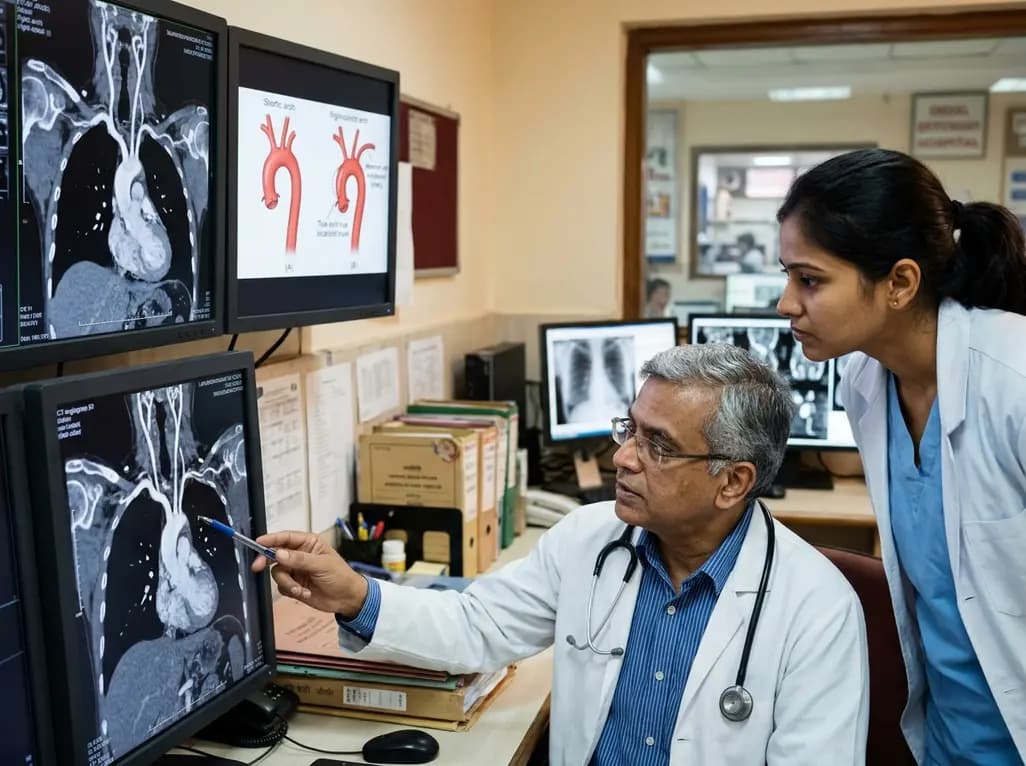
Arch-to-vertex CT angiography revealed a rare right aortic arch variant with a true bicarotid trunk and aberrant left subclavian artery in an adult with stroke and chronic dysphagia. The case highlights crucial diagnostic and procedural implications for vascular, surgical, and neurointerventional teams.
Today

A large registry study reveals that postoperative dysphagia occurs more frequently and persists longer after multilevel anterior cervical spine surgery than single-level procedures. Key risk factors include baseline dysphagia, diabetes, upper cervical segment involvement, and medical comorbidities.
Today

A landmark UK Biobank study by Karolinska Institutet researchers reveals that optimal rest mitigates neurodegeneration in cardiometabolic illness. Patients maintaining high sleep quality demonstrated superior cognitive scores and larger brain volumes, highlighting sleep optimization as an actionable clinical strategy.
Today
