.webp&w=384&q=75)

Loading, please wait...
Loading, please wait...
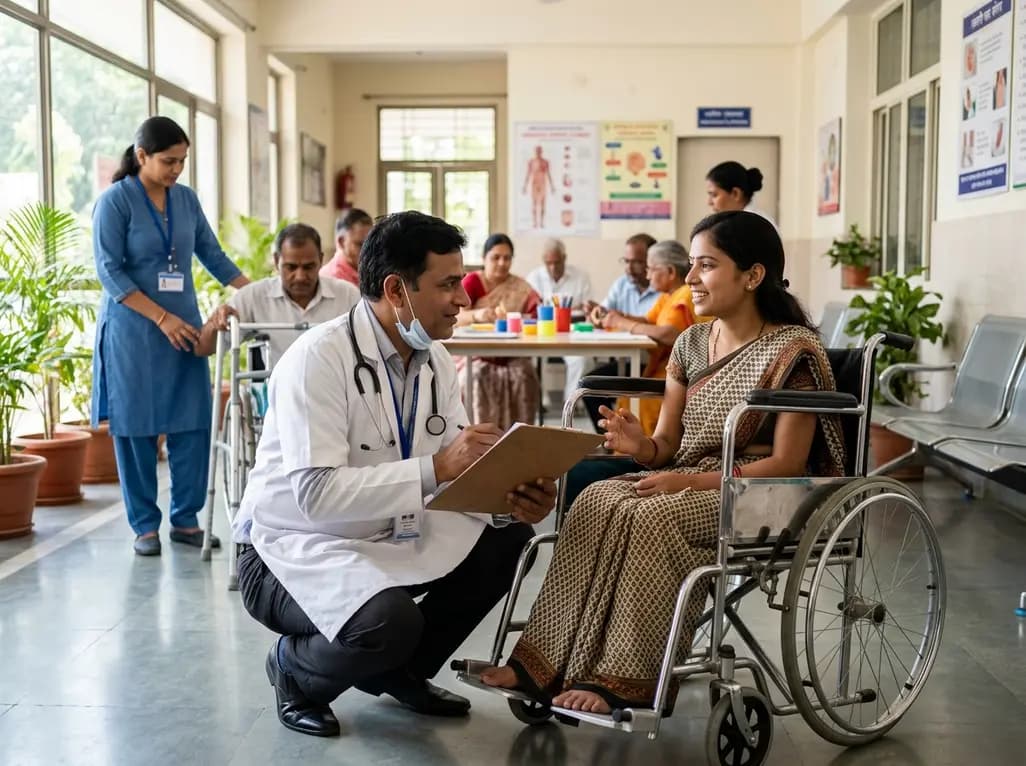
Modern healthcare systems increasingly focus on disability quality of life as a core measure of clinical and social success. Historically, rehabilitation programs emphasized functional deficits and medical diagnoses. However, recent paradigms emphasize comprehensive wellbeing, autonomy, and human rights. Clinicians frequently encounter individuals living in residential facilities or attending specialized day-care centers. These environments offer vital support, but they may also limit personal freedom. Consequently, healthcare providers must evaluate the multifaceted drivers of personal fulfillment. Researchers recently evaluated how structural factors influence subjective life satisfaction among adults with various impairments. The findings demonstrate that institutional models must evolve beyond basic medical management. Instead, care plans should prioritize person-centered environments that foster dignity. When clinicians understand these underlying determinants, they can advocate for meaningful institutional changes. Furthermore, this approach directly aligns with the United Nations Convention on the Rights of Persons with Disabilities. Ultimately, shifting the focus from medical limitations to holistic support enhances overall patient satisfaction. Therefore, structured care environments must continually adapt to individual needs and aspirations. By examining daily living conditions, healthcare professionals can identify preventable barriers to psychological wellbeing.
A recent cross-sectional study in Luxembourg assessed adults with intellectual, motor, and autism spectrum disorders. The investigators utilized multiple linear regression analyses to examine complex determinants of life satisfaction. Crucially, the results revealed that individual support needs strongly predict wellbeing. Participants with extensive unmet support requirements reported markedly lower satisfaction across daily domains. In contrast, specific medical diagnostic categories showed no statistically significant association with quality outcomes. Similarly, measured motor limitations and expressive communication difficulties did not independently dictate overall life satisfaction. These striking observations challenge traditional clinical assumptions regarding chronic impairment. Physicians often assume that severe physical or intellectual deficits automatically produce poorer personal satisfaction. However, empirical evidence demonstrates that adequate external assistance mitigates functional barriers effectively. When institutional programs match assistance directly to personal requirements, individuals achieve positive outcomes regardless of diagnostic category. Therefore, multidisciplinary teams must assess objective support requirements rather than relying strictly on diagnostic labels. This refined perspective empowers clinicians to formulate responsive interventions that elevate patient autonomy. Moreover, tailoring practical assistance encourages meaningful daily engagement across diverse clinical populations. Consequently, rehabilitation specialists can focus resources on specific functional enablers rather than diagnostic limitations.
Living conditions represent another pivotal factor determining daily life satisfaction for individuals with disabilities. Specifically, residential architecture, privacy, and personal choice heavily dictate emotional health. The Luxembourg investigation highlighted that restrictive living environments suppress subjective wellbeing significantly. Conversely, settings that offer private spaces and personal flexibility foster self-determination. Furthermore, the analysis detected a positive correlation between community engagement and general satisfaction. Individuals who maintained regular contact with their local neighbourhood reported superior psychological outcomes. Frequent social interactions provide meaningful validation, purpose, and community belonging. Unfortunately, many conventional institutional facilities isolate residents from wider urban or rural communities. Such segregation inadvertently limits opportunities for spontaneous socialization and civic participation. To counteract this isolation, care coordinators should actively construct pathways into the surrounding neighborhood. For example, organizing local outings, inclusive civic projects, and accessible communal gatherings enhances social inclusion. Additionally, community-based day centers can bridge the divide between institutional housing and broader society. Ultimately, embedding residents within vibrant social networks promotes dignity, independence, and sustained emotional wellbeing. Accordingly, architectural planners and care administrators must prioritize communal connectivity when designing future residential facilities. This integrated approach builds inclusive spaces where residents flourish.
These findings carry profound practical implications for multidisciplinary teams managing chronic disability. General practitioners, neurologists, and psychiatrists must look beyond pharmacotherapy and symptom control. Although medical stabilization remains indispensable, physicians should evaluate how daily environments influence recovery. For instance, clinicians can routinely inquire about living conditions and social engagement during clinical consultations. Identifying unmet personal support needs allows providers to make targeted referrals to social workers and occupational therapists. In addition, rehabilitation professionals should evaluate physical barriers within domestic and residential environments. Modifying living spaces to support independence often yields greater psychological improvement than altering medication regimens. Moreover, nursing staff and support workers should foster personal choice in daily scheduling and recreational activities. Encouraging autonomy in basic routines cultivates self-worth and diminishes depressive symptoms. Furthermore, healthcare teams must advocate for continuous staff training focused on person-centered assistance. When care teams coordinate efforts across medical, social, and environmental domains, patient outcomes improve dramatically. Therefore, comprehensive clinical care requires treating the whole individual within their social context. Consequently, physicians can collaborate with allied health professionals to construct holistic management plans. By embracing this broader perspective, medical teams effectively champion long-term quality of life.
The evidence underscores an urgent requirement for policy reform within residential disability sectors worldwide. International treaties like the United Nations Convention on the Rights of Persons with Disabilities demand self-determination. However, even wealthy nations often struggle to transition fully from institutional custodial care to community-based inclusion. In countries like India, legislative frameworks such as the Rights of Persons with Disabilities Act emphasize equal opportunity and community living. Nevertheless, substantial implementation gaps persist across institutional and day-care infrastructure. Policymakers must redirect capital funding from rigid congregate institutions into flexible community-based support services. Specifically, subsidized accessible housing and personal assistance schemes allow individuals to reside within their chosen communities. Additionally, establishing robust day-care services enables family caregivers to sustain employment while preventing burnout. Healthcare administrators should also implement rigorous monitoring of environmental standards and resident autonomy. When regulatory frameworks mandate individualized support metrics, service providers adapt rapidly. Ultimately, sustainable policy requires recognizing that environmental design and social inclusion determine human dignity. Progressive policies must guarantee that every individual receives the precise support necessary to lead a meaningful life. Thus, investing in community integration generates profound benefits for individuals and society alike.
Research indicates that individualized support services and physical living conditions represent the primary determinants of life satisfaction. Furthermore, regular interaction with the surrounding neighbourhood enhances psychological wellbeing. Interestingly, specific diagnostic categories, communicative limitations, and motor impairments do not independently dictate overall quality of life when adequate support systems exist.
Diagnostic labels describe underlying biological impairments rather than an individual's lived experience or environmental context. When care environments provide sufficient personal assistance and adaptive equipment, individuals effectively overcome functional limitations. Consequently, subjective satisfaction depends heavily on personal autonomy, responsive assistance, and social participation rather than specific clinical impairment categories.
Clinicians can support independent living by routinely evaluating environmental barriers and social participation during routine consultations. Moreover, healthcare teams should collaborate with social workers and occupational therapists to prescribe personalized assistive supports. Prioritizing patient autonomy in daily decisions and connecting patients to community networks significantly improves long-term wellbeing.
Disclaimer: This content is for informational and educational purposes only. It is not intended to be a substitute for professional medical advice, diagnosis, or treatment. Always seek the advice of your physician or other qualified health provider with any questions you may have regarding a medical condition. Refer to the latest local and national guidelines for clinical practice.
References

Read summarized clinical updates, watch expert medical content, and earn CME certifications right from your smartphone.
Open your smartphone camera to scan and install.





A landmark cross-sectional study reveals that disability quality of life is heavily driven by support needs and environmental conditions rather than diagnostic labels. Clinicians and policymakers must prioritize individualized assistance, environmental autonomy, and community integration to improve wellbeing.
last month

Explore vital recurrent stroke predictors in lacunar stroke patients managed with intensive blood pressure lowering. This analysis examines trial findings from SPS3 to uncover residual vascular risks, metabolic factors, and targeted secondary prevention strategies for high-risk neurological patients.
Today
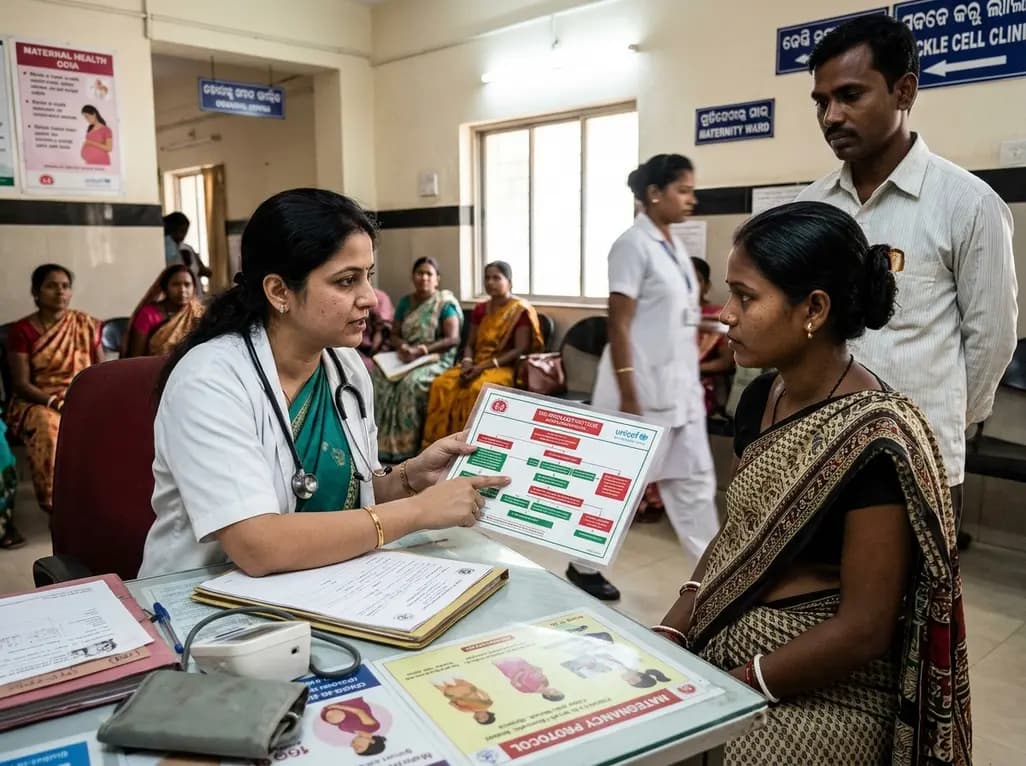
Odisha has established India's first state-level clinical protocol specifically tailored for pregnant women with sickle cell disease. Developed with NHM and UNICEF, the framework provides structured antenatal screening, crisis mitigation, standardized referral pathways, and specialized interdisciplinary care.
Today

India is advancing preventive healthcare by integrating genomics, artificial intelligence, and quantum technologies. With the SANGAM programme sequencing one million Indian genomes, clinicians can unlock personalized therapies, detect cardiometabolic risks early, and curb the burden of diabetes and heart disease.
Today
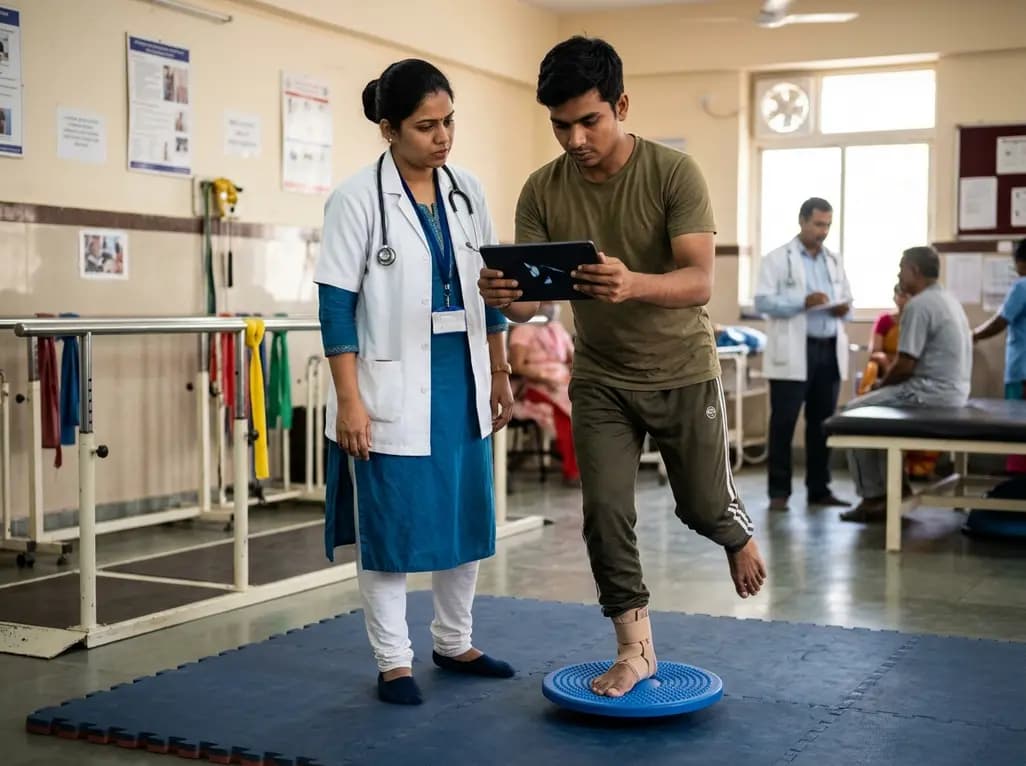
A randomized controlled trial demonstrates that an eight-week dual-task training intervention significantly improves static and dynamic postural control over standard balance exercises in individuals with chronic ankle instability, addressing critical neurocognitive deficits during athletic and daily activities.
Today

A retrospective cohort study of 7,716 ICU patients from the MIMIC-IV database demonstrates that Gradient Boosting Decision Trees significantly outperform traditional SOFA scores in predicting in-hospital mortality among patients with sepsis and diabetes, with SHAP analysis providing clinical interpretability.
Today
