.webp&w=384&q=75)

Loading, please wait...
Loading, please wait...
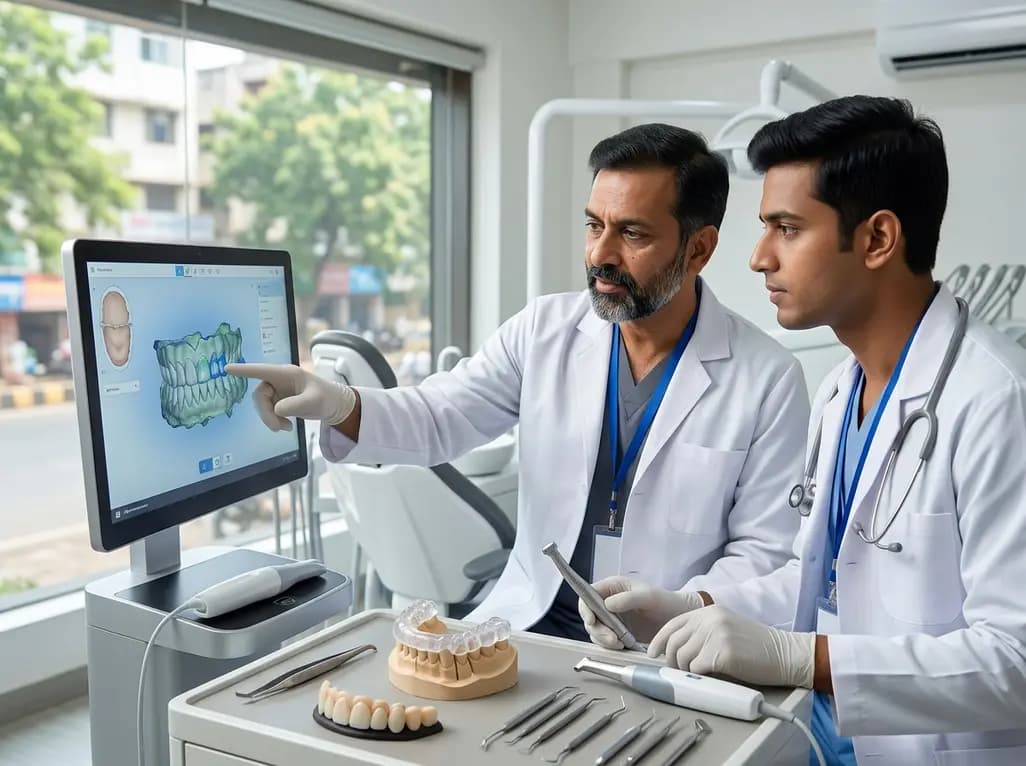
Contemporary restorative dentistry continuously evolves toward maximum tissue preservation and elevated esthetic outcomes. Achieving predictable results with thin ceramic restorations requires meticulous control over tooth preparation, restoration geometry, and final adhesive placement. Clinicians often face challenges when attempting to prepare ultra-conservative margins while maintaining anatomical orientation. A comprehensive digitally guided workflow addresses these limitations by integrating diagnostic planning directly into surgical and prosthetic steps. By combining physical guides for reduction with customized splints for bonding, practitioners can now deliver predictable esthetic and functional restorations with minimal biological sacrifice.
Traditional veneer preparation relies heavily on freehand depth cuts and silicone reduction indexes. However, these conventional approaches offer limited control during complex preparations, especially when treating malaligned or severely worn teeth. A seamless digitally guided workflow utilizes high-resolution intraoral surface scans and cone-beam computed tomography to evaluate enamel thickness precisely. Clinicians design diagnostic wax-ups in computer-aided design software to establish ideal restorative contours. Subsequently, three-dimensional printed reduction guides translate this digital design directly to the clinical field. Therefore, clinicians eliminate guesswork and avoid inadvertent dentin exposure during reduction.
Modern conservative techniques have introduced advanced restorative designs like V-veneers and V-onlays to address anterior and posterior defects. V-veneers cover the facial surface while incorporating limited incisal or occlusal wraps to stabilize anterior guidance. Similarly, V-onlays restore both vestibular anatomy and functional occlusal surfaces in posterior teeth compromised by severe erosion or attrition. Because these restorations feature ultra-thin margins, precise margin demarcation remains critical. Digital design software calculates the precise clearance necessary for structural durability. Consequently, practitioners preserve healthy natural tooth structure while achieving optimal biomechanical resistance.
Digitally printed preparation guides represent a significant technological leap in conservative tooth reduction. Technicians design these rigid splints with specialized cutouts and bur stops that directly dictate preparation depth and angulation. Once seated on adjacent stable teeth, the guide prevents the handpiece bur from exceeding predetermined parameters. Furthermore, this guided reduction approach ensures that enamel preparation remains strictly confined within safe anatomical boundaries. As a result, dentists maintain optimal enamel substrate for subsequent resin adhesive bonding, which dramatically improves the long-term bond strength of the final ceramic restoration.
Accurate bonding represents another critical phase in minimally invasive ceramic therapy. Because ultra-thin restorations lack clear mechanical retention features, micro-movements during seating can lead to margin discrepancy or fracture. Digital positioning splints overcome this hurdle by stabilizing the ceramic restoration in its exact planned coordinates during adhesive cementation. These custom transfer devices fit securely over the arch, holding individual restorations firmly in place while clinicians remove excess cement and execute light polymerization. Thus, positioning splints drastically minimize clinical seating errors and reduce post-cementation adjustment times.
Adopting guided restorative workflows requires thorough clinical training and precise data acquisition. Errors during initial intraoral scanning can propagate through guide design and result in ill-fitting templates. Additionally, clinicians must carefully select resilient resin materials for guide fabrication to prevent intraoperative flexure. Proper isolation with rubber dam clamps also requires thoughtful planning during guide modeling. When executed correctly, however, this integrated technique streamlines chairside procedures and provides reproducible clinical precision. Clinicians can confidently treat complex multi-unit rehabilitations with minimal stress and exceptional marginal accuracy.
As additive manufacturing and optical scanning technologies continue to advance, guided restorative dentistry will become increasingly accessible. Integrated workflows offer standardized protocols that reduce operator-dependent variability across complex esthetic treatments. Moreover, emerging artificial intelligence algorithms will soon automate guide design, accelerating turnaround times and enhancing laboratory collaboration. Ultimately, transitioning to comprehensive digital workflows safeguards patient biology, optimizes procedural efficiency, and ensures highly predictable esthetic and functional restorative outcomes for modern clinical practices worldwide.
V-veneers are conservative ceramic restorations that cover the facial tooth surface with a limited occlusal or incisal extension. Unlike conventional veneers that often require circumferential reduction, V-veneers focus on minimal enamel alteration to support anterior guidance. They provide exceptional esthetics while maintaining structural tooth integrity.
Positioning splints hold ultra-thin restorations in their exact three-dimensional orientation during adhesive bonding. They prevent accidental displacement, restoration rotation, or uneven cement distribution while the practitioner executes light curing. This stabilization minimizes marginal discrepancies and reduces post-insertion adjustments.
Freehand tooth reduction often leads to uneven preparation or unintentional dentin exposure, which weakens adhesive bonding. Digital preparation guides physically restrict bur depth and angulation based on virtual diagnostic models. Consequently, clinicians preserve maximum enamel, ensuring superior bond strength and restoration longevity.
Disclaimer: This content is for informational and educational purposes only. It is not intended to provide medical advice, diagnosis, or treatment. Healthcare professionals should make clinical decisions based on individual patient assessments and established protocols. Refer to the latest local and national guidelines for clinical practice.
References
Elias-Ortiz P et al. A digitally guided workflow integrating tooth preparation and restoration positioning for minimally invasive veneer and partial-coverage restorations: A dental technique. J Prosthet Dent. 2026 Aug 22. doi: undefined. PMID: 42632771.
Magne P, Belser UC. Novel porcelain laminate preparation approach driven by a diagnostic mock-up. J Esthet Restor Dent. 2004;16(1):7-16.
Coachman C, Calamita MA, Schons DE. Visagism: The art of dental composition. Quintessence Dent Technol. 2017;40:187-200.

Read summarized clinical updates, watch expert medical content, and earn CME certifications right from your smartphone.
Open your smartphone camera to scan and install.





Explore an innovative digitally guided workflow that integrates tooth preparation guides and positioning splints for minimally invasive veneer and partial-coverage restorations, ensuring conservative enamel preservation and precise seating.
last month
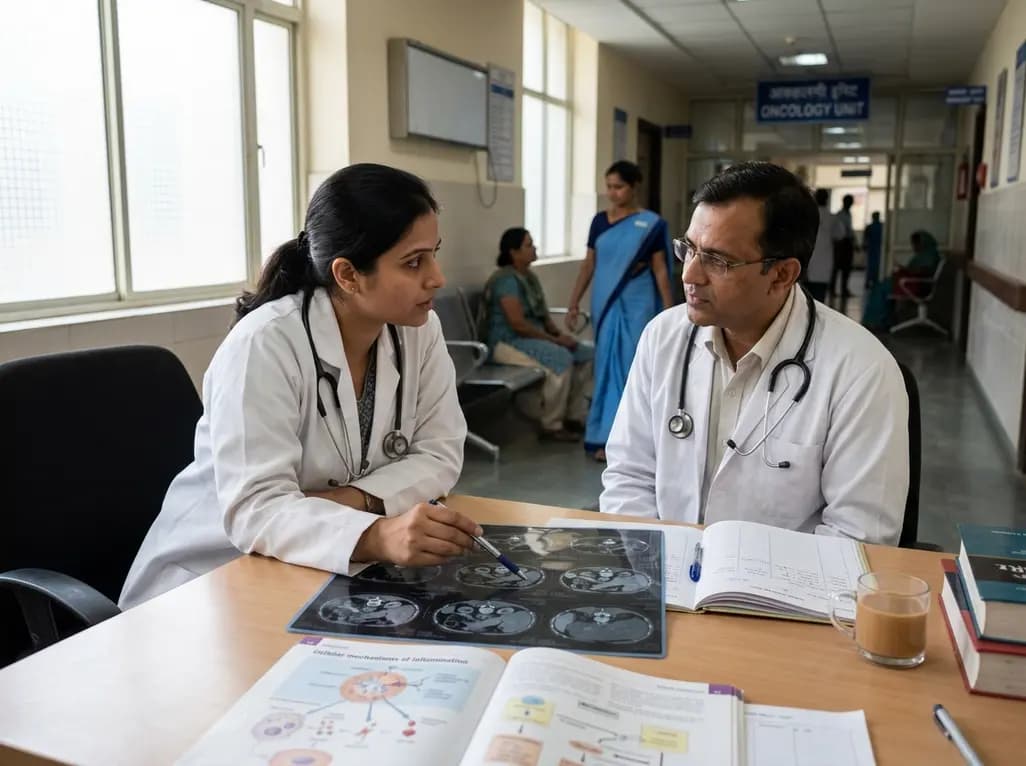
Pancreatic cancer cachexia affects over 80% of patients, driving severe muscle wasting, systemic inflammation, and treatment intolerance. This review highlights key pathophysiological drivers, exocrine insufficiency, objective CT imaging, and emerging therapies like GDF-15 inhibitors to improve clinical outcomes.
Today
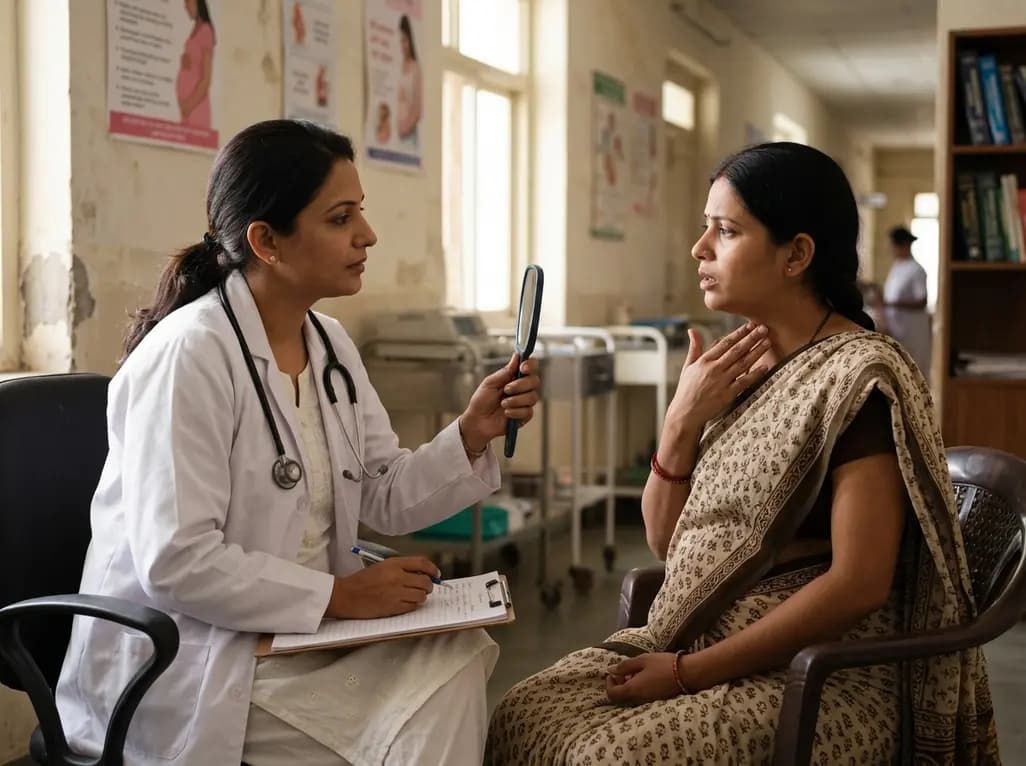
A scoping review reveals how pregnancy affects phonation through laryngeal edema and reduced phonation time rather than major acoustic pitch alterations. Learn how to identify, evaluate, and manage vocal symptoms in expectant mothers.
Today
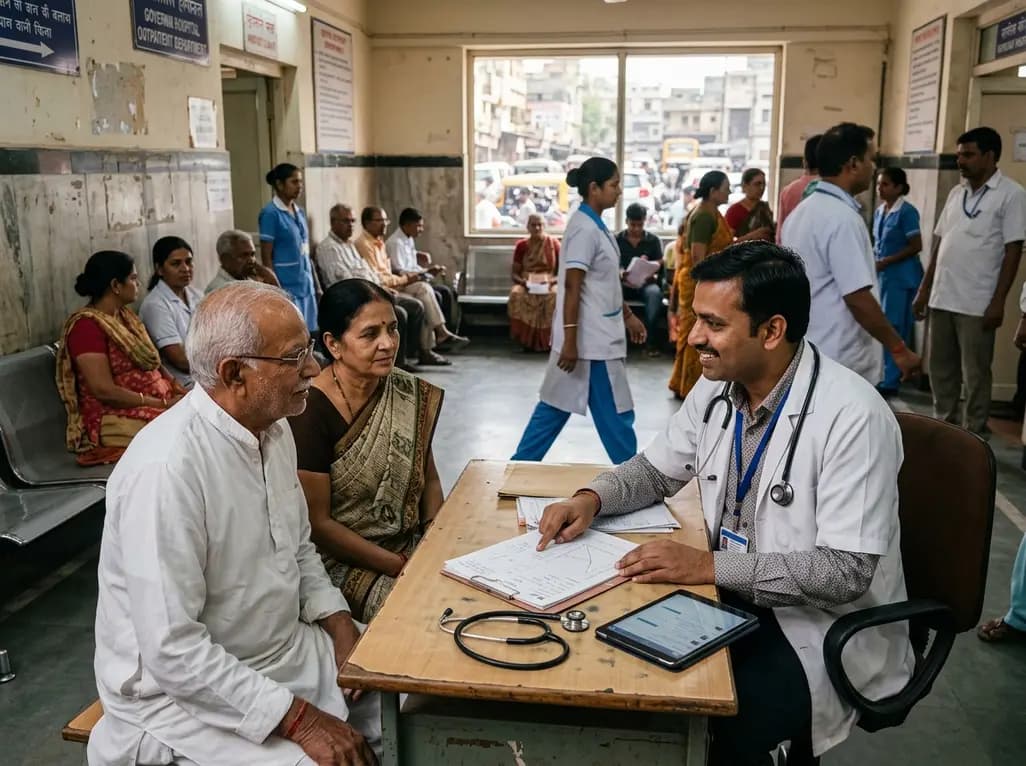
According to WHO data, average lifespan reached 73.3 years in 2023, recovering from pandemic lows. However, healthy life expectancy lags at 62.8 years due to surging noncommunicable conditions like cardiovascular disease and dementia, demanding proactive primary screening and sustained chronic care.
Today
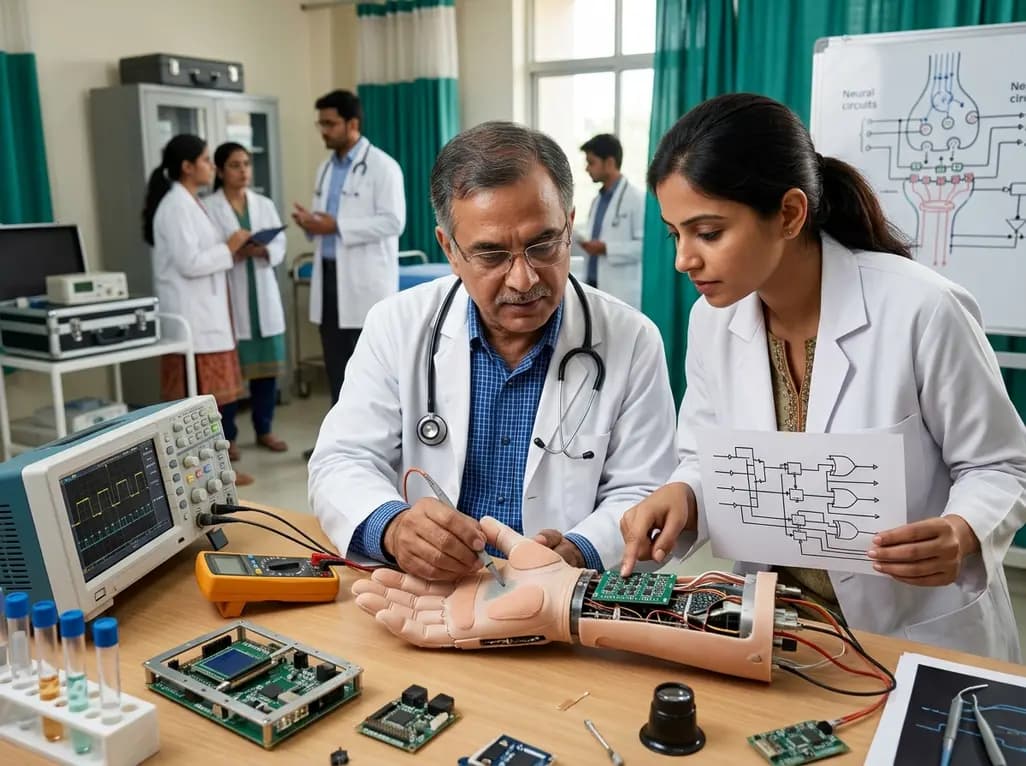
Researchers have engineered an artificial sensory-pain integrated receptor using a multi-threshold organic synaptic transistor. The system distinguishes benign touch from noxious stimuli, enabling safer, more responsive prosthetic limbs with built-in memory and simplified hardware architecture.
Today
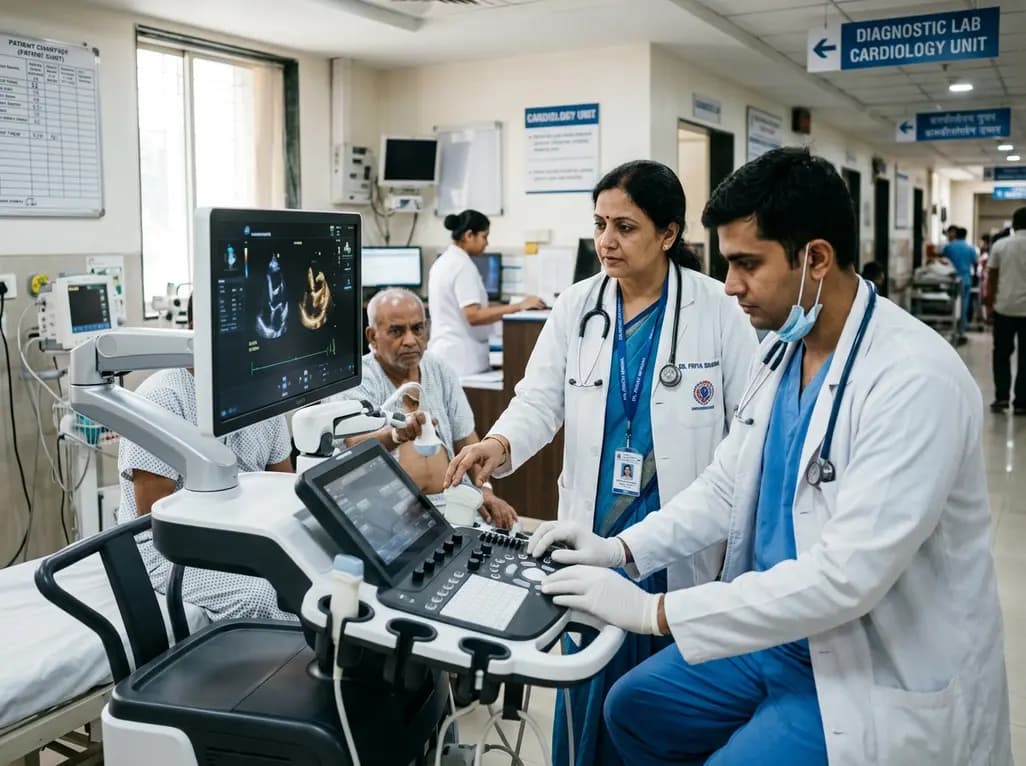
Medical robotics is transitioning beyond operative suites into diagnostics, cardiology, and endocrinology. Explore how innovations in tele-robotics, AI integration, and nanomedicine are overcoming geographical barriers and transforming precision healthcare delivery across India's evolving disease landscape.
Today
