

Loading, please wait...
Loading, please wait...
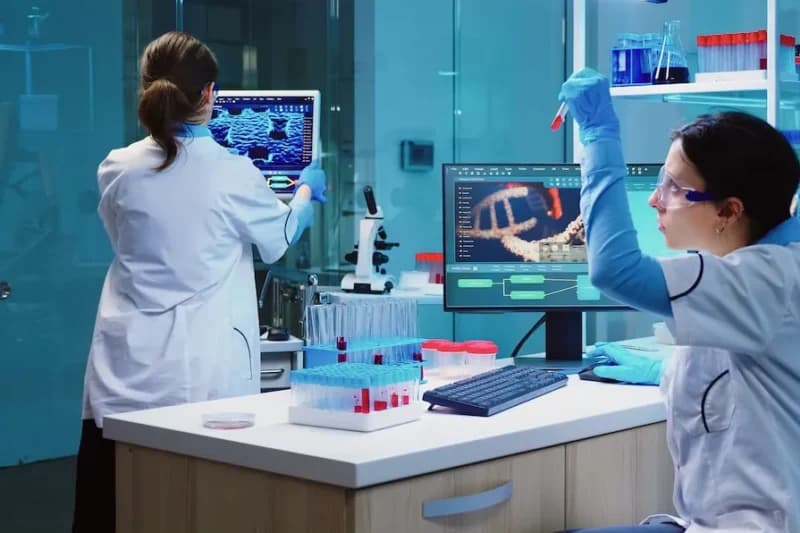
Eating disorders represent a significant and growing public health challenge among adolescents globally, including in India. Recent studies indicate that nearly one in four Indian adolescents may be at risk for disordered eating behaviors. Consequently, finding scalable interventions is crucial. The emergence of digital eating disorder treatment offers a promising solution to bridge the gap in specialized mental healthcare accessibility. A recent feasibility trial evaluated a novel, therapist-guided digital approach specifically designed for adolescents with subthreshold eating disorders, showing encouraging results for clinical practice.
Researchers conducted an open feasibility trial within routine clinical care settings to assess how well young patients engaged with the platform. The study included 24 adolescent girls with a mean age of 16 years. Participants engaged with digital modules while receiving guidance from a therapist. The primary focus was to determine if such a digital framework could be effectively integrated into standard healthcare without compromising patient safety or treatment quality. Notably, no serious negative effects were reported throughout the trial duration.
The results of the trial demonstrated that the intervention was highly acceptable to the participants. Furthermore, adherence rates remained satisfactory, which is often a hurdle in adolescent mental health programs. Linear mixed model analyses revealed significant clinical improvements in eating disorder symptomatology. Additionally, patients showed a marked reduction in psychosocial impairment. Although secondary outcomes like anxiety and depression showed non-significant improvements, the overall reduction in core eating disorder symptoms suggests that digital tools can complement existing care models effectively.
For clinicians in India, these findings are particularly relevant given the shortage of specialized eating disorder clinics. Digital interventions can extend the reach of evidence-based care to urban and semi-urban populations where social media influence and academic stress frequently trigger body image issues. Specifically, therapist-guided models provide a layer of safety and personalization that self-help apps often lack. By integrating these tools, healthcare providers can offer early intervention to prevent subthreshold symptoms from escalating into full-syndrome disorders.
Yes, the feasibility trial indicated that the therapist-guided digital treatment was well-tolerated. Most importantly, no serious negative effects were reported among the participants during the study.
Digital treatments are currently viewed as effective complements to existing care. They enhance treatment reach and can be used for early intervention or as part of a stepped-care model in routine clinical settings.
The study found significant improvements in eating disorder symptoms and social impairment. These results suggest that digital platforms can successfully deliver core therapeutic components to adolescents.
Disclaimer: This content is for informational and educational purposes only and does not constitute medical advice or a professional relationship. The information provided should not be used for diagnosing or treating a health problem. Always seek the advice of a qualified healthcare provider regarding any medical condition. Refer to the latest local and national guidelines for clinical practice.
References
Holgersen G et al. The acceptability, adherence, and preliminary effectiveness of a digital treatment for adolescents with subthreshold eating disorders. Findings from an open feasibility trial in routine clinical care. J Eat Disord. 2026 Apr 09. doi: 10.1186/s40337-026-01596-9. PMID: 41957670.
Sruthi S et al. Prevalence and Risk Factors of Eating Disorders Among Indian Adolescents. Cureus. 2024 Aug 24. doi: 10.7759/cureus.67634.
Linardon J et al. The use of technology in the treatment of youth with eating disorders: A scoping review. J Eat Disord. 2022. doi: 10.1186/s40337-022-00697-5.
"
Read summarized clinical updates, watch expert medical content, and earn CME certifications right from your smartphone.
Open your smartphone camera to scan and install.





A feasibility trial demonstrates that therapist-guided digital treatment for adolescents with subthreshold eating disorders is both acceptable and effective...
6 months ago

Novel diimide and hydrazone scaffolds, particularly compound #C4, synergistically reactivate latent HIV-1 when combined with JQ1 or PKC activators. Demonstrating donor-matched proviral transcription ex vivo and non-canonical signaling, these findings advance shock and kill strategies toward reservoir eradication.
Today

A cross-sectional study reveals that maternal RSV vaccination coverage reached only 43.7% in Argentina, with maternal vaccine knowledge being the sole independent predictor of uptake. Clinicians play a crucial role in eliminating informational and structural barriers to optimize infant health.
Today
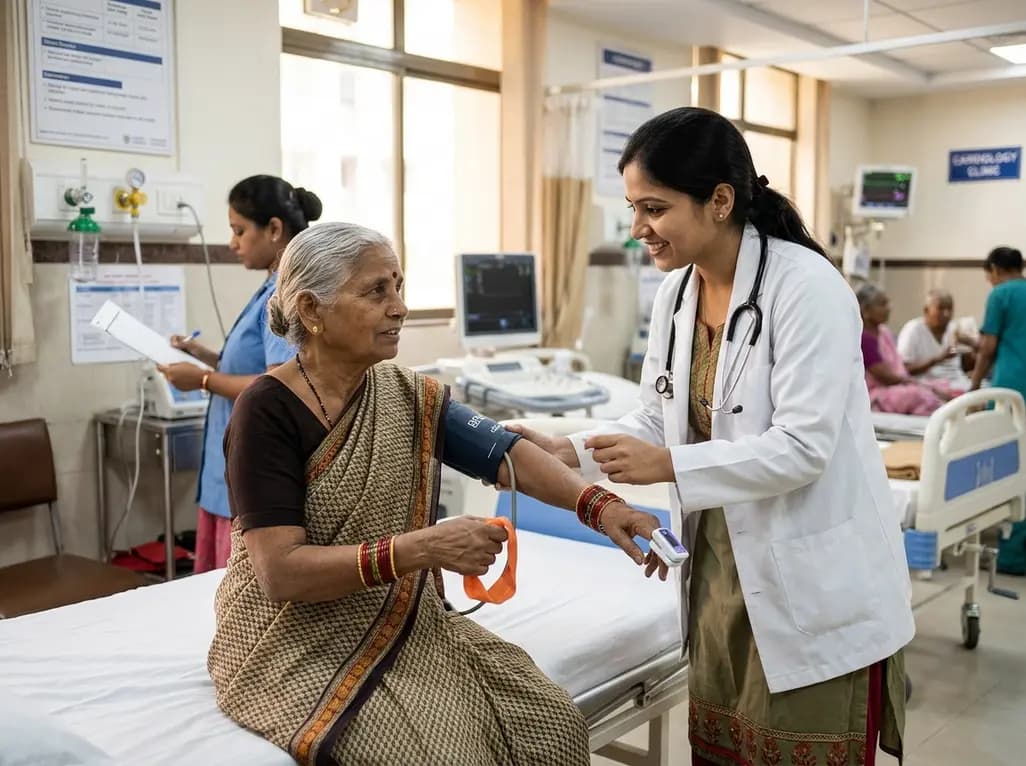
Review how tailored exercise programs benefit frail older patients with heart failure. Explore pathophysiological mechanisms, individualized training prescriptions, and strategies to overcome adherence barriers in clinical practice.
Yesterday

This comparative study evaluates posterior labral tears with and without glenohumeral instability, highlighting distinct demographic patterns, MRI underestimation in stable shoulders, and successful arthroscopic repair outcomes.
Yesterday
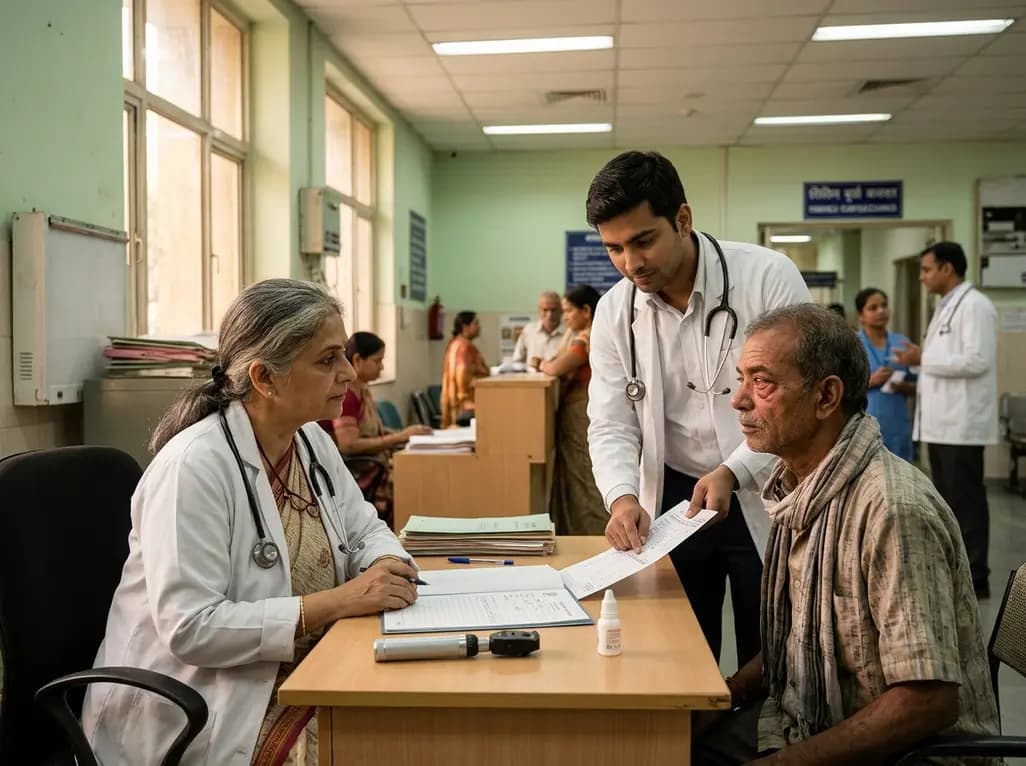
A clinical study demonstrates that early intervention with tocilizumab, either as monotherapy or bridged with corticosteroids, achieves significant proptosis reduction and resolves active inflammation in treatment-naive thyroid eye disease.
Yesterday
