.webp&w=384&q=75)

Loading, please wait...
Loading, please wait...
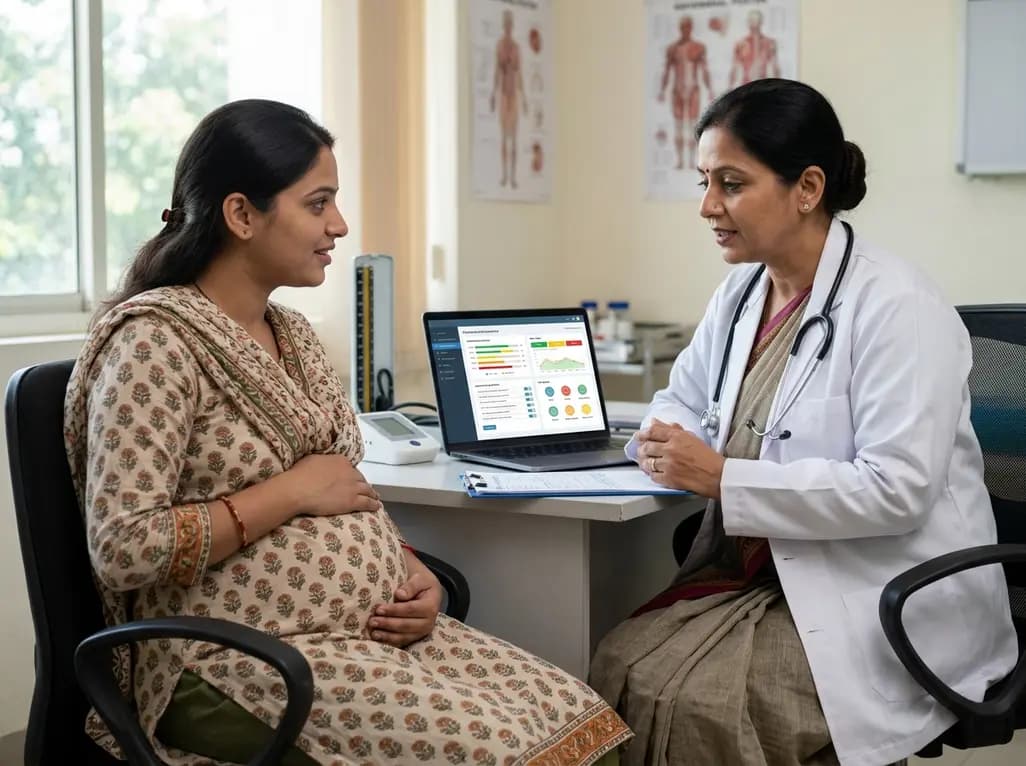
Expectant mothers often face complex psychosocial challenges that can significantly impact pregnancy outcomes. However, healthcare providers frequently overlook these vulnerabilities due to time constraints and a lack of specialized tools. The Born in Belgium Professionals (BIB-Pro) platform, a specialized clinical decision support system (CDSS), aims to transform this landscape by streamlining antenatal psychosocial screening.
A recent cross-sectional study evaluated the BIB-Pro platform's uptake across 39 care settings, including hospitals and social care units. Researchers observed that the platform facilitated screening for over 95% of consented files. Furthermore, among screened women, a staggering 80.4% presented with at least one psychosocial indicator. These results highlight the critical need for systematic identification processes. Consequently, digital health tools provide a reliable framework for providers to capture these hidden risks early.
The most common indicators identified included low educational levels at 46.8% and financial difficulties at 15.4%. Additionally, the study identified psychological history and depressive symptoms in nearly 20% of women. Fortunately, the CDSS does more than just identify risks; it also provides a structured workflow for follow-up actions. More than 85% of women with identified risks received documented care interventions through the platform. Therefore, technology effectively bridges the gap between detection and treatment.
Digital tools offer a scalable solution for integrating mental health into routine maternal care. In regions like India, where maternal mental health screening is gaining traction, such platforms could provide essential support. By centralizing data and automating referrals, clinicians can ensure that no woman falls through the gaps in the healthcare system. Moreover, the integration of these systems into primary care settings strengthens the follow-up of psychosocial needs. As a result, expectant mothers receive more holistic and personalized care throughout their pregnancy journey.
A clinical decision support system provides structured screening protocols and automates care pathways. It ensures that clinicians follow standardized guidelines for referrals and interventions, improving overall care consistency.
The BIB-Pro study found that over 80% of screened women had at least one psychosocial indicator. Common issues included financial stress, low education, or a history of psychological conditions.
Disclaimer: This content is for informational and educational purposes only and does not constitute professional medical advice, diagnosis, or treatment. Always seek the advice of your physician or other qualified health provider with any questions you may have regarding a medical condition. Refer to the latest local and national guidelines for clinical practice.
References
Amuli K et al. The use of an innovative clinical decision support system focused on psychosocial vulnerabilities during pregnancy: the Born in Belgium Professionals Platform. BMC Health Serv Res. 2026 Jun 04. doi: 10.1186/s12913-026-14814-6. PMID: 42243824.
World Health Organization. (2022). WHO recommendations on antenatal care for a positive pregnancy experience. WHO Guidelines.
Ministry of Health and Family Welfare, Government of India. (2021). National Guidelines for Maternal Health and Mental Well-being.

Read summarized clinical updates, watch expert medical content, and earn CME certifications right from your smartphone.
Open your smartphone camera to scan and install.





A study on the BIB-Pro platform demonstrates how clinical decision support systems improve the identification of psychosocial risks during pregnancy....
3 months ago
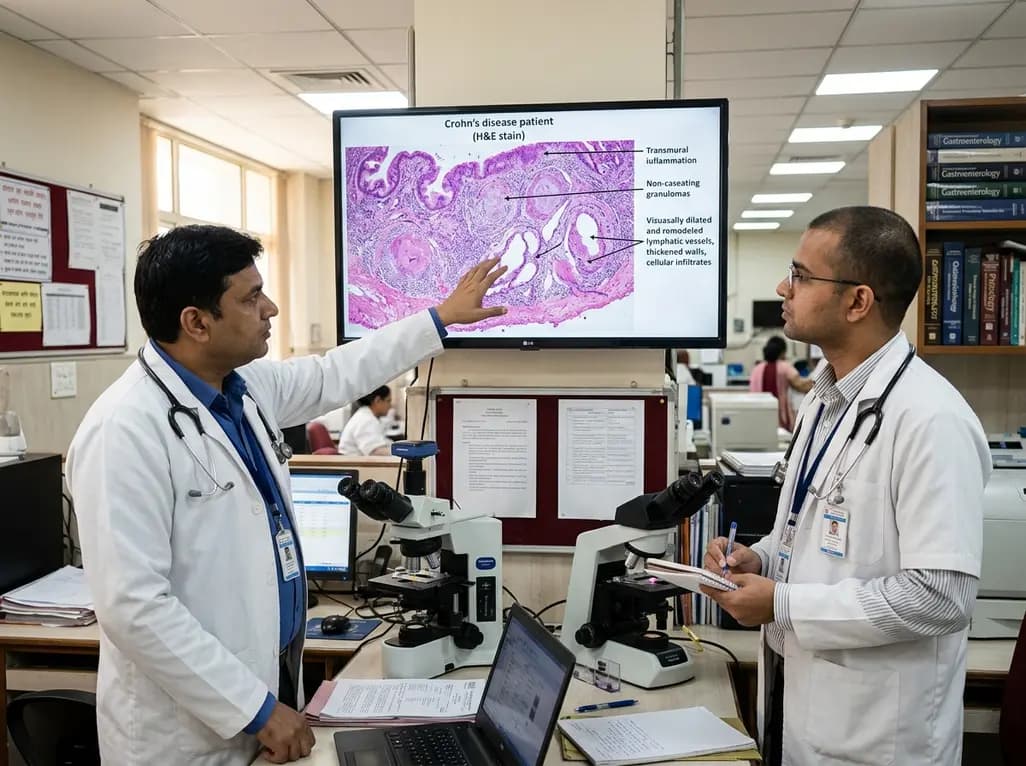
Intestinal lymphatic dysfunction is re-emerging as a fundamental driver of Crohn's disease pathogenesis. Explore how structural remodeling, lymphangitis, and defective clearance shape transmural inflammation and offer novel therapeutic targets.
Today

A school-based intervention using the Health Action Process Approach (HAPA) significantly enhanced adolescents' perceived benefits of consulting healthcare providers and promoted proactive menstrual health behaviors, offering key clinical insights for managing adolescent dysmenorrhea and endometriosis.
Today

A comprehensive analysis of the Translational Maturity Framework for nanomedicine-device combination products, evaluating regulatory complexity, manufacturing hurdles, and clinical readiness across oncology, cardiology, and orthopedics.
Today
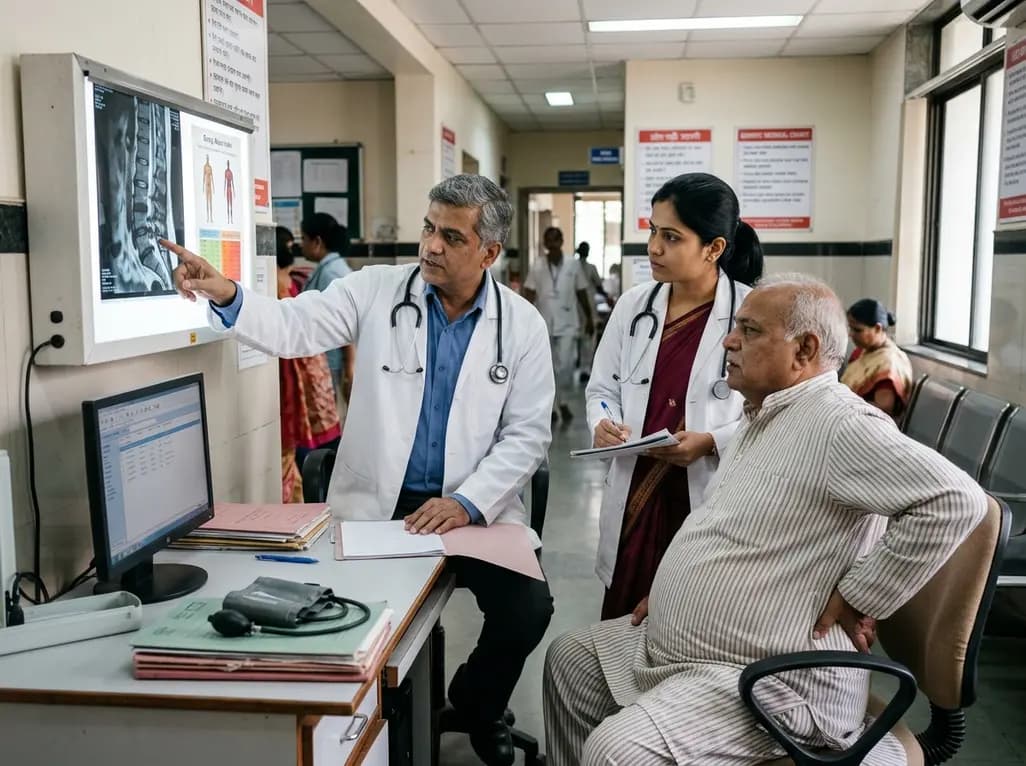
A cross-sectional study reveals that sarcopenic obesity independently increases functional impairment and severe disc degeneration in patients with degenerative lumbar spinal stenosis, highlighting the need for body composition assessment.
Today
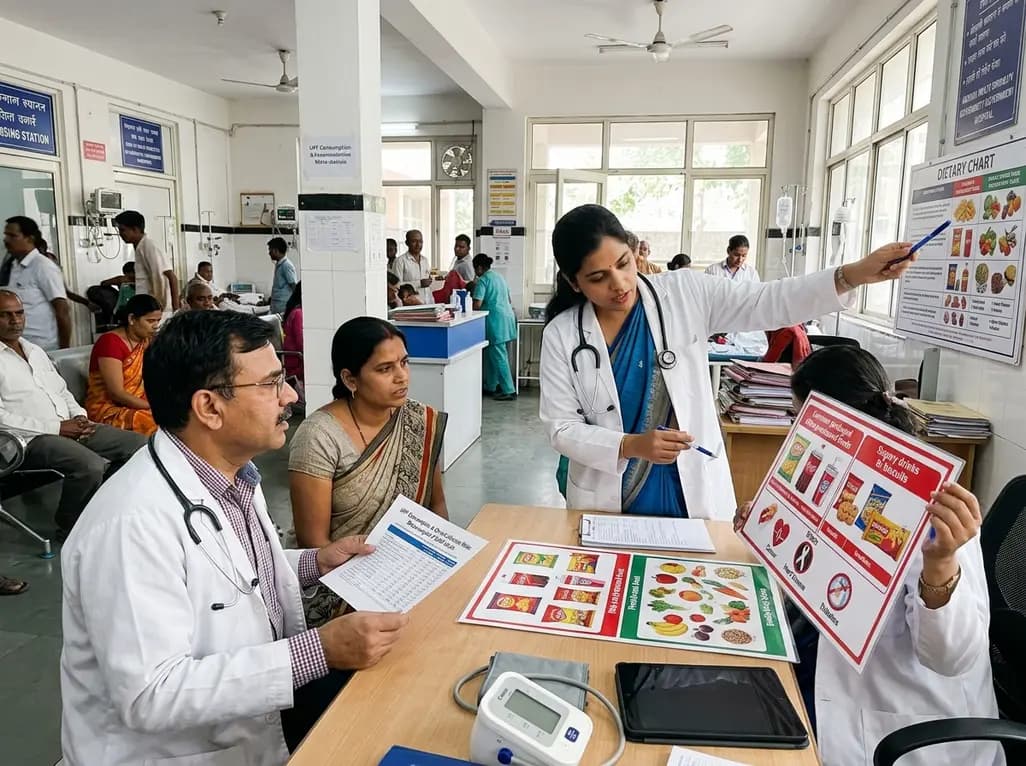
A landmark dose-response meta-analysis of 8.8 million adults reveals that high ultra-processed food intake significantly elevates risks for cardiovascular disease, cancer, diabetes, depression, and all-cause mortality, highlighting urgent needs for clinical lifestyle interventions.
Today
