.webp&w=384&q=75)

Loading, please wait...
Loading, please wait...

The transition to parenthood brings profound physiological, emotional, and social adjustments. When a pregnancy involves high clinical risks, these psychological demands escalate dramatically. Expectant parents often encounter elevated levels of stress, anxiety, and depression that compromise both maternal and fetal health. Unfortunately, structural obstacles and fragmented healthcare pathways frequently prevent timely access to supportive services. To bridge this critical gap, clinical researchers designed an innovative digital perinatal navigator. This mobile health platform delivers individualized guidance, interactive self-assessments, and streamlined referrals to essential medical and community resources. Consequently, evaluating how expectant mothers interact with mobile tools is essential for modern obstetric care. A recent mixed-methods clinical trial at University Women's Hospital Heidelberg evaluated the platform among high-risk pregnant individuals. Researchers gathered psychometric survey data alongside qualitative interviews to understand real-world user experiences. In addition, the findings illuminate how tailored technological solutions empower vulnerable patients during critical gestational stages. Ultimately, digital navigation tools offer scalable strategies to augment routine antenatal surveillance and expand patient-centered mental health resources. Such innovations represent a crucial advancement for maternal healthcare systems globally.
High-risk pregnancies introduce distinct psychological stressors that standard clinical consultations may inadvertently overlook. Expectant mothers admitted for inpatient monitoring or diagnosed with complex maternal-fetal conditions face heightened distress and profound uncertainty. In the Heidelberg trial, the cohort exhibited a median gestational age of 30 weeks and a median age of 33 years. Baseline evaluations demonstrated that these participants experienced moderate to high levels of stress, anxiety, and depressive symptoms. Obstetric complications such as preeclampsia, gestational diabetes, and preterm labor amplify vulnerability to perinatal mood disorders. Moreover, untreated psychological distress associates directly with adverse birth outcomes, including low birth weight and iatrogenic preterm delivery. Although clinicians recognize these hazards, institutional constraints often limit the time available for thorough psychiatric screening. Therefore, digital tools represent a non-invasive conduit through which patients can safely express concerns and access evidence-based coping strategies. By integrating continuous self-assessment protocols, the application identified emerging distress before acute crises developed. Furthermore, the findings emphasize that psychological support must constitute an integral component of tertiary obstetric care rather than an optional adjunct.
Patient engagement depends fundamentally on application usability, interface clarity, and data transparency. Throughout the two-week test phase, participants demonstrated exceptionally positive interactions with the digital platform. Psychometric assessments confirmed outstanding acceptance, yielding a median System Usability Scale score of 80 with an interquartile range of 17.5. In parallel, the mHealth App Usability Questionnaire generated a median score of 111 with an interquartile range of 28. These high scores indicate that users navigated the digital architecture effortlessly despite acute medical stressors. Furthermore, participants highlighted that trustworthy medical content and an intuitive visual layout fostered sustained confidence. Because commercial web forums often spread misinformation, hospital-endorsed applications provide reassuring clarity for anxious families. Patients specifically praised the interactive follow-up features, which allowed them to track their mood shifts across consecutive days. Additionally, statistical analyses revealed that participants significantly expanded their baseline knowledge of available health and social services. A statistically significant increase in provider awareness occurred, demonstrating that targeted digital education effectively empowers high-risk cohorts. Such findings validate the platform's clinical acceptability.
Fragmented health ecosystems frequently obstruct the seamless delivery of multidisciplinary perinatal care. High-risk mothers must navigate complicated networks of obstetricians, perinatologists, psychiatrists, social workers, and lactation specialists. However, patients rarely possess comprehensive directories of these specialized services. The qualitative investigation revealed that the digital navigator bridged this informational divide by cataloging local multidisciplinary providers. Consequently, participants discovered community mental health initiatives and specialized counseling centers that they previously did not know existed. Despite notable gains in health literacy, actual uptake of outside clinical services showed modest changes during the trial. The researchers determined that acute hospitalization, strict bed rest, and cognitive fatigue constrained participants from scheduling outside appointments. Moreover, bureaucratic referral hurdles and extended waiting lists often delayed prompt consultation. Hence, future digital platforms must incorporate direct booking modules, automated referral pathways, and integrated teleconsultations. Removing administrative friction ensures that heightened health knowledge translates directly into proactive care utilization. Clinicians must actively collaborate with software designers to establish seamless referral loops.
The successful deployment of mobile health technologies carries profound implications for global obstetric practice. Modern maternal healthcare requires proactive risk stratification that extends beyond conventional biophysical profiles. By adopting digital navigation systems, tertiary hospitals and outpatient clinics can provide continuous, low-threshold psychosocial support between scheduled physical visits. Furthermore, clinicians can utilize remote tracking to monitor patient-reported outcomes without overburdening hospital infrastructure. In resource-constrained environments, such digital platforms offer a cost-effective method to democratize maternal-fetal education and standardize mental health screening. Indian healthcare institutions, for example, manage massive antenatal volumes where specialized perinatal mental health services remain scarce in rural regions. Integrating bilingual digital navigators within national health frameworks could bridge geographic disparities. Additionally, obstetricians can leverage these applications to identify red-flag symptoms early, ensuring timely intervention for hypertensive disorders or perinatal depression. Ultimately, seamless digital integration reinforces provider-patient communication, enhances clinical safety, and elevates overall perinatal survival metrics. Clinicians must champion these digital interventions to modernize maternal healthcare pathways.
A digital perinatal navigator is a specialized mobile health application designed to guide expectant mothers through the complexities of perinatal care. It provides evidence-based medical information, tracks maternal mental health via interactive self-assessments, and catalogs specialized community healthcare providers. For high-risk pregnancies, the navigator reduces emotional distress, improves health literacy, and streamlines referrals, ensuring vulnerable patients receive timely psychosocial and obstetric support.
Maternal mental health directly impacts obstetric outcomes and neonatal well-being. High-risk pregnancies heighten chronic stress, depression, and anxiety, triggering neuroendocrine dysregulation that elevates risks of preeclampsia, preterm birth, and fetal growth restriction. Systematic monitoring allows clinicians to identify psychological distress before acute decompensation occurs. Implementing early behavioral and psychosocial interventions stabilizes maternal mood, fosters secure mother-infant bonding, and significantly minimizes preventable perinatal complications across diverse healthcare settings.
Clinicians can incorporate digital tools by recommending vetted applications during early antenatal visits and establishing structured review protocols. Obstetric teams can utilize dashboard summaries to monitor patient-reported symptoms, review mental health trends, and identify red-flag clinical concerns between scheduled consultations. Furthermore, integrating these applications into electronic medical records facilitates prompt multidisciplinary referrals, optimizes clinical consultation time, and empowers patients to actively participate in shared medical decision-making.
Disclaimer: This content is for informational and educational purposes only. It is not intended to replace professional medical advice, diagnosis, or treatment. Always consult a qualified physician or healthcare provider regarding medical conditions or clinical decisions. Refer to the latest local and national guidelines for clinical practice.
References
Foerstel M et al. Feasibility and Usability of a Digital Perinatal Navigator for High-Risk Pregnancies: Mixed Methods Study. J Med Internet Res. 2026 Oct 08. doi: 10.2196/88015. PMID: 42849035.
Thomas S. Emerging Trends in Maternal–Fetal Medicine: Precision Obstetrics, Digital Transformation and Lifespan Maternal Health. A and V Pub J Nurs Med Res. 2026;5(2):99-105. doi: 10.52711/jnmr.2026.21.
Temkin-Yu AB, Ayaz A, Blicker E, et al. Feasibility of a Mobile App-Based Cognitive-Behavioral Perinatal Skills Program: Protocol for Nonrandomized Pilot Trial. JMIR Res Protoc. 2025;14:e59461. doi: 10.2196/59461.
De P, Pradhan MR. Effectiveness of mobile technology and utilization of maternal and neonatal healthcare in low and middle-income countries (LMICs): a systematic review. BMC Womens Health. 2023;23(1):664. doi: 10.1186/s12905-023-02805-4.

Read summarized clinical updates, watch expert medical content, and earn CME certifications right from your smartphone.
Open your smartphone camera to scan and install.





A mixed-methods study evaluates a digital perinatal navigator app for high-risk pregnancies, demonstrating high usability, reduced distress, and improved awareness of vital healthcare services.
Today
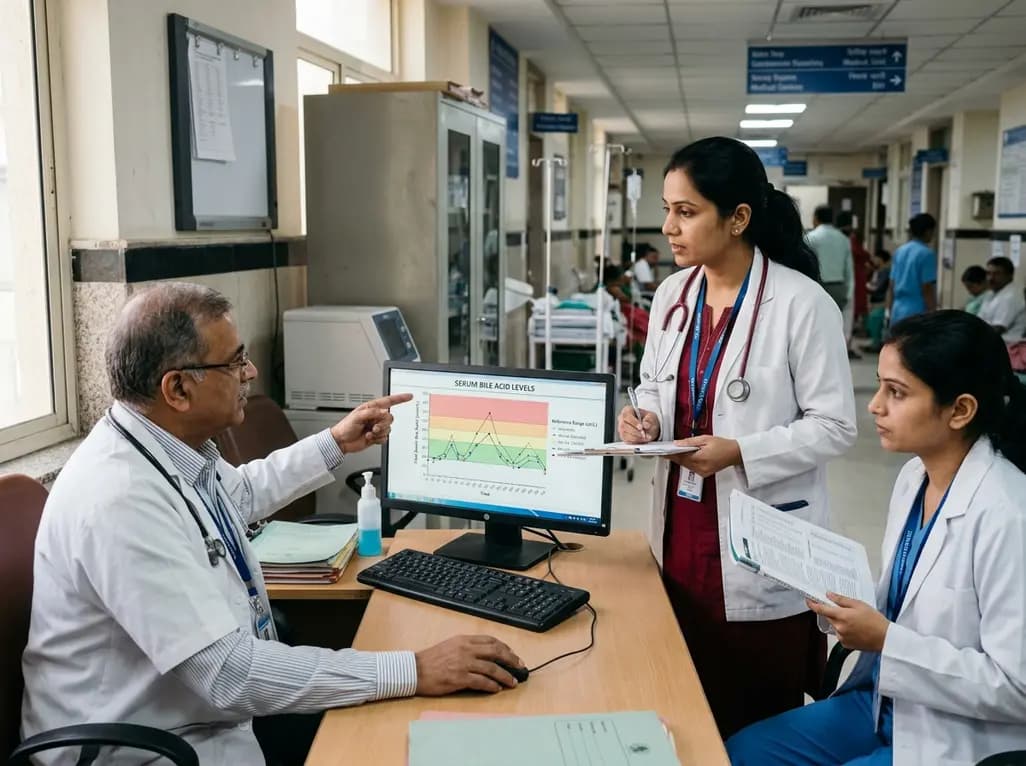
A comprehensive analysis of serum bile acid variability establishes robust reference ranges and reveals how sex, age, BMI, and smoking alter circulating profiles.
Today
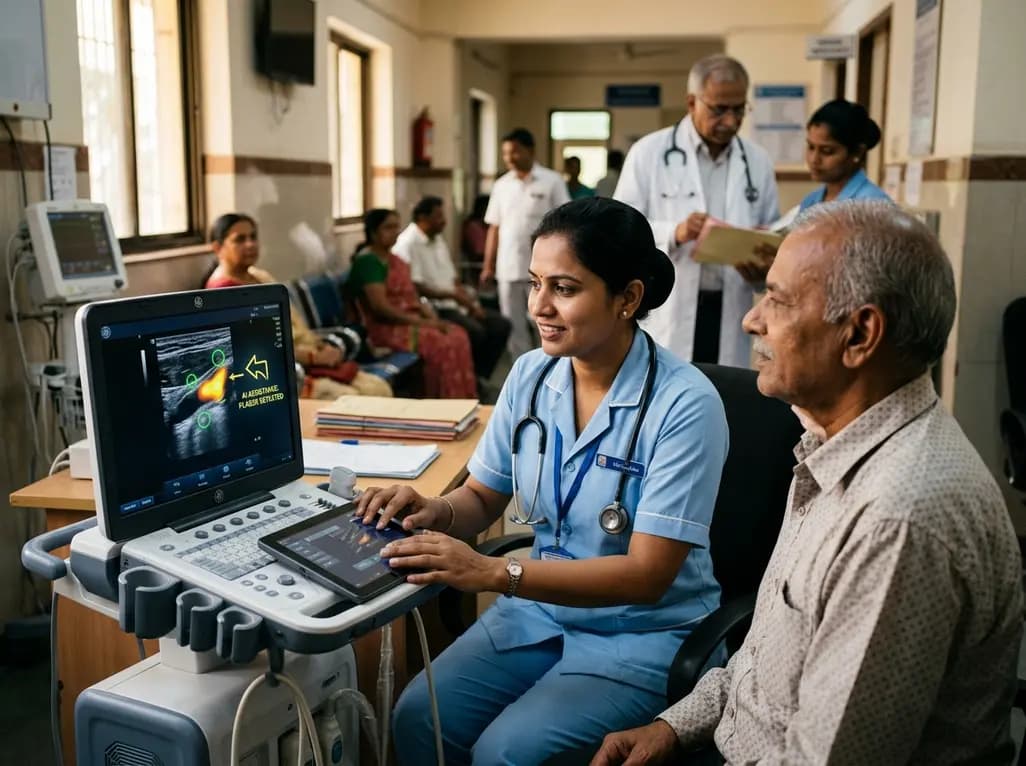
A user-centered study demonstrates that AI-assisted carotid ultrasound enables nonexpert primary care staff to detect subclinical atherosclerosis. With real-time guidance and workflow optimization, this technology supports early cardiovascular risk communication and task-shifting in routine clinical practice.
Today
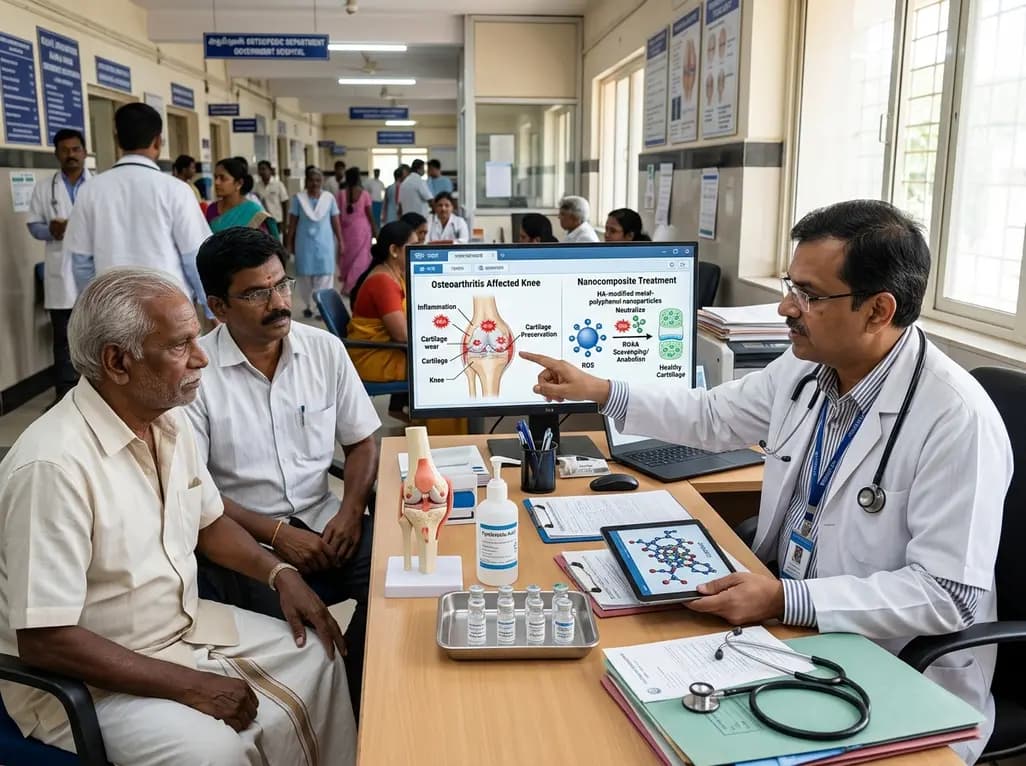
A hyaluronic acid-modified metal-polyphenol nanocomposite successfully eliminates reactive oxygen species in chondrocytes, halts cartilage breakdown, and promotes tissue anabolism, presenting a novel disease-modifying strategy for early osteoarthritis.
Today
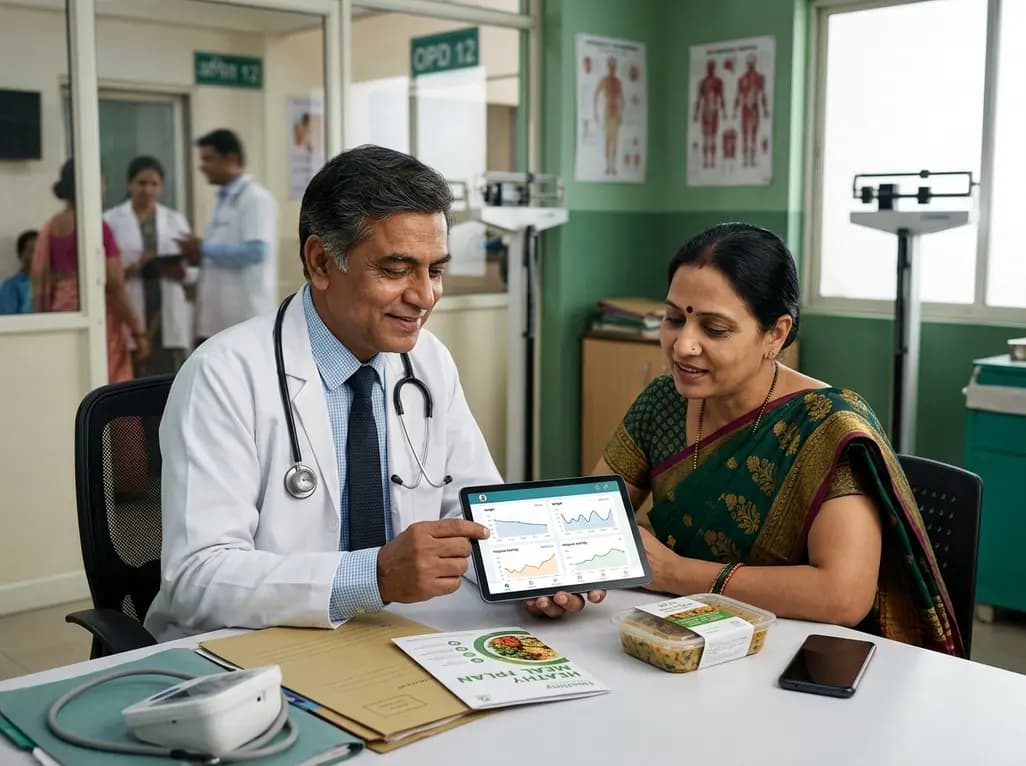
A pilot randomized trial demonstrates that digital wellness applications and medically tailored meals significantly attenuate rapid weight regain following GLP-1 receptor agonist discontinuation, providing valuable transitional support for long-term obesity management.
Today
