.webp&w=384&q=75)

Loading, please wait...
Loading, please wait...

Dravet syndrome represents a devastating developmental and epileptic encephalopathy characterized by drug-resistant seizures, progressive neurodevelopmental delays, and systemic comorbidities. Historically, clinical drug trials have primarily measured convulsive seizure frequency as their primary endpoint. However, modern clinical practice and patient advocacy groups increasingly recognize that traditional metrics miss the extensive functional burden experienced by patients and families. To address this gap, investigators are evaluating novel, patient-centric Dravet syndrome outcome measures that capture holistic everyday functioning in real-world environments.
Traditional clinical trial endpoints in Dravet syndrome rely almost entirely on caregiver-reported seizure diaries and infrequent clinic-based assessments. Although seizure reduction remains a vital therapeutic goal, these episodic counts fail to depict daily cognitive fluctuations, behavioral challenges, and motor dysfunction. In addition, brief hospital visits frequently induce stress or fatigue in pediatric patients. Consequently, in-clinic testing often provides an inaccurate or incomplete snapshot of a child's true baseline abilities.
Furthermore, families experience profound disruptions in sleep, communication, and independence that seizure tallies simply do not capture. When clinicians assess novel disease-modifying therapies, relying solely on seizure frequency may overlook meaningful gains or subtle adverse functional impacts. Therefore, child neurologists need sensitive assessment tools capable of tracking continuous, ecologically valid performance in domestic environments. Remote digital technologies offer a transformative pathway to bridge this observational divide.
A recent multistage co-design study conducted across Spain systematically explored what matters most to families caring for individuals with Dravet syndrome. Through comprehensive surveys, caregivers highlighted multiple domains beyond seizure control that severely diminish family well-being. Notably, 35% of surveyed caregivers identified neuropsychiatric symptoms, such as irritability, aggression, and hyperactivity, as their most urgent health concern.
Additionally, 33% of respondents emphasized loss of autonomy and self-care abilities, while 31% reported substantial restrictions in social and leisure activities. These findings confirm that neurodevelopmental and behavioral domains represent critical therapeutic targets. Caregivers stressed that slight improvements in functional communication or behavioral regulation profoundly enhance family stability. Consequently, investigators must align future clinical trials with these caregiver-prioritized domains to guarantee meaningful therapeutic evaluation.
To capture these functional domains, researchers engaged families in interactive design workshops to co-create decentralized digital assessment modalities. Rather than imposing rigid hospital protocols, the team developed a customized mobile prototype that enabled structured video recordings and remote digital surveys. Caregivers provided direct guidance regarding app layout, notification schedules, and functional activity selections.
Moreover, caregivers advocated strongly for flexible recording schedules and age-appropriate tasks that accommodate daily physical variability. They welcomed customizable task menus and open-text response fields, which allowed them to record unique contextual nuances during real-time testing. This collaborative development strategy ensured that the resulting digital tools directly reflected real-world home environments while respecting family routines.
During a two-week usability pilot, caregivers deployed the mobile prototype in their daily home environments. Overall, participants reported a positive experience with the remote platform, noting that digital tasks effectively documented motor, behavioral, and cognitive capabilities in natural settings. Remote video capture provided objective clinical documentation that surpassed standard retrospective questioning.
Nevertheless, the feasibility evaluation revealed key logistical challenges that demand careful technical refinement. Caregivers reported technical friction when attempting to capture spontaneous behaviors on video while simultaneously managing an active or distressed child. Repetitive questionnaire prompts also created reporting fatigue during busy household routines. Accordingly, participants recommended shorter workflows, passive monitoring features, and personalized task scheduling to sustain long-term engagement across extended clinical trials.
The successful co-creation of decentralized outcome measures signals a vital shift toward patient-centered drug development in pediatric neurology. As gene therapies, antisense oligonucleotides, and novel neuroactive molecules enter clinical pipelines, regulatory agencies increasingly demand validated evidence of tangible functional benefit. Digital outcome measures offer granular, objective data streams that can serve as reliable secondary or exploratory trial endpoints.
Furthermore, these digital tools hold immense value for routine clinical practice in diverse global regions, including India. In resource-limited settings where tertiary epilepsy centers remain geographically distant, remote digital tracking can assist clinicians in monitoring treatment responses and comorbidity burdens longitudinally. By incorporating caregiver insights early in protocol design, clinicians ensure that therapeutic interventions achieve changes that genuinely improve patient quality of life.
Moving forward, researchers must transition these preliminary prototypes into fully validated digital health technologies. Subsequent research phases require rigorous analytical validation, longitudinal test-retest reliability testing, and comprehensive clinical validation across culturally diverse cohorts. Establishing normative benchmarks across different developmental stages remains paramount.
Additionally, integrating passive sensor data, such as wearable accelerometers and automated sleep monitoring, may significantly minimize caregiver entry burden while preserving data fidelity. Collaborative partnerships between academic medical centers, patient advocacy organizations, and software engineers will accelerate this validation pipeline. Ultimately, co-designed digital measures promise to elevate clinical research standards, transforming how clinicians measure therapeutic success in rare neurodevelopmental disorders.
Traditional seizure diaries rely on retrospective recall, which introduces subjective bias and frequently misses non-convulsive or nocturnal events. Furthermore, seizure diaries do not capture critical functional comorbidities, including motor impairment, expressive language delays, sleep disruption, and neuropsychiatric challenges. These non-seizure factors significantly dictate patient quality of life and require separate objective assessment methods.
Caregiver co-design ensures that digital health platforms accommodate the demanding, unpredictable reality of managing severe pediatric encephalopathies. By consulting parents directly, researchers eliminate unnecessary operational complexity, design age-appropriate motor tasks, and reduce digital survey fatigue. This participatory approach significantly boosts protocol compliance, patient retention, and longitudinal data quality during extended clinical trials.
Remote digital outcome measures do not fully replace formal in-person examinations, laboratory safety tests, or comprehensive neuroimaging. Instead, they serve as powerful complementary tools that bridge clinical visits. They capture high-frequency, ecologically valid real-world data at home, thereby reducing the physical burden of travel on vulnerable families while enriching regulatory trial endpoints.
Disclaimer: This content is for informational and educational purposes only... Refer to the latest local and national guidelines for clinical practice.
References

Read summarized clinical updates, watch expert medical content, and earn CME certifications right from your smartphone.
Open your smartphone camera to scan and install.





A feasibility study explores caregiver co-creation of digital outcome measures for Dravet syndrome. By tracking motor, cognitive, and neuropsychiatric domains at home, remote tools capture real-world functioning beyond conventional seizure counts to enhance pediatric clinical trials.
Today

A landmark cluster randomized trial demonstrates that community-based mass dog vaccination achieves superior coverage and sustains protective herd immunity against rabies far better than conventional campaign models, offering vital lessons for global and Indian elimination targets.
Today

Explore the crucial link between dietary protein and immunocompetence. This review examines how low-protein nutrition shifts metabolic resources away from pathogen defense toward early reproduction, compromising host survival and immunity against severe bacterial infections.
Today
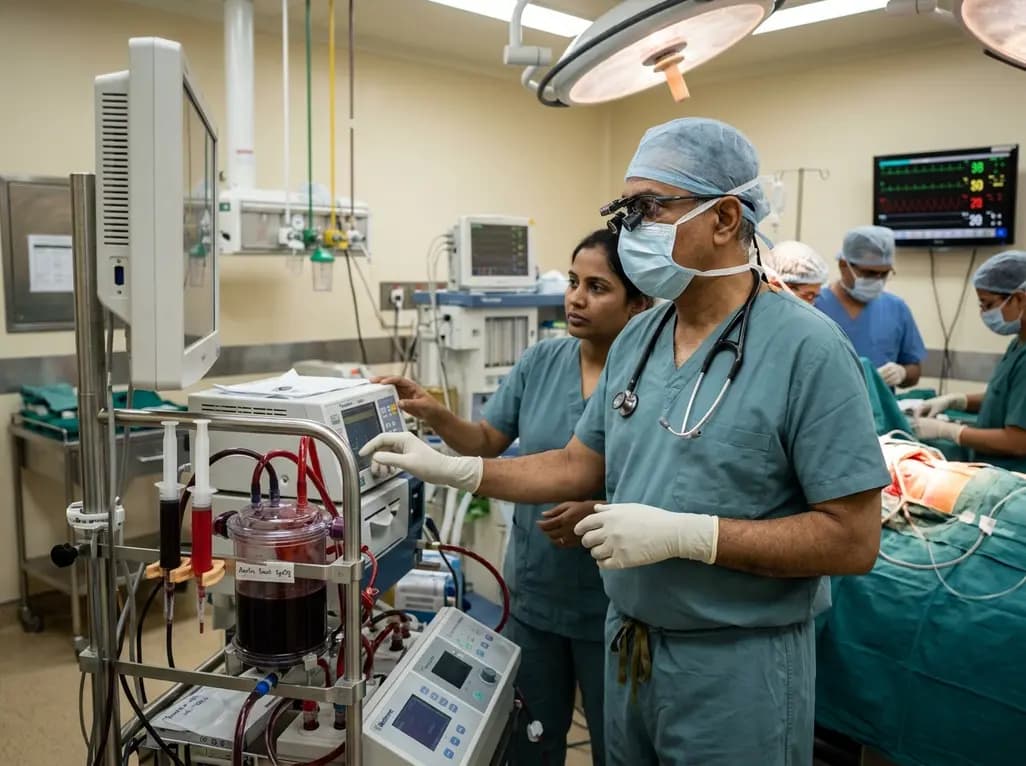
Differential oxygenation during peripheral TA-NRP can cause undetected coronary hypoxemia due to arch vessel clamping. A novel circuit with continuous aortic root monitoring detects desaturation early, facilitating left ventricular unloading and preventing allograft dysfunction and unnecessary heart discard.
Today
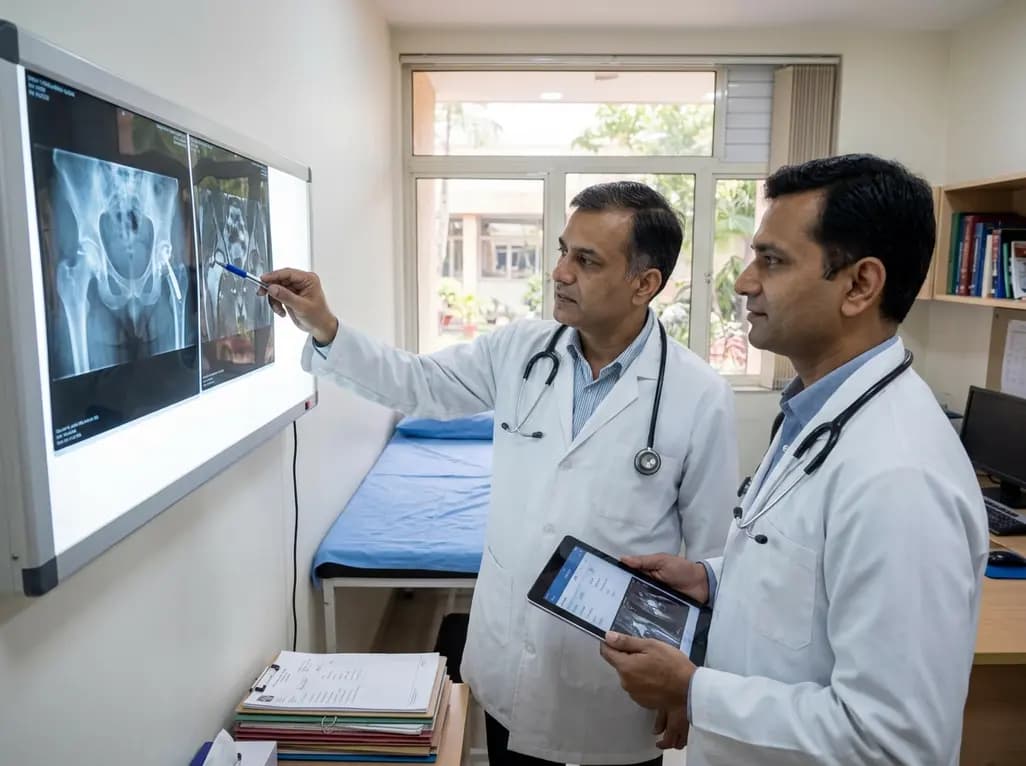
A longitudinal study reveals that patients undergoing staged bilateral hip arthroscopy experience progressive contralateral labral deterioration during surgical intervals. However, structural degradation does not compromise 2-year postoperative clinical outcomes or patient-reported satisfaction scores.
Today

A post hoc analysis of the PARM-T2D study shows pemafibrate exerts baseline-dependent effects on LDL-C and particle size in type 2 diabetes and hypertriglyceridemia. It lowers triglycerides and remnants while favorably remodeling atherogenic LDL particles based on initial lipid control status.
Today
