.webp&w=384&q=75)

Loading, please wait...
Loading, please wait...

Young adults in today’s hyper-connected world increasingly rely on social media for nutrition advice, making digital nutrition literacy a critical skill for healthy living. A recent qualitative study from the UK investigated how individuals aged 18-25 interact with food-related content. Findings suggest that while these platforms provide inspiration, they also introduce significant challenges like contradictory information and triggers for restrictive eating. Consequently, clinicians must understand these digital dynamics to support their patients effectively.
The research identified five primary themes regarding social media engagement. Firstly, users are moving away from passive scrolling toward active interaction with content. However, this interaction often leads to frustration because of conflicting dietary advice. Specifically, young adults struggle to verify the credibility of self-proclaimed experts. Therefore, developing digital nutrition literacy allows users to filter misinformation and focus on evidence-based health goals rather than purely appearance-driven ideals.
Social media's influence on behavior is complex and often contradictory. For instance, many participants reported finding motivation for home cooking and trying new, healthy recipes. Conversely, the same platforms can trigger body dissatisfaction and restrictive eating habits. Furthermore, the study noted a shift from weight-focused goals to more holistic health-centered objectives. Despite this positive shift, young adults remains vulnerable to algorithmic control that promotes idealized body images.
To improve health outcomes, future eHealth interventions must prioritize user agency and privacy. Participants expressed a strong preference for content delivered by credible professionals rather than influencers. Moreover, customizable features allow users to tailor their experience based on personal needs. By leveraging social opportunity and reflective motivation, digital tools can foster safer online environments. Ultimately, healthcare providers should encourage young patients to be proactive in managing their digital consumption habits.
Social media exerts a dual influence; it can inspire healthy cooking and dietary diversity but also poses risks for disordered eating and body image issues through comparison and misinformation.
Digital nutrition literacy is the ability to find, understand, and critically evaluate nutrition-related information on digital platforms to make informed health decisions.
Because social media significantly shapes dietary perceptions and mental health, clinicians can help patients identify credible sources and recognize the psychological impact of digital content.
Disclaimer: This content is for informational and educational purposes only and does not constitute professional medical advice, diagnosis, or treatment. Always seek the advice of your physician or other qualified health provider with any questions you may have regarding a medical condition. Refer to the latest local and national guidelines for clinical practice.
References
Tang H et al. Young Adults' Interactions With Food and Nutrition Content on Social Media and Implications for Intervention Design: Semistructured Interview Study. J Med Internet Res. 2026 Apr 07. doi: 10.2196/89344. PMID: 41945919.
Martin C. The Impact of Social Media on Dietary Choices Among Young Adults. CSUSB ScholarWorks. 2025 May.
Athsnasoula et al. Social media's influence on adolescents' food choices: a mixed studies systematic literature review. Appetite. 2022;168:105765.

Read summarized clinical updates, watch expert medical content, and earn CME certifications right from your smartphone.
Open your smartphone camera to scan and install.





A qualitative study explores UK young adults' engagement with social media food content, highlighting the need for credible, professional-led interventions....
5 months ago

Dendritic cells bridge innate and adaptive immunity in myocardial infarction. This review explores their pathological roles, circulating dynamics, novel tolerogenic interventions, and how standard cardiovascular medications modulate dendritic cells to improve post-infarction myocardial repair and patient outcomes.
Today

A premature neonate developed upper limb compartment syndrome after uterine rupture extruded the arm through a scar defect. Conservative management with continuous monitoring yielded complete functional recovery and normal limb growth at 10-year follow-up, highlighting non-operative safety in selected cases.
Today
Atherosclerosis involves extensive glycometabolic reprogramming across immune and vascular cells. This review examines how glycolysis, the pentose phosphate pathway, and lactate-driven epigenetic shifts fuel plaque vulnerability, while highlighting novel therapeutic targets like PFKFB3 and LDHA.
Today
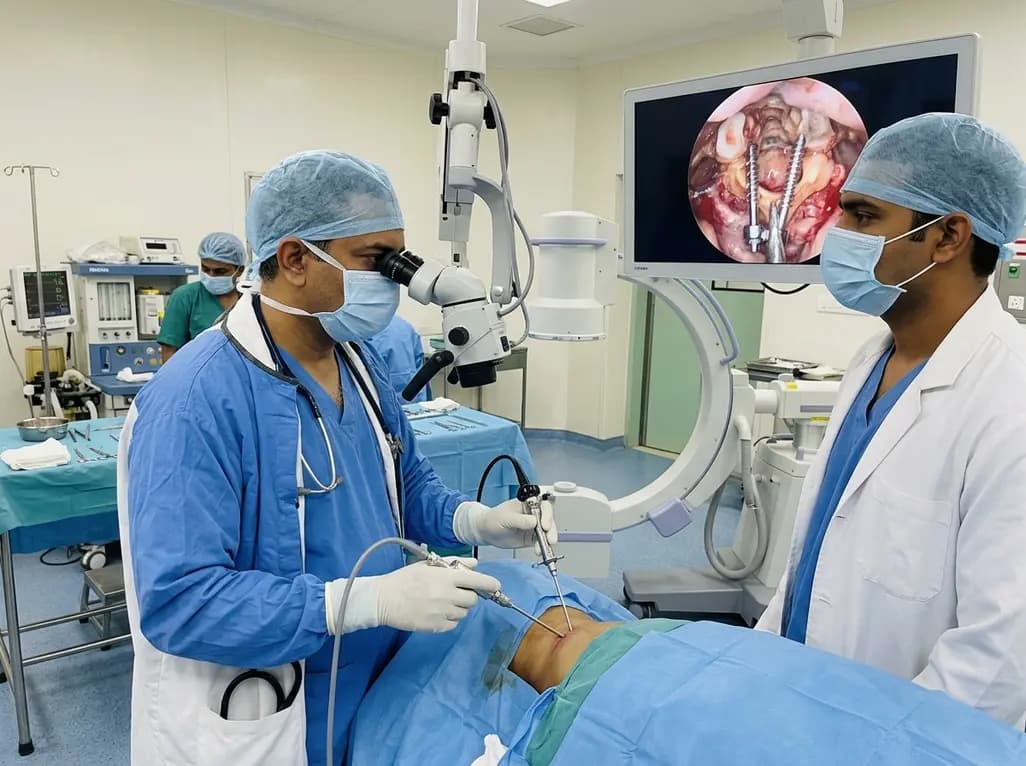
Endoscopic posterior cervical fusion combines minimally invasive decompression, joint preparation, and rigid screw-rod fixation for atlantoaxial pathologies. Early clinical findings demonstrate solid bony union, excellent symptom relief, and minimal soft-tissue morbidity without significant vascular compromise.
Yesterday
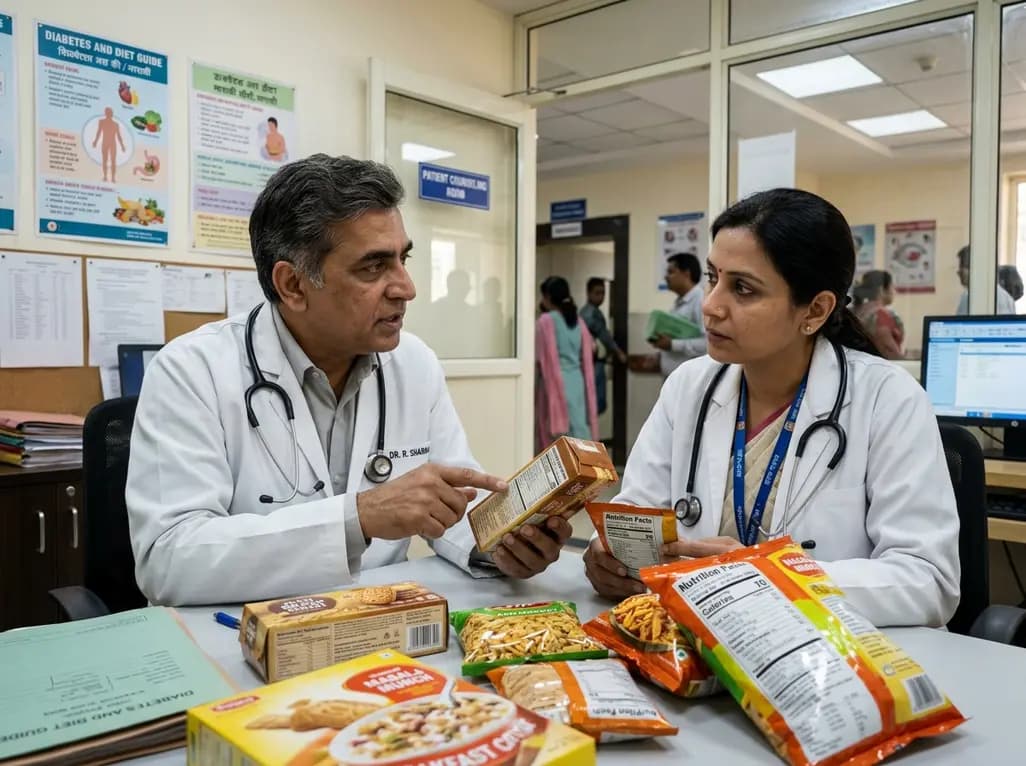
The All-India Food Processors' Association has approached the Supreme Court to oppose FSSAI's proposed per-100g benchmark for front-of-pack warning labels, advocating instead for a per-serving threshold. We explore the regulatory showdown, nutritional evidence, and implications for clinical lifestyle counseling.
Today
