.webp&w=384&q=75)

Loading, please wait...
Loading, please wait...
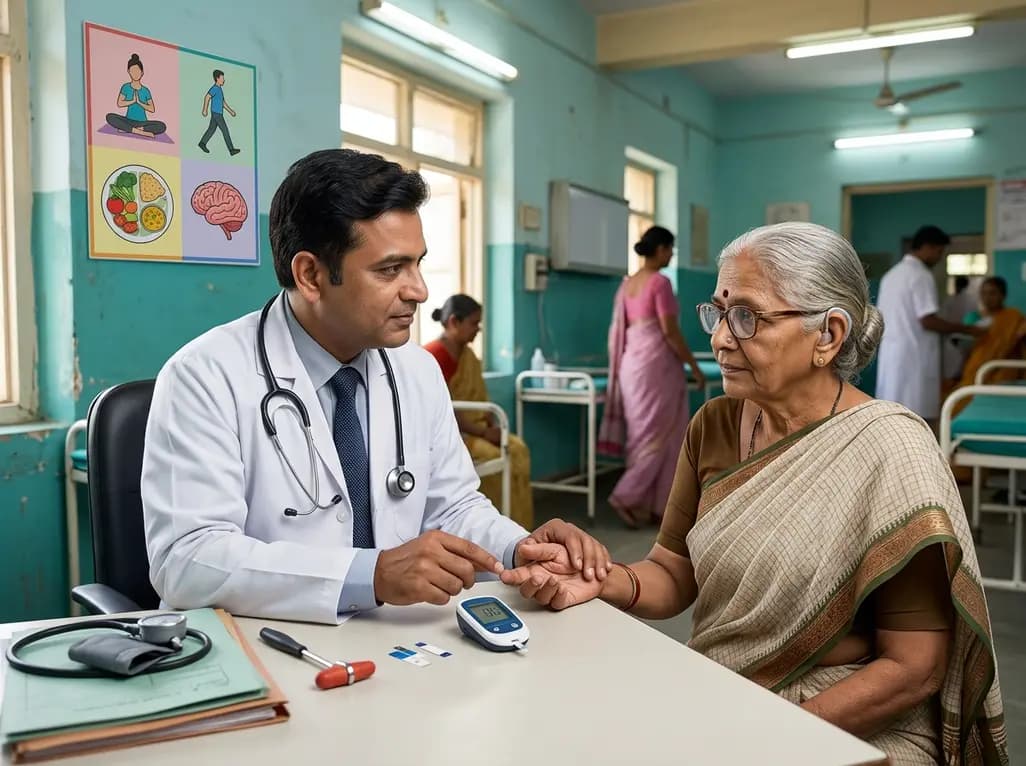
Understanding the key dementia risk factors in India is crucial for developing targeted public health strategies and clinical interventions. A landmark review analyzing 25 years of epidemiological data from 2000 to 2025 has provided unprecedented clarity regarding how cognitive decline manifests in South Asian populations. Researchers evaluated regional data against the fourteen modifiable risk factors identified by the 2024 Lancet Commission on dementia prevention. Their findings demonstrate that addressing modifiable risks could prevent or delay cognitive decline in nearly half of all affected individuals. However, the manifestation of these risks in India exhibits distinct patterns compared to Western nations. Metabolic conditions like diabetes emerge earlier in life, while undernourishment and sensory deficits contribute disproportionately to cognitive impairment. Furthermore, distinct socioeconomic and demographic dynamics, including notable gender disparities and rural-urban healthcare gaps, heavily influence disease prevalence across the country. Clinicians must recognize these unique regional characteristics to implement effective screening, early detection, and preventive protocols. By prioritizing early lifestyle modifications, metabolic management, and routine sensory screening, healthcare providers can substantially reduce the growing burden of neurodegenerative disorders across diverse Indian demographics.
Vascular and metabolic health plays a central role in modulating midlife cognitive trajectory among South Asians. Early-onset type 2 diabetes serves as one of the most potent dementia risk factors in India. Unlike Western populations, where diabetes frequently correlates with obesity, South Asians routinely develop metabolic dysregulation at a lower body mass index and at significantly younger ages. Clinical evidence indicates that developing diabetes during young adulthood or midlife can double or even triple an individual's risk of subsequent neurodegenerative decline. India currently ranks third globally in total diabetes cases, creating a vast population at heightened vulnerability for vascular dementia and Alzheimer's disease. Chronic hyperglycemia damages microvascular networks within the brain, accelerating cerebral small vessel disease, white matter hyperintensities, and neuroinflammation. Consequently, rigorous glycemic control and early cardiovascular risk screening represent vital clinical priorities. Primary care physicians and endocrinologists must aggressively monitor blood glucose, lipid profiles, and blood pressure in middle-aged patients. Implementing targeted metabolic interventions during midlife offers a powerful opportunity to preserve cognitive reserve, delay structural brain alterations, and lower overall dementia incidence nationwide.
Sensory deprivation has emerged as a major modifiable trigger for cognitive deterioration in the Indian population. Unaddressed hearing loss affects approximately 41 percent of adults in India, significantly increasing susceptibility to cognitive deficits. Epidemiological analyses demonstrate that hearing impairment correlates with a 59 percent higher overall risk of dementia and nearly double the risk of developing Alzheimer's disease. Reduced auditory input deprives the cerebral cortex of necessary stimulation, leading to accelerated cortical atrophy and cognitive overload as the brain compensates for sensory loss. Similarly, untreated vision loss accounts for an estimated 14 percent of dementia cases across India. Visual impairment limits physical independence, reduces social engagement, and diminishes intellectual stimulation, all of which accelerate neurodegeneration. Fortunately, both visual and auditory deficits are highly correctable through routine clinical screening, affordable hearing aids, and corrective ophthalmic surgeries like cataract removal. Integrating mandatory vision and hearing evaluations into adult routine health checks can yield substantial cognitive benefits. Primary care clinicians must actively advocate for early sensory rehabilitation to protect brain health across aging cohorts.
Physical inactivity and nutritional status present a complex dual challenge for cognitive health management in South Asia. While engaging in just 35 minutes of moderate physical activity weekly can reduce dementia risk by 41 percent, over 57 percent of Indian adults fail to meet minimum physical activity guidelines. Sedentary lifestyles impair neuroplasticity, reduce cerebral blood flow, and worsen underlying metabolic disease. Simultaneously, nutritional factors in India contrast sharply with those in Western countries. In high-income nations, midlife obesity drives much of the vascular dementia risk. Conversely, in India, both undernourishment and low body mass index significantly increase neurodegenerative susceptibility. Undernutrition leads to micronutrient deficiencies, muscle wasting, systemic frailty, and compromised cellular repair mechanisms, all of which compromise neurological resilience. Addressing this dual burden requires clinicians to offer balanced, culturally appropriate lifestyle counseling. Promoting light-to-moderate physical exercise alongside adequate protein and micronutrient intake can enhance cognitive reserve. Managing both physical activity levels and nutritional adequacy serves as an indispensable pillar of preventive geriatric care across diverse socio-economic communities in India.
Socioeconomic factors and demographic variables profoundly shape dementia prevalence and diagnostic rates across India. Limited formal education accounts for 22 percent of modifiable dementia risk in India, compared to just 8 percent globally. Early educational attainment builds cognitive reserve, enhancing neural flexibility and network redundancy that shield the brain against neurodegenerative pathology. Expanding educational access and lifelong learning initiatives thus represents a crucial structural intervention for long-term brain health. Furthermore, dementia prevalence in India is significantly higher among women and individuals living in rural communities. Women in India often face cumulative lifelong disadvantages, including lower educational access, higher rates of undernourishment, and systemic underdiagnosis of metabolic risk factors. Rural populations encounter similar diagnostic barriers due to limited healthcare infrastructure and awareness. Consequently, many rural and female patients remain undiagnosed until advanced stages of cognitive decline. To bridge these inequities, healthcare systems must expand community-based cognitive screening and mobile healthcare clinics. Empowering rural health workers to identify early cognitive symptoms can ensure timely intervention and reduce systemic health disparities.
Q1: What are the primary modifiable dementia risk factors in India?
The primary modifiable risk factors in India include early-onset type 2 diabetes, unaddressed hearing loss, physical inactivity, undernourishment, limited formal education, and untreated vision impairment. Unlike Western populations where midlife obesity decision rules predominate, Indian populations experience significant risk from undernutrition and early vascular dysregulation. Managing these midlife factors through early metabolic screening, sensory aids, and lifestyle modifications can delay or prevent nearly half of all dementia cases.
Q2: Why are women and rural residents in India more prone to dementia?
Women and rural residents experience higher dementia rates primarily due to diagnostic disparities, lower educational opportunities, and systemic healthcare gaps. Rural areas often lack specialized diagnostic facilities, leading to underdetection of early risk factors like diabetes and hypertension. Women face cumulative social and nutritional disadvantages throughout life, which lower cognitive reserve. Improving rural healthcare access and expanding educational equity are essential to address these disparities.
Q3: How does hearing loss contribute to an increased risk of dementia?
Hearing loss deprives the brain of vital auditory stimulation, forcing the cognitive system to reallocate mental resources toward sound processing rather than memory and thinking. This extra cognitive load, combined with social isolation and decreased cognitive engagement, accelerates cerebral atrophy. Treating hearing loss early with corrective devices restores sensory input, reduces cognitive strain, and significantly lowers the overall risk of developing Alzheimer's disease and dementia.
Disclaimer: This content is for informational and educational purposes only. It does not constitute medical advice or replace professional judgment. Refer to the latest local and national guidelines for clinical practice.
References

Read summarized clinical updates, watch expert medical content, and earn CME certifications right from your smartphone.
Open your smartphone camera to scan and install.





A comprehensive review highlights major modifiable dementia risk factors in India, emphasizing early-onset diabetes, sensory deficits, undernutrition, and lifestyle interventions to protect cognitive health across diverse populations.
last month
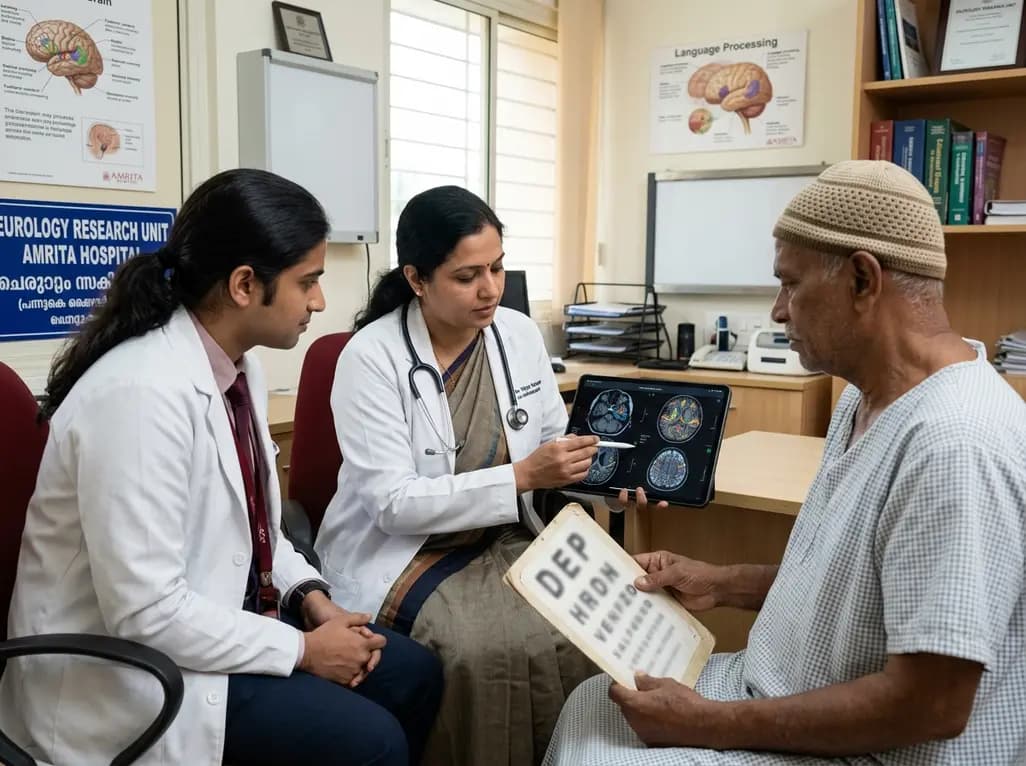
A new case study illuminates how functional connectivity changes drive recovery from pure alexia following posterior cerebral artery infarction. Functional reorganization supports reading recovery despite permanent structural tract disconnection, highlighting key implications for stroke rehabilitation.
Today

A premature neonate developed upper limb compartment syndrome after uterine rupture extruded the arm through a scar defect. Conservative management with continuous monitoring yielded complete functional recovery and normal limb growth at 10-year follow-up, highlighting non-operative safety in selected cases.
Today

Dendritic cells bridge innate and adaptive immunity in myocardial infarction. This review explores their pathological roles, circulating dynamics, novel tolerogenic interventions, and how standard cardiovascular medications modulate dendritic cells to improve post-infarction myocardial repair and patient outcomes.
Today
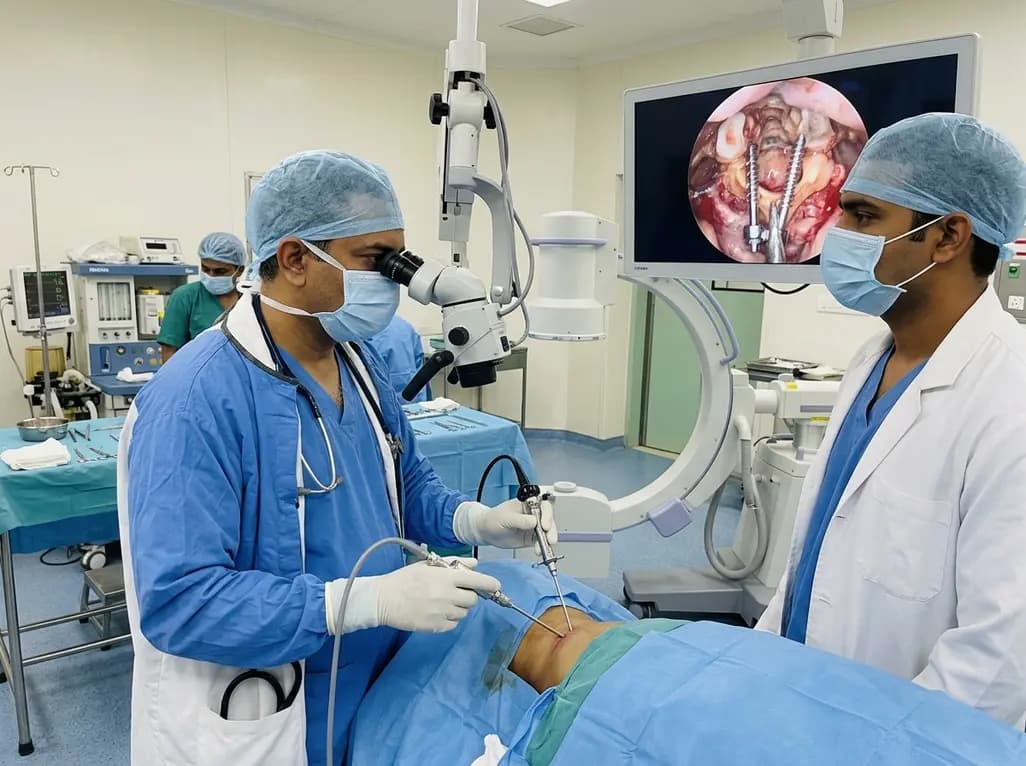
Endoscopic posterior cervical fusion combines minimally invasive decompression, joint preparation, and rigid screw-rod fixation for atlantoaxial pathologies. Early clinical findings demonstrate solid bony union, excellent symptom relief, and minimal soft-tissue morbidity without significant vascular compromise.
Yesterday

Atherosclerosis involves extensive glycometabolic reprogramming across immune and vascular cells. This review examines how glycolysis, the pentose phosphate pathway, and lactate-driven epigenetic shifts fuel plaque vulnerability, while highlighting novel therapeutic targets like PFKFB3 and LDHA.
Today
