.webp&w=384&q=75)

Loading, please wait...
Loading, please wait...
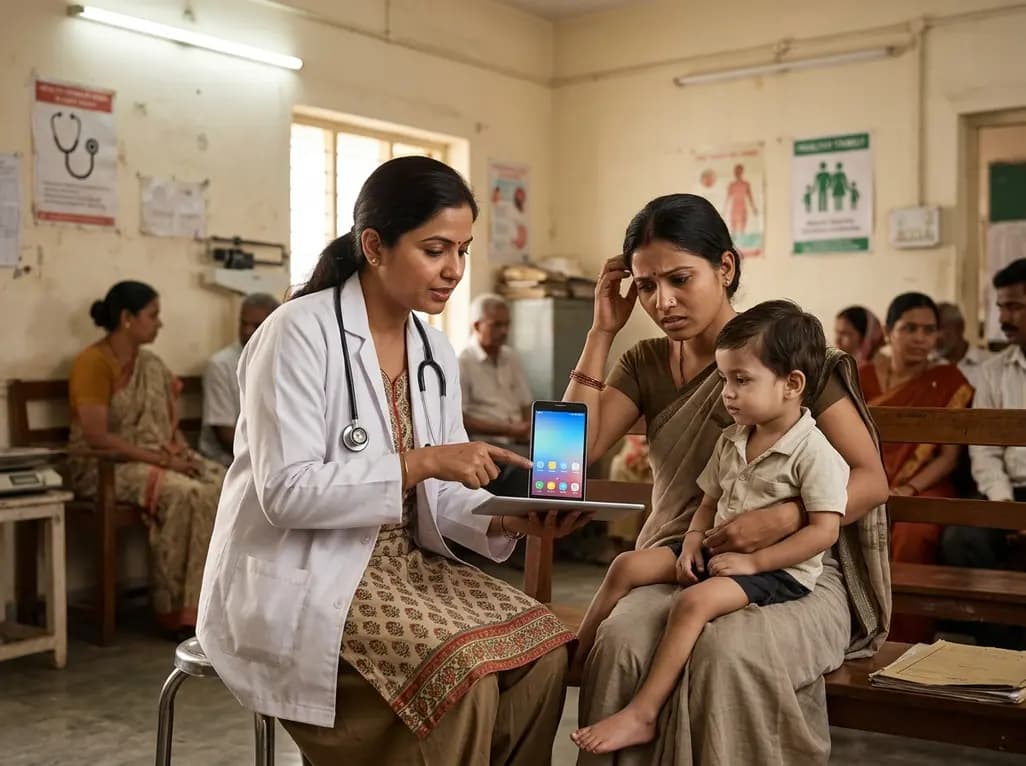
Improving digital health intervention participation remains a primary goal for healthcare providers aiming to reduce inequities in childhood obesity and dental caries. A recent study published in the American Journal of Health Promotion examined engagement patterns among 216 caregivers in low-income communities. While digital platforms offer scalable solutions, the results highlight significant disparities in how different populations utilize these resources. Consequently, clinicians must recognize that a "one-size-fits-all" digital approach may inadvertently widen health gaps.
The research identified several key predictors of engagement. Caregivers who already reported healthier diets for their children were more likely to consent to and complete motivational interviewing (MI) sessions. Conversely, those participating in food assistance or educational programs for low-income families were 50% less likely to complete the intervention. Furthermore, community-level social vulnerability, particularly related to housing and transportation, significantly hindered participation. These findings suggest that the families with the greatest need often face the most substantial barriers to virtual care.
For practitioners in India and globally, these insights are vital. When recommending digital health tools, providers should assess the caregiver's existing support systems and socioeconomic stressors. Specifically, families facing housing instability or food insecurity may require additional assistance beyond digital messaging. Integrating virtual interventions with existing community-based support could potentially bridge these gaps. Notably, enhancing health equity requires addressing the structural barriers that prevent the most vulnerable populations from accessing digital resources.
Caregivers who already maintain healthier dietary habits for their children are generally more motivated and likely to participate in supplemental nutrition interventions. This creates a "healthy participant" bias that researchers must address to reach higher-risk groups.
Social vulnerability factors, such as lack of reliable transportation or stable housing, create significant barriers. These stressors often take priority over participating in elective health interventions, even when offered digitally.
Disclaimer: This content is for informational and educational purposes only. It does not constitute professional medical advice, diagnosis, or treatment. Always seek the advice of your physician or other qualified health provider with any questions you may have regarding a medical condition. Refer to the latest local and national guidelines for clinical practice.
References
Killion K et al. Individual and Community Characteristics Associated With Participation in a Digital Nutrition and Dental Health Intervention for Caregivers of Young Children From Low-Income Communities. Am J Health Promot. 2026 Jun 06. doi: 10.1177/08901171261459216. PMID: 42249726.
World Health Organization. Oral health. Available at: https://www.who.int/news-room/fact-sheets/detail/oral-health. Accessed June 2026.
UNICEF. Child nutrition. Available at: https://www.unicef.org/nutrition. Accessed June 2026.

Read summarized clinical updates, watch expert medical content, and earn CME certifications right from your smartphone.
Open your smartphone camera to scan and install.





A study examines how individual and community factors like diet quality and social vulnerability impact participation in digital pediatric health interventi...
4 months ago

Novel diimide and hydrazone scaffolds, particularly compound #C4, synergistically reactivate latent HIV-1 when combined with JQ1 or PKC activators. Demonstrating donor-matched proviral transcription ex vivo and non-canonical signaling, these findings advance shock and kill strategies toward reservoir eradication.
Today

A cross-sectional study reveals that maternal RSV vaccination coverage reached only 43.7% in Argentina, with maternal vaccine knowledge being the sole independent predictor of uptake. Clinicians play a crucial role in eliminating informational and structural barriers to optimize infant health.
Today

Review how tailored exercise programs benefit frail older patients with heart failure. Explore pathophysiological mechanisms, individualized training prescriptions, and strategies to overcome adherence barriers in clinical practice.
Yesterday

This comparative study evaluates posterior labral tears with and without glenohumeral instability, highlighting distinct demographic patterns, MRI underestimation in stable shoulders, and successful arthroscopic repair outcomes.
Yesterday

A clinical study demonstrates that early intervention with tocilizumab, either as monotherapy or bridged with corticosteroids, achieves significant proptosis reduction and resolves active inflammation in treatment-naive thyroid eye disease.
Yesterday
