.webp&w=384&q=75)

Loading, please wait...
Loading, please wait...

The DGHS heat stress advisory provides essential guidelines for managing health during extreme Indian summers. Therefore, practitioners must understand these integrative measures to support vulnerable patient groups effectively. The Directorate General of Health Services (DGHS) collaborated with the Ministry of Ayush for this initiative. Specifically, the advisory targets infants, pregnant women, and the elderly who face higher risks.
Heatwaves present significant dangers to people with chronic illnesses like heart disease and hypertension. Consequently, doctors should monitor these patients closely for signs of heatstroke. Symptoms include dizziness, nausea, and altered mental status. Additionally, severe cases may involve seizures or loss of consciousness. Because heatstroke is a medical emergency, citizens should call 108 or 102 immediately.
The advisory recommends diverse AYUSH remedies to regulate body temperature. For example, Ayurveda suggests consuming buttermilk, coconut water, and raw mango drinks. Furthermore, the Siddha and Yoga sections emphasize Sheetali Pranayama for cooling the body. The Unani system also offers herbal applications to prevent sunburn. Moreover, Homoeopathy provides precautionary measures for peak heat hours.
Dietary choices play a crucial role in heat management. Specifically, citizens should consume hydrating foods like watermelon, cucumber, and ash gourd. Meanwhile, employers must provide shaded rest areas and hydration breaks for outdoor workers. Following weather updates from the India Meteorological Department is also vital. Finally, wearing light cotton clothing helps reduce overall heat stress.
Q1: Who are the most vulnerable groups identified in the advisory?
The most vulnerable groups include infants, children, pregnant women, the elderly, and individuals with chronic heart or hypertensive conditions.
Q2: What AYUSH breathing technique is recommended for cooling?
The advisory specifically recommends Sheetali Pranayama along with gentle yoga practices to help reduce heat stress effectively.
Disclaimer: This content is for informational and educational purposes only. It does not constitute medical advice or replace professional judgment. Refer to the latest local and national guidelines for clinical practice.
References

Read summarized clinical updates, watch expert medical content, and earn CME certifications right from your smartphone.
Open your smartphone camera to scan and install.





The DGHS and Ministry of Ayush issued a heat stress advisory recommending traditional remedies, hydration, and yoga to combat rising temperatures in India....
5 months ago
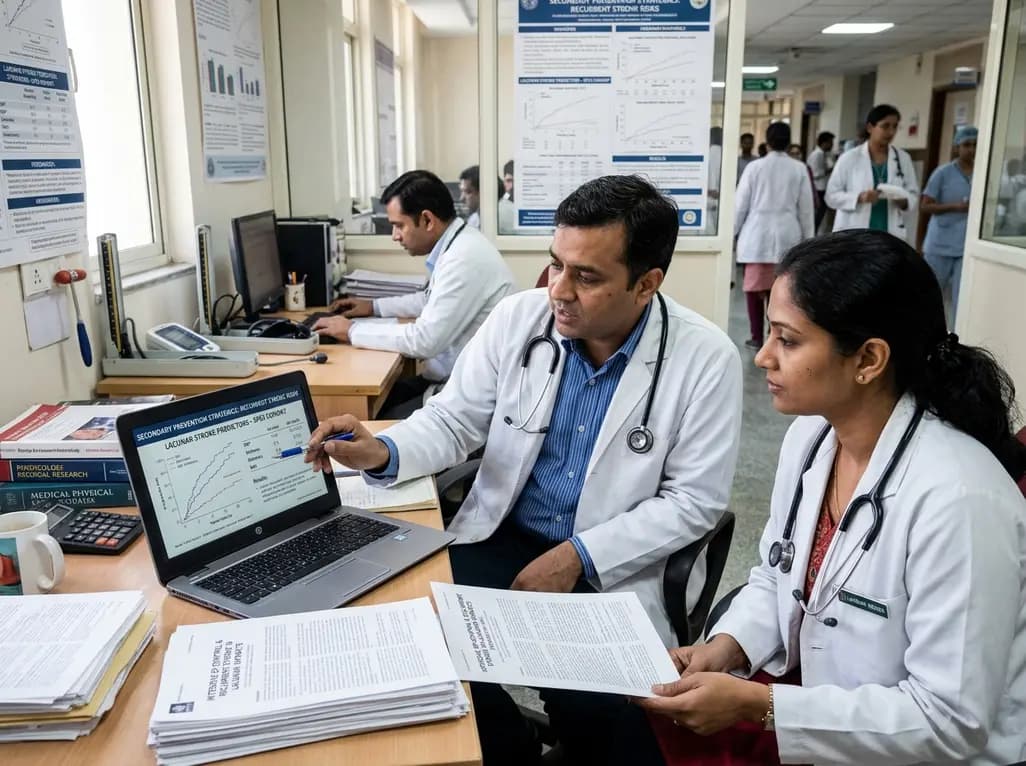
Explore vital recurrent stroke predictors in lacunar stroke patients managed with intensive blood pressure lowering. This analysis examines trial findings from SPS3 to uncover residual vascular risks, metabolic factors, and targeted secondary prevention strategies for high-risk neurological patients.
Today
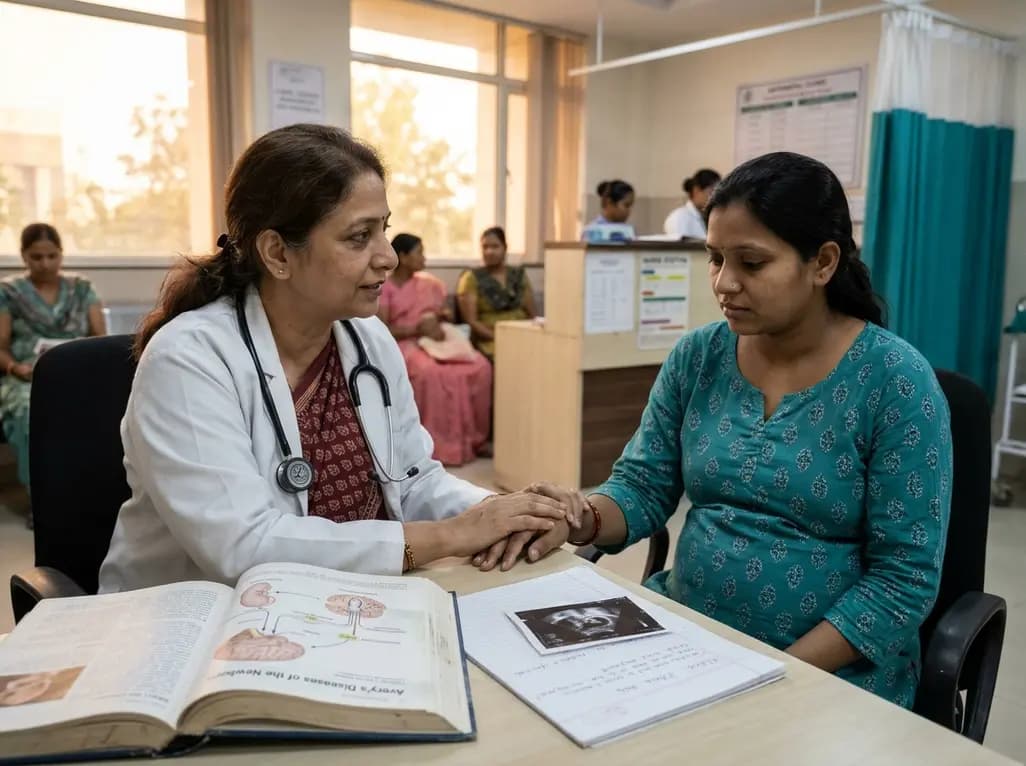
A comprehensive scoping review synthesises evidence linking prenatal maternal mental health to long-term offspring neurodevelopment, evaluating neuroendocrine, inflammatory, and epigenetic pathways while highlighting clinical screening and future research priorities.
Today

The Directorate General of Health Services directs Indian states to halt the hazardous reuse and reprocessing of single-use medical devices. Discover regulatory implications under the Drugs and Cosmetics Act, critical infection risks, legal liabilities, and operational changes required across clinical specialties.
Today
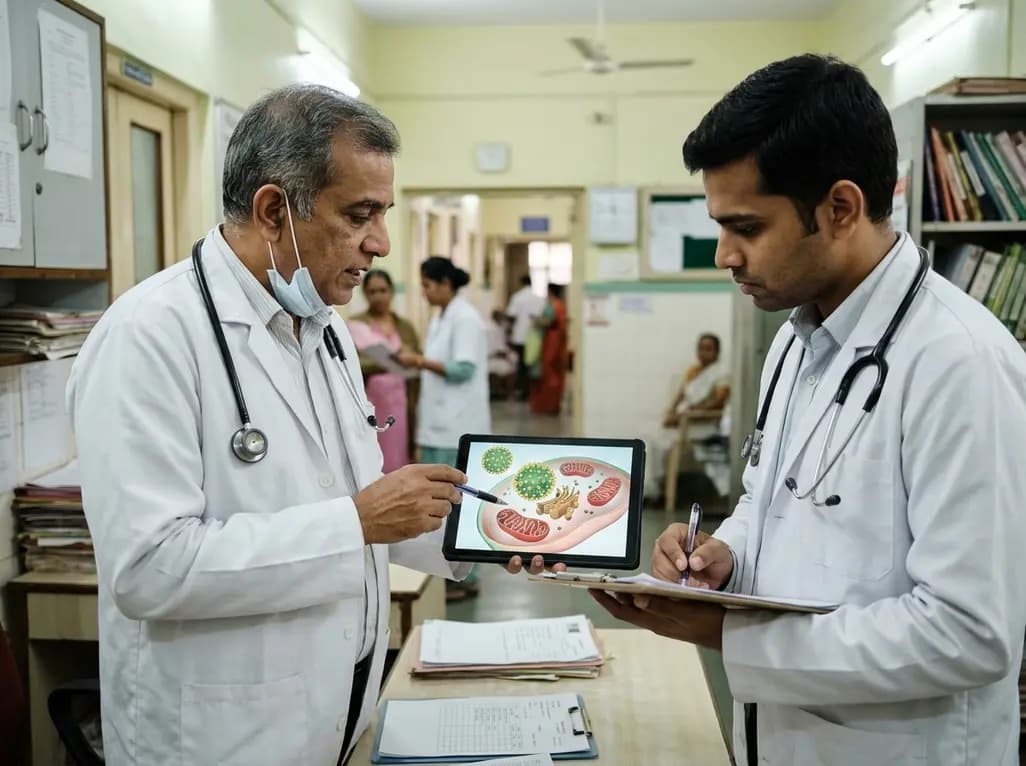
Mitochondria-targeted nanoparticles self-assembled from EGCG and L-glutamic acid effectively restore mitochondrial homeostasis, suppress synovial inflammation, and attenuate chondrocyte senescence in osteoarthritis, offering a promising disease-modifying nanotherapy.
Today

India is advancing preventive healthcare by integrating genomics, artificial intelligence, and quantum technologies. With the SANGAM programme sequencing one million Indian genomes, clinicians can unlock personalized therapies, detect cardiometabolic risks early, and curb the burden of diabetes and heart disease.
Today
