.webp&w=384&q=75)

Loading, please wait...
Loading, please wait...
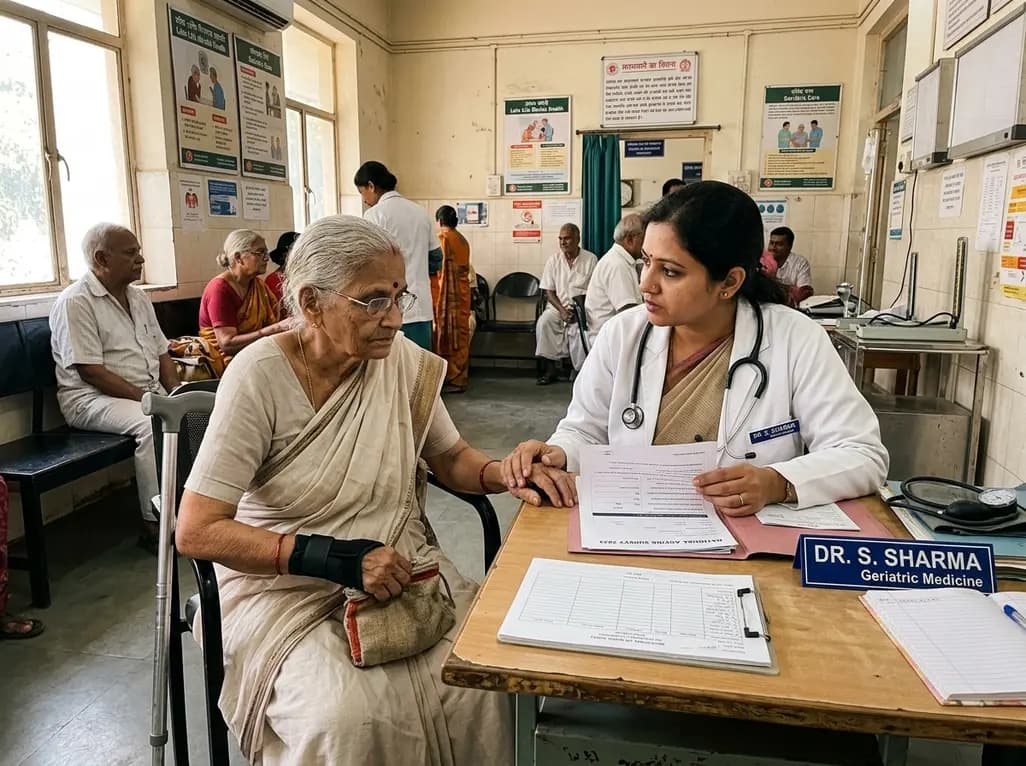
Mental health challenges among the elderly are rapidly escalating into a profound global public health concern. As demographic shifts expand the geriatric demographic, clinicians face rising rates of mood disorders that frequently go undetected. In particular, late-life depression poses unique diagnostic challenges because somatic complaints and age-related physical deterioration often overshadow classic psychological symptoms. Recent evidence from large-scale epidemiological datasets provides critical insights into the multifactorial nature of geriatric mood disorders, shedding light on the intricate interplay between biological, functional, socioeconomic, and systemic healthcare factors.
Population-based surveillance offers indispensable clarity regarding the true burden of psychiatric morbidity in older populations. A recent comprehensive analysis using weighted data from the Turkey Older Persons Profile Survey (TYPA) examined 10,348 community-dwelling adults aged 65 years and older. The authors utilized the validated Geriatric Depression Scale-30 (GDS-30) with a standard cutoff score of ten or greater to identify depressive symptomatology. Strikingly, 46.2% of the weighted sample screened positive for clinically significant depressive symptoms, with an overall mean participant age of 72.8 years.
These figures emphasize that emotional distress is exceedingly common in ageing cohorts rather than an isolated clinical anomaly. Furthermore, large demographic studies in other developing nations and emerging economies demonstrate comparable trends. For instance, data from longitudinal ageing surveys across South Asia mirror these high prevalence estimates, where approximately 30% to 45% of older community dwellers experience moderate to severe depressive symptoms. Consequently, primary care clinicians and geriatricians must recognize that nearly one in every two elderly patients presenting to routine outpatient clinics may experience significant affective burden.
Hierarchical regression modeling from the national survey highlights significant sociodemographic disparities in depressive symptom distribution. Female sex emerged as an independent predictor of elevated depression risk. Women represented 55.1% of the surveyed cohort and consistently demonstrated higher symptom severity compared to men. Biological vulnerabilities, higher rates of widowhood, economic dependency, and lifelong socio-cultural disadvantages substantially compound this vulnerability in older women.
In addition, lower educational attainment and unmarried status (including widowed, divorced, or single individuals) exhibited strong statistical associations with depressive symptoms. Educational attainment often correlates with health literacy, cognitive reserve, and financial stability, all of which buffer against late-life stressors. Conversely, unmarried older adults often lack immediate interpersonal caregiving support, which drastically heightens subjective loneliness. Therefore, primary care practitioners should routinely flag living alone, loss of a spouse, and limited educational background as key sociodemographic risk markers during routine clinical assessments.
Physical health status serves as a powerful driver of affective distress in older adults. The national survey confirmed that poor self-rated health and sensory deficits directly correlated with depressive morbidity. When older individuals perceive their health as fair or poor, their subjective psychological outlook deteriorates markedly. Sensory limitations, particularly uncorrected visual and hearing impairments, directly disrupt daily communication, accelerate cognitive decline, and foster progressive social withdrawal.
Moreover, physical disability and restricted activities of daily living (ADLs) represent potent triggers for depressive symptoms. Functional decline robs older adults of autonomy, forcing unwanted dependency on family members or institutional caregivers. Chronic musculoskeletal pain, neurological deficits, and multimorbidity further aggravate this downward spiral by limiting physical activity. Consequently, comprehensive geriatric assessments must move beyond single-organ pathology to evaluate functional autonomy, mobility, and sensory acuity as primary determinants of late-life mental well-being.
Beyond physical ailments, subjective psychological perceptions of ageing exert a profound influence on mental health. The national findings revealed that perceived age-related restriction and perceived social exclusion significantly elevated depression risk in older adults. When seniors internalize negative stereotypes regarding ageing, they often abandon meaningful social roles and disengage from community life. This perceived devaluation fosters deep feelings of alienation and helplessness.
Furthermore, social isolation accelerates neurobiological stress pathways, increasing vulnerability to mood disorders. In traditional family structures experiencing rapid urbanization, older individuals frequently report feeling sidelined in household decision-making. Therefore, clinical management must address psychosocial dimensions alongside pharmacotherapy. Clinicians can actively encourage community engagement, promote structured intergenerational interactions, and advise families on fostering inclusive domestic environments to mitigate the mental health consequences of perceived exclusion.
A crucial and modifiable determinant highlighted by the survey is the presence of systemic healthcare access barriers. Participants who experienced logistical hurdles in reaching medical facilities or encountered communication difficulties with healthcare providers demonstrated significantly higher rates of depressive symptoms. When vulnerable older adults struggle to articulate their physical or emotional distress to doctors, their clinical needs remain unaddressed, amplifying feelings of neglect and psychological distress.
To overcome these challenges, health systems require structural reforms and age-friendly communication practices. Physicians should implement routine geriatric depression screening using brief validated tools, such as the GDS-5 or GDS-15, during general outpatient visits. Additionally, treatment plans must combine judicious pharmacotherapy with evidence-based non-pharmacological interventions. Selective serotonin reuptake inhibitors (SSRIs) remain first-line agents due to favorable tolerability, but clinicians must monitor for hyponatremia and drug-drug interactions. Concurrently, addressing sensory deficits with hearing aids or cataract surgery, providing physical rehabilitation, and facilitating social support services establish a robust foundation for holistic recovery.
Older adults frequently present with prominent somatic complaints, cognitive slowing, apathy, and sleep disturbances rather than overt sadness. They may deny dysphoric mood, attributing functional decline to normal ageing. Consequently, clinicians must maintain a high index of suspicion and screen routinely using validated geriatric assessment instruments.
The Geriatric Depression Scale (GDS), available in 30-item, 15-item, and 5-item versions, is highly reliable. It minimizes somatic symptom confounding, which is common in older patients with chronic physical illnesses. A score of five or higher on the GDS-15 indicates probable depression requiring diagnostic evaluation.
Selective serotonin reuptake inhibitors, such as sertraline and escitalopram, represent the preferred initial pharmacotherapy due to their favorable safety profile. Clinicians should start at lower doses, titrate slowly, monitor electrolytes for potential hyponatremia, and assess regularly for drug-drug interactions associated with medical multimorbidity.
Disclaimer: This content is for informational and educational purposes only and does not constitute medical advice, diagnosis, or treatment regimens. Healthcare professionals should exercise their independent clinical judgment when interpreting clinical data. Refer to the latest local and national guidelines for clinical practice.
References

Read summarized clinical updates, watch expert medical content, and earn CME certifications right from your smartphone.
Open your smartphone camera to scan and install.





A nationally representative survey reveals that late-life depression affects nearly half of older adults, driven by functional decline, female sex, social isolation, and healthcare communication barriers. Understanding these multidimensional risk factors provides clinicians with actionable insights for early care.
last month

Recent research defines ferro-aging as a conserved iron-lipid axis driving organ decline across primates. Age-related iron dyshomeostasis stimulates ACSL4-mediated lipid peroxidation, promoting cellular senescence. Notably, vitamin C directly inhibits ACSL4, suppressing phospholipid oxidation and multi-organ decay.
Today
A retrospective cohort study evaluated 1,000 low-risk singleton births to assess maternal and neonatal outcomes during office-hours versus off-hours. Off-hours deliveries were significantly associated with higher odds of intrapartum cesarean sections and episiotomies, highlighting critical obstetric staffing considerations.
Today

New clinical evidence demonstrates a shift away from strict exercise restrictions in genetic heart disease. While patients with channelopathies engage in more vigorous activity than those with cardiomyopathies, shared decision-making and individualized risk assessments ensure safe, beneficial exercise participation.
Today
Sarcopenia significantly impairs functional independence and amplifies fracture risks in patients with osteoarthritis and osteoporosis. Learn about modern diagnostic strategies, GLP-1 therapy considerations, and evidence-based non-pharmacological management across multidisciplinary clinical settings.
Today

Discover how to identify superimposed entrapment neuropathy in diabetic patients. This review details clinical evaluation, surgical decompression evidence, and a structured algorithm for primary care referrals to prevent ulcers and preserve limb function.
Today
