.webp&w=384&q=75)

Loading, please wait...
Loading, please wait...

Understanding the multifaceted determinants of child stunting remains a critical clinical priority for pediatricians and public health professionals worldwide. Chronic malnutrition during early development permanently restricts cognitive capacity, suppresses immune defense, and compromises adult metabolic health. Recent epidemiological research from the Amazon rainforest investigated 102 children under five years from the indigenous Waorani population. This unique community resides near active oil-extraction sites, facing rapid ecological and social transitions. The investigators observed an alarming stunting prevalence of 39.2%, illustrating substantial linear growth failure among these young children.
Furthermore, standard socioeconomic metrics failed to show conventional associations with chronic undernutrition in this cohort. Because the indigenous community experiences relatively uniform socioeconomic conditions, traditional wealth indices could not differentiate nutritional risk among families. Consequently, biological, demographic, and dietary factors emerged as the primary drivers of impaired linear growth. Male children demonstrated a significantly higher risk of stunting compared to female peers, with an odds ratio of 2.73. Additionally, advancing child age correlated with progressive growth deficits, showing an odds ratio of 1.04 per month. Therefore, clinicians must look beyond broad household wealth and evaluate proximal biological hazards.
Maternal physical characteristics profoundly shape early childhood development and postnatal growth trajectories. In the Waorani study, maternal short stature emerged as the strongest independent predictor of chronic undernutrition in offspring. Specifically, children born to short mothers experienced nearly a fivefold increase in stunting risk, exhibiting an adjusted odds ratio of 4.96. This profound association highlights the persistent clinical burden of intergenerational nutritional deprivation across indigenous families. Mothers who suffered early chronic malnutrition often develop permanent anatomical constraints, including reduced pelvic dimensions and impaired uterine vascular capacity.
Consequently, restricted placental perfusion impairs in utero nutrient delivery, leading directly to restricted fetal linear progression. Conversely, tall birth height conferred substantial protection against subsequent stunting, displaying a protective odds ratio of 0.28. These findings illustrate that skeletal growth velocity establishes its fundamental trajectory well before delivery. Similarly, male infants exhibited heightened vulnerability to growth faltering, reflecting well-documented sex-specific biological susceptibility to early environmental stress. Therefore, pediatricians must systematically evaluate maternal anthropometric history during routine clinical assessments. Comprehensive maternal care and adolescent nutrition programs can effectively disrupt this persistent transgenerational cycle.
Dietary composition plays an indispensable role in maintaining linear skeletal growth during early childhood. In this cohort, reduced dietary diversity significantly increased stunting rates, generating an odds ratio of 2.37. Young children who consumed limited food groups frequently lacked critical micronutrients such as bioavailable zinc, iron, and essential amino acids. Furthermore, indigenous populations undergoing rapid economic transitions often lose access to traditional diverse wild game and native forest plants. As commercial processed foods replace native diets, toddlers consume calorie-dense but micronutrient-poor foods that fail to sustain normal bone development.
Moreover, living adjacent to oil-extraction installations introduces complex ecological hazards that threaten gastrointestinal function. Environmental contaminants disrupt soil ecosystems and aquatic food chains, reducing the availability of safe wild foods. Chronic exposure to petrochemical pollutants also exacerbates subclinical intestinal barrier dysfunction and chronic environmental enteric dysfunction. As a result, the pediatric gut suffers blunted nutrient absorption, persistent immune activation, and reduced linear growth velocity. Thus, nutritional interventions in indigenous zones must combine food sovereignty initiatives with environmental remediation. Clinicians must actively educate caregivers regarding complementary feeding strategies that incorporate local nutrient-dense ingredients.
The investigation revealed an intriguing statistical relationship between prenatal healthcare contact and pediatric linear growth outcomes. Mothers who attended two or more prenatal checkups showed higher odds of raising a stunted child, with an odds ratio of 1.59. At first glance, this finding appears contradictory to established maternal-child health guidelines worldwide. However, clinical epidemiologists recognize this paradoxical phenomenon as classical reverse causality or confounding by indication. Mothers experiencing complicated gestations, maternal illness, or palpable fetal distress frequently seek formal healthcare facilities much more regularly.
Therefore, frequent clinical attendance served as an indicator for high-risk obstetric conditions rather than ineffective prenatal interventions. In remote indigenous territories, severe geographic and logistical hurdles prevent women from attending routine preventive checkups. Instead, mothers primarily visit distant health posts when acute obstetric complications arise during pregnancy. Consequently, cross-sectional surveys can mistakenly correlate frequent clinical consultations with adverse pediatric endpoints. Clinicians must interpret observational epidemiological data with careful methodological caution. Routine antenatal programs must expand proactive community outreach rather than relying solely on passive clinic visits. Strengthening rural healthcare infrastructure ensures that vulnerable mothers receive continuous preventive care and balanced nutrition.
The clinical findings from the Waorani study offer essential lessons for primary care physicians and public health planners globally. In socioeconomically homogeneous populations, standard social determinants models often fail to identify vulnerable children effectively. Because broad poverty metrics remain uniform across such communities, micro-level biological, ecological, and dietary markers become decisive diagnostic indicators. Clinicians working in marginalized populations, such as India's tribal districts, encounter strikingly similar clinical challenges. In these forested belts, high rates of maternal short stature and minimal dietary variety consistently drive severe childhood stunting across generations.
Therefore, pediatric programs must move beyond generic poverty-alleviation schemes toward culturally tailored, territorial health strategies. Pediatricians should proactively assess maternal height and birth length as practical risk stratification tools during routine infancy visits. Furthermore, community health teams must actively champion diverse complementary feeding practices utilizing locally available, nutrient-dense foods. Integrating community-level growth monitoring with environmental pollution safeguards will protect early childhood developmental potential. Ultimately, eliminating chronic pediatric undernutrition requires comprehensive, multi-sectoral strategies that honor indigenous food sovereignty, optimize maternal nutrition, and protect vulnerable shared environments.
Maternal height strongly reflects the mother's cumulative childhood nutrition and biological development. Consequently, short maternal stature restricts uterine space and placental blood flow, thereby limiting fetal linear growth during pregnancy. This physiological constraint often results in lower birth length and persistent postnatal growth faltering. Furthermore, epigenetic modifications and shared household environments reinforce this intergenerational cycle. Clinicians must therefore identify maternal stunting early to provide intensive nutritional counseling and monitoring.
This paradoxical observation typically stems from confounding by indication or reverse causality. Specifically, mothers carrying high-risk pregnancies or experiencing obvious fetal complications seek medical consultations more frequently than mothers with uncomplicated gestations. Therefore, the higher visit frequency reflects underlying maternal or fetal distress rather than harmful medical care. Healthcare providers must recognize this clinical pattern, ensuring that vulnerable mothers receive targeted prenatal interventions and postnatal growth monitoring to prevent long-term linear stunting.
Dietary diversity ensures adequate intake of essential micronutrients, including zinc, iron, vitamin A, and quality protein. Because these micronutrients drive cellular differentiation, bone elongation, and immune competence, poor dietary breadth directly accelerates growth faltering. Furthermore, diverse diets support a balanced gut microbiome, reducing subclinical enteropathy and systemic inflammation that impair nutrient absorption. Pediatricians should therefore emphasize diverse complementary feeding practices with locally accessible foods, promoting animal proteins, legumes, and colorful vegetables for growing infants.
Disclaimer: This content is for informational and educational purposes only and does not constitute medical advice. Always consult a qualified healthcare provider for individual medical concerns. Refer to the latest local and national guidelines for clinical practice.
References
Rivadeneira MF et al. Stunting in indigenous Waorani children living near the oil-extraction sites: What can the determinants of health tell us about this? Glob Public Health. 2026 Dec 31. doi: 10.1080/17441692.2026.2725373. PMID: 42829337.
Deshpande Kulkarni V, Sahu NK, Tripathy P. Determinants of Stunting and Undernutrition Among Tribal Children Aged 6–59 Months in Central Indian Forested Districts. Int J Mod Eng Manag. 2026;3(3):10-13.
Prendergast AJ, Humphrey JH. The stunting syndrome in developing countries. Paediatr Int Child Health. 2014;34(4):250-265.

Read summarized clinical updates, watch expert medical content, and earn CME certifications right from your smartphone.
Open your smartphone camera to scan and install.





A recent study evaluates stunting in indigenous Waorani children near Amazonian oil-extraction sites. High stunting prevalence (39.2%) was linked to maternal short stature, reduced dietary diversity, and child age, showing that biological and ecological factors outweigh socioeconomic metrics in homogeneous settings.
Today
Preclinical research shows bispecific antibodies targeting the polymeric immunoglobulin receptor achieve 5- to 10-fold enrichment in bronchoalveolar fluid in cynomolgus monkeys, demonstrating a promising breakthrough for targeted drug delivery to barrier-protected mucosal tissues.
Today
A meta-analysis of nine RCTs comparing remimazolam versus propofol in hysteroscopy reveals remimazolam significantly reduces injection pain, hypotension, and respiratory depression while maintaining comparable sedation success, recovery times, and procedural duration.
Today
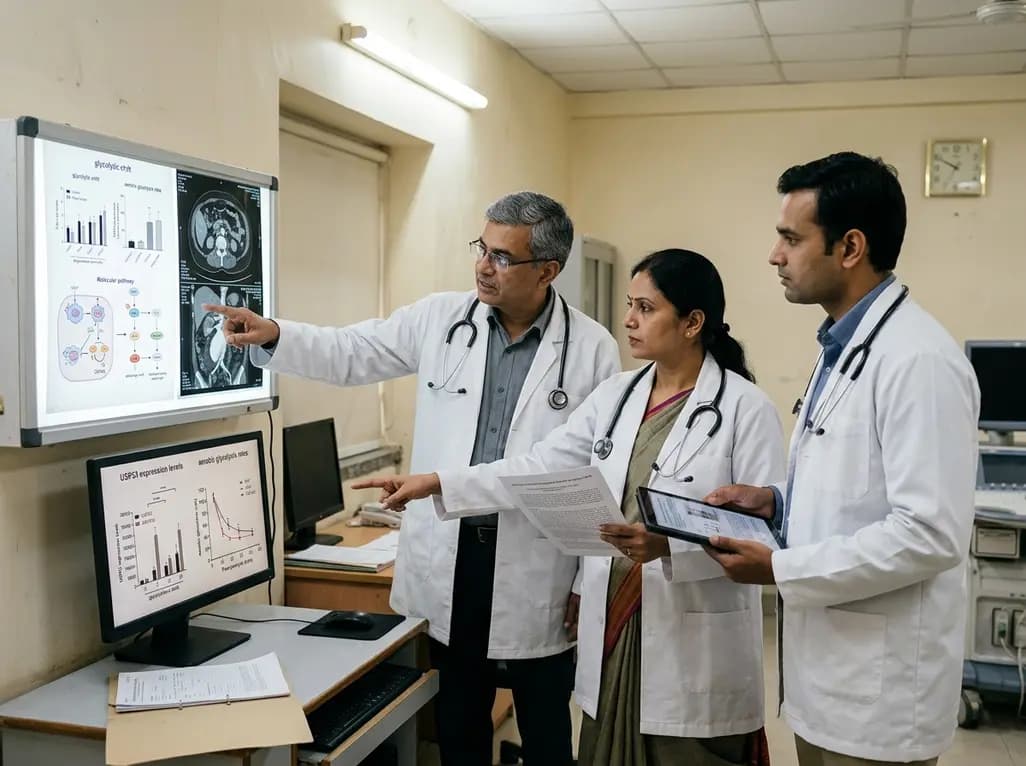
Abdominal aortic aneurysm rupture remains a catastrophic vascular emergency. Groundbreaking research reveals that USP53 accelerates aneurysm progression by reprogramming smooth muscle cell metabolism toward aerobic glycolysis, highlighting a promising target beyond conventional diameter-based surveillance.
Today
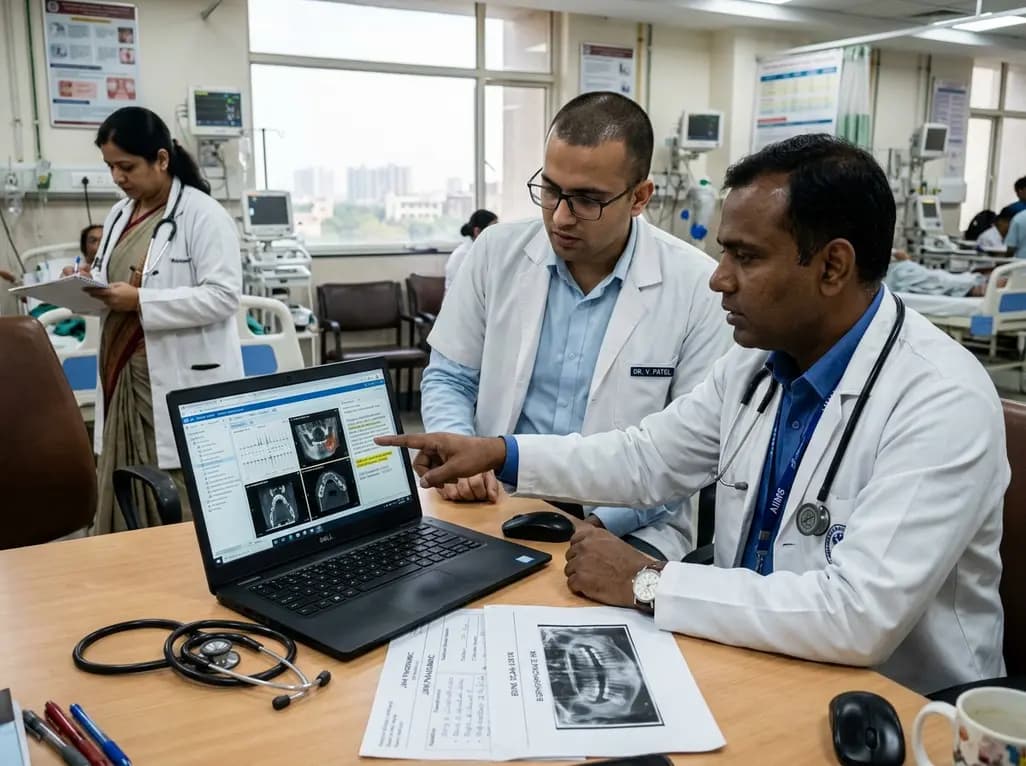
A breakthrough study leverages natural language processing to accurately identify incident medication-related osteonecrosis of the jaw and track antiresorptive drug holidays from clinical narratives in electronic health records, advancing osteoporosis pharmacovigilance and dental safety.
Today
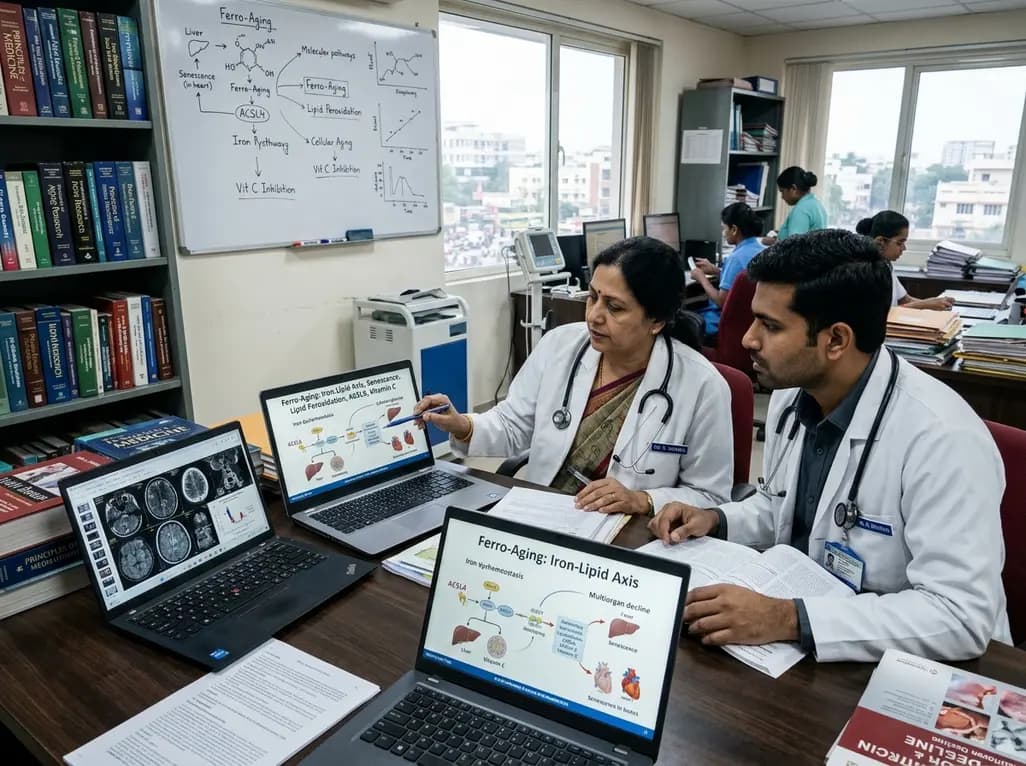
Recent research defines ferro-aging as a conserved iron-lipid axis driving organ decline across primates. Age-related iron dyshomeostasis stimulates ACSL4-mediated lipid peroxidation, promoting cellular senescence. Notably, vitamin C directly inhibits ACSL4, suppressing phospholipid oxidation and multi-organ decay.
Yesterday
