.webp&w=384&q=75)

Loading, please wait...
Loading, please wait...

Therapeutic monoclonal antibodies have revolutionized modern pharmacotherapy across oncology, rheumatology, and infectious diseases. However, systemic administration often fails to deliver adequate drug concentrations into barrier-protected compartments. Specifically, the pulmonary epithelium, gastric mucosa, and blood-brain barrier severely restrict antibody penetration. Consequently, clinicians must often prescribe high systemic doses to achieve minimal therapeutic concentrations at mucosal surfaces. These elevated systemic doses inevitably increase toxicities and medical costs. To solve this delivery bottleneck, bioengineers designed novel pIgR bispecific antibodies that actively exploit physiological transport mechanisms. These dual-action constructs bind their therapeutic target while simultaneously engaging the polymeric immunoglobulin receptor. As a result, the molecule hitches a ride on native transcytotic machinery. Recent translational evidence demonstrates that this approach enriches drug levels directly in mucosal linings. Furthermore, targeted mucosal delivery minimizes excessive peripheral tissue exposure. This delivery platform offers remarkable hope for challenging pulmonary and gastrointestinal disorders. Moreover, understanding receptor dynamics allows researchers to optimize molecular engineering for human therapeutics. Therefore, this technology represents a significant advance in precision drug delivery. Physicians may soon access biologics that overcome traditional anatomical compartmentalization.
The polymeric immunoglobulin receptor plays an indispensable role in mucosal immunology. Specifically, mucosal epithelial cells express this transmembrane protein on their basolateral surfaces. In healthy individuals, the receptor binds polymeric dimeric immunoglobulin A and pentameric immunoglobulin M. Subsequently, epithelial cells endocytose the receptor-antibody complex and transport it across the cytoplasm. Upon reaching the apical membrane, cellular proteases cleave the receptor to release secretory antibodies into the external lumen. Because this transport pathway operates continuously, it supplies protective antibodies directly to respiratory and gastrointestinal tracts. However, standard immunoglobulin G therapeutics cannot naturally engage this specific transcytosis receptor. Consequently, standard therapeutic antibodies linger in the vascular circulation without reaching mucosal linings efficiently. Engineering bispecific molecules that target this pathway cleverly redirects native epithelial trafficking. Thus, researchers can bypass normal mucosal barriers without damaging cellular tight junctions. In addition, this active mechanism eliminates the need for invasive local administration methods. Overall, harnessing natural transcytosis represents an elegant strategy to enhance drug bioavailability in vulnerable tissues. Furthermore, selective receptor binding preserves baseline epithelial integrity and natural defense functions.
Translating antibody technologies from bench to bedside requires robust, predictive animal models. However, substantial differences in target expression between species often derail drug development pipelines. For instance, rodent models frequently exhibit divergent expression patterns that fail to mirror human biology accurately. To resolve this challenge, investigators conducted comprehensive cross-species comparative analyses. Specifically, they examined receptor expression across human, cynomolgus monkey, and mouse tissues. They evaluated both ribonucleic acid transcription and protein localization across diverse anatomical compartments. Importantly, the team discovered that cynomolgus monkeys share an almost identical expression profile with humans. Both primates show strong receptor localization in bronchial epithelium and gastrointestinal lining. In contrast, murine tissues displayed notable disparities in tissue distribution and receptor abundance. Therefore, cynomolgus monkeys provide a highly reliable non-human primate model for testing targeted delivery. Consequently, preclinical pharmacokinetic and safety data gathered from monkeys will translate more faithfully to human clinical trials. This precise cross-species mapping provides researchers with tremendous confidence as they advance novel drug candidates toward regulatory approval. Furthermore, these findings validate non-human primates as the definitive gold standard for testing transcytosing therapeutics.
After verifying cross-species homology, researchers evaluated in vivo pharmacokinetics and biodistribution in cynomolgus monkeys. Following intravenous injection, the bispecific antibodies demonstrated remarkable and rapid functional clearance from the vascular compartment. Meanwhile, standard control antibodies remained elevated in circulation for prolonged intervals. Importantly, this rapid serum clearance did not reflect premature hepatic degradation or non-specific excretion. Instead, it represented rapid receptor engagement and targeted receptor-mediated transcytosis into mucosal tissues. When researchers sampled bronchoalveolar lavage fluid, they detected striking drug accumulation. Specifically, the bispecific antibody achieved five to ten times higher concentrations in lung washings compared to standard antibodies. In addition, gastrointestinal mucosa exhibited significant drug enrichment across multiple tissue sections. These dynamic pharmacokinetics prove that the receptor shuttle actively moves intact therapeutic molecules across intact barriers. Consequently, therapeutic payloads concentrate precisely where mucosal pathogens and inflammatory mediators reside. Moreover, lower circulating serum concentrations substantially reduce the likelihood of off-target systemic toxicities. Thus, this targeted approach creates a superior therapeutic index for challenging mucosal indications. Furthermore, the sustained luminal presence suggests durable local therapeutic efficacy without requiring frequent dosing.
These preclinical findings carry profound clinical implications for treating severe respiratory and gastrointestinal conditions. For instance, chronic pulmonary infections such as multidrug-resistant tuberculosis and pseudomonal pneumonia require high local antibiotic or antibody levels. However, systemic monoclonal antibodies struggle to cross alveolar capillary membranes in sufficient quantities. By utilizing receptor transcytosis, clinicians can deliver potent antimicrobial antibodies directly into the respiratory lining fluid. Similarly, inflammatory bowel conditions like ulcerative colitis and Crohn's disease present intense mucosal inflammation. Currently, gastroenterologists use systemic anti-tumor necrosis factor agents, which cause widespread immunosuppression and systemic adverse effects. In contrast, transcytosing antibodies can target inflammatory cytokines directly at the inflamed gut lumen. Furthermore, this approach preserves normal systemic immune surveillance while maximizing local healing. Oncology practices could also utilize this platform to treat mucosal malignancies and bronchial carcinomas. As clinical development progresses, clinicians in India and globally may witness a transformative paradigm shift. Ultimately, targeted mucosal immunotherapy promises higher efficacy, reduced dosage requirements, and superior patient safety profiles. Therefore, bioengineers are actively designing therapeutic candidates tailored to address these urgent clinical unmet needs.
Bispecific antibodies facilitate mucosal passage by engaging the polymeric immunoglobulin receptor on basolateral epithelial membranes. Once bound, the epithelial cell internalizes the antibody complex through endocytosis and transports it inside vesicles across the cytoplasm. Proteases cleave the extracellular receptor domain at the apical membrane, releasing the intact therapeutic payload into the mucosal lumen. Consequently, this active physiological mechanism bypasses restrictive epithelial tight junctions without compromising barrier integrity or triggering cellular toxicity.
Cross-species homology ensures that preclinical pharmacokinetic and safety evaluations accurately reflect human biological responses. Polymeric immunoglobulin receptor expression patterns vary considerably across animal species, with rodent models displaying notable differences in tissue distribution. Cynomolgus monkeys express the receptor identically to humans within respiratory and gastrointestinal tracts. Therefore, non-human primate studies provide dependable predictive data regarding drug biodistribution, therapeutic clearance rates, and targeted epithelial transcytosis, which substantially accelerates safe clinical development.
Severe chronic respiratory conditions, including multidrug-resistant tuberculosis, cystic fibrosis, and persistent pseudomonal pneumonia, stand to benefit tremendously from this platform. Furthermore, gastrointestinal inflammatory conditions like Crohn's disease and ulcerative colitis require localized anti-inflammatory therapeutic control. By delivering targeted biologics directly into luminal spaces, clinicians can suppress pathogens and neutralize localized pro-inflammatory cytokines effectively. This targeted strategy achieves potent clinical efficacy while significantly avoiding systemic immunosuppression and off-target adverse effects.
Disclaimer: This content is for informational and educational purposes only... Refer to the latest local and national guidelines for clinical practice.
References

Read summarized clinical updates, watch expert medical content, and earn CME certifications right from your smartphone.
Open your smartphone camera to scan and install.





Preclinical research shows bispecific antibodies targeting the polymeric immunoglobulin receptor achieve 5- to 10-fold enrichment in bronchoalveolar fluid in cynomolgus monkeys, demonstrating a promising breakthrough for targeted drug delivery to barrier-protected mucosal tissues.
Today
A meta-analysis of nine RCTs comparing remimazolam versus propofol in hysteroscopy reveals remimazolam significantly reduces injection pain, hypotension, and respiratory depression while maintaining comparable sedation success, recovery times, and procedural duration.
Today

Abdominal aortic aneurysm rupture remains a catastrophic vascular emergency. Groundbreaking research reveals that USP53 accelerates aneurysm progression by reprogramming smooth muscle cell metabolism toward aerobic glycolysis, highlighting a promising target beyond conventional diameter-based surveillance.
Today
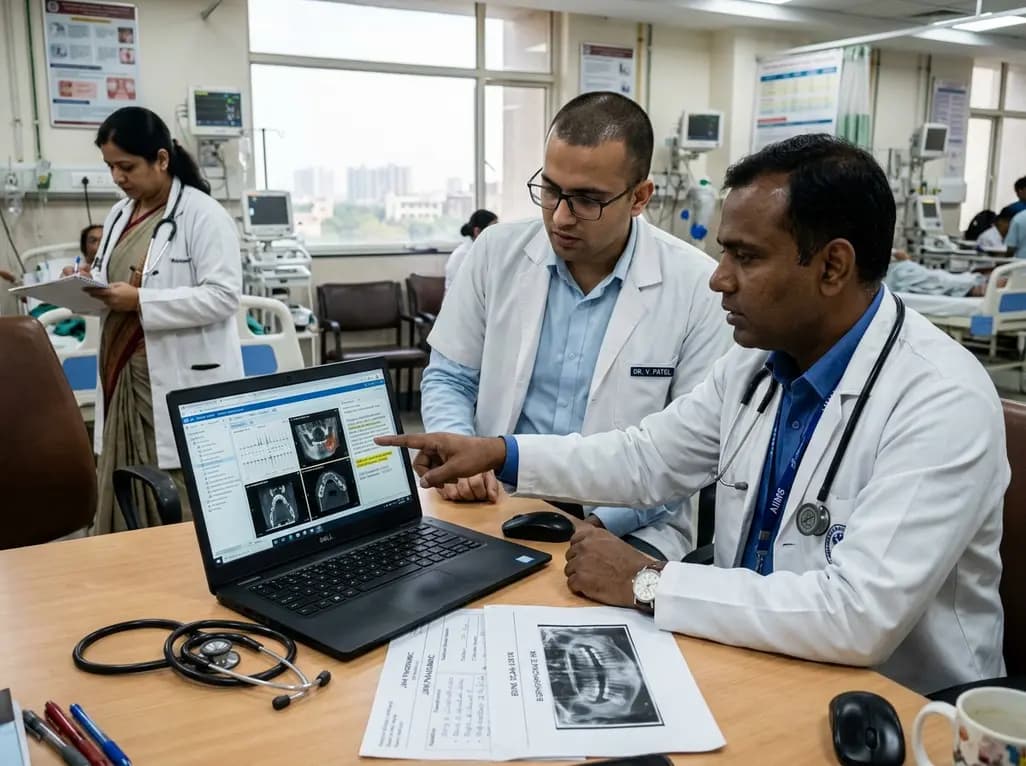
A breakthrough study leverages natural language processing to accurately identify incident medication-related osteonecrosis of the jaw and track antiresorptive drug holidays from clinical narratives in electronic health records, advancing osteoporosis pharmacovigilance and dental safety.
Today

Recent research defines ferro-aging as a conserved iron-lipid axis driving organ decline across primates. Age-related iron dyshomeostasis stimulates ACSL4-mediated lipid peroxidation, promoting cellular senescence. Notably, vitamin C directly inhibits ACSL4, suppressing phospholipid oxidation and multi-organ decay.
Yesterday
