

Loading, please wait...
Loading, please wait...
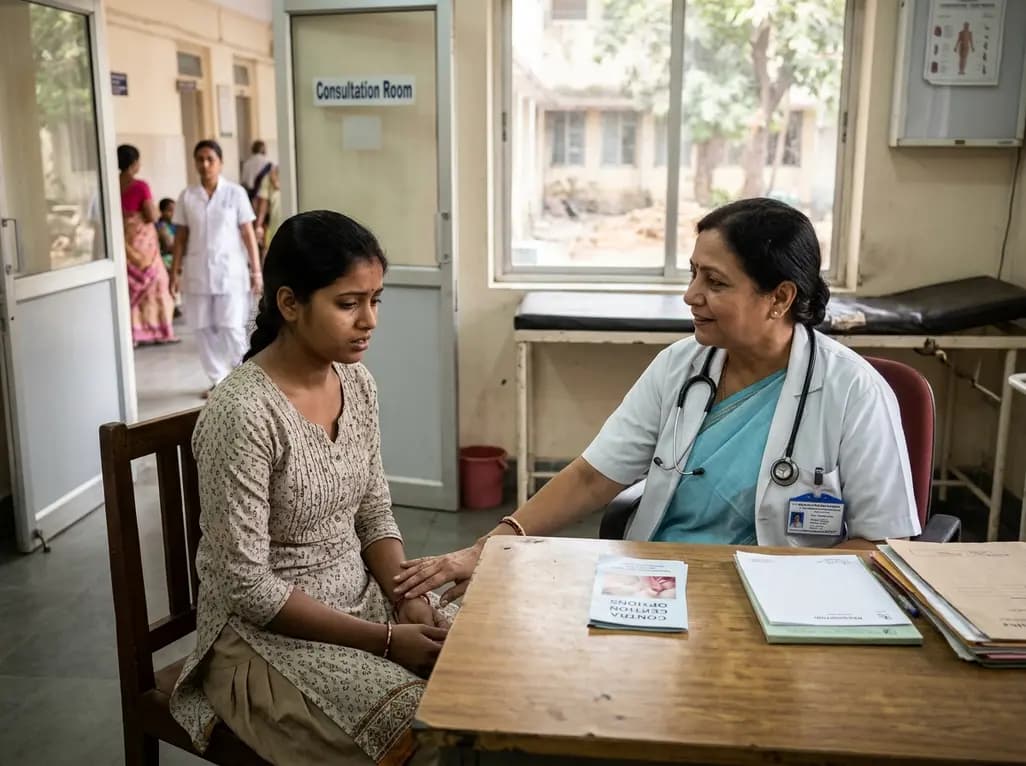
Reproductive autonomy remains a cornerstone of comprehensive adolescent and young adult health. However, recent evidence indicates that psychiatric symptoms directly impede a person's ability to obtain their chosen family planning method. Many young individuals live with unfulfilled contraceptive preferences, creating notable gaps between reproductive intention and actual method use. When psychological distress coexists with systemic barriers, patients struggle to navigate complex clinical landscapes. Consequently, healthcare providers must evaluate how emotional wellbeing intersects with reproductive decisions. Recognizing this dynamic enables clinicians to offer empathetic, tailored guidance that protects personal autonomy and optimizes clinical outcomes.
Contraceptive fulfillment reflects whether a patient actively uses the specific birth control method that aligns with their personal values, lifestyle, and medical goals. Unfortunately, many young individuals experience unfulfilled contraceptive preferences because structural, emotional, and social obstacles obstruct access. Depressive symptoms often reduce motivation, energy, and executive function. As a result, an individual may postpone clinical appointments, struggle to complete paperwork, or hesitate to advocate for their reproductive preferences. Similarly, severe anxiety can provoke anticipatory dread regarding procedural side effects, pelvic examinations, or interactions with administrative staff. Therefore, affective symptoms do not merely represent concurrent psychiatric comorbidities; they actively disrupt practical access pathways. Clinicians often observe that emotional distress amplifies perceived hurdles, leaving patients dependent on less preferred or less reliable methods. When young adults cannot attain their desired contraceptive options, their overall psychological vulnerability worsens. This reciprocal cycle highlights why primary care physicians, gynecologists, and mental health professionals must adopt coordinated, patient-centered approaches.
To examine this critical intersection, researchers conducted a comprehensive investigation using baseline data collected between April 2018 and May 2023. The investigators evaluated participants enrolled in a large cluster randomized controlled trial across twenty-nine community colleges in Texas and California. The cohort comprised 2,065 sexually active, first-year community college students aged 18 to 25 years. Community colleges represent diverse student bodies that frequently experience financial hardship, variable insurance coverage, and social vulnerability. To measure depressive symptoms accurately, researchers administered the validated 10-item Center for Epidemiologic Studies Depression Scale. Additionally, the team utilized the 21-item Depression, Anxiety, and Stress Scale to capture concurrent anxiety and tension. Contraceptive preferences were systematically categorized into unfulfilled, fulfilled, or unknown status. The investigators subsequently applied multivariable mixed-effects multinomial logistic regression models. These sophisticated models effectively accounted for institutional clustering while adjusting for critical confounders, including age, race, ethnicity, language spoken at home, insurance status, parity, and regional policy differences.
The study revealed striking disparities in contraceptive fulfillment among young college students. Overall, 51% of participants reported an unfulfilled preference, and 4% remained uncertain about their preferred option. After controlling for key sociodemographic and healthcare access factors, elevated depressive symptoms correlated with a 31% increased likelihood of having an unfulfilled preference compared to a fulfilled preference. Similarly, students reporting heightened anxiety and stress exhibited a 31% higher risk of experiencing unfulfilled preferences. Furthermore, elevated depressive symptoms demonstrated an even stronger relationship with contraceptive indecision. Specifically, participants with high depressive scores were nearly three times as likely to report an unknown contraceptive preference rather than a fulfilled preference. These findings demonstrate that psychological distress clouds decision-making processes and diminishes personal agency. Young individuals navigating depression may feel overwhelmed by the multitude of contraceptive mechanisms, efficacy rates, and administration schedules. Consequently, these individuals may remain detached from family planning choices entirely, leaving their reproductive goals vulnerable to external circumstances.
In addition to psychological burdens, participants faced pronounced practical obstacles that hindered care delivery. Notably, respondents reporting elevated mental distress were significantly more likely to identify direct cost and lack of insurance as primary obstacles to obtaining their chosen method. Young adults with depression or anxiety often encounter unstable employment or lack comprehensive family health coverage. Furthermore, navigating bureaucratic insurance documentation requires sustained cognitive energy, which depressive episodes severely deplete. The geographical comparison between Texas and California also underscores the profound role of state policy environments. California offers expanded Medicaid programs and subsidized family planning services, whereas Texas maintains stricter eligibility criteria. Nevertheless, even in states with broader coverage, psychological distress independently exacerbates healthcare navigation challenges. For example, fear of high out-of-pocket costs can prevent an anxious patient from inquiring about long-acting reversible contraception. Thus, clinical teams must dismantle financial ambiguities directly by communicating transparent pricing and offering enrollment assistance during visits.
These findings present vital implications for frontline medical practitioners in obstetrics, gynecology, and family medicine. First, clinicians should normalize routine mental health screening during all routine family planning consultations. Utilizing brief screening tools, such as the Patient Health Questionnaire-2 or Generalized Anxiety Disorder-2, allows clinicians to detect underlying mood disturbances rapidly. When a practitioner identifies affective distress, they should immediately adapt their communication style. Instead of providing dense pamphlets or exhaustive verbal lists, providers must offer structured, digestible counseling. Shared decision-making frameworks prove particularly beneficial for distressed patients because collaborative conversations alleviate decision paralysis. Moreover, clinicians should proactively explore unspoken concerns regarding adverse effects, pain during device insertion, and routine management. By validating the patient's emotional state, healthcare teams can build profound trust. Ultimately, identifying unfulfilled preferences serves as a sensitive clinical indicator that an adolescent or young adult requires both reproductive support and psychiatric evaluation.
Addressing this multifaceted challenge requires integrated healthcare models that bridge behavioral health and reproductive services. Co-locating mental health professionals within sexual health clinics drastically lowers the barrier to multidisciplinary care. When same-day behavioral health warm handoffs occur, patients receive timely psychological support without navigating separate referral systems. In addition, healthcare organizations should leverage digital health tools, including patient navigation portals and telehealth consultations. Virtual visits provide a low-stress environment where anxious young people can discuss birth control options comfortably from home. Furthermore, peer educators and community health workers can demystify contraceptive mechanisms and insurance enrollment. Expanding universal, low-cost access to all contraceptive modalities—ranging from barrier methods to subdermal implants and intrauterine systems—remains essential. By reducing systemic friction and treating mental health alongside physical wellbeing, health systems can empower every young person to realize their personal reproductive goals fully.
Depressive symptoms diminish energy, executive function, and decision-making capacity. Consequently, affected individuals frequently delay medical consultations, feel overwhelmed by diverse clinical options, and struggle to complete administrative requirements. These challenges increase the likelihood that a patient remains undecided or continues using a less preferred birth control method.
Anxiety often heightens fears concerning procedural discomfort, pelvic examinations, and potential medication side effects. In addition, patients experiencing severe stress find administrative hurdles, such as verifying insurance coverage or resolving out-of-pocket costs, excessively intimidating. This heightened apprehension frequently prevents them from requesting their preferred contraceptive options.
Clinicians can incorporate routine mood screening into family planning visits and adopt collaborative shared decision-making models. Providing clear, concise explanations reduces cognitive overload for distressed individuals. Moreover, facilitating warm handoffs to social workers and behavioral specialists ensures that structural and emotional barriers receive immediate, compassionate attention.
Disclaimer: This content is for informational and educational purposes only and should not be considered professional medical advice. Healthcare professionals should rely on their clinical judgment. Refer to the latest local and national guidelines for clinical practice.
References
Hecht HK et al. Depression, anxiety, and stress and fulfillment of contraceptive preferences among young people in Texas and California. PLoS One. 2026. doi: 10.1371/journal.pone.0359942. PMID: 43013466.
Hopkins K, Yarger J, Rossetto I, et al. Use of preferred contraceptive method among young adults in Texas and California: A comparison by state and insurance coverage. PLoS One. 2023;18(8):e0290726.
Lacasse J, Stampp T, Garcia de Leon R. Influence of mental health conditions and symptoms on contraceptive use among adolescent girls and young women: a scoping review. Front Reprod Health. 2025;7:1543201.

Read summarized clinical updates, watch expert medical content, and earn CME certifications right from your smartphone.
Open your smartphone camera to scan and install.





A large multicenter study shows that young people experiencing depression, anxiety, or stress are significantly more likely to face unfulfilled contraceptive preferences. Addressing psychological distress alongside financial barriers is crucial for clinicians striving to protect youth reproductive autonomy.
Today

A new study demonstrates how explainable AI guides transparent fall risk prediction models in older adults. By pairing random survival forests and SHAP with Cox regression, researchers achieved superior accuracy and eliminated unneeded variables, enhancing clinical decision-making and patient safety.
Today

Ascertainment bias in cancer case-control studies inflates odds ratios and penetrance estimates when cases are drawn from high-risk clinics. A landmark modeling study demonstrates substantial bias ranging up to 23.72, highlighting the critical need for ascertainment adjustment in genetic risk counseling.
Today

Researchers demonstrate that central induction of synthetic torpor in non-hibernating rats provides striking cardioprotection, reducing myocardial infarct size by ~40% during ischaemia-reperfusion injury through endogenous survival signaling, independent of hypothermia.
Today
A prospective study evaluates DeepSeek for knee osteoarthritis outcomes. While the model excels at baseline diagnosis and clinical scoring, its six-month prognostic predictions fall short of clinicians and simple persistence models, demonstrating high run-to-run variability.
Today

A novel fluorine-functionalized near-infrared copper fluorescent probe selectively illuminates lung tissue, revealing critical links between hyperglycemia, ER stress, and pulmonary malignancy for improved early diagnosis.
Today
