.webp&w=384&q=75)

Loading, please wait...
Loading, please wait...
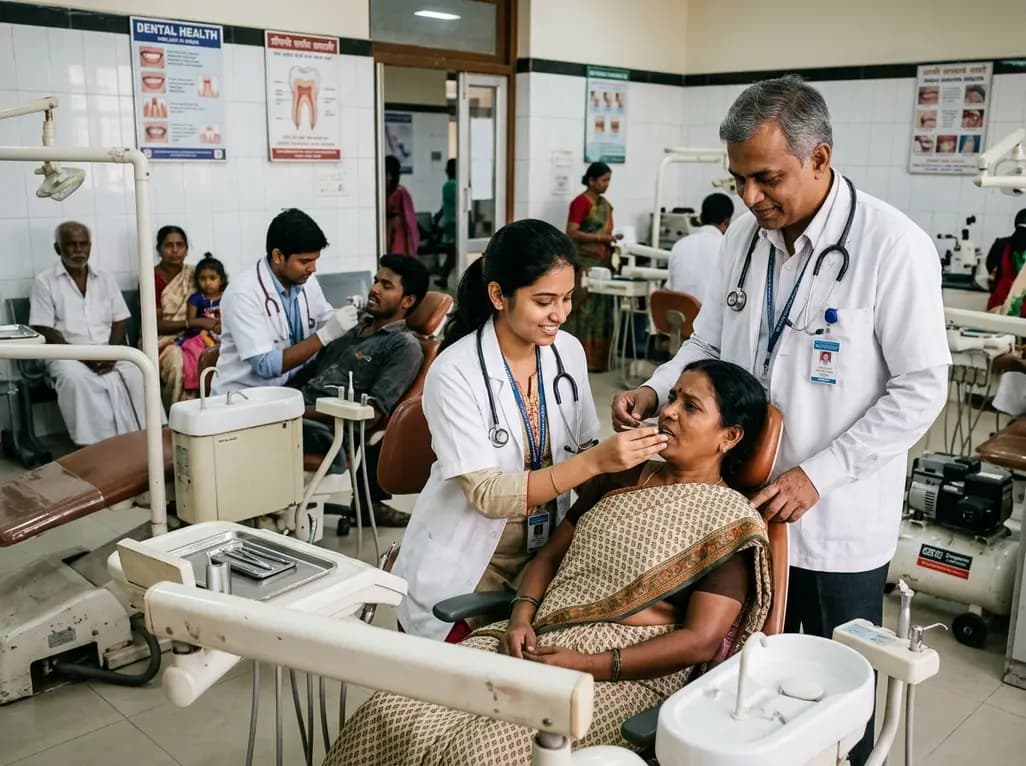
Modern dental practice requires robust clinical expertise alongside profound interpersonal sensitivity. Consequently, assessing dental student preparedness has become a vital priority for academic institutions worldwide. Today's healthcare recipients present with multifaceted cultural identities, nuanced medical histories, and distinct psychological backgrounds. Clinicians can no longer rely solely on mechanical dexterity or technical procedural mastery. Instead, practitioners must deliver culturally humble, person-centered care that respects the lived realities of every patient. A comprehensive cross-sectional study recently evaluated how dental trainees perceive their readiness to treat diverse populations. Researchers gathered data across all four training years to determine confidence levels across varied social, physical, and emotional scenarios. The findings demonstrated clear disparities in student self-efficacy. While participants felt comfortable handling routine demographic differences, their confidence dropped precipitously when treating individuals with extensive trauma histories. Therefore, educators must critically reassess existing curricula to bridge these glaring educational voids. By prioritizing empathetic communication alongside clinical coursework, universities can cultivate clinicians who actively champion healthcare equity. Ultimately, this educational shift will improve treatment adherence and foster lasting patient trust.
The investigation utilized a validated ten-point rating scale to measure how trainees evaluate their clinical readiness. Consequently, the analysis revealed profound discrepancies across different patient demographics and clinical complexities. Students reported their highest preparedness when managing patients differing by sexual orientation, race, and general cultural background. These positive ratings reflect successful institutional initiatives surrounding basic diversity awareness and non-discrimination policies. In contrast, trainees expressed alarmingly low confidence when treating survivors of sexual violence, intimate partner abuse, and emotional trauma. Furthermore, participants reported similarly inadequate self-assurance when managing individuals with complex special healthcare needs. Notably, clinical students in their third and fourth years exhibited significantly higher readiness scores than pre-clinical peers across most domains. This positive divergence highlights how repeated chairside interactions foster clinical poise and diagnostic competence. However, even advanced clinical cohorts reported persistent deficits when managing severe psychosocial trauma. Thus, traditional chairside exposure alone cannot overcome specialized communication barriers. Without explicit guidance, graduating practitioners may feel completely unprepared during difficult patient disclosures. Accordingly, academic leaders must identify where standard clinical rotations fail to provide adequate preparation.
Dental appointments frequently evoke profound stress, but for trauma survivors, ordinary procedures can feel completely terrifying. Standard dental protocols, including reclining the operatory chair or positioning intrusive equipment, can unintentionally trigger traumatic memories. Additionally, intraoral examinations place patients in vulnerable, immobilized physical positions that recall past physical violations. Unfortunately, dental schools historically omitted formal instruction on the physiological and psychological impacts of trauma. As a result, trainees rarely learn to identify hypervigilance, panic attacks, or dissociative reactions in the chair. Implementing trauma-informed care principles transforms the dental clinic into a predictable, psychologically safe sanctuary. Through this model, clinicians universalize gentle protocols rather than requiring patients to disclose painful personal histories. Trainees learn to explain each step beforehand, seek continuous verbal consent, and establish non-verbal stop signals. Moreover, providers avoid sudden movements and maintain transparent, reassuring communication throughout the encounter. Furthermore, such supportive environments empower patients to regain agency over their personal healthcare choices. Integrating these compassionate practices into standard clinical training reduces patient apprehension and prevents re-traumatization. Consequently, emerging dental professionals can establish strong therapeutic bonds with individuals who previously avoided essential oral healthcare.
Individuals with special healthcare needs experience significant hurdles when attempting to obtain comprehensive oral healthcare. These patients often live with severe intellectual disabilities, neurodivergence, sensory sensitivities, or physical impairments that complicate standard care. However, many dental graduates report feeling distinctly ill-equipped to treat medically complex populations safely. Didactic classroom lectures cannot replace practical, tactile experience with specialized equipment and alternative communication techniques. Consequently, general practitioners routinely refer special-care patients to distant tertiary hospitals, creating substantial treatment delays. To eliminate these unnecessary barriers, dental universities must establish mandatory, hands-on clinical rotations within dedicated special-care clinics. Trainees must practice desensitization routines, gentle behavioral guidance, and sensory modification techniques in supervised environments. In addition, students require direct instruction on wheelchair transfers, protective stabilization protocols, and specialized mouth props. Faculty members should guide learners through comprehensive medical risk assessments before beginning invasive dental procedures. Moreover, expanding these opportunities promotes health justice across neglected patient populations. Ultimately, structured exposure demystifies special-care dentistry and instills genuine clinical self-confidence. Graduating dentists will consequently welcome diverse patients into their future community practices with empathy and skill.
Qualitative feedback from dental students emphasized four indispensable pillars for curriculum reform: experiential learning, cultural humility, communication training, and mentorship. Traditional cultural sensitivity workshops often reinforce rigid stereotypes rather than fostering authentic empathy. In contrast, cultural humility challenges clinicians to examine their own biases and relinquish paternalistic assumptions. Universities should replace passive lectures with standardized patient simulations and structured communication workshops. These interactive sessions allow trainees to navigate challenging cross-cultural dialogues and difficult emotional disclosures without risking patient harm. In addition, dental programs must develop robust interprofessional education frameworks alongside nursing, medicine, and social work departments. Collaborative team training teaches dental students how to consult mental health professionals and report domestic violence appropriately. Furthermore, longitudinal clinical mentorship plays an invaluable role in consolidating these vital professional competencies. When experienced faculty mentors demonstrate active listening and patient-centered communication, students quickly adopt those compassionate behaviors. Mentors also provide essential psychological support as trainees process complex clinical interactions. Therefore, embedding reflective mentorship and experiential learning creates socially conscious, highly capable dental clinicians. Accordingly, progressive dental curricula must blend clinical rigor with compassionate humanistic values to achieve optimal health outcomes.
Dental students report low preparedness for trauma survivors because traditional dental curricula prioritize manual dexterity and surgical procedures over psychological competencies. Most undergraduate programs offer minimal instruction regarding adverse childhood experiences, intimate partner violence, or behavioral manifestations of trauma. Consequently, trainees often feel unequipped to identify subtle emotional triggers, establish psychological safety, or modify clinical routines. Integrating trauma-informed training models helps students develop relational skills and build empathetic, trusting therapeutic relationships.
Clinical students in their third and fourth years demonstrate significantly higher preparedness than pre-clinical students because direct patient contact fosters practical confidence. Daily chairside experience allows advanced students to interact with diverse populations, navigate complex health histories, and refine communication techniques under supervision. In contrast, pre-clinical students primarily encounter theoretical scenarios and plastic typodont models. Therefore, expanding early experiential exposure substantially bridges the transitional gap between preclinical didactic study and independent clinical practice.
Dental institutions can improve care for patients with special healthcare needs by integrating dedicated clinical rotations and specialized didactic coursework into the curriculum. Additionally, schools should introduce simulation training focused on behavior guidance techniques, sensory adaptations, and wheelchair transfers. Partnering with community health centers and interprofessional disability clinics provides invaluable practical exposure. These curricular reforms empower dental students to manage medically complex patients confidently while reducing long-standing oral healthcare disparities.
Disclaimer: This content is for informational and educational purposes only... Refer to the latest local and national guidelines for clinical practice.
References

Read summarized clinical updates, watch expert medical content, and earn CME certifications right from your smartphone.
Open your smartphone camera to scan and install.





A cross-sectional study assesses dental student preparedness in treating diverse patient populations, revealing critical gaps in trauma-informed care and special healthcare needs, and advocating for experiential learning and cultural humility.
Today
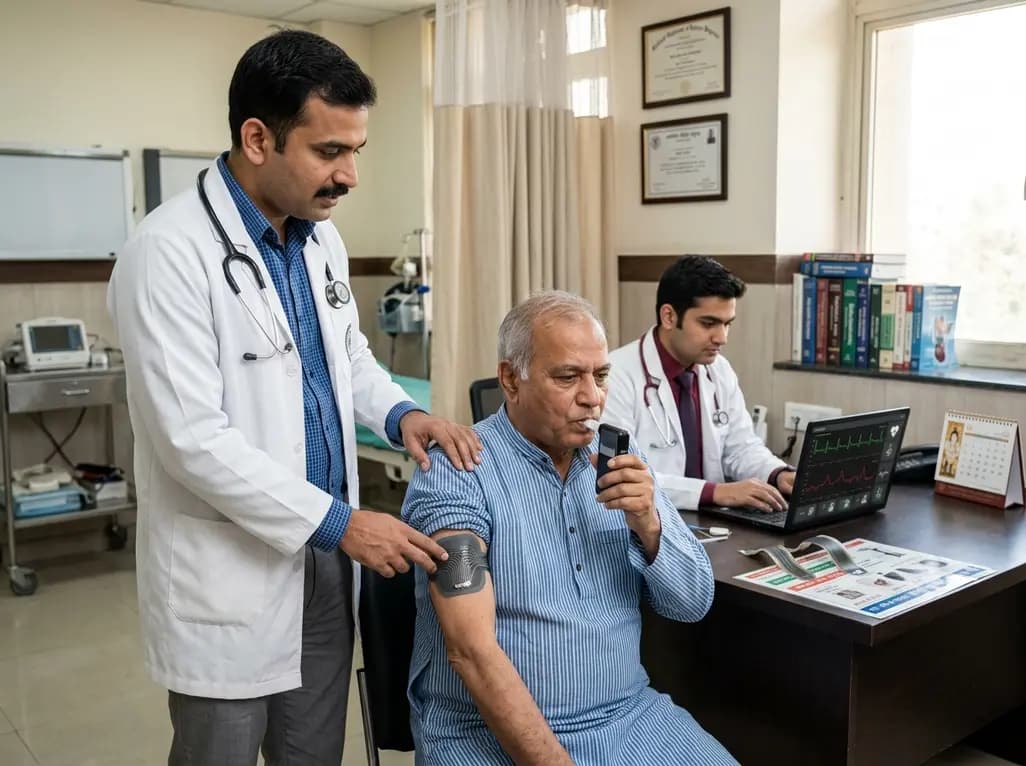
Novel biomimetic flexible polypyrrole sensors integrate mechanical hemodynamics with exhaled ammonia detection, offering noninvasive monitoring for chronic kidney disease and remote clinical care.
Today

Maharashtra has initiated the appointment of two dedicated special public prosecutors in every district alongside a joint police-health SOP to fast-track PCPNDT and MTP cases. Medical imaging centers, radiologists, and obstetricians must strengthen statutory documentation and audit preparedness.
Today
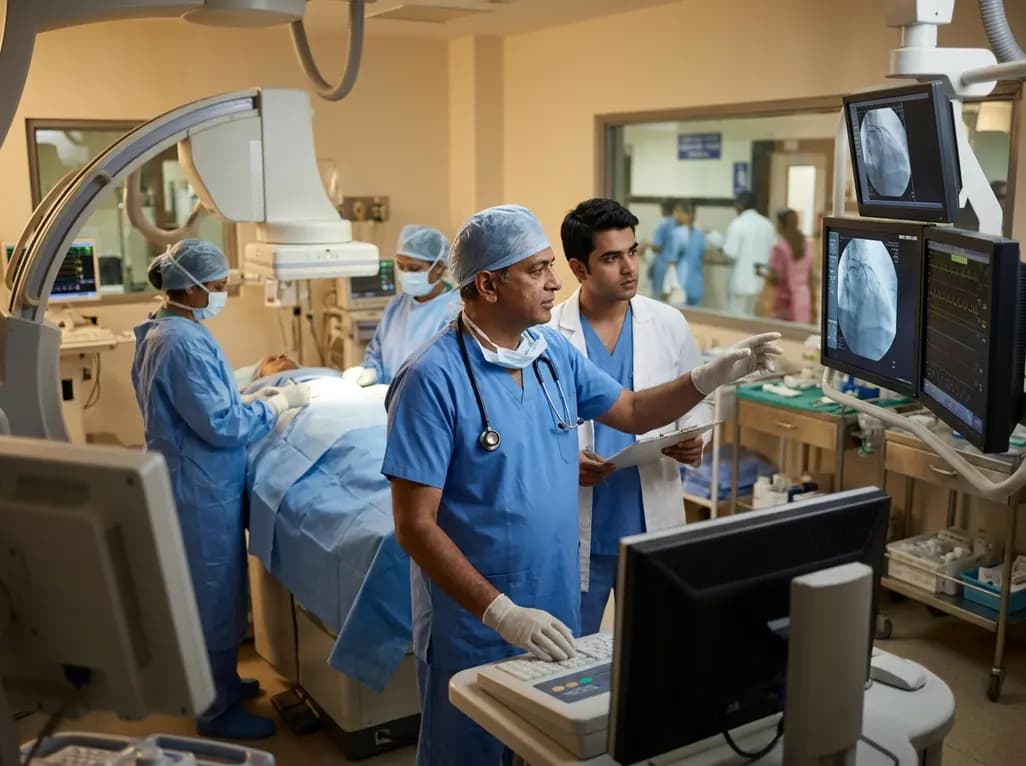
A prospective study evaluates percutaneous renal denervation in high-risk patients with resistant hypertension, demonstrating significant short-term blood pressure reduction alongside notable procedural considerations.
Today
A landmark global analysis of over six million people reveals that pain does not increase steadily with aging. Instead, pain accelerates fastest before age 55, affects women disproportionately across anatomical sites, and imposes a much heavier burden on populations in developing countries.
Today
A modified Delphi study identified crucial clinical and research priorities for older transgender adults. Key findings emphasize provider education, screening for social isolation, navigation of community resources, and long-term evaluation of gender-affirming hormone therapy safety during the aging process.
Today
