.webp&w=384&q=75)

Loading, please wait...
Loading, please wait...
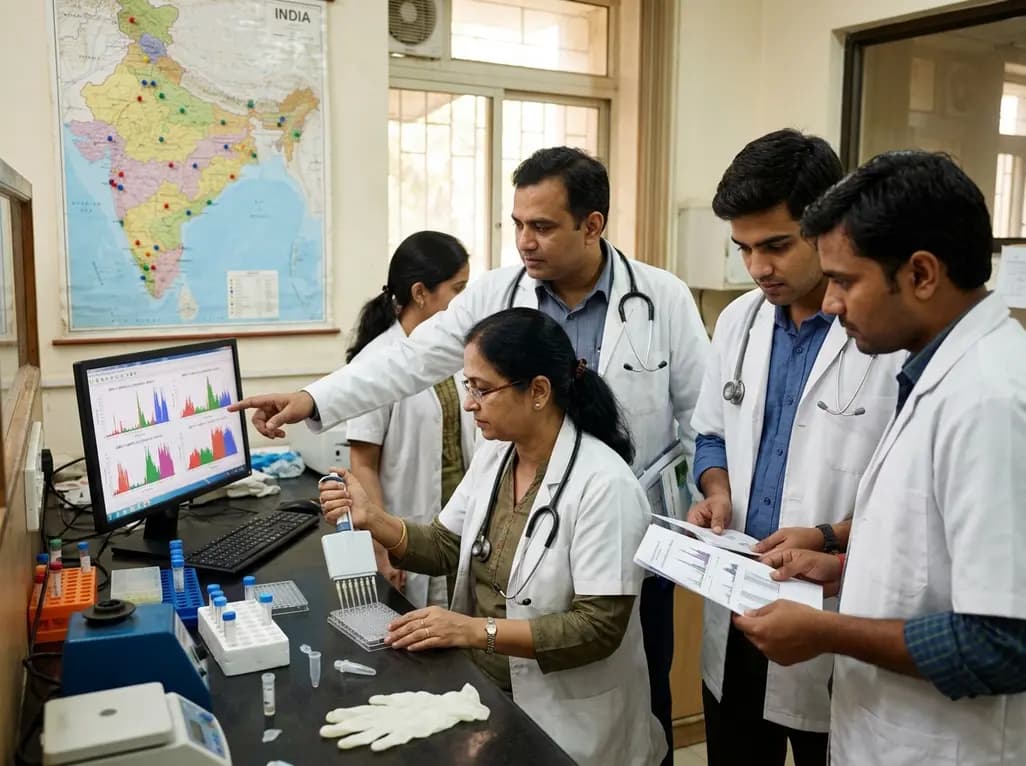
India is preparing for the introduction of a national dengue immunization program. Meanwhile, a major nationwide study has provided vital insights into the distribution of dengue virus serotypes across the country. Led by the ICMR-National Institute of Virology in Pune, this surveillance effort mapped viral strains across twenty-five states and union territories. Researchers analyzed over six thousand lab-confirmed samples collected through forty-five diagnostic laboratories between 2023 and 2025. Consequently, the findings reveal a complex viral landscape characterized by widespread hyperendemicity. Every surveyed state showed co-circulation of at least two viral strains. Furthermore, eight major states reported the simultaneous presence of all four serotypes. These epidemiological insights arrive at a crucial moment for public health authorities. Understanding local strain distribution is essential because vaccine efficacy varies across different viral strains. Additionally, coinfection with multiple serotypes significantly increases the risk of severe clinical complications. Healthcare professionals must therefore recognize these shifting patterns to optimize patient management and support vector control efforts nationwide.
Dengue virus belongs to the Flaviviridae family and consists of four antigenically distinct strains: DENV-1, DENV-2, DENV-3, and DENV-4. Infection with one specific strain confers lifelong immunity against that specific serotype. However, it provides only temporary protection against the other three strains. Consequently, secondary exposure to a different serotype can trigger severe immune reactions through antibody-dependent enhancement. In hyperendemic regions like India, multiple strains circulate simultaneously within the same population.
The recent molecular surveillance study confirmed that DENV-2 remains the primary circulating strain across the country. Specifically, DENV-2 accounted for fifty-one percent of all analyzed positive samples. Meanwhile, DENV-3 represented thirteen percent of cases, DENV-1 accounted for seven percent, and DENV-4 constituted one percent. Notably, nearly seven percent of all evaluated patients suffered concurrent infections with two or more strains simultaneously. Regional variations were also quite pronounced during the study period. For instance, DENV-1 showed high prevalence in Tamil Nadu, Haryana, and Rajasthan. Similarly, DENV-3 was frequently detected across Gujarat, Uttar Pradesh, and West Bengal. These regional differences underscore the dynamic nature of viral transmission and highlight the need for targeted local public health responses.
The ICMR-NIV study represents the first comprehensive nationwide mapping of viral strains in India. Significantly, all four dengue virus serotypes were detected simultaneously in eight distinct states and union territories. These hyperendemic areas include Andhra Pradesh, Gujarat, Haryana, Madhya Pradesh, Maharashtra, Rajasthan, Tamil Nadu, and West Bengal. Furthermore, fifteen additional states reported the co-circulation of three distinct serotypes. Meanwhile, the remaining two surveyed regions documented at least two circulating strains.
These findings confirm that dengue hyperendemicity is no longer restricted to urban centers. Instead, it has expanded across diverse geographic and demographic landscapes. Continuous molecular surveillance is therefore essential for tracking genetic shifts and emerging lineages. The Virus Research and Diagnostic Laboratory network plays a pivotal role in this monitoring process. By analyzing viral samples on a national scale, health authorities can identify rising infection clusters early. Additionally, molecular tracking helps predict prospective seasonal outbreaks before hospitals experience surge capacity. Consequently, expanding diagnostic laboratory infrastructure remains a top priority for national disease control programs.
Concurrent infection with multiple viral strains poses significant challenges for clinical diagnosis and management. Specifically, the study revealed that patients infected with two or more strains concurrently experienced more severe clinical outcomes. For example, these individuals demonstrated a higher incidence of severe thrombocytopenia compared to those with single-strain infections. Furthermore, hemorrhagic manifestations were observed more frequently among coinfected patients. Severe joint pain and arthralgia were also reported at elevated rates in this cohort.
Pathophysiologically, concurrent exposure to multiple strains can trigger intense inflammatory cascades. Cross-reactive non-neutralizing antibodies can enhance viral entry into host immune cells. As a result, viral load increases rapidly, leading to increased vascular permeability and plasma leakage. Clinicians must maintain high vigilance when treating patients during intense transmission seasons. Early laboratory identification and serial blood count monitoring remain vital for detecting rapid platelet drops. Furthermore, timely fluid resuscitation and supportive care can significantly reduce mortality in severe cases. Medical training programs should emphasize early identification of warning signs, particularly in regions where multi-strain co-circulation is documented.
The co-circulation of all four strains creates unique strategic challenges for upcoming dengue vaccination campaigns. Currently, several tetravalent candidate vaccines are undergoing advanced evaluation or regulatory review. However, clinical trials demonstrate that vaccine efficacy can vary significantly across individual viral serotypes. For instance, certain formulations offer robust protection against DENV-1 and DENV-2 but exhibit lower efficacy against DENV-3 or DENV-4. Consequently, deploying vaccines without mapping local strain prevalence could lead to suboptimal protection.
Public health policy must therefore integrate epidemiological surveillance directly into immunization planning. Vaccine candidate selection should prioritize durable, balanced protection against all four circulating serotypes. Furthermore, baseline seroprevalence in the target population must be carefully evaluated before widespread administration. In regions dominated by DENV-2, specific vaccine formulations may offer rapid community benefits. However, in areas where DENV-1 or DENV-3 predominated, public health authorities may require tailored dosing strategies. Continuous post-marketing surveillance will also be mandatory after vaccine introduction. Monitoring break-through infections will ensure that vaccination does not unintentionally select for vaccine-resistant viral lineages.
While vaccines represent a major advancement, they cannot serve as a standalone solution for dengue management. Integrated vector control measures must remain the cornerstone of national prevention strategies. Environmental management, source reduction, and larval surveillance must continue alongside immunization programs. Furthermore, community engagement is crucial for eliminating stagnant water breeding sites around urban and rural residences. Public awareness campaigns should emphasize prompt medical evaluation upon the onset of high fever or retro-orbital pain.
Healthcare facilities across India must also strengthen clinical management protocols. Diagnostic laboratories require consistent access to rapid serotyping kits and molecular testing platforms. Moreover, primary care physicians should receive updated guidelines regarding fluid management in severe dengue. Standardized triage systems can help prioritize high-risk patients showing severe warning signs. Consequently, well-coordinated care pathways will minimize hospital overload during seasonal peaks. By combining robust molecular surveillance, effective vector control, updated clinical guidelines, and targeted vaccination, India can substantially reduce its overall dengue burden in the coming years.
Q1: What are dengue virus serotypes and why do they matter?
Dengue virus exists as four distinct serotypes, designated DENV-1 through DENV-4. Infection with one strain provides permanent immunity against that specific strain but only temporary protection against others. Subsequent infection with a different serotype increases the risk of severe disease due to antibody-dependent enhancement. Understanding circulating serotypes is critical for guiding vaccine introduction, predicting outbreak severity, and tailoring public health responses.
Q2: How does multi-strain co-circulation affect clinical severity in patients?
When multiple dengue serotypes circulate simultaneously, patients can develop concurrent infections with two or more strains. Clinical surveillance shows that coinfected patients face a higher likelihood of severe complications, including acute thrombocytopenia, bleeding, and severe arthralgia. Early clinical recognition, serial hematocrit monitoring, and timely supportive care are essential to prevent rapid deterioration and lower mortality in these severe cases.
Q3: Why is serotype surveillance vital prior to a dengue vaccine rollout?
Vaccine efficacy varies across different dengue serotypes and baseline individual serostatus. Molecular surveillance identifies predominant regional strains, allowing health authorities to select optimal tetravalent vaccine candidates. Furthermore, monitoring serotype dynamics before rollout establishes a baseline to measure post-vaccination effectiveness. It also helps detect any shift in viral strain dominance, ensuring safe, equitable, and effective immunization strategies nationwide.
Disclaimer: This content is for informational and educational purposes only. It does not constitute medical advice or replace professional judgment. Refer to the latest local and national guidelines for clinical practice.
References

Read summarized clinical updates, watch expert medical content, and earn CME certifications right from your smartphone.
Open your smartphone camera to scan and install.





A landmark ICMR-NIV study mapping dengue virus serotypes across India revealed that all four strains (DENV-1 to DENV-4) are co-circulating, with 7% mixed infections. These findings highlight hyperendemicity, severe disease risks, and crucial implications for upcoming dengue vaccine strategies.
last month

Researchers at the Indian Institute of Science and Denmark have synthesized a recombinant antivenom cocktail that neutralizes venom across multiple Indian cobra and king cobra species. This lab-grown biologic provides cross-species protection and promises to replace century-old horse-derived serums.
Today

At the 79th Regional Committee session, the World Health Organization commended India's public health advancements. Key achievements include the operationalization of 160,000 Ayushman Arogya Mandirs, higher institutional delivery rates, strong ASHA networks, and persistent efforts to eliminate tuberculosis nationwide.
Today

The Supreme Court questioned FSSAI's phased warning approach, urging single-phase implementation for foods exceeding limits in any nutrient of concern. Backed by ICMR-NIN recommendations, the proposed red hexagonal warnings target added sugar, salt, and fat to combat India's escalating chronic disease epidemic.
Today

A premature neonate developed upper limb compartment syndrome after uterine rupture extruded the arm through a scar defect. Conservative management with continuous monitoring yielded complete functional recovery and normal limb growth at 10-year follow-up, highlighting non-operative safety in selected cases.
Today
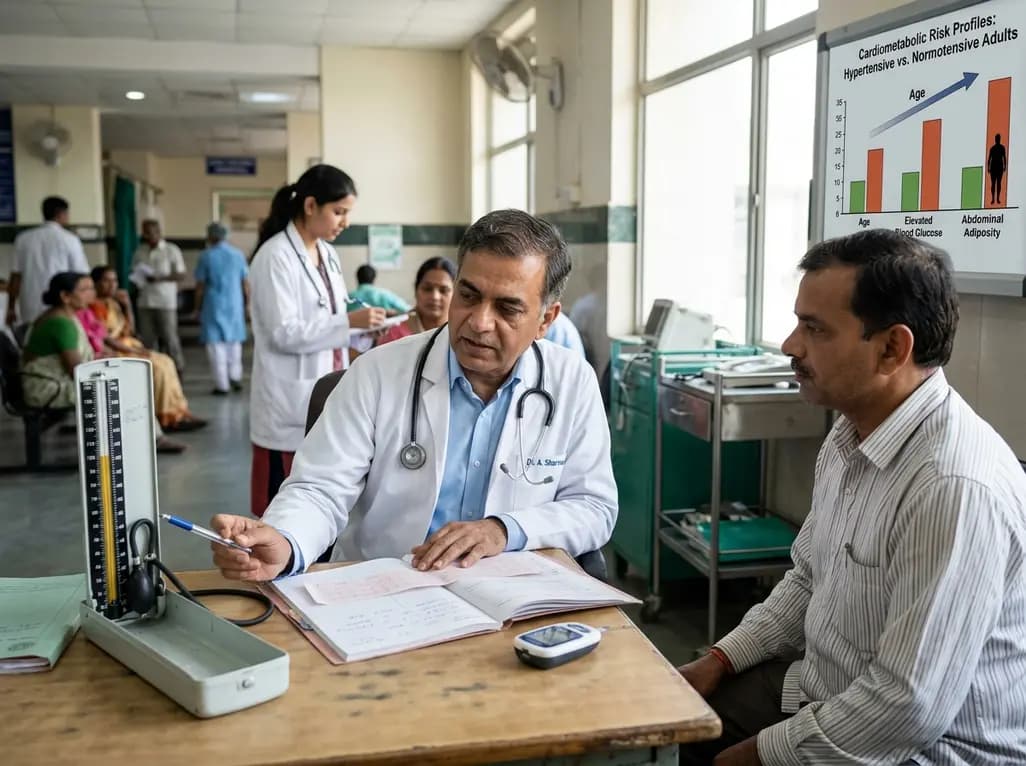
A comparative analysis shows that older age, elevated blood glucose, and abdominal adiposity are primary drivers of hypertension. Comprehensive evaluation of cardiometabolic risk profiles enables clinicians to detect overlapping metabolic dysfunctions early and optimize targeted prevention strategies.
Today
