.webp&w=384&q=75)

Loading, please wait...
Loading, please wait...
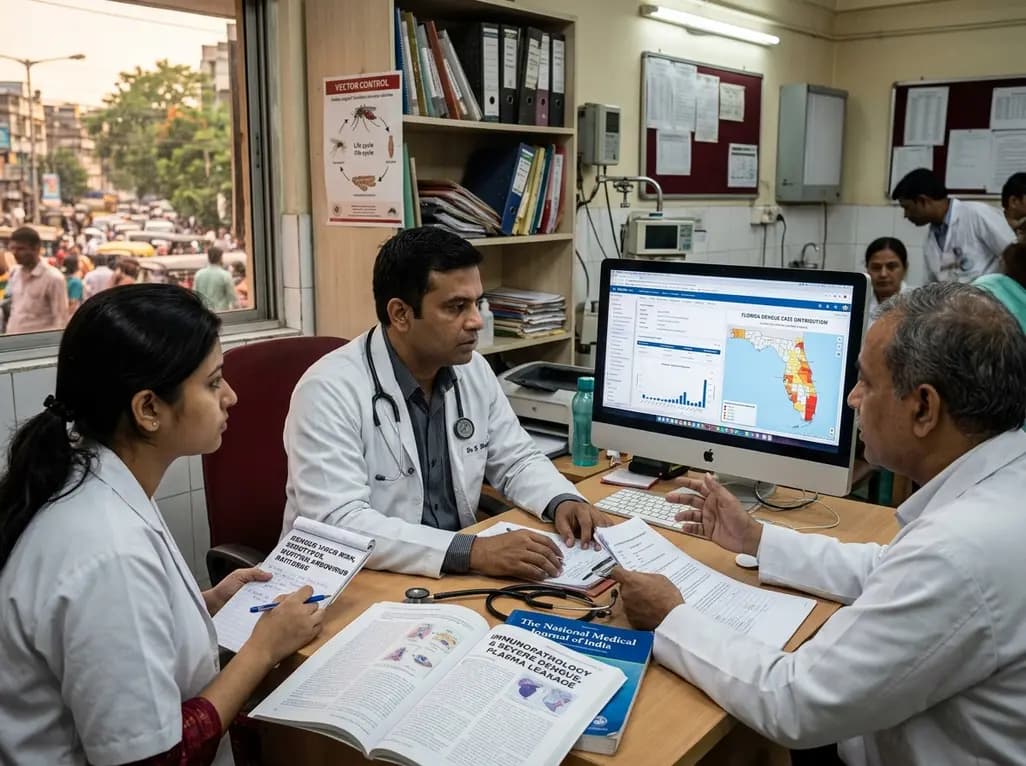
Recent epidemiological data indicate that local arboviral transmission is accelerating across temperate zones. Specifically, health officials recently identified an unprecedented dengue virus outbreak in Florida, marking the largest surge in decades. Most cases occurred in Hillsborough County, near Tampa. Historically, imported travel accounted for mainland infections. However, expanding vector populations have enabled sustained local transmission cycles.
The arboviral spike underscores a notable transformation in local disease ecology. For decades, health authorities recorded sporadic cases primarily along southern borders or within tropical territories. In contrast, the current cluster represents the highest single-year case total recorded in any state since the 1940s. Locally acquired infections have now surpassed travel-associated diagnoses in the region. Consequently, public health departments declared municipal emergencies to mobilize extensive mosquito control efforts.
Furthermore, environmental conditions strongly dictate these transmission patterns. Warmer temperatures accelerate viral replication within mosquitoes and shorten extrinsic incubation periods. Additionally, heavy precipitation creates abundant standing water reservoirs where container-breeding mosquitoes deposit eggs. Because Hillsborough County serves as a major travel hub, frequent passenger movement between endemic zones and local communities likely introduced the pathogen. Subsequently, competent mosquito vectors sustained transmission among non-immune residents. Therefore, healthcare providers in previously non-endemic territories must adjust clinical suspicion. Moreover, clinicians must obtain thorough travel histories when assessing acute febrile illnesses. Thus, early case detection prevents localized outbreaks from becoming endemic hazards. Additionally, rapid local reporting assists municipal vector districts in prioritizing neighborhood containment efforts.
Dengue virus belongs to the Flaviviridae family and comprises four distinct antigenic serotypes, designated DENV-1 through DENV-4. When an individual recovers from a primary infection, their immune system develops lifelong homotypic immunity against that specific serotype. However, that primary exposure confers only transient heterotypic protection against the remaining three viral strains. This physiological dynamic creates substantial clinical vulnerability during subsequent exposures.
In particular, secondary heterotypic infections frequently trigger a phenomenon known as antibody-dependent enhancement. During a secondary infection, pre-existing sub-neutralizing antibodies bind to the new viral serotype without neutralizing it. Subsequently, the virus-antibody complexes engage Fc-gamma receptors on monocytes and macrophages. This interaction facilitates rapid viral entry and massive intracellular replication. Consequently, the host experiences an amplified inflammatory cascade characterized by severe cytokine release and vascular endothelial dysfunction.
Because most residents in newly affected regions lack previous exposure, most cases in this outbreak represent primary infections. Nevertheless, clinicians must recognize that secondary infections cause devastating plasma leakage, severe hemorrhage, and multiorgan failure. Therefore, understanding serotype diversity remains critical when assessing disease severity and prognostic trajectories.
Clinicians must evaluate dengue as a dynamic infection that progresses through three distinct clinical phases. The initial febrile phase typically lasts between two and seven days. Patients abruptly develop high fevers, intense retro-orbital headaches, severe myalgias, arthralgias, and macular rashes. Because of the excruciating bone and joint pain, clinicians historically labeled the condition breakbone fever. During this early phase, supportive therapy focuses primarily on oral hydration and fever control.
Subsequently, the disease transitions into the critical phase around the time of defervescence. This phase usually spans twenty-four to forty-eight hours and represents the window of greatest clinical risk. Specifically, increased systemic capillary permeability leads to significant plasma leakage into pleural and peritoneal cavities. Healthcare workers must actively monitor for clinical warning signs during this delicate transition.
Notably, critical warning signs include persistent vomiting, severe abdominal pain, mucosal bleeding, clinical fluid accumulation, and progressive hepatomegaly. Furthermore, laboratory testing often reveals a sharp rise in hematocrit alongside a rapid decrease in platelet counts. If clinicians fail to recognize these warning signs promptly, patients can rapidly deteriorate into decompensated hypovolemic shock. Therefore, rigorous clinical monitoring during defervescence saves lives.
Accurate laboratory confirmation and meticulous physiological tracking form the cornerstone of effective arboviral clinical management. During the first week of acute symptoms, clinicians should prioritize molecular tests, such as reverse transcription-polymerase chain reaction, and non-structural protein 1 antigen detection. These direct diagnostic assays confirm active viremia before antibody titers rise. In contrast, after the fifth day of fever, serological testing for immunoglobulin M antibodies provides crucial diagnostic evidence.
Meanwhile, clinicians must implement strict hemodynamic monitoring for patients exhibiting warning signs. Serial complete blood counts provide objective markers of intravascular volume status. In fact, a rising hematocrit level directly reflects ongoing plasma leakage across compromised vascular endothelium. Accordingly, physicians should administer judicious intravenous crystalloid solutions to maintain organ perfusion while avoiding iatrogenic fluid overload.
Moreover, medical providers must strictly avoid non-steroidal anti-inflammatory drugs and aspirin in all suspected cases. These medications inhibit platelet function and substantially increase the risk of severe gastrointestinal hemorrhage. Instead, acetaminophen serves as the preferred antipyretic agent, administered within safe dosage limits. Thus, disciplined diagnostic triage and conservative therapeutic strategies ensure favorable patient outcomes during regional arboviral surges.
Interrupting vector-host contact represents the most vital public health defense against proliferating mosquito populations. The principal vector, Aedes aegypti, exhibits distinct anthropophilic feeding behavior and preferentially breeds in artificial containers near human dwellings. Furthermore, these day-biting mosquitoes demonstrate peak feeding activity during early morning hours and late afternoon before sunset. Therefore, community mitigation strategies must target both adult mosquito populations and potential larval habitats.
Public health teams utilize targeted adulticide spraying and wide-scale larvicide applications to suppress mosquito densities in active transmission zones. Simultaneously, municipal authorities encourage residents to conduct routine property inspections to eliminate pooled water. Common oviposition sites include discarded tires, uncovered buckets, clogged roof gutters, and potted plant saucers. In addition, personal protective measures significantly diminish individual transmission risk.
Clinicians should instruct community members to apply EPA-registered insect repellents containing active ingredients such as DEET, picaridin, or oil of lemon eucalyptus. Inhabitants should also wear loose-fitting, long-sleeved garments and maintain intact window screens or air conditioning indoors. Ultimately, integrated vector management requires coordinated cooperation between local civic leaders, public health epidemiologists, and informed community residents.
Q1: What triggers severe illness during a secondary dengue infection?
Secondary dengue infections carry higher severity risks because of antibody-dependent enhancement. In this process, pre-existing antibodies from an earlier infection recognize the new serotype but fail to neutralize it effectively. Instead, these antibodies assist the virus in entering host monocytes and macrophages, which accelerates viral replication. Consequently, the immune system releases massive inflammatory cytokines that damage the vascular endothelium, promoting extensive plasma leakage, severe hemorrhage, and potentially fatal shock.
Q2: Why must clinicians avoid prescribing NSAIDs in suspected dengue cases?
Clinicians must strictly avoid non-steroidal anti-inflammatory drugs, such as ibuprofen and naproxen, alongside aspirin during suspected dengue cases. Because the virus frequently induces marked thrombocytopenia and capillary fragility, preserving existing platelet function remains vital. Non-steroidal agents irreversibly or reversibly impair platelet aggregation and cause gastric mucosal irritation. Consequently, these pharmacological effects drastically heighten the likelihood of severe gastrointestinal bleeding. Healthcare providers should exclusively recommend acetaminophen for fever reduction and analgesia.
Q3: How does climate change influence local mosquito populations and disease transmission?
Elevated global temperatures and fluctuating precipitation patterns significantly alter arboviral epidemiology. Warmer environmental conditions shorten the extrinsic incubation period of the virus within mosquito vectors, allowing mosquitoes to transmit pathogens much sooner after feeding. Furthermore, higher temperatures expand the geographical range of Aedes mosquitoes into previously unaffected temperate latitudes. Meanwhile, erratic rainfall and domestic water storage create abundant stagnant breeding pools. Consequently, vector densities increase substantially, amplifying the frequency and scale of local transmission cycles.
Disclaimer: This content is for informational and educational purposes only. It does not constitute medical advice or replace professional judgment. Refer to the latest local and national guidelines for clinical practice.
References

Read summarized clinical updates, watch expert medical content, and earn CME certifications right from your smartphone.
Open your smartphone camera to scan and install.





Health authorities report historic local dengue transmission driven by climate shifts and vector expansion. This review examines viral serotypes, the immunopathology of secondary infection, clinical warning signs of plasma leakage, and essential vector abatement protocols for frontline medical practitioners.
Today
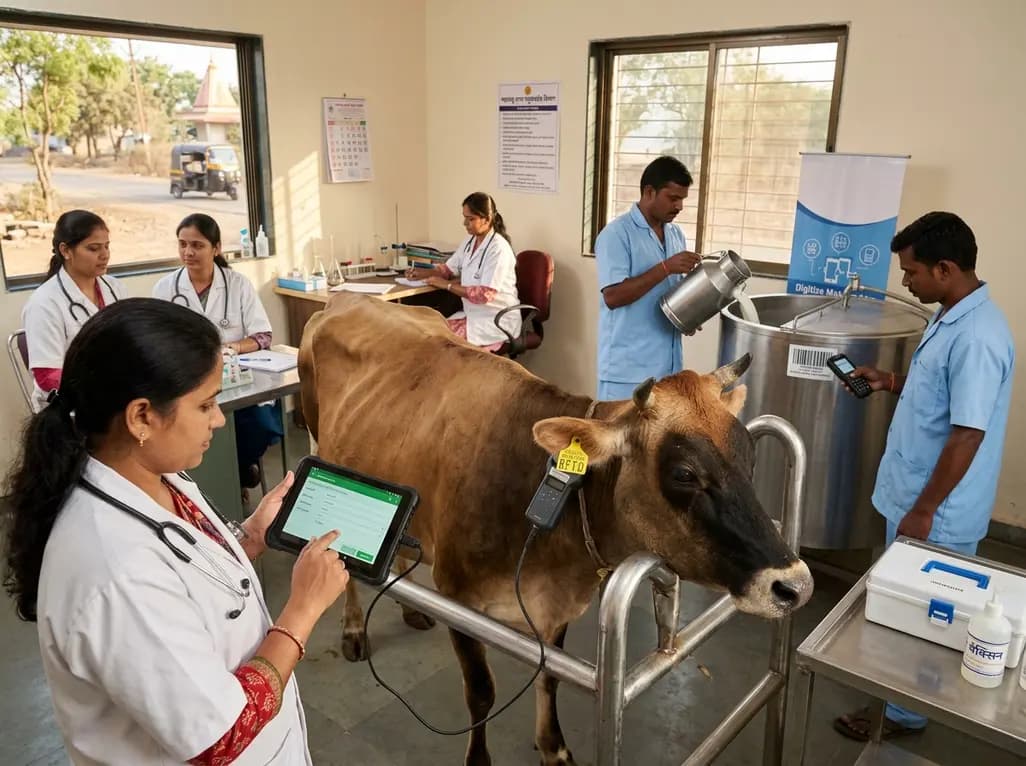
Maharashtra FDA will launch a digital animal-to-dairy tracking system to tackle milk adulteration. By pairing ear-tag data with dairy collection volumes, authorities aim to curb synthetic contaminants, safeguard pediatric and public nutrition, and enhance pharmaceutical supply chain compliance across the state.
Today
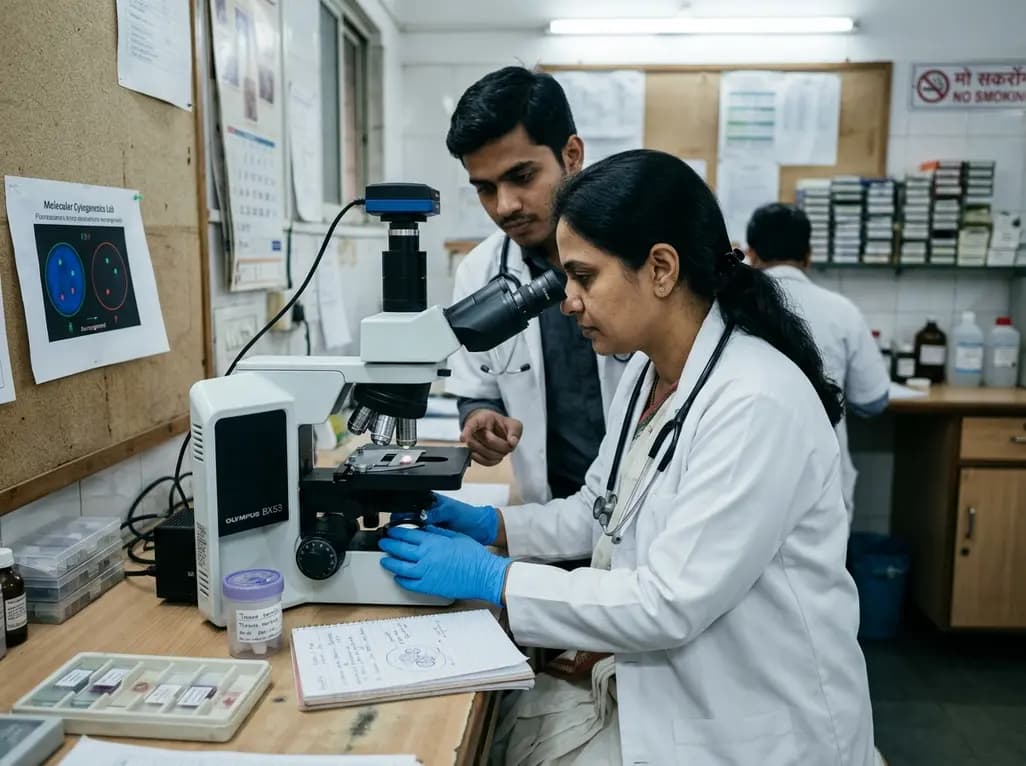
A recent study identifies a rare vulvovaginal myxoid epithelioid smooth muscle tumor harboring an NCOA2 rearrangement in a 56-year-old female. Demonstrating estrogen receptor negativity and a low proliferative index, the case refines diagnostic boundaries and underscores the importance of molecular cytogenetics.
Today

A longitudinal study reveals that an escalating cardiometabolic disease burden significantly accelerates health-related work cessation among middle-aged adults, highlighting an urgent need for proactive multimorbidity screening and tailored workplace health interventions.
Today

A new cross-sectional evaluation reveals how regional lean mass and bone mineral content interact in resistance-trained men, showing that whole-body size and allometric scaling explain shared musculoskeletal phenotypes and strength relationships.
Today

Explore the emerging role of glucose metabolic reprogramming in exercise-attenuated osteoporosis, examining how physical activity influences osteoblast glycolysis, osteoclast bioenergetics, and skeletal remodeling pathways to improve bone mineral density.
Today
