.webp&w=384&q=75)

Loading, please wait...
Loading, please wait...
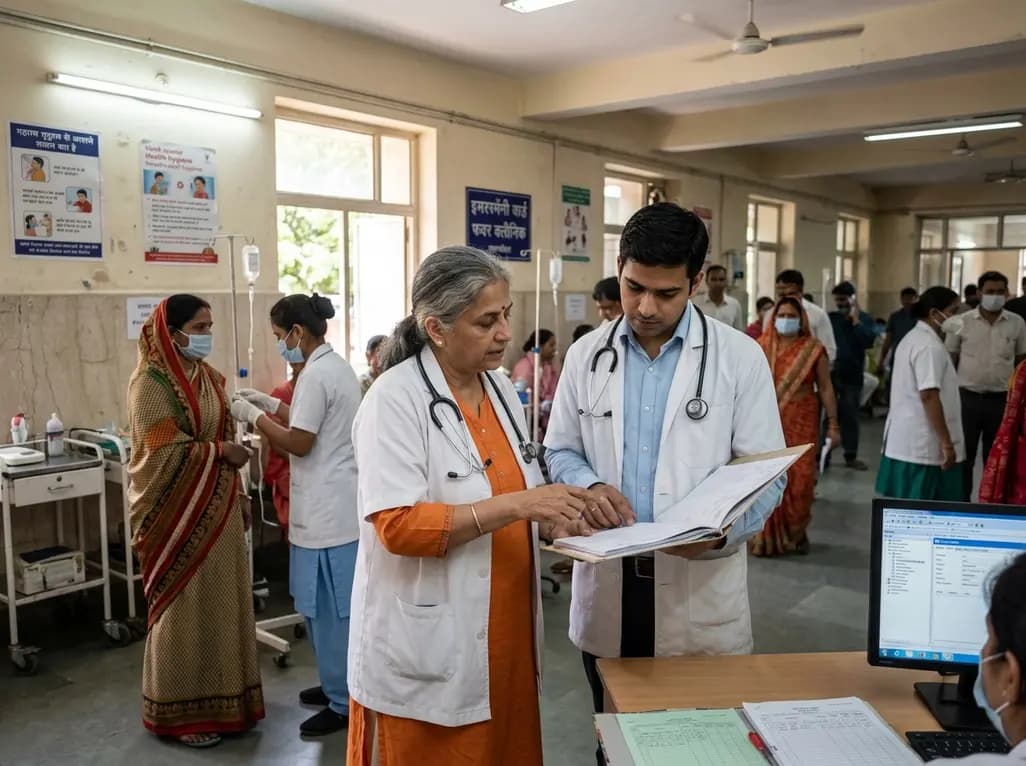
The national capital has witnessed a substantial surge in seasonal influenza cases, prompting the government to take immediate action. In response, officials released the latest Delhi swine flu advisory to alert clinicians and citizens across the region. Delhi has recorded more than 2,600 influenza cases this year. Notably, Influenza A accounts for over 2,300 of these infections, with the H1N1 strain emerging as the predominant subtype. Surveillance data reveals over 1,777 confirmed H1N1 cases till late August. On a single day alone, laboratories detected 114 new swine flu cases.
Seasonal influenza in India historically exhibits two distinct peaks every year. The first wave emerges between January and March, while the second peak coincides with the post-monsoon months. Unlike the previous year when H3N2 dominated clinical admissions, H1N1 is circulating rapidly during the current post-monsoon spike. Changing weather patterns and elevated humidity significantly enhance aerosol transmission and viral persistence on fomites. Consequently, public health authorities are urging healthcare facilities to remain vigilant. Clinicians must identify presenting cases promptly to curb severe morbidity across healthcare institutions.
Seasonal influenza A (H1N1) manifests primarily as an acute respiratory infection with systemic features. Patients typically present with high-grade fever, persistent cough, sore throat, severe malaise, and headache. In addition, many individuals report coryza, body aches, chills, fatigue, and gastrointestinal symptoms like nausea or loose stools. Clinicians must differentiate uncomplicated upper respiratory viral illness from progressive lower respiratory tract infections.
Early risk stratification remains essential to prevent rapid clinical deterioration. Certain patient populations face a considerably higher risk of severe disease and fatal complications. Specifically, infants, young children under five years, elderly individuals over 65 years, and pregnant women require heightened vigilance. Furthermore, patients with pre-existing chronic disorders require immediate clinical evaluation. These comorbidities include chronic obstructive pulmonary disease, asthma, cardiovascular disorders, diabetes mellitus, chronic renal disease, and neurological illnesses. Immunosuppressed patients and individuals receiving long-term steroid therapy also demonstrate increased vulnerability. Therefore, medical practitioners should actively screen for red flag signs, including persistent breathlessness, hemoptysis, chest pain, somnolence, cyanosis, and hypotension. Identifying these danger signals early facilitates rapid hospital admission and prevents fatal respiratory failure.
To optimize clinical resources and avoid hospital overcrowding, healthcare providers follow standardized triage guidelines established by national authorities. The protocol divides suspected influenza cases into three discrete categories: Category A, Category B, and Category C.
Category A includes patients presenting with mild fever, sore throat, cough, and body aches without any underlying high-risk conditions. These individuals do not require diagnostic H1N1 testing or antiviral therapy. Instead, clinicians should advise strict home isolation, adequate hydration, antipyretics, and symptomatic rest. However, Category B encompasses two distinct subsets. Category B-1 includes patients with high fever and severe throat pain, while Category B-2 comprises individuals with mild influenza-like illness who have major co-morbidities or fall into high-risk demographics. Consequently, Category B patients require immediate treatment with oral Oseltamivir, although routine viral testing is generally reserved for surveillance sentinel sites.
Category C includes patients who display severe acute respiratory symptoms, hemodynamic instability, altered sensorium, or worsening underlying disease. These critical individuals require urgent hospitalization, real-time RT-PCR testing, empirical Oseltamivir therapy, and intensive respiratory support. Starting antiviral therapy within 48 hours of symptom onset yields the best therapeutic outcomes.
Healthcare infrastructure across the capital has mobilized rapidly to accommodate the rising patient load. The Directorate General of Health Services and state health authorities have designated 35 sentinel hospitals under special surveillance. Furthermore, AIIMS New Delhi and the National Centre for Disease Control (NCDC) serve as apex referral laboratories. These specialized centers perform high-throughput molecular diagnostics and genomic surveillance to monitor circulating viral mutations.
Simultaneously, the Delhi State Health Mission is monitoring morbidity and mortality trends using the Integrated Disease Surveillance Programme (IDSP). Clinicians and district surveillance officers upload daily patient data directly onto the Integrated Health Information Platform (IHIP) portal. This continuous digital reporting tracks influenza-like illness (ILI) and severe acute respiratory infections (SARI) across both public and private sectors. In addition, state authorities are conducting orientation modules and refresher training for chief district medical officers and emergency care teams. Hospital administrators report sufficient availability of isolation beds, intensive care units, mechanical ventilators, oxygen manifolds, and stockpiles of Oseltamivir. Inter-sectoral coordination with municipal corporations ensures rapid contact tracing and seamless logistical support during this seasonal surge.
Interrupting community transmission requires aggressive public education and meticulous adherence to non-pharmacological interventions. Because influenza viruses spread via droplets and contaminated surfaces, basic hygiene protocols remain the cornerstone of outbreak control. The official advisory strongly recommends frequent handwashing with soap and water for at least 20 seconds. Alternatively, individuals can utilize alcohol-based hand sanitizers when water is unavailable.
Moreover, citizens should wear well-fitted surgical masks in crowded indoor environments, public transport, and hospital waiting areas. People must practice respiratory etiquette by covering their nose and mouth with a tissue or flexed elbow when coughing or sneezing. The health department explicitly warns against public spitting and advises individuals to avoid touching their eyes, nose, and mouth. Healthcare facilities are actively displaying information, education, and communication (IEC) materials approved by central agencies. In addition, medical professionals should educate high-risk patients regarding annual influenza vaccination. The seasonal quadrivalent influenza vaccine provides vital protection against circulating A and B viral lineages, mitigating severe disease manifestations and community transmission risks. Furthermore, local health authorities are coordinating with educational institutions and public transport hubs to distribute informational brochures. Proactive community engagement empowers citizens to recognize mild symptoms early, seek timely clinical support, and avoid self-medication practices.
Q1: Why is the Delhi health department issuing an urgent swine flu advisory now?
The health department issued the advisory because Delhi has witnessed a rapid surge in H1N1 influenza cases during the post-monsoon period. With over 2,600 seasonal influenza cases recorded this year, authorities aim to curb community transmission. The advisory guides healthcare facilities on triage protocols and educates the public on early symptom identification, environmental sanitation, and respiratory hygiene practices to prevent widespread outbreak escalation across the region.
Q2: Who is most vulnerable to severe complications from H1N1 influenza infection?
Infants, children under five years, elderly individuals above 65, and pregnant women face the highest risk of severe influenza complications. Additionally, individuals with chronic co-morbidities—such as diabetes, chronic lung disorders, cardiovascular disease, renal failure, or compromised immune systems—are particularly susceptible to rapid respiratory deterioration. These vulnerable groups require immediate clinical evaluation, prompt antiviral administration within 48 hours, and close monitoring to avoid intensive care hospitalization.
Q3: When should a patient seek immediate hospital evaluation for suspected swine flu?
Patients should seek urgent emergency evaluation if they experience red flag symptoms such as persistent breathlessness, severe chest pain, bluish discoloration of the lips, hemoptysis, sudden confusion, or severe dizziness. High-risk individuals experiencing high-grade fever and throat pain should consult a doctor promptly rather than resorting to self-medication. Immediate medical intervention prevents dangerous secondary bacterial infections and acute respiratory distress syndrome.
Disclaimer: This content is for informational and educational purposes only. It does not constitute medical advice or replace professional judgment. Refer to the latest local and national guidelines for clinical practice.
References

Read summarized clinical updates, watch expert medical content, and earn CME certifications right from your smartphone.
Open your smartphone camera to scan and install.





With over 1,777 H1N1 swine flu cases recorded in Delhi, health authorities have issued comprehensive clinical advisories. Discover vital guidance on category-based patient triage, high-risk stratification, antiviral treatment protocols, diagnostic surveillance, and community-level preventive measures.
last month

Chronic eosinophilic pneumonia can present with atypical bronchoalveolar lavage findings and an organizing pneumonia pattern, necessitating surgical lung biopsy.
Today

Discover the crucial distinctions between mesonephric and mesonephric-like proliferations of the female genital tract. Learn the key histomorphologic, immunohistochemical, and molecular differences essential for accurate diagnosis and clinical management.
Today
Kikuchi-Fujimoto disease rarely presents with refractory shock and sinus bradycardia in children. This case report highlights life-threatening hemodynamic instability requiring intensive care, preserved cardiac contractility, and the critical diagnostic role of early excisional lymph node biopsy.
Today

A narrative review investigates whether the articularis genus muscle functions as an independent anatomical entity or blends with the vastus intermedius. We evaluate its morphology, role in retracting the suprapatellar bursa, and direct clinical significance in anterior knee pain and arthroplasty.
Today
A Bayesian multilevel meta-analysis reveals that aerobic training combined with moderate carbohydrate restriction modestly lowers HbA1c in type 2 diabetes. However, sparse data and very low certainty leave incremental benefits over exercise or diet alone unproven, highlighting the need for individualized care.
Today
