.webp&w=384&q=75)

Loading, please wait...
Loading, please wait...
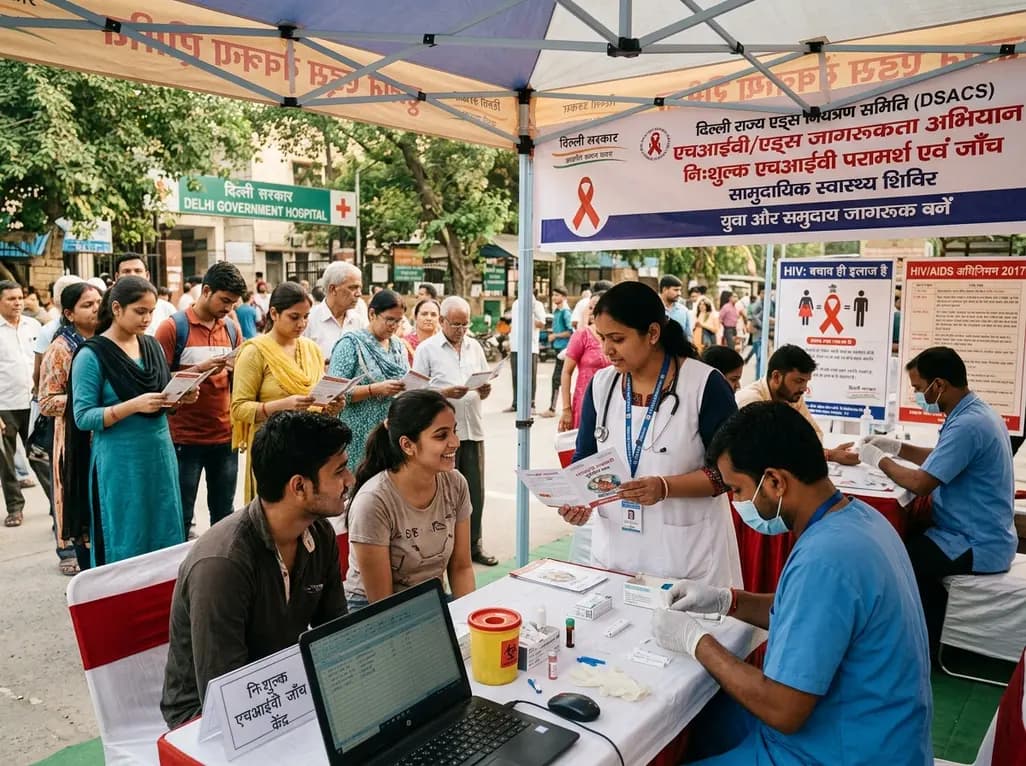
The Government of National Capital Territory of Delhi has officially launched a comprehensive, two-month HIV awareness campaign across urban and rural sectors. Spearheaded by the Delhi State AIDS Control Society (DSACS), this public health initiative operates under the central message 'Know AIDS - No AIDS'. The program systematically targets adolescents, college students, vulnerable communities, and general households to improve health literacy. Health authorities inaugurated the initiative at Dr. BSA Hospital in Rohini on International Youth Day, mobilizing hundreds of students, healthcare professionals, and civil society organizations. By taking education beyond hospital corridors, public health leaders aim to eliminate deep-rooted stigma, promote voluntary screening, and accelerate early clinical diagnosis.
The ongoing HIV awareness campaign addresses critical epidemiological priorities within the National Capital Territory. Delhi has significantly expanded routine screening under the National AIDS and STD Control Programme. During the 2025-2026 period, public laboratories conducted 14.29 lakh HIV tests, which successfully identified 5,570 new infections. Consequently, health officials recognize that early case detection serves as the foundation for controlling viral spread.
Public health strategists are deploying innovative communication channels across residential colonies, villages, and informal settlements. For instance, teams are organizing interactive street plays, flash mobs, localized rallies, and digital outreach drives. Additionally, trained community health workers conduct door-to-door educational visits to discuss safe practices and available diagnostic facilities.
Furthermore, the campaign emphasizes that HIV awareness represents both a clinical necessity and a broader social responsibility. Misinformation often prevents high-risk individuals from seeking timely diagnostic evaluations. Therefore, public health personnel provide evidence-based counseling to dispel lingering myths regarding transmission pathways. By normalizing discussions surrounding viral infections, DSACS creates an encouraging environment where citizens pursue testing proactively without fear of social ostracization.
Decentralized screening forms the operational backbone of Delhi's updated HIV intervention strategy. In particular, mobile testing vans and integrated health camps now navigate underserved localities. These mobile units offer rapid point-of-care diagnostics, ensuring immediate result delivery and immediate post-test counseling. Consequently, individuals residing in densely populated clusters gain direct access to professional screening without logistical barriers.
Moreover, targeted interventions actively protect mapped high-risk populations across the capital city. The state program currently covers over 92 percent of mapped high-risk groups through structured outreach mechanisms. In addition, specialized facilities known as Sampoorna Suraksha Kendras provide comprehensive, non-judgmental wellness services. These centers offer risk assessments, sexually transmitted infection management, pre-exposure prophylaxis counseling, and barrier contraceptive distribution.
Simultaneously, community-based screening initiatives bridge the gap between primary healthcare centers and vulnerable demographics. Peer educators play an essential role in building trust among marginalized individuals. Therefore, outreach workers guide suspected cases toward designated Integrated Counseling and Testing Centres. Through these coordinated pathways, public health agencies identify hidden cases early, significantly curtailing forward viral transmission across metropolitan communities.
Following a confirmed seropositive diagnosis, immediate clinical linkage remains vital for achieving viral suppression. Currently, 12 specialized Antiretroviral Treatment (ART) Centres across Delhi provide continuous care to 44,546 people living with HIV. Under national guidelines, clinicians initiate lifelong antiretroviral therapy immediately regardless of baseline CD4 cell counts.
Additionally, ART centers provide comprehensive monitoring to optimize therapeutic efficacy and prevent opportunistic complications. Healthcare teams routinely evaluate viral load levels, liver function parameters, and renal health. Clinicians also screen patients systematically for active tuberculosis, offering isoniazid preventive therapy to reduce morbidity. Thus, integrated clinical protocols ensure superior patient outcomes and lower mortality rates.
Furthermore, medical counselors at ART facilities emphasize strict medication adherence. Sustained daily adherence suppresses viral replication, preserving immune function and preventing drug-resistant viral mutations. Most importantly, achieving an undetectable viral load eliminates the risk of sexual transmission, fulfilling the validated concept of Undetectable equals Untransmittable. Therefore, robust ART delivery mechanisms safeguard individual longevity while protecting the wider public.
Clinical interventions require strong legal protections to ensure equitable healthcare access for every patient. Accordingly, the current campaign actively educates citizens regarding their statutory rights under the HIV and AIDS (Prevention and Control) Act, 2017. This landmark federal legislation explicitly prohibits unfair discrimination in healthcare facilities, workplaces, educational institutions, and residential neighborhoods.
Moreover, the statute strictly protects patient autonomy and medical confidentiality. Healthcare institutions cannot mandate routine HIV screening as a prerequisite for employment, surgical procedures, or academic admissions. In addition, medical professionals must obtain explicit informed consent before conducting diagnostic testing. Unauthorized disclosure of an individual's serostatus constitutes a punishable legal violation.
Consequently, Delhi has established formal grievance redressal frameworks, including designated institutional Complaints Officers and an independent State Ombudsman. Aggrieved individuals can lodge confidential complaints regarding discriminatory practices or denial of care. Furthermore, the Act guarantees the right of HIV-affected children to reside in shared family households. By raising awareness of these statutory safeguards, the campaign empowers vulnerable patients to assert their fundamental human rights.
Engaging adolescents and young adults remains central to achieving long-term epidemic control. Young people represent a highly dynamic demographic that shapes societal attitudes toward health and illness. Therefore, the Delhi administration collaborates closely with schools, colleges, and technical universities across the capital.
Presently, 87 active Red Ribbon Clubs operate within collegiate campuses to promote health literacy and voluntary blood donation. These student-led clubs organize academic debates, peer-led workshops, and creative competitions to dismantle institutional misconceptions. Additionally, trained faculty coordinators guide students on reproductive biology, safe behavioral practices, and scientifically validated prevention methodologies.
Furthermore, educational outreach emphasizes empathy and solidarity toward individuals living with chronic viral infections. Institutional stigma often isolates infected students, causing emotional distress and academic discontinuation. Hence, educational workshops clearly explain that casual physical contact, shared utensils, and common classrooms cannot transmit the virus. Consequently, academic institutions foster inclusive learning environments where young scholars advocate actively for health equity and zero discrimination.
Medical management of chronic viral conditions must integrate comprehensive socioeconomic safety nets. Recognizing financial vulnerabilities, the Delhi government delivers direct monetary assistance to eligible individuals through a dedicated DSACS welfare scheme. Currently, 8,047 beneficiaries receive monthly financial support to meet essential nutritional and transportation requirements.
This welfare initiative specifically assists low-income adults living with HIV, infected children, and orphaned dependents. Consequently, regular financial subsidies alleviate economic distress, enabling continuous treatment adherence without disruption. Many patients frequently face travel expenses when attending monthly ART refill appointments. Therefore, targeted social security support ensures excellent long-term retention within the healthcare continuum.
In addition, nutritional counseling forms a key component of holistic viral management. Clinical dietitians guide patients toward balanced meal planning to bolster immune recovery and optimize drug absorption. Ultimately, combining free clinical therapeutics with structured financial aid addresses social determinants of health effectively. Through this integrated approach, public health authorities enhance individual survival rates and restore productive livelihoods across the National Capital Territory.
Q1: What are the main objectives of Delhi's intensified HIV campaign?
The campaign aims to increase public health literacy, eliminate societal stigma, and expand voluntary screening throughout urban and rural Delhi. Additionally, the initiative strengthens decentralized point-of-care testing, encourages responsible behavioral practices among students, and ensures immediate clinical linkage to free antiretroviral therapy. Furthermore, the extensive outreach drive educates citizens regarding legal anti-discrimination protections guaranteed under national health legislation.
Q2: How does the HIV and AIDS Act 2017 protect patient confidentiality?
The HIV and AIDS (Prevention and Control) Act, 2017 strictly prohibits unauthorized disclosure of an individual's serostatus without explicit informed consent. Furthermore, mandatory testing cannot be demanded for employment recruitment, educational admissions, or routine healthcare access. Medical institutions must maintain stringent data privacy protocols, while state-appointed Ombudsmen investigate reported grievances to uphold complete patient confidentiality and dignity.
Q3: Why is early initiation of antiretroviral therapy crucial for patients?
Early initiation of antiretroviral therapy rapidly suppresses viral replication, preserving immune CD4 cell function and preventing serious opportunistic infections like tuberculosis. Moreover, maintaining an undetectable viral load eliminates sexual transmission risks entirely. Consequently, continuous lifelong therapy transforms HIV into a fully manageable chronic medical condition, drastically improving patient longevity and ensuring exceptional overall health outcomes across diverse populations.
Disclaimer: This content is for informational and educational purposes only. It does not constitute medical advice or replace professional judgment. Refer to the latest local and national guidelines for clinical practice.
References

Read summarized clinical updates, watch expert medical content, and earn CME certifications right from your smartphone.
Open your smartphone camera to scan and install.





The Delhi government and DSACS have launched a two-month intensified HIV awareness initiative targeting youth, schools, and local communities. The drive strengthens decentralized testing, expands antiretroviral therapy linkages, ensures legal safeguards under the HIV Act 2017, and provides crucial financial aid.
last month
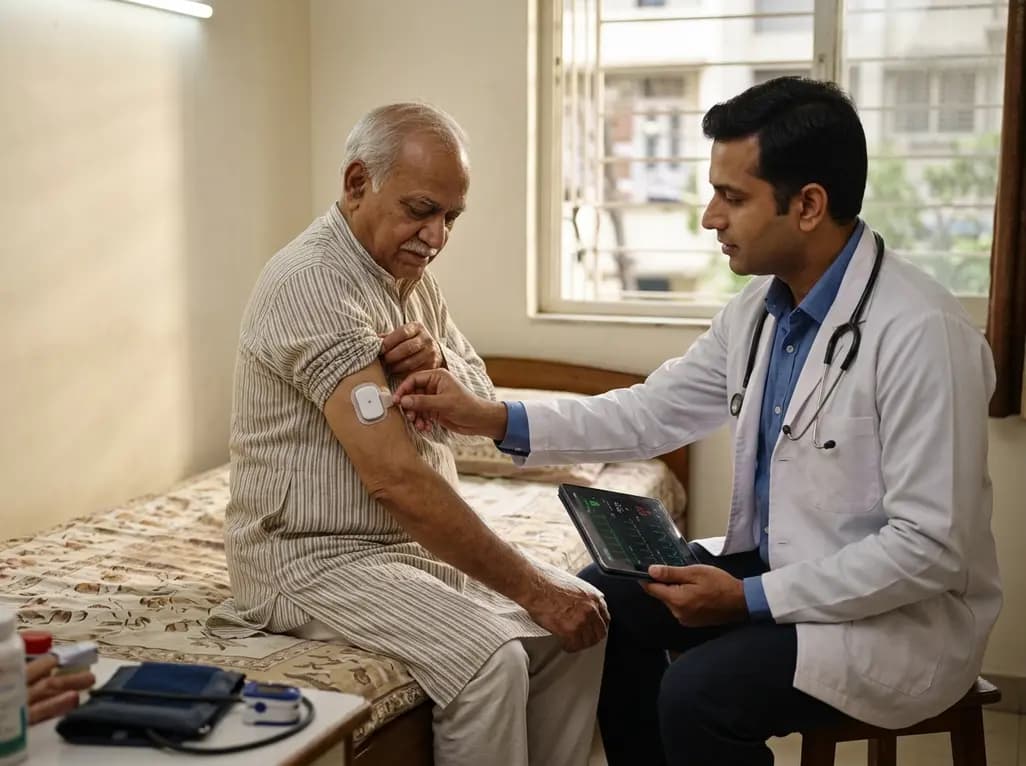
A feasibility study evaluates remote vital sign monitoring in acute hospital at home patients. Continuous wearable patches captured heart rate and respiratory rate with high adherence (89% and 75%), significantly exceeding manual spot checks for blood pressure, oxygen saturation, and temperature.
Today

A scoping review evaluates 116 studies on AI in women's reproductive health, finding that 83.6% carry high risk of bias. While ensemble models show promise, disparities and lack of validation hinder LMIC deployment.
Today
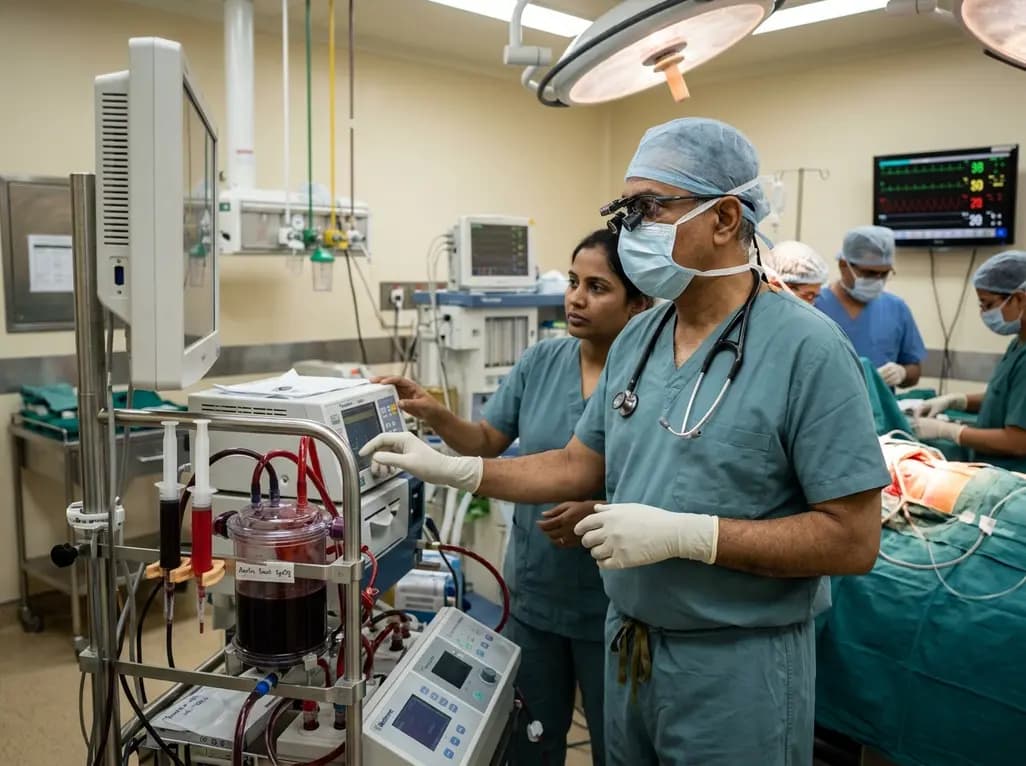
Differential oxygenation during peripheral TA-NRP can cause undetected coronary hypoxemia due to arch vessel clamping. A novel circuit with continuous aortic root monitoring detects desaturation early, facilitating left ventricular unloading and preventing allograft dysfunction and unnecessary heart discard.
Today

A longitudinal study reveals that patients undergoing staged bilateral hip arthroscopy experience progressive contralateral labral deterioration during surgical intervals. However, structural degradation does not compromise 2-year postoperative clinical outcomes or patient-reported satisfaction scores.
Today

A post hoc analysis of the PARM-T2D study shows pemafibrate exerts baseline-dependent effects on LDL-C and particle size in type 2 diabetes and hypertriglyceridemia. It lowers triglycerides and remnants while favorably remodeling atherogenic LDL particles based on initial lipid control status.
Today
